

Vintage Bevelled Mirror
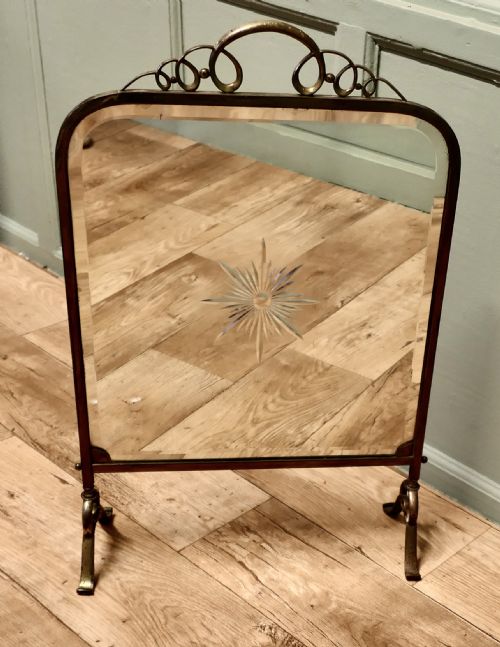
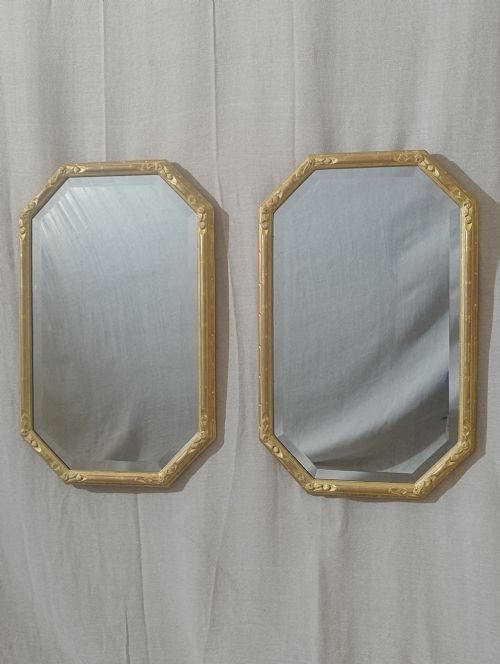
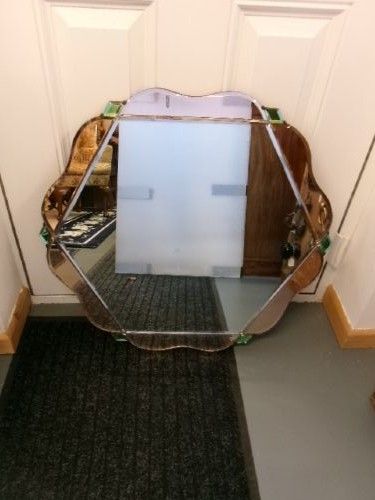
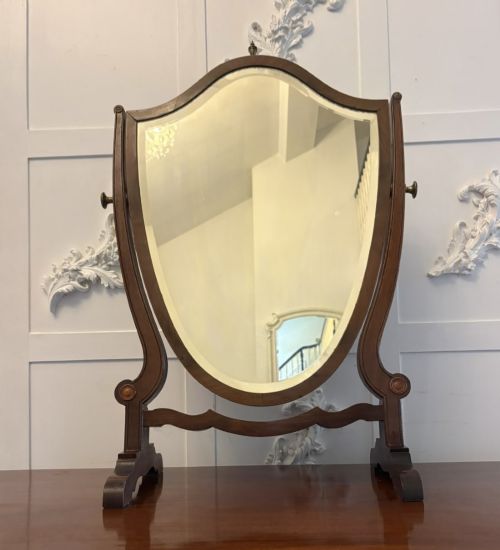
A vintage bevelled mirror brings depth and reflected light to a room, combining period framing with the distinctive angled edge of earlier glass.
Vintage Bevelled Mirror
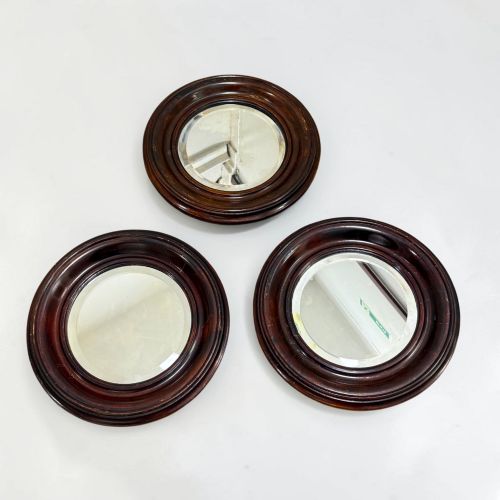
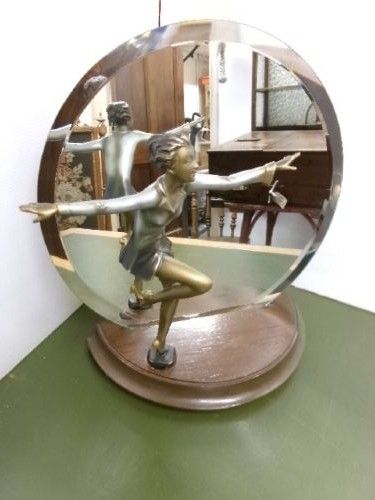
A vintage bevelled mirror encompasses wall hangings, overmantles, and dressing table accessories produced across the nineteenth and twentieth centuries. Buyers seeking a vintage bevelled mirror frequently encounter Edwardian and Art Deco examples alongside robust Victorian and late nineteenth-century iterations.
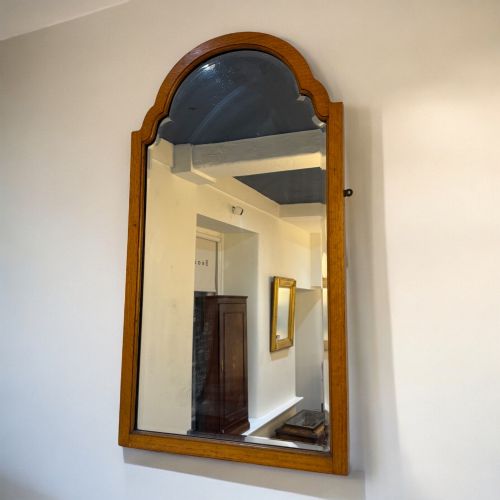
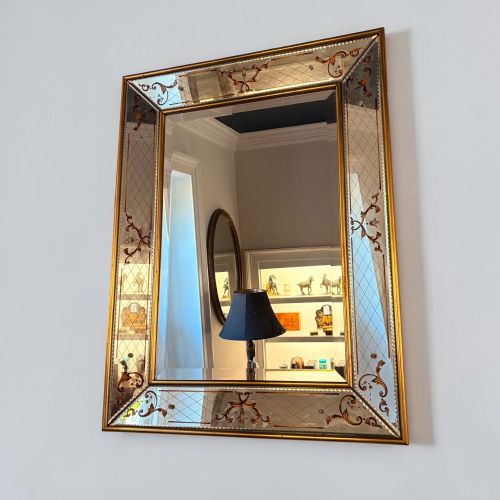
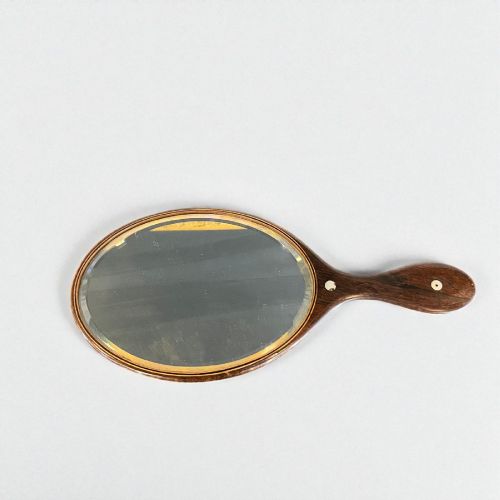
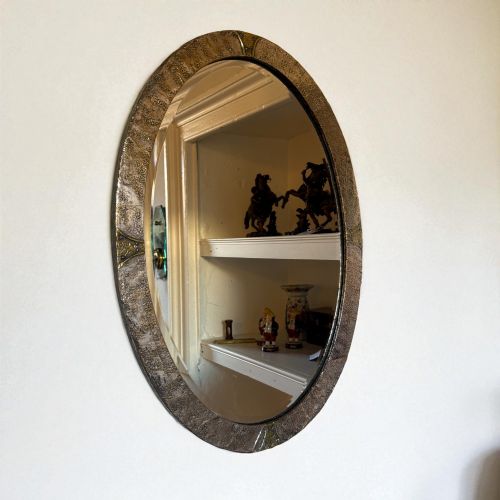
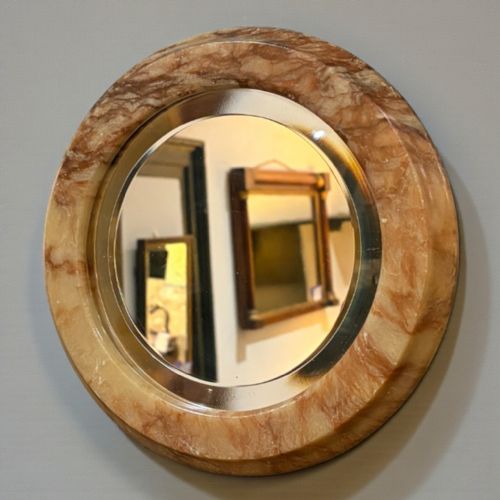
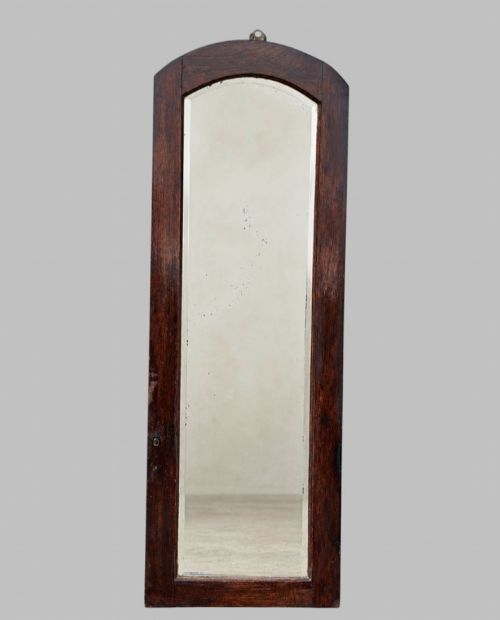
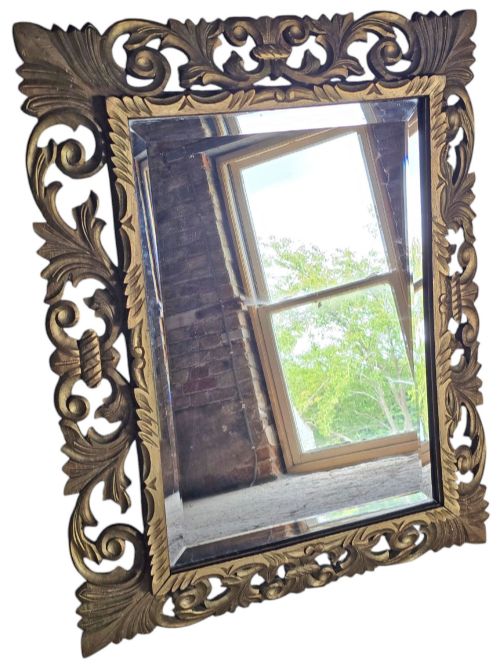
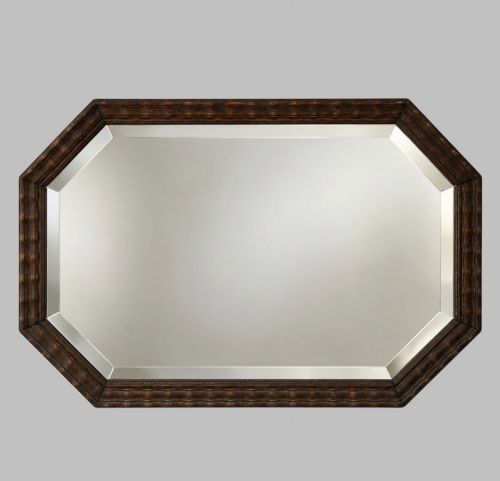
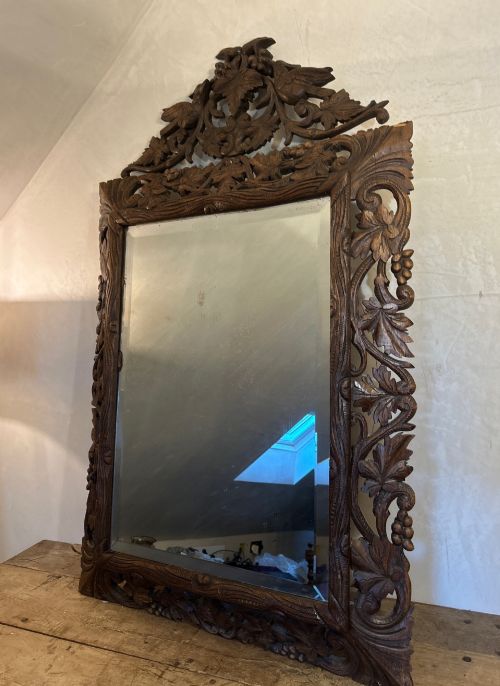
The selection ranges from large Florentine giltwood statement pieces to modest oak hallway fittings and oval brass designs. Wall mirrors and dressing mirrors dominate the forms, while occasional trays and vanity pieces demonstrate the versatility of bevelled glass.
Geographic origins vary widely among these pieces, spanning English walnut and mahogany workshops, French Rococo revival salons, and Italian Venetian glass houses. Pieces from the early twentieth century often display straightforward oak frames, whereas nineteenth-century examples lean towards ornate gesso and carved wood.
Materials and Technique
Frames rely on traditional timbers such as oak, mahogany, walnut, and rosewood, often paired with hand-carved gesso, applied gold leaf, or giltwood. Metal frames utilise brass, silver plating, and sterling silver to create structured borders around the glass plates.
The defining feature involves hand-bevelling the edges of the glass plate, a process that creates a sloped perimeter designed to catch and refract light. Artisans secured these plates within rebated wooden frames or attached them using original metal fixings and strut backs.
Listings feature pieces spanning the Victorian, Edwardian, and Art Deco periods, constructed in oak, walnut, giltwood, and brass.
The Distinction in Quality
Superior examples separate themselves through the depth of hand-carving in the frame and the precision of the angled bevel on the glass plate. Heavy giltwood and elaborate gesso mouldings require skilled craftsmanship that remains distinct from simpler machine-cut alternatives.
Original fittings, intact backing boards, and the retention of authentic mercury or silvered backing on the glass elevate a piece. The harmony between the decorative style of the frame and the proportions of the central glass plate dictates the overall success of the object.
Waring and Gillow
The Vintage Bevelled Mirror Glossary
- Bevelled Glass
- Glass with an angled edge polished around the perimeter, creating a prismatic light effect.
- Overmantle
- A large mirror designed to hang specifically above a fireplace mantelpiece.
- Gesso
- A plaster-like mixture applied to wood frames and carved or gilded for decorative effect.
- Repoussé
- Metalwork hammered into relief from the reverse side to form ornamental patterns.
- Marquetry
- Decorative veneer work using various woods to create pictorial patterns on furniture and frames.
Vintage Bevelled Mirror: Frequently Asked Questions
How do I hang a heavy vintage mirror safely?
Heavy frames require sturdy wall anchors and fixings rated to support the combined weight of timber and glass. Securing the piece directly into wall studs ensures stability.
Professional mirror hangers often utilise a French cleat system to distribute the load evenly across the wall surface.
What causes dark spots on old mirror glass?
Dark spots and foxing occur when moisture seeps behind the glass plate over decades, reacting with the silvering layer. This oxidation is a natural ageing process unique to older mirrors.
Many collectors appreciate these marks as proof of genuine age rather than a defect requiring restoration.
Can I clean the glass without damaging the frame?
Cleaning requires applying glass spray to a cloth rather than directly onto the mirror surface, preventing liquid from seeping behind the plate. Moisture can damage vulnerable giltwood and gesso.
Keeping polishes away from original wooden frames and metal borders preserves the integrity of the finish.
How do I date an antique mirror frame?
Dating relies on examining the construction techniques of the timber frame, screw types, and the style of the carving. Edwardian and Victorian designs often reflect the revival movements popular during those decades.
Backing boards and original fixings provide further clues to confirm the manufacturing period.