


Vintage Bergere
A vintage bergere brings enclosed canework and generous proportions to a room, offering deep-seated comfort rooted in classic French and English seating traditions.
Vintage Bergere
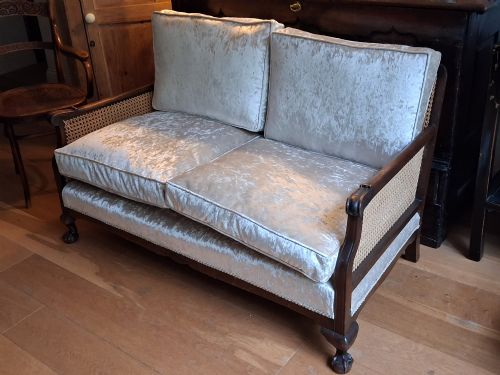
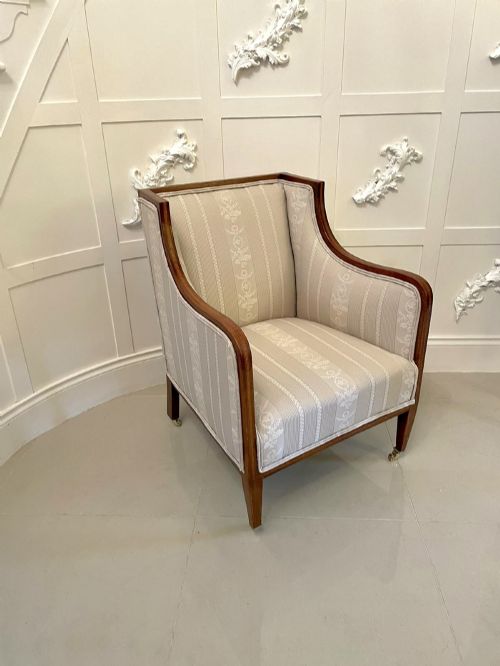
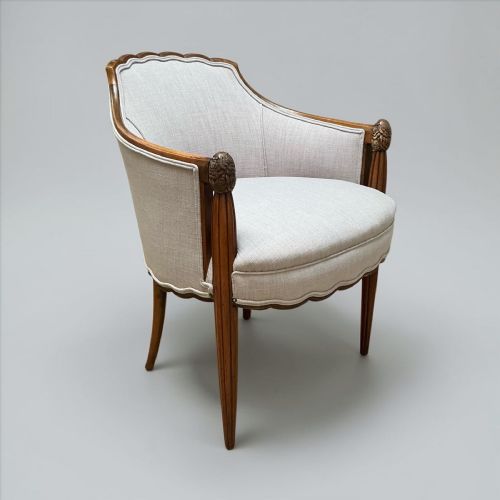
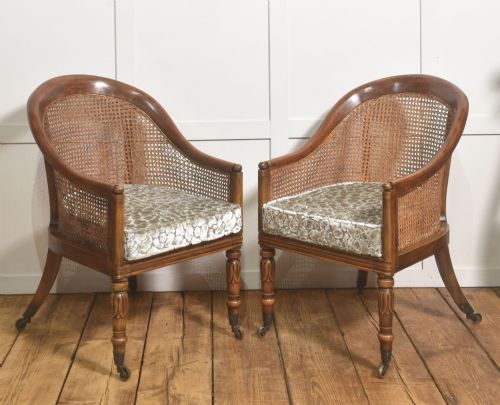
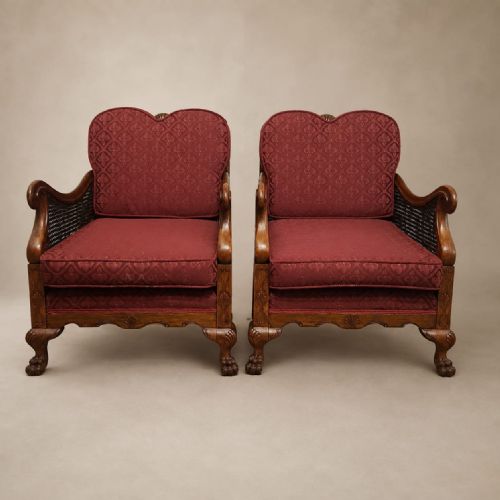
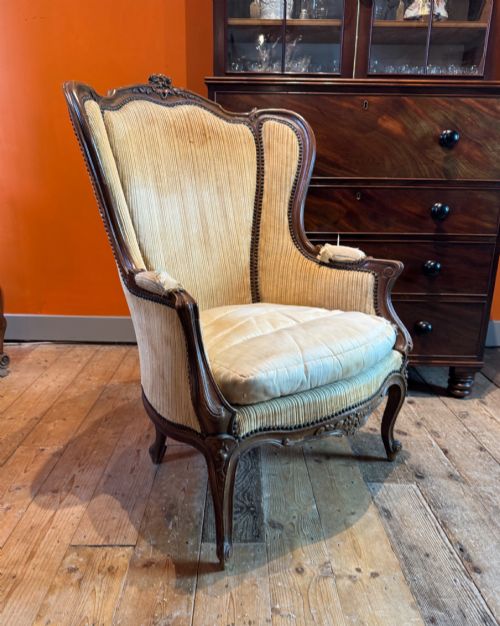
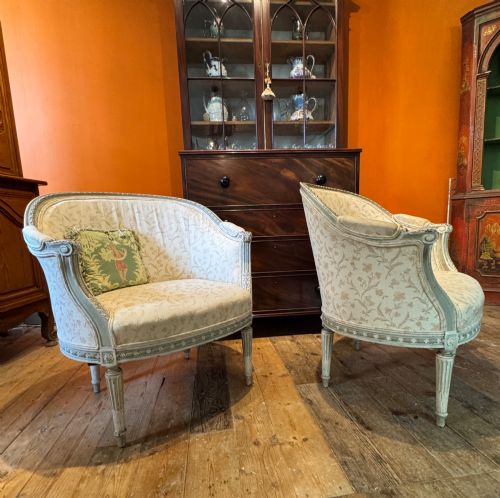
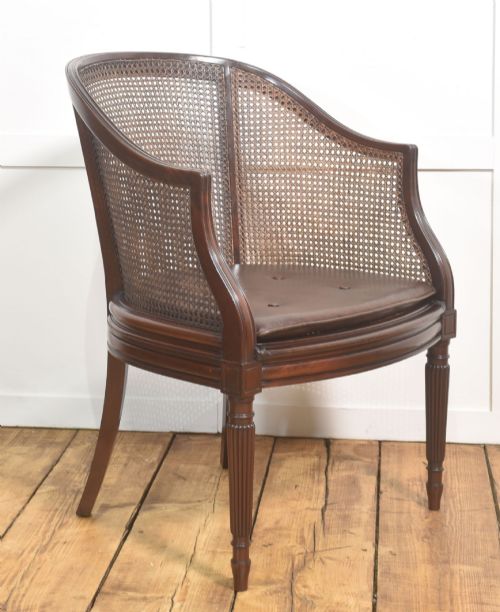
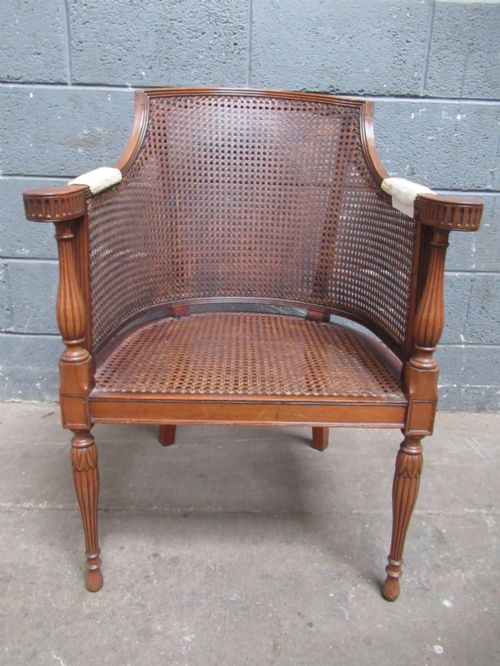
When you search for a vintage bergere, you encounter enclosed upholstered or caned seating designed for relaxed lounging. The listings here span armchair and sofa formats, often featuring characteristic tub or wing shapes.
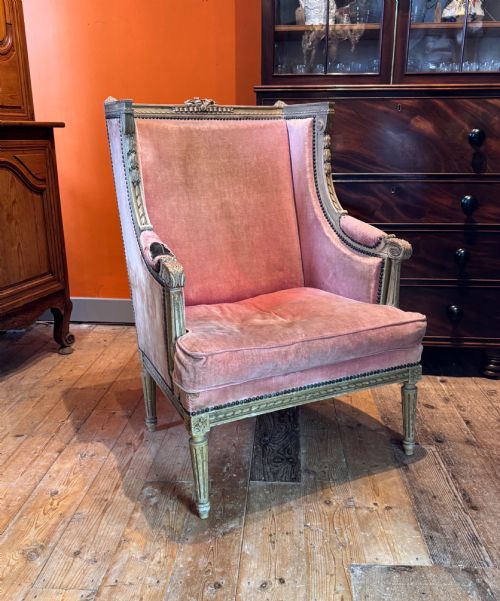
The most common examples you meet on this page are nineteenth century and early twentieth century mahogany or walnut framed chairs. These pieces frequently draw upon Louis XV and Louis XVI revival styles, alongside Edwardian interpretations.
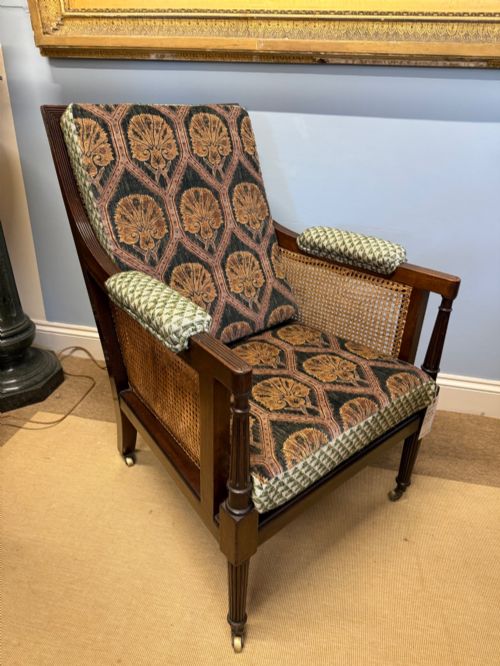
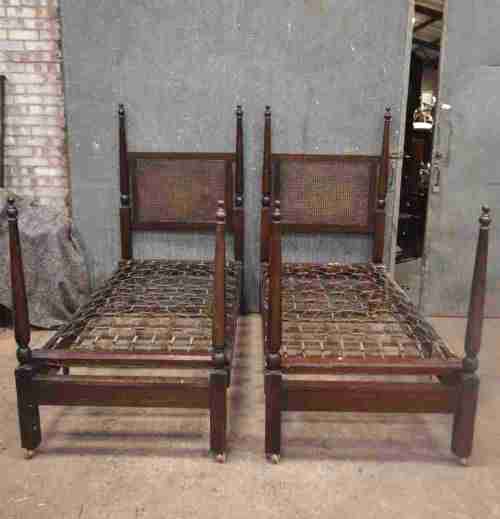
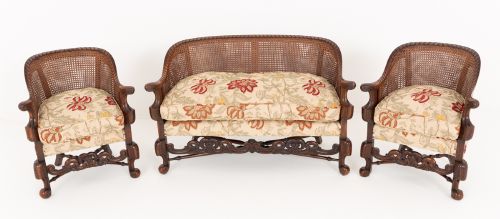
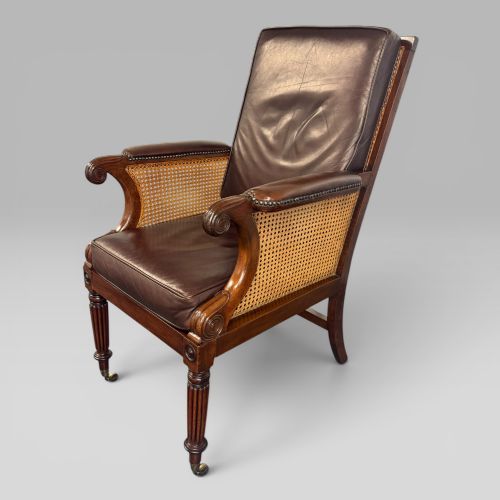
Beyond standard armchairs, the selection extends to library chairs, dining sets, suites, and even four poster single beds incorporating caned panels. French provincial and chateau origins appear regularly alongside British iterations.
Materials and construction
Timbers form the structural backbone of these frames, with mahogany, walnut, oak, and beech providing sturdy skeletons. Caned panels, including split cane work, are woven directly into the wooden framework to create flexible backrests and sides.
Upholstery complements the woodwork through loose cushions filled with feathers, as well as fixed coverings in leather, velvet, fabric, and original paint finishes. Brass accents and detailed carving further define the decorative approach of the makers.
Vintage Bergere Retail Price Guide 2026
Typical asking prices for vintage bergere among the pieces listed under this phrase on Sellingantiques today, from the lower quarter to the upper quarter. They describe what is for sale here now, not the wider market.
Periods represented span from the Regency era through Victorian times, the Edwardian period, and into the nineteen-thirties.
Distinguishing quality
The finesse of the carved wood details and the tightness of the cane weaving separate standard examples from superior pieces. Crisp lines on walnut or mahogany frames indicate careful hand-shaping by skilled makers.
Original surface treatments, such as untouched paint or well-maintained leather and feather cushions, elevate a piece's integrity. Cohesion between the frame style and the upholstery choice determines how successfully the seat retains its period character.
The Vintage Bergere Glossary
- Bergere
- An enclosed upholstered armchair with a wooden frame and caned back and sides. It originated in France and remains a staple of formal and casual seating.
- Caning
- A weaving technique using split rattan or cane to form porous panels. It provides a supportive yet flexible backing for chairs and sofas.
- Tub chair
- An armchair featuring a continuous curved back and arms that form a single rounded enclosure. This shape wraps around the sitter for added cosiness.
- Louis XV style
- A design aesthetic characterised by asymmetric curves, cabriole legs, and naturalistic floral carvings. It heavily influences nineteenth-century revival seating.
- Fauteuil
- An open-framed upholstered armchair with exposed wooden arms. Unlike the bergere, the sides are typically open rather than solid cane.
Vintage Bergere: Frequently Asked Questions
What is a vintage bergere?
A vintage bergere is an enclosed armchair or sofa featuring woven cane panels and a supportive wooden frame. These seats originated in historical French furniture design and evolved through various revival periods.
Today, they serve as prominent accent chairs or library seating, combining traditional craftsmanship with deep, comfortable proportions for daily use.
How do I style a bergere chair?
You can place a bergere in a living room as a reading chair or pair matching tub versions opposite a sofa. Their classic wooden frames and neutral cane work allow them to sit comfortably alongside modern or antique furnishings.
Consider adding a patterned cushion or placing the chair beside a low table to create a dedicated relaxation corner in your room.
Are these chairs comfortable for daily sitting?
These seats are designed for relaxation, often incorporating generous proportions and supportive feather-filled cushions. The combination of an angled backrest and upholstered seat makes them well-suited for extended reading or lounging.
Their ergonomic shape provides natural support, though adding an appropriate footstool can further enhance the seating experience.
How do I tell different periods apart?
Identifying the era involves examining the timber choice, carving depth, and overall structural silhouette. Pieces from the nineteenth century often show heavier mahogany or walnut frames with distinct revival stylistic cues.
Early twentieth century examples, such as Edwardian or 1920s pieces, frequently lighter proportions and simpler cane patterns while maintaining traditional forms.