


Vintage Bed Canopy
A vintage bed canopy frames sleeping quarters with architectural presence, turning an ordinary room into a stately chamber.
Vintage Bed Canopy
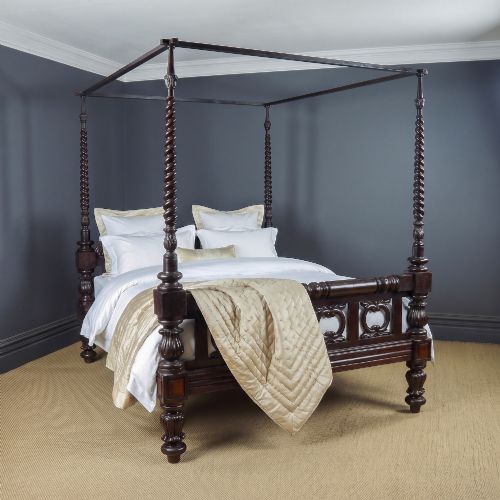
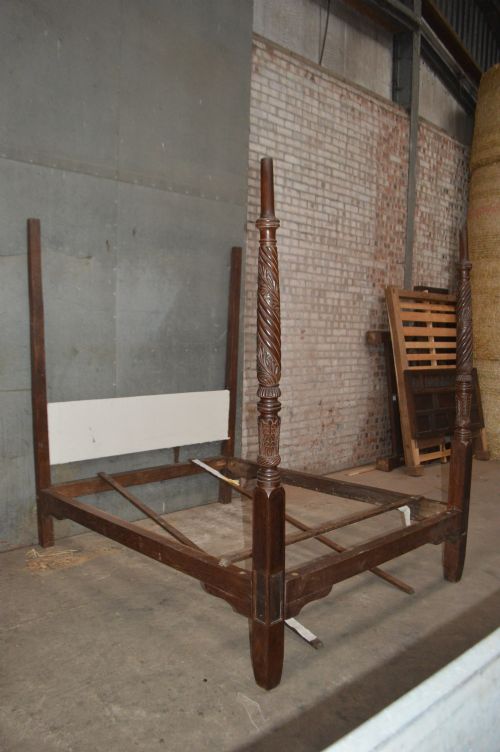
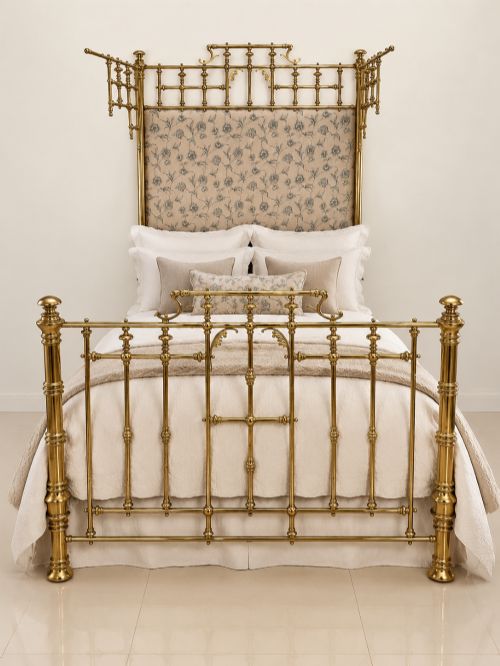
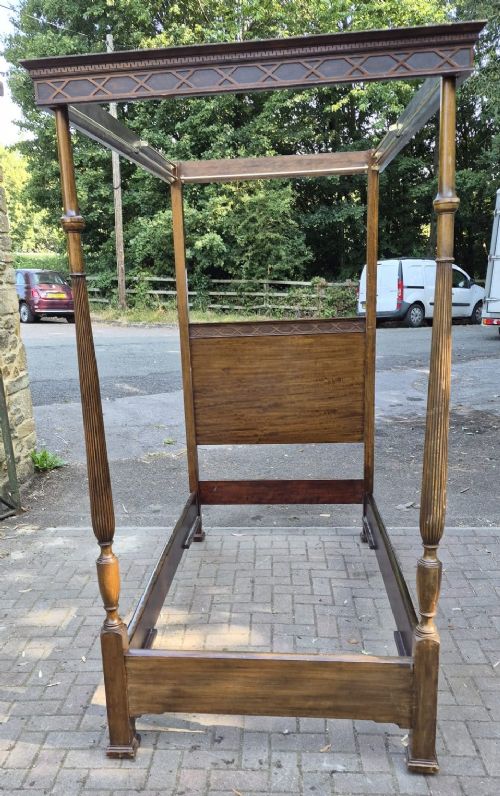
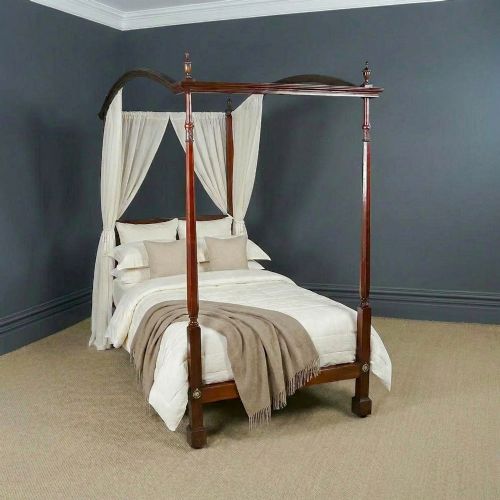
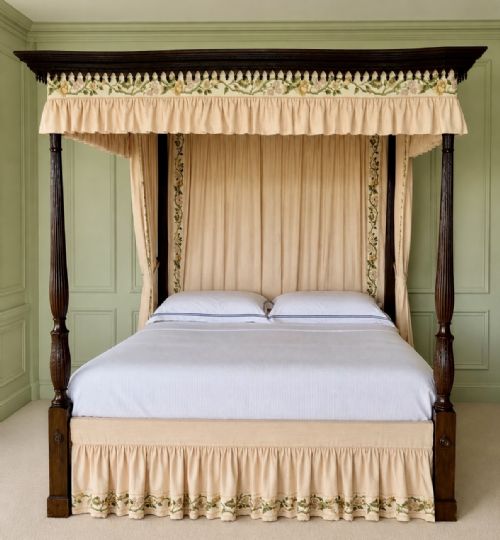
A vintage bed canopy takes shape primarily across four poster frames and half tester structures, establishing architectural height and presence in a sleeping chamber. These pieces span the nineteenth century into the Edwardian era, offering substantial overhead frames designed to drape fabric above the sleeper.
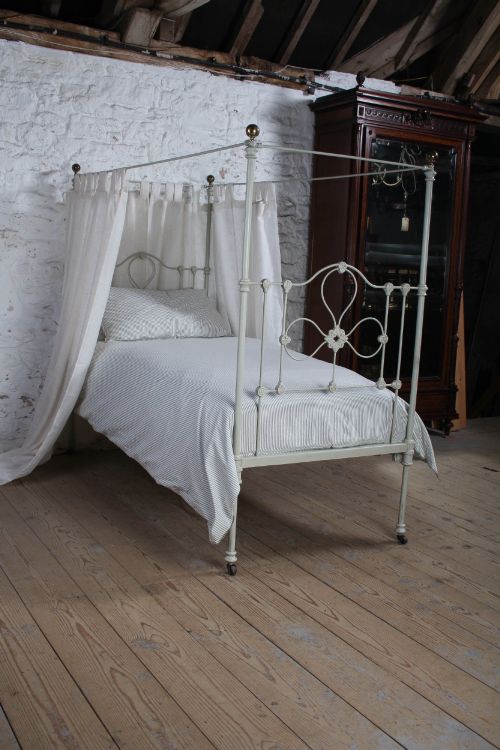
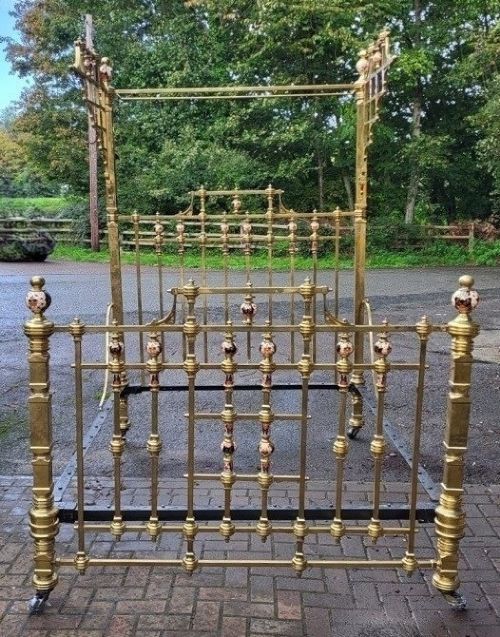
Most examples encountered here appear in robust timbers such as mahogany and oak, or in structural metals including brass and iron. Configurations range from grand super king proportions down to single beds and specialised pet furniture forms like dog four posters and painted pine cradles.
How they were made
Construction relies heavily on dense hardwoods like mahogany, walnut, and pine, shaped into substantial posts and cornices that support the overhead tester. Metal frames utilise cast iron, wrought iron, and polished brass, often combining structural ironwork with decorative brass castings for the half tester and four poster designs.
Joinery techniques demand immense strength to support the heavy timber or metal canopies, utilising robust pegging, heavy screws, and interlocking iron brackets. Surface treatments involve polished wood finishes, painted pine surfaces, and gleaming or patinated metalwork.
Materials range from warm burr walnut and cast iron to gleaming exhibition quality brass.
What varies in quality
The architectural ambition of the cornice and the refinement of the timber or metalwork determine the standing of each piece. Exhibition quality examples display exceptional carving, substantial brass casting, and fine secondary timbers, whereas simpler domestic items rely on plain turned posts and straightforward iron frames.
Proportion and scale dictate the visual success of the canopy, with superior pieces maintaining harmonious balance between the height of the posts and the projection of the tester. The integrity of the original joints and the preservation of natural surface patination further distinguish higher tier examples.
Heals of London·R W Winfield
The Vintage Bed Canopy Glossary
- Four poster
- A bed featuring four vertical columns that support an upper horizontal panel or frame known as a tester. This form dates back centuries and provides a commanding architectural presence in a room.
- Half tester
- A wall-mounted or bed-attached canopy that projects over only the head portion of the bed rather than spanning the entire length. This configuration became particularly popular during the Victorian period in brass and mahogany.
- Tester
- The flat or panelled canopy roof of a bed that extends over the sleeping surface. It frequently serves as the primary decorative focal point for fabric drapery.
- Birch or mahogany
- Dense hardwoods utilised extensively for structural framework and decorative veneer work across nineteenth-century bedroom furniture. Mahogany provides both structural stability and rich deep tones when polished.
- Cast iron
- Molten iron poured into a mould to create intricate structural and decorative components. It offers immense rigidity for metal bed frames and half tester brackets.
Vintage Bed Canopy: Frequently Asked Questions
How do I choose the right size canopy bed?
Measure your ceiling height carefully before selecting a four poster or half tester, ensuring adequate clearance for the upper cornice. Consider the floor dimensions of the room to let the posts and frame breathe without overwhelming the space.
Take note of whether the piece is configured as single, double, king, or super king size. Matching the proportions to your bedroom architecture guarantees the canopy enhances the room rather than dominates it.
Are these beds difficult to assemble?
These historical frames utilise period-specific joinery, heavy iron brackets, and threaded bolts that require patience and often multiple pairs of hands during assembly. Proper alignment of the heavy posts and overhead tester is essential for structural stability.
Enlisting professional help for delivery and installation ensures the timbers and metal joints seat correctly without placing undue strain on antique components.
How do I dress a vintage canopy?
Select fabrics that complement the period of the frame, such as traditional chintz, damask, or simpler cottons for Edwardian and Victorian settings. Hanging curtains or drapes from the tester rails softens the architectural lines and recreates historical aesthetics.
Ensure any suspension methods or rings respect the original metal or wooden runners provided on the cornice. Thoughtful fabric choice brings warmth and texture to the bedroom environment.
How do I distinguish Victorian from Edwardian frames?
Victorian frames often display heavier proportions, rich burr walnut or dark mahogany veneers, and ornate brass half tester castings. Gothic influences and robust turnings frequently characterise this mid to late nineteenth-century output.
Edwardian examples tend to exhibit lighter Georgian Revival lines, cleaner mahogany surfaces, or freestanding frameworks with understated elegance. Comparing the timber selection and decorative detailing helps clarify the era of manufacture.