



Vintage Bamboo Seating
Vintage bamboo seating brings together chairs and benches shaped from natural cane, rattan, and wood across Victorian, Edwardian, and Regency periods.
Vintage Bamboo Seating
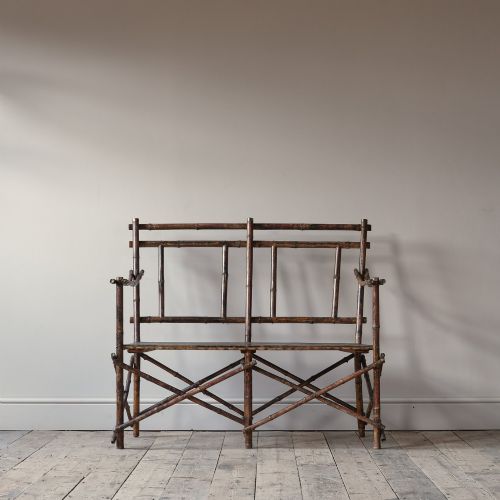
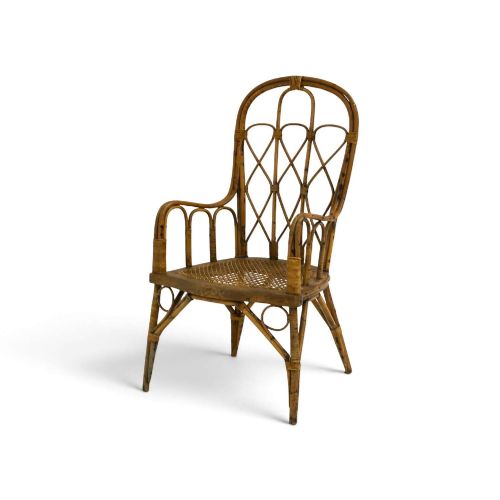
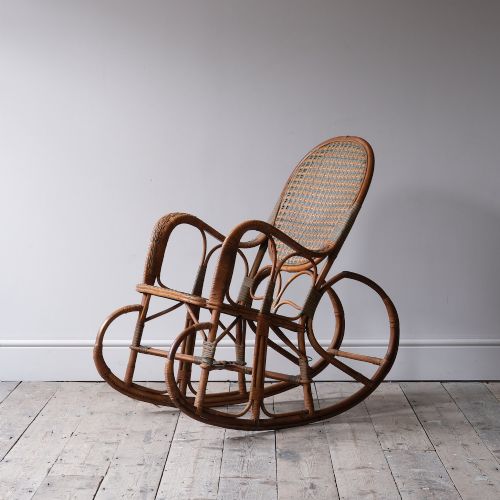
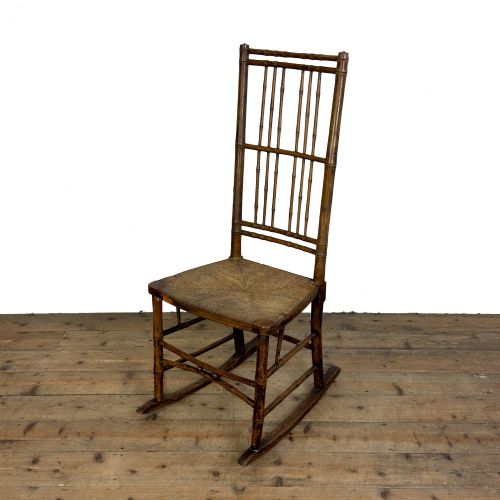
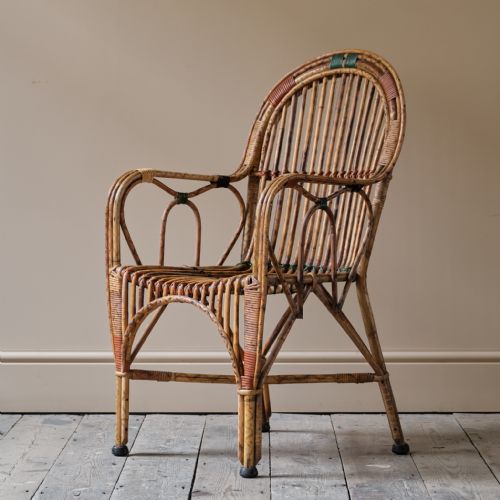
Vintage bamboo seating encompasses armchairs, side chairs, rocking chairs, benches, and shooting sticks made across the nineteenth and twentieth centuries. These pieces reflect styles ranging from Victorian Aesthetic and Edwardian Sporting to Regency and Mid-Century Rustic.
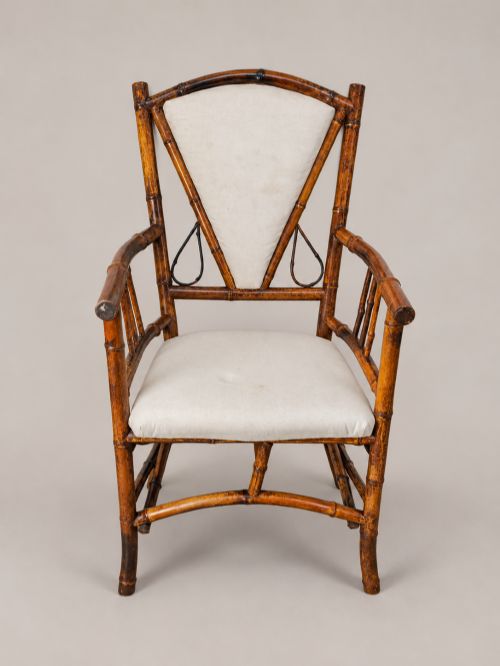
Armchairs and side chairs form the core of the selection, often paired with woven cane, rush, or rattan seats. Specialised forms such as child armchairs, highchairs, and folding shooting sticks also appear within the records.
Many examples emerge from nineteenth-century workshops, whilst others date through the Edwardian era up to nineteen-forty. Makers and designers sometimes referenced specific influences, including Chinese forms or the manner of Cyrus Wakefield.
Materials and construction
Construction relies primarily on natural bamboo, cane, and rattan stems, frequently reinforced with wood or beech frames. Brass mounts appear on specialised items like shooting sticks to secure folding mechanisms.
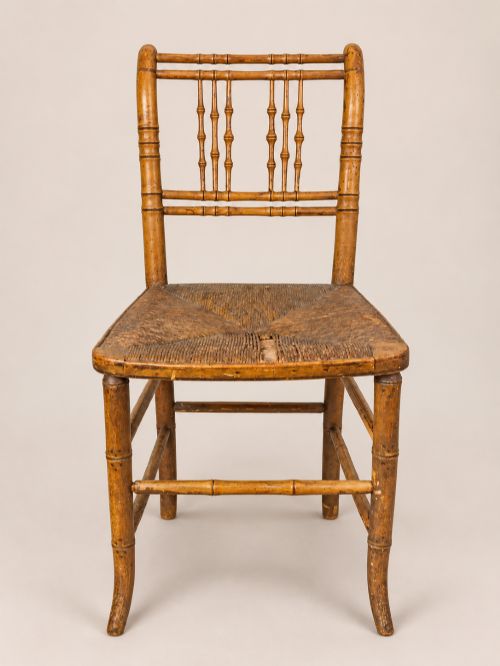
Seats and panels utilise woven cane, rush, and rattan work tied directly through the frame. Some pieces feature paint and painted decoration, including faux bamboo finishes applied to wooden structures.
Vintage Bamboo Seating Retail Price Guide 2026
Typical asking prices for vintage bamboo seating among the pieces listed under this phrase on Sellingantiques today, from the lower quarter to the upper quarter. They describe what is for sale here now, not the wider market.
The listings include pieces made from bamboo, cane, wood, paint, rush, brass, rattan, and beech across multiple centuries.
Quality variations in the furniture
Quality rests on the integrity of the natural cane joints and the tightness of the woven seating surfaces. Tighter cane work and robust bamboo stems indicate higher standards of production.
The presence of original painted decoration or brass mounts distinguishes finer decorative pieces from simpler utility items. Well-executed faux bamboo woodwork on turned beech frames also marks a higher grade of craftsmanship.
Cyrus Wakefield
The Vintage Bamboo Seating Glossary
- Bergere
- A closed upholstered armchair with a wooden or cane frame. The back and sides typically feature exposed woven cane panels.
- Faux bamboo
- Simulated bamboo carved or painted onto wood, usually beech. Cabinetmakers during the nineteenth century utilised this technique to mimic exotic materials.
- Shooting stick
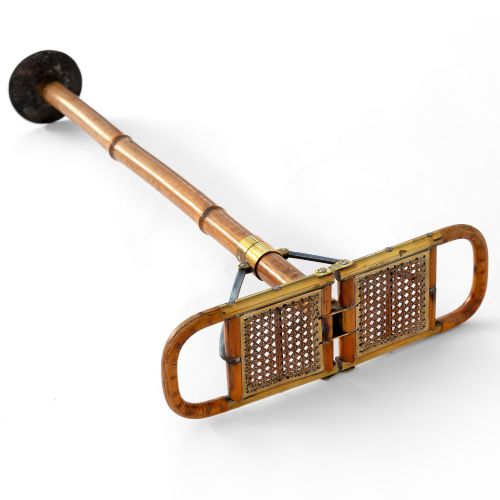
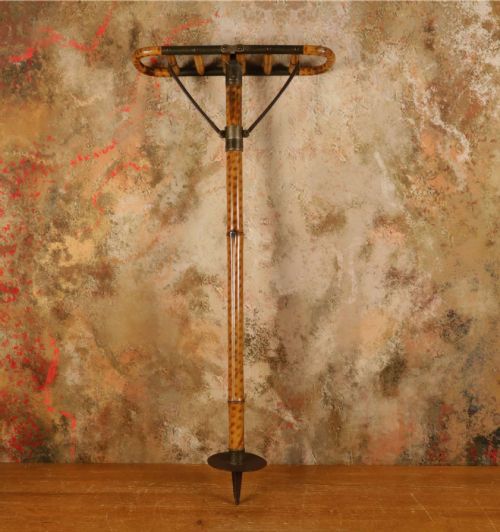
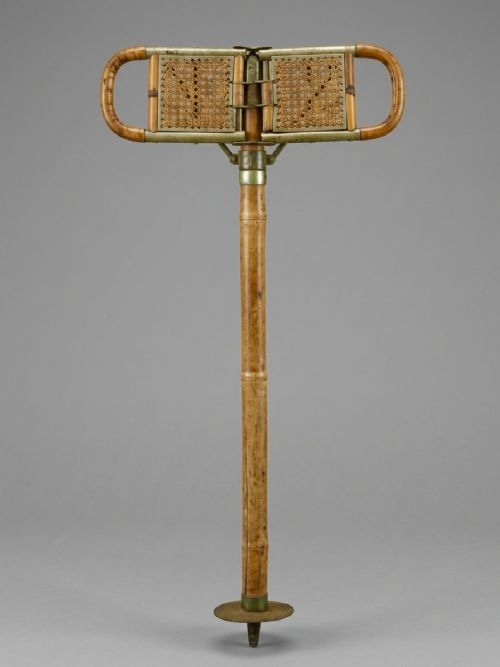
- A walking cane incorporating a fold-out seat for outdoor sports. These items often combine bamboo, cane, and brass mountings.
- Rush
- Woven marsh plant stems used to create traditional seating surfaces. It provides a durable and flexible alternative to cane.
- Aesthetic Movement
- A late nineteenth-century design style emphasising decorative art for its own sake. It drew heavily on Japanese and Chinese motifs.
Vintage Bamboo Seating: Frequently Asked Questions
What periods do these chairs cover?
The pieces span from the Regency period through Victorian and Edwardian eras up to the mid-twentieth century. Nineteenth-century examples form a significant portion of the available items.
Craftsmen produced various forms across these decades, reflecting changing tastes from formal painted seating to rustic and sporting designs.
How were shooting sticks used?
Shooting sticks served as portable walking canes that converted into single-legged folding seats for outdoor events and field sports. Gentlemen carried them whilst spectating or hunting.
They typically combined bamboo shafts with brass hardware and leather or cane folding seats.
Are faux bamboo chairs made of real bamboo?
Faux bamboo furniture is constructed from wood, usually beech, carved and painted to replicate the segmented joints of natural bamboo. Cabinetmakers utilised this method for added structural strength.
These pieces capture the exotic aesthetic of genuine bamboo whilst offering the durability of solid hardwood timber.
What is the difference between cane and rattan?
Cane is derived from the outer skin of the rattan palm, split into smooth strips for weaving chair seats and backs. Rattan refers to the whole vine used for structural framing.
Both materials often appear together in vintage seating to provide flexible support alongside rigid structural stems.