



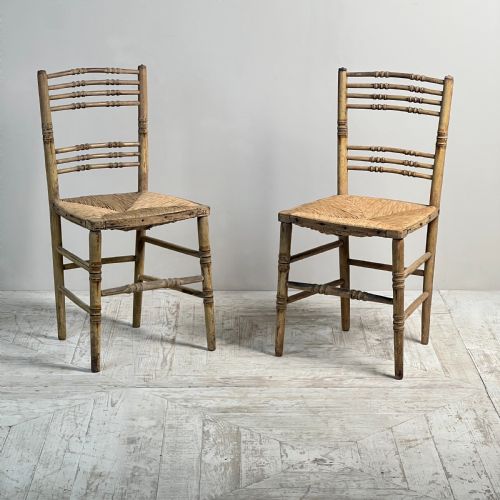


Vintage Bamboo Chairs
These vintage bamboo chairs bring lightweight versatility and natural texture into a room, offering an enduring mix of exotic design and practical seating.
Vintage Bamboo Chairs
The aesthetic range spans simple rustic pieces to elaborate Chinoiserie and French Aesthetic Movement designs. Many items utilise natural bamboo, while others feature painted or decorated wood mimicking the look of bamboo.
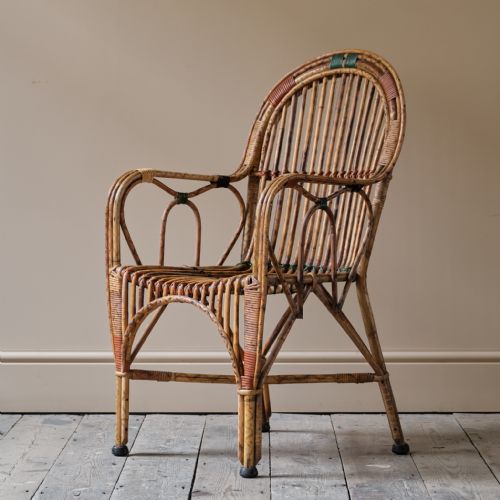
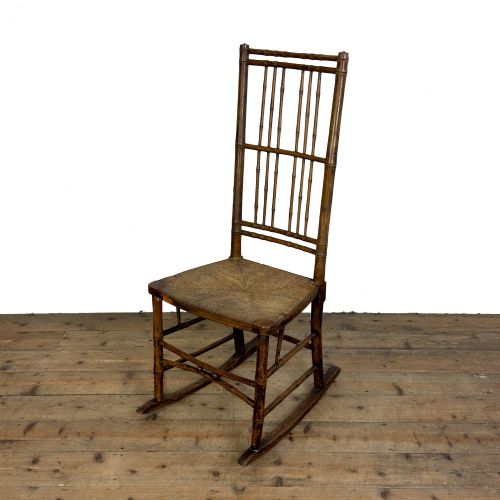
Armchairs and side chairs dominate the selection, often paired with woven cane, rush, or rattan seats that enhance their organic appeal. Buyers frequently find matching pairs and small sets alongside single statement pieces like chaise longues and rocking chairs.
How they were made
Construction relies heavily on natural bamboo and turned wood, often manipulated through heat-bending to achieve curved backs and structural frames. Artisans combined these primary materials with woven cane, rush, and rattan to form resilient and flexible seat pads and backrests.
Many nineteenth century and Regency examples employ painted finishes, sometimes decorating wood surfaces to imitate genuine bamboo grain in the manner of faux bamboo furniture. Leather and beech also appear in specific framework applications, contributing to the durability of folding mechanisms and load bearing joints.
Vintage Bamboo Chairs Retail Price Guide 2026
Typical asking prices for vintage bamboo chairs among the pieces listed under this phrase on Sellingantiques today, from the lower quarter to the upper quarter. They describe what is for sale here now, not the wider market.
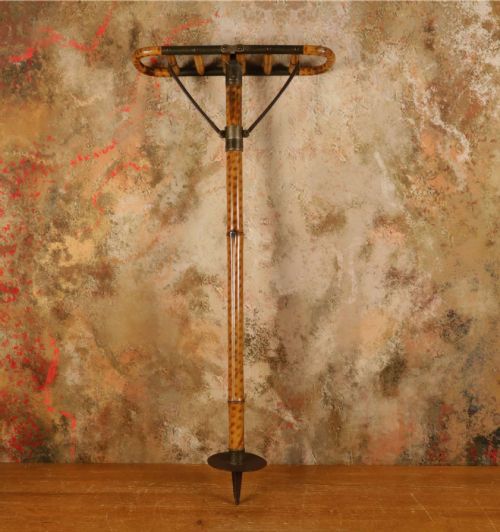
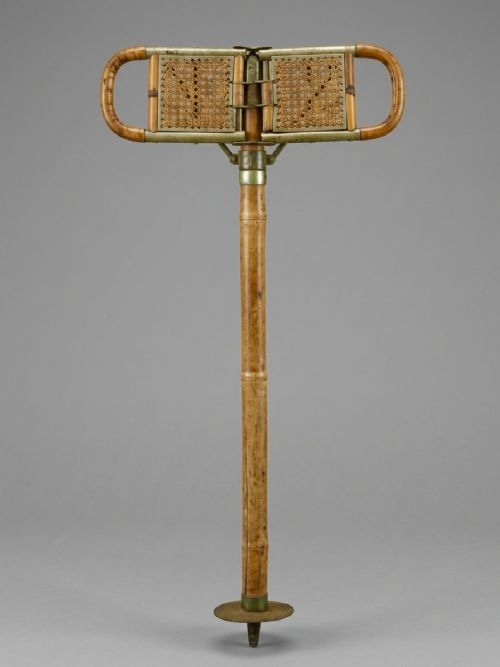
Among the seating options sit ingenious Victorian shooting sticks, proving that nineteenth century sports fans refused to compromise on portable comfort.
What varies in quality
Quality in these chairs rests upon the integrity of the structural joints and the tightness of the woven elements like cane and rush. Superior pieces demonstrate careful matching of natural bamboo sections and precise turning on painted wooden frames.
Finer examples retain original decorative paintwork and authentic upholstery materials rather than later replacements. The overall balance and stability of complex forms, such as folding shooting sticks and reclining chaises, mark the distinction between standard utilitarian items and masterworks of the period.
The Vintage Bamboo Chairs Glossary
- Faux bamboo
- Painted or turned wood carved to imitate the jointed appearance of natural bamboo. This technique gained immense popularity during the Regency and Victorian periods.
- Cane
- Woven split rattan peel used to create flexible and breathable seat panels and backrests. It provides lightweight strength to many nineteenth century chairs.
- Rush
- Traditional seating material made from twisted marsh grasses. It forms a durable, textured surface common on country and provincial ladder back or bamboo chairs.
- Chinoiserie
- European artistic style reflecting Chinese motifs and decorative techniques. It frequently influenced the ornamentation of nineteenth century bamboo and faux bamboo seating.
Vintage Bamboo Chairs: Frequently Asked Questions
Are bamboo chairs sturdy enough for daily use?
Most vintage bamboo chairs are surprisingly robust, constructed from flexible natural canes or sturdy turned hardwoods. They easily handle normal daily sitting when placed on even flooring.
However, delicate frames or antique woven cane seats benefit from gentle treatment. Avoid dragging them or subjecting them to excessive weight to preserve their historical joints.
Can I use vintage bamboo chairs outdoors?
These chairs are primarily designed for interior living spaces, conservatories, or covered porches. Natural materials like cane, rush, and untreated bamboo absorb moisture and degrade under harsh weather conditions.
Sunlight can also dry out rattan and cane, making them brittle over time. Keep them inside to maintain the integrity of the natural fibres and finishes.
How do I clean and care for cane seats?
Dust cane and rattan regularly using a soft brush or a vacuum attachment on a low setting. Occasional light wiping with a damp cloth keeps the natural fibres hydrated without soaking them.
Avoid harsh chemical cleaners or excessive water, which can rot natural plant materials. Conditioning dried cane with a damp sponge helps restore its slight natural elasticity.