



Vintage Ballet Art
Vintage ballet art captures dancers through mid-century paintings, drawings, and prints that bring theatrical elegance directly into your home.
Vintage Ballet Art
When you search for vintage ballet art, you encounter a focused selection of paintings, original drawings, framed art prints, and sculptures that depict dancers. These works span several decades, capturing performers backstage, in rehearsal, and in performance.
The most common versions on this page are mid-century oil paintings and works on paper from the 1950s and 1960s. These pieces often showcase dancers in expressive poses, reflecting both British and European artistic traditions.
Earlier pieces from the 1920s and 1930s also appear, bringing Art Deco style and illustrative caricature into the mix. Alongside framed artwork, you find items such as fine art prints and antique books detailing the lives of designers.
How they were made
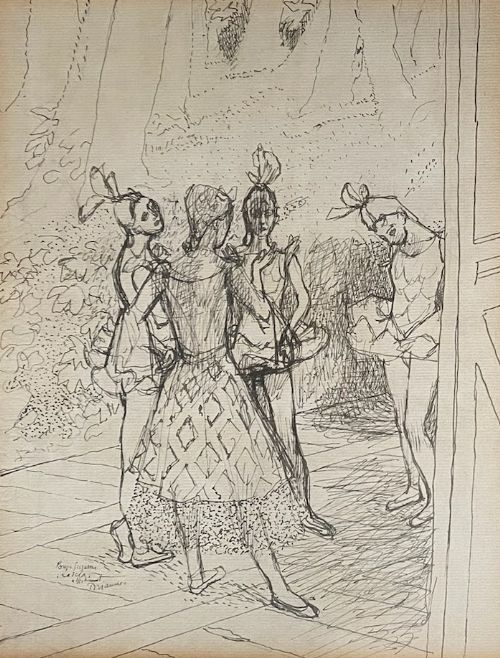
Artists utilised traditional media on paper and canvas, applying oil paint, pastel, watercolour, and ink to record the grace of dancers. Many works combine these materials with fabric mounts and gilt wood frames.
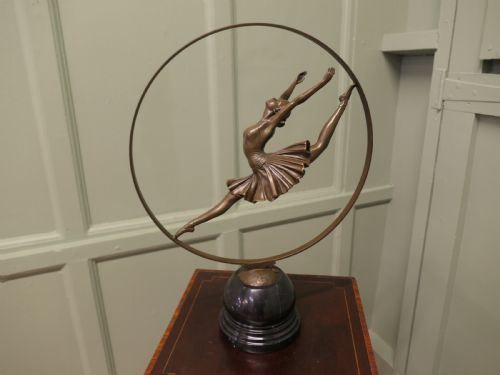
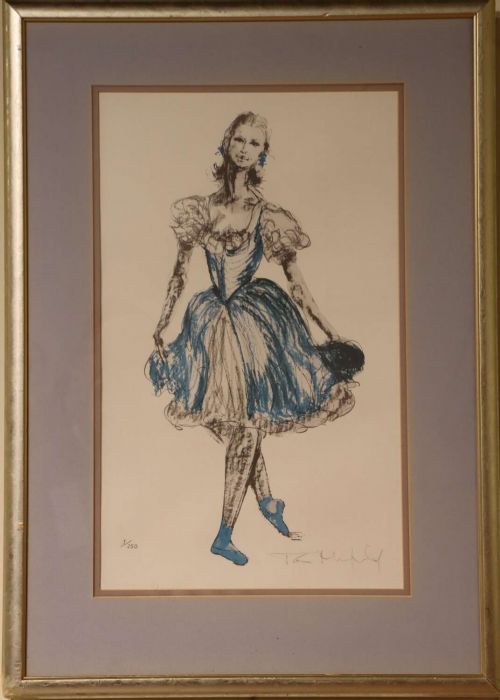
Sculptural pieces take shape in bronze, capturing figurative movement in three dimensions. Printed works include limited edition signed prints and fine art prints produced on paper.
Vintage Ballet Art Retail Price Guide 2026
Typical asking prices for vintage ballet art among the pieces listed under this phrase on Sellingantiques today, from the lower quarter to the upper quarter. They describe what is for sale here now, not the wider market.
Listings feature paper, canvas, glass, and gilt wood, spanning styles from Art Deco to Mid-Century Modern.
What varies in quality
The distinction between standard and superior pieces rests on the directness of the artist's hand and the expressiveness of the line. Original paintings in oil on canvas or pastel on board display a liveliness that lesser decorative reproductions lack.
Framing and preservation also shape the standing of a piece. Works retained in their period frames, such as worn gilt wood, preserve their historical context more effectively than those altered later.
Maurice Brianchon·John Meredith·Léon Bakst·John Merrifield·D.H. Chiparus·David Cox·Igor Talwinski
The Vintage Ballet Art Glossary
- Original drawing
- A unique artwork created directly by the artist using ink, pencil, or charcoal rather than a mechanical reproduction. These pieces offer a direct record of the creator's hand.
- Oil paint
- A slow-drying paint made with pigments suspended in a drying oil, typically linseed. This medium allows for rich colour blending and textured brushwork on canvas or board.
- Pastel
- A dry art medium in the form of a stick, consisting of powdered pigment and a binder. It produces vibrant, velvety surfaces that require framing under glass for protection.
- Art Deco
- A design style that flourished in the 1920s and 1930s, characterised by sleek lines, stylised forms, and modern elegance. It frequently appears in figurative sculpture and works on paper.
- Limited edition
- A set number of prints produced from a single plate or master image, usually signed and numbered by the artist. This ensures scarcity and establishes the print run limit.
Vintage Ballet Art: Frequently Asked Questions
How do I identify a 1950s piece?
Look for mid-century stylistic markers, such as looser brushwork and simplified figurative forms that break away from strict academic realism. The materials and framing often point to mid-century British or European production.
Dates are frequently confirmed by signatures, exhibition records, or accompanying documentation tied to the artist's active working period.
Are these works original paintings?
The selection includes a mix of unique items, such as oil paintings, pastel works, and original ink line drawings. Each of these represents a one-off creation by the artist.
Other listings comprise limited edition signed prints and framed art prints, which are reproducible formats created in controlled quantities.
How should I display framed art prints?
Display these works away from direct sunlight to protect paper, watercolours, and pastel pigments from fading over time. Maintaining a stable indoor environment prevents humidity damage to older frames and mounts.
Choose wall space that complements the scale of the artwork, allowing mid-century pieces to become a natural focal point in a room.