




Vintage Asian Wall Art
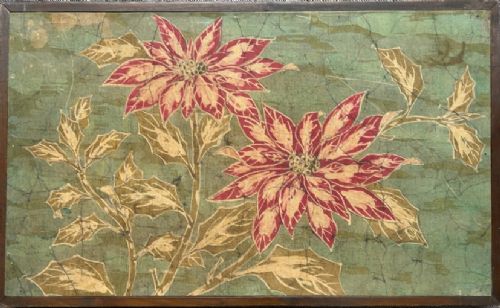
Vintage asian wall art gathers textiles, woodblock prints, embroideries, and lacquered panels spanning the nineteenth and twentieth centuries.
Vintage Asian Wall Art
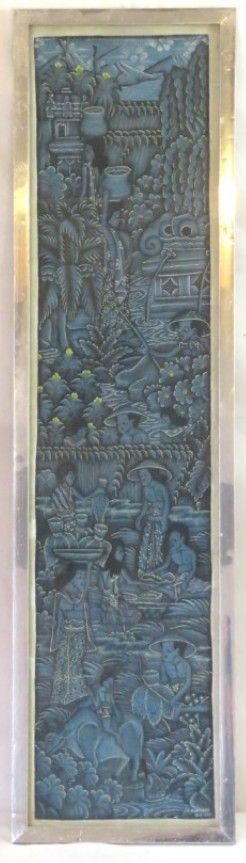
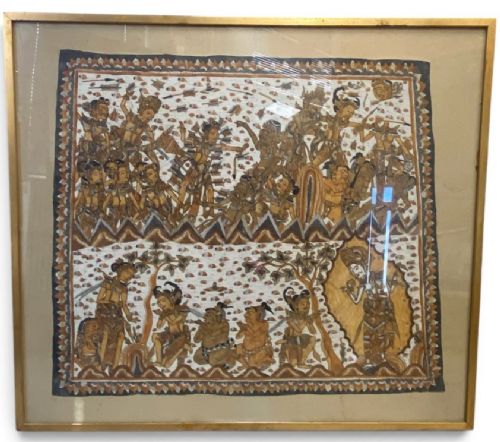
When searching for vintage asian wall art, collectors encounter a diverse range of items including Central Asian tribal textiles, Japanese woodblock prints, Chinese silk paintings, and Balinese canvases. The selection spans the nineteenth century through the mid twentieth century, featuring works originating from regions such as Japan, China, Uzbekistan, Turkmenistan, Bali, and India.
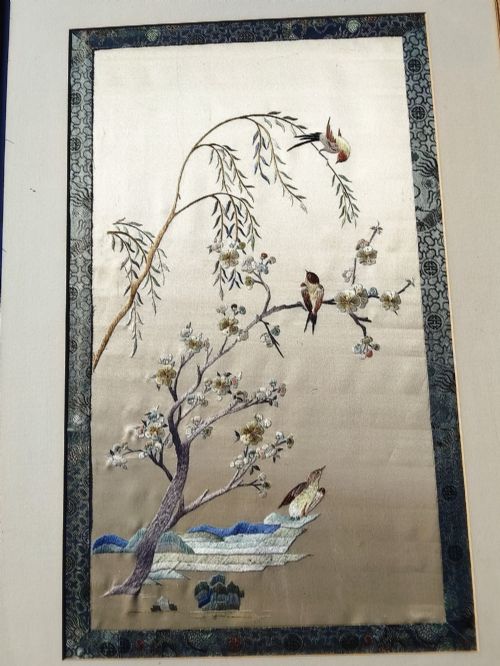
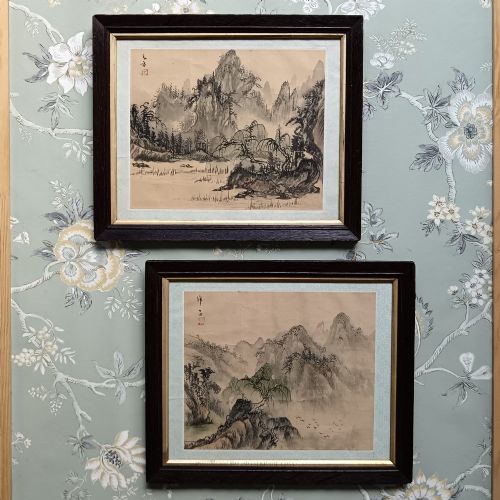
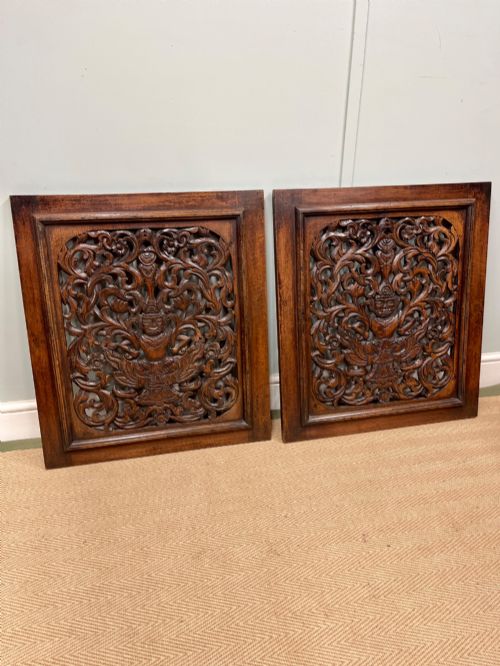
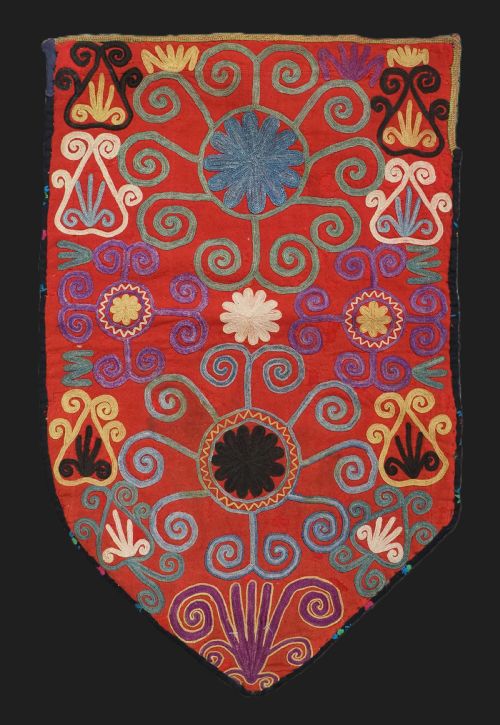
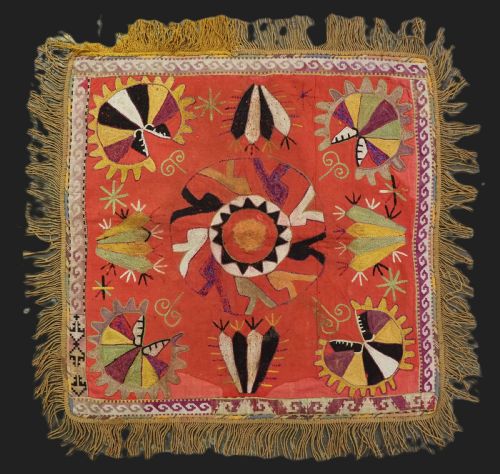
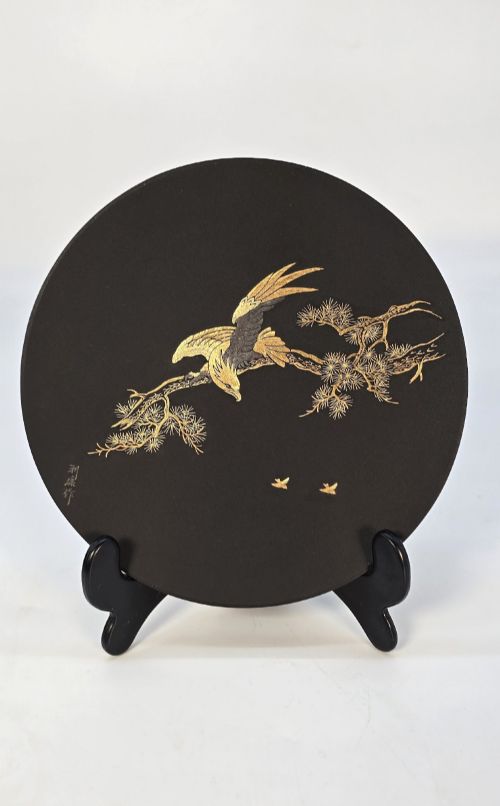
The most common forms met on this page are framed embroideries, woven tribal hangings, and painted panels. Pieces range from Uzbek Lakai tribe ilgich and Turkmen asmalyks to Japanese lacquered plaques and Chinese Shan Shui silk paintings.
Materials and construction methods
Makers utilised organic and mineral substances, applying ink, tempera, and water colour to silk, cotton, paper, and canvas. Textiles often combine wool and silk embroidery threads upon cotton or felt foundations.
Rigid forms employ carved wood, iron, and porcelain substrates enhanced with lacquer, mother of pearl, abalone, gold, and silver inlay. Woodblock prints rely on carved blocks pressed onto paper, whilst metalwork utilises patination and metal inlay techniques.
Vintage Asian Wall Art Retail Price Guide 2026
Typical asking prices for vintage asian wall art among the pieces listed under this phrase on Sellingantiques today, from the lower quarter to the upper quarter. They describe what is for sale here now, not the wider market.
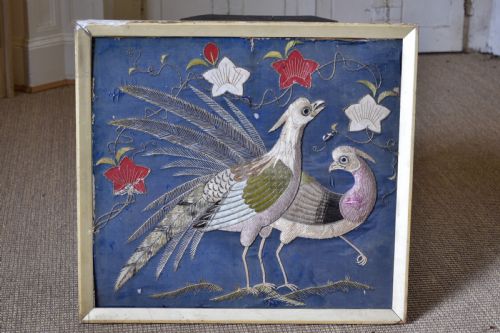
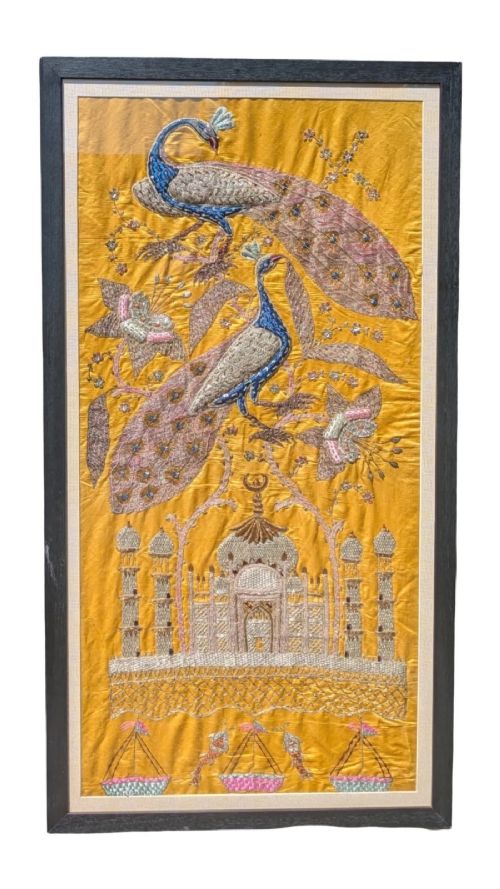
Depictions of the Seven Lucky Gods share space with embroidered peacocks and snow leopards.
Distinctions in quality
Quality varies according to the precision of the execution, the fineness of the materials, and the integrity of the original framing or mounting. Hand painted details, complex embroidery stitches, and detailed metal or shell inlay distinguish superior examples.
The survival of original surfaces, such as patinated iron or unblemished lacquer, elevates a piece. Compositional complexity and condition of the textile fibres or paper supports determine the standing of individual items.
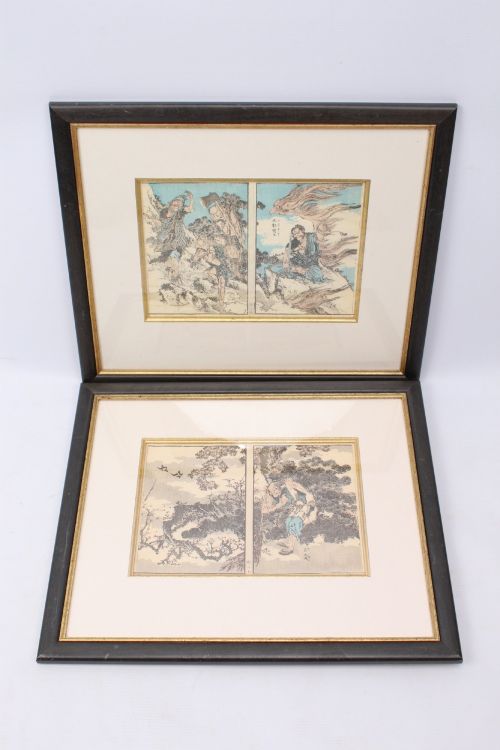
Hokusai·Shiro Katamatsu
The Vintage Asian Wall Art Glossary
- Suzani
- An embroidered tribal textile originating from Central Asia, traditionally made in panels and joined together for domestic use or wall hanging.
- Asmalyk
- A pentagonal or roughly hexagonal trapping produced by Yomut Turkmen tribes, historically used as camel decoration.
- Ilgich
- A dowry embroidery piece created by the Lakai tribe in Uzbekistan, often used as a wall hanging.
- Shan Shui
- Traditional Chinese landscape painting style depicting scenery such as mountains, rivers, and waterfalls using brush and ink.
- Imari
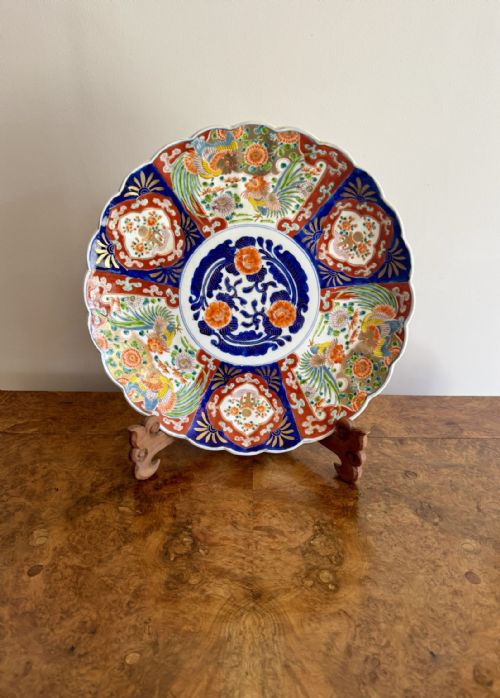
- A type of Japanese porcelain decorated in underglaze blue and overglaze red, gold, and green.
Vintage Asian Wall Art: Frequently Asked Questions
How are Japanese woodblock prints made?
Japanese woodblock prints are created by carving designs into wooden blocks, applying ink or colour pigments, and pressing them onto paper. Artists such as Hokusai and Shiro Katamatsu utilised this method.
The technique allows for multiple impressions and precise alignment of different colour blocks.
What is a suzani textile?
A suzani is a large, embroidered silk or cotton textile made in Central Asian regions such as Uzbekistan and Bukhara. They were traditionally sewn as part of a bride's dowry.
These pieces showcase intricate needlework and were often assembled from separate strips of fabric before being used to adorn domestic interiors.
How should textile wall art be hung?
Tribal textiles and embroideries require careful mounting to distribute weight evenly across the fabric without causing strain. Conservation mounting using non-damaging sleeves or backing boards is standard practice.
Direct sunlight should be avoided to preserve the natural silk and cotton threads from fading.