



Vintage Asian Seating
Vintage asian seating brings together historic forms from across eastern traditions, offering solid timber benches and carved chairs that anchor a room with calm presence.
Vintage Asian Seating
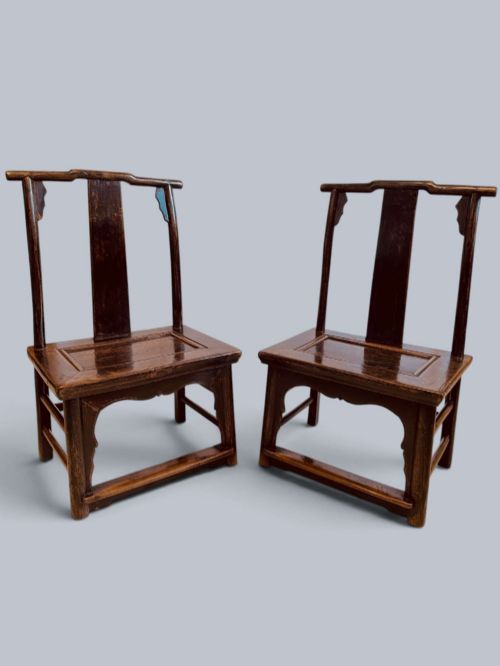
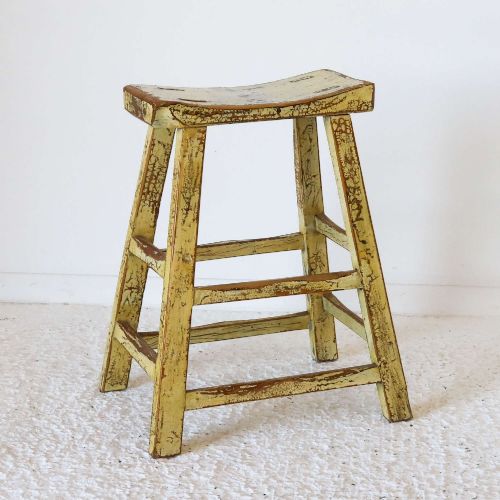
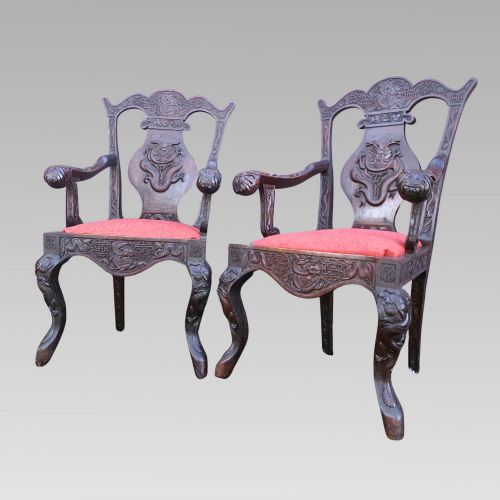
Vintage asian seating encompasses a diverse range of historic forms, from rustic elm stools and hardwood benches to bamboo canework chairs and carved armchairs originating across China, Japan, Tibet, and Southeast Asia. These pieces often serve practical functions while bearing the distinct decorative traditions of periods such as the Qing Dynasty.
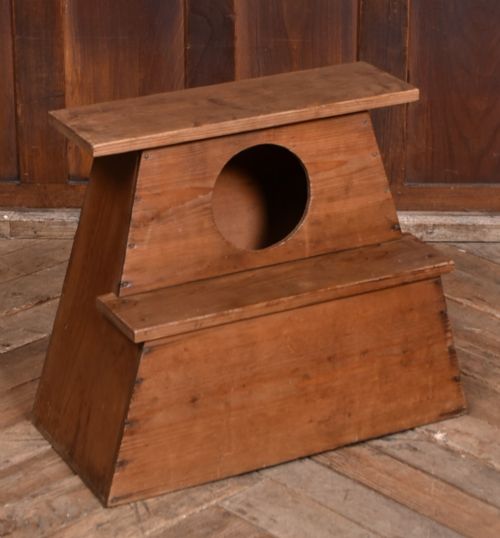
The selections available lean heavily towards traditional Chinese elm and hardwood seating, alongside specialised pieces like Japanese vendor stools and bamboo child carriages. Buyers will frequently encounter sturdy benches and paired armchairs that reflect centuries of regional joinery methods.
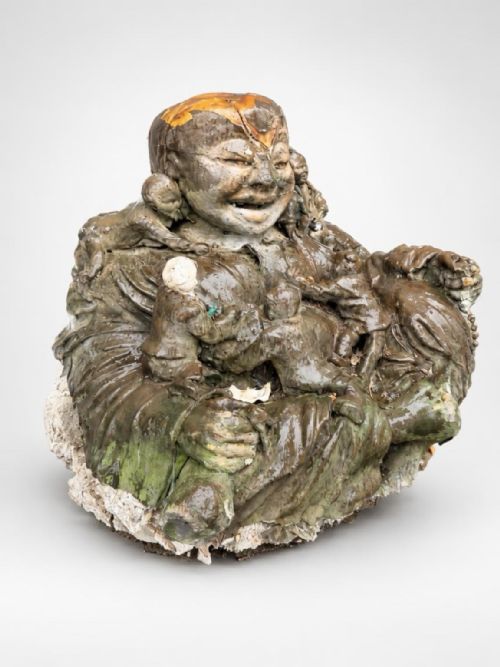
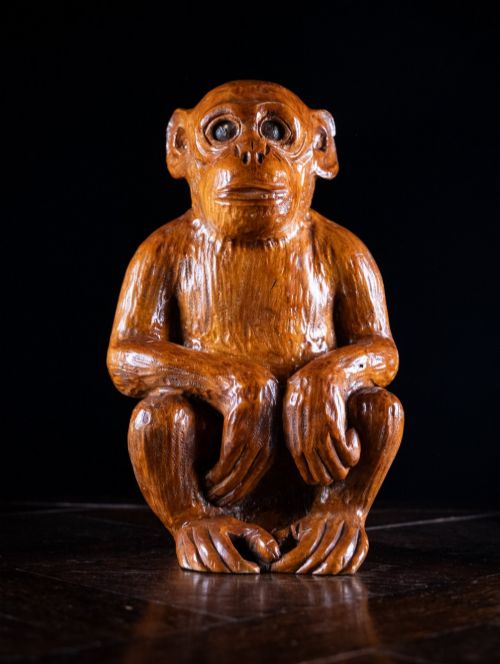
Beyond traditional seating frames, the category also includes figurative seats and sculptural forms, such as wooden elephant seats and decorative footstools finished in black lacquer or natural wood grains. Each piece represents a specific domestic or ritual use, shaped by the material resources of its origin.
Evaluating Quality and Craftsmanship
Quality in these pieces rests upon the integrity of the joinery and the preservation of original surfaces, such as early lacquering or patinated finishes. Superior examples display thoughtful proportions and clean hand-carved details that remain crisp despite age and use.
The choice of timber significantly influences the distinction between standard utility items and finer decorative furniture, with dense hardwoods and well-figured elm commanding greater presence. Consistency in cane work or bamboo binding further separates expertly constructed seating from ordinary pieces.
Vintage Asian Seating Retail Price Guide 2026
Typical asking prices for vintage asian seating among the pieces listed under this phrase on Sellingantiques today, from the lower quarter to the upper quarter. They describe what is for sale here now, not the wider market.
The Vintage Asian Seating Glossary
- Elm
- A durable hardwood native to China, frequently utilised for traditional rustic stools and armchairs due to its resilient grain.
- Lacquer
- A protective and decorative coating derived from tree sap, applied in multiple layers to surfaces such as black lacquered footstools.
- Canework
- A weaving technique employing split rattan or plant stems to create flexible seating surfaces within bamboo or wooden frames.
- Qing Dynasty
- The final imperial dynasty of China, associated with ornate carved woodwork and formal armchair designs seen in the period.
Vintage Asian Seating: Frequently Asked Questions
How do I care for antique wooden seats?
Maintain these pieces by keeping them away from direct heat sources and sudden humidity changes, which can cause timber to split or lacquer to lift. Dust gently with a dry cloth and apply a microcrystalline wax sparingly only if the wood appears dry.
Avoid using modern liquid polishes or silicone-based cleaners, as these can degrade original historic finishes over time. Allowing the wood to breathe preserves the natural patina developed across decades of use.
Are these chairs comfortable for daily use?
Many traditional designs focus on upright posture and sturdy wooden construction rather than deep modern upholstery. Solid timber benches and armchairs provide firm support suited for hallways, dining spaces, or accent seating.
Adding a simple loose cushion can adapt firmer wooden seats for longer periods of sitting without altering the historic frame. The durability of hardwoods ensures these pieces remain structurally sound for everyday living.
How can I tell older Chinese chairs apart?
Age is typically indicated by traditional joinery methods that utilise interlocking wooden pegs rather than metal fasteners or modern glues. Examining the wear patterns around footrests and armrests reveals how the timber has aged naturally through handling.
Surface finishes also offer clues, as genuine older pieces often display a soft, accumulated patina rather than uniform modern varnishes. Grain visibility and minor irregularities from hand-working point towards traditional workshop origins.
What is the difference between bamboo and hardwood seating?
Bamboo seating utilises lightweight, flexible stems bound together to form airy frames and woven surfaces suited for lighter duties or transportable items. These pieces offer a distinct textural element compared to dense timber furniture.
Hardwood and elm furniture provides substantial weight, rigid structural support, and deep grain patterns designed for permanent placement in main rooms. Each material reflects different regional availability and domestic requirements across Asia.