








Vintage Asian Chairs
These vintage asian chairs bring centuries of craftsmanship and rich timber into a room, offering both bold statement seating and everyday utility.
Vintage Asian Chairs
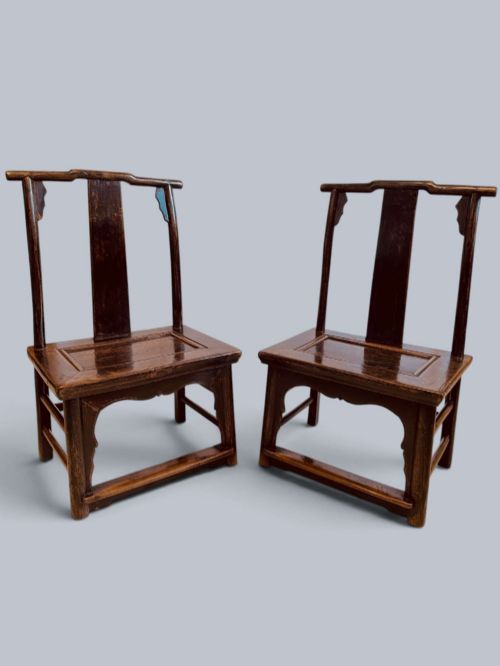
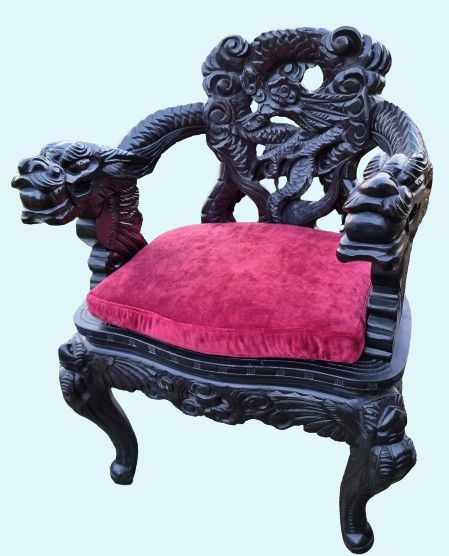
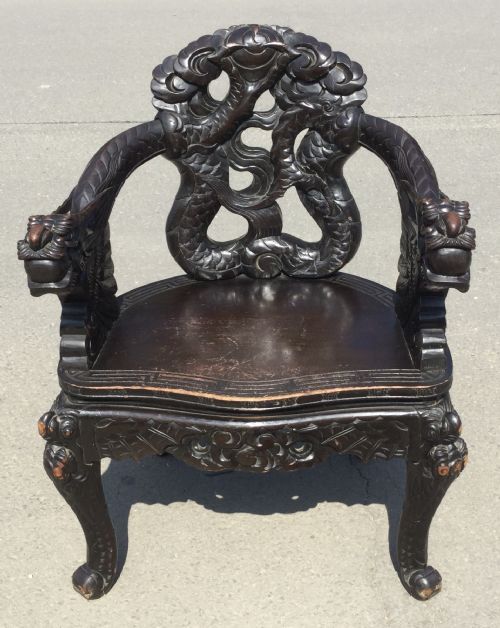
When you search for vintage asian chairs, you encounter a diverse selection of seating ranging from nineteenth century Qing dynasty dragon armchairs to nineteenth century blonde wood benches and elm armchairs. The pieces on this page span several notable periods including the eighteenth century, nineteenth century, eighteen eighty, and nineteen twenty, reflecting centuries of traditional design.
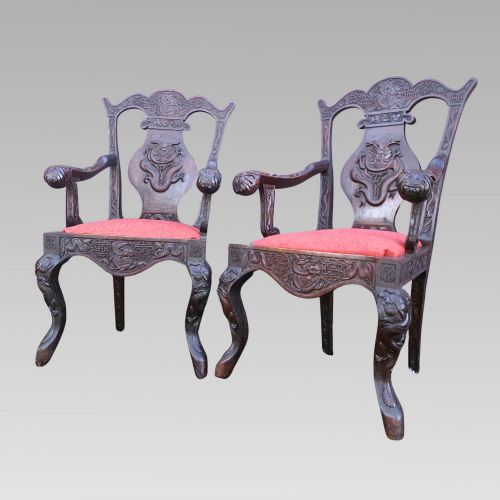
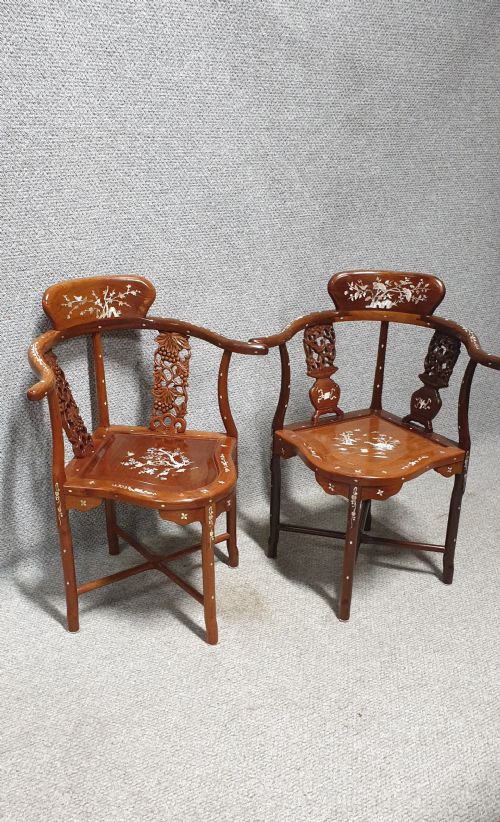
You will most commonly meet side chairs, armchairs, hall chairs, corner chairs, and benches constructed in various regional and export styles. These include Chinese folk art, Chinese export, Anglo-Indian, Chinoiserie, and Qing dynasty style, offering distinct silhouettes for both formal and casual spaces.
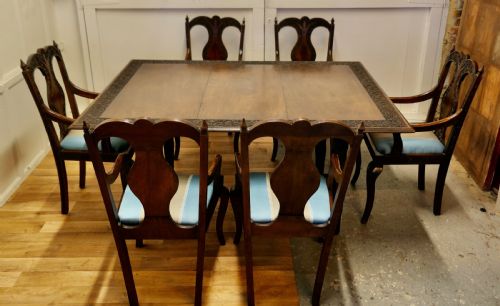
The assortment includes specialised forms like horseshoe or wishbone back arm chairs, concubine chairs, and day beds or stargazers chairs. Alongside individual seating and pairs, larger groups appear such as dining sets comprising a carved dining table and multiple chairs.
Materials and Construction
The makers of these chairs utilised robust timbers such as hardwood, dark hardwood, blonde wood, and elm, ensuring structural longevity and distinctive grain patterns. Lacquer finishes and carved wood details add decorative depth, while cane, fabric, and velvet provide textured seating surfaces.
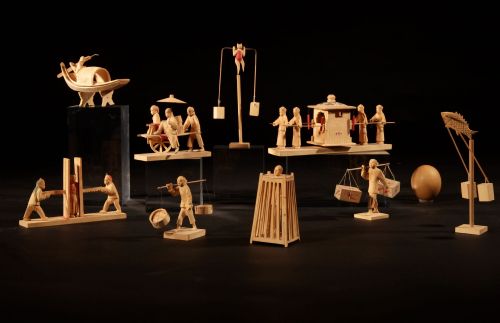
Carpentry techniques prioritised traditional joinery to support elaborate wood carvings depicting motifs like dragons and scenes of daily life. Natural materials like bamboo also appear, shaping lightweight yet sturdy frames for canework seating.
Vintage Asian Chairs Retail Price Guide 2026
Typical asking prices for vintage asian chairs among the pieces listed under this phrase on Sellingantiques today, from the lower quarter to the upper quarter. They describe what is for sale here now, not the wider market.
Periods represented span from the eighteenth century through to nineteen twenty.
Assessing Quality and Execution
The distinction between standard examples and the finest pieces rests upon the crispness and depth of the carved wood details. Superior items exhibit sharply defined motifs, such as intricate dragon carvings or figures depicting daily life, executed with complete control over the material.
Timber selection and frame integrity further separate the range, with dense hardwoods and well-seasoned elm providing superior stability compared to simpler utility pieces. The quality of integrated canework, lacquer application, or textile upholstery also dictates the refinement of the finished chair.
The Vintage Asian Chairs Glossary
- Qing Dynasty
- The final imperial dynasty of China, spanning from sixteen forty-four to nineteen twelve, known for elaborate woodwork and formal seating designs.
- Chinoiserie
- European decorative style reflecting Chinese artistic influences, frequently applied to furniture and interiors during the eighteenth and nineteenth centuries.
- Horseshoe Back
- A traditional chair design featuring a continuous curved crestrail that sweeps downward to form the armrests.
- Canework
- Woven rattan or bamboo material utilised for chair seats and backs, offering flexible and breathable support.
Vintage Asian Chairs: Frequently Asked Questions
What periods do these chairs come from?
The pieces span several eras, reaching back to the eighteenth century and nineteenth century, alongside items dated to eighteen eighty and nineteen twenty.
This broad timeline encompasses multiple stylistic phases, from imperial Qing dynasty output to later twentieth century interpretations.
How do I distinguish between armchairs and hall chairs?
Armchairs feature integrated armrests designed for relaxed seating, often seen in forms like horseshoe backs or concubine chairs.
Hall chairs generally lack arms and possess upright profiles intended for occasional use in corridors or formal entryways.
Where should I place a day bed or stargazers chair?
These unusual reclining pieces suit spacious living areas, studies, or sunrooms where their extended platforms can be fully appreciated.
They function well as standalone statement furniture that invites restful lounging.
What woods were commonly used?
Builders relied heavily on resilient timbers including standard hardwood, dark hardwood, elm, and blonde wood.
These materials were chosen for their structural strength and capacity to hold intricate carved details.