



Vintage Asian Art
Vintage asian art encompasses diverse crafted objects and textiles originating across eastern traditions, offering tactile history and visual depth for interior spaces.
Vintage Asian Art
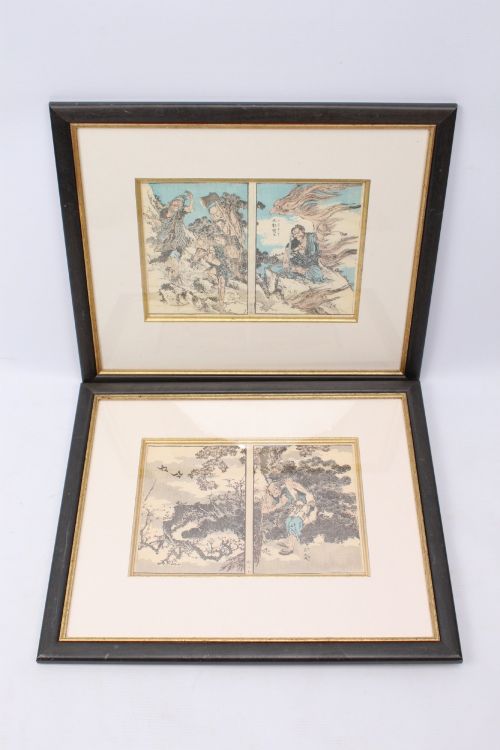
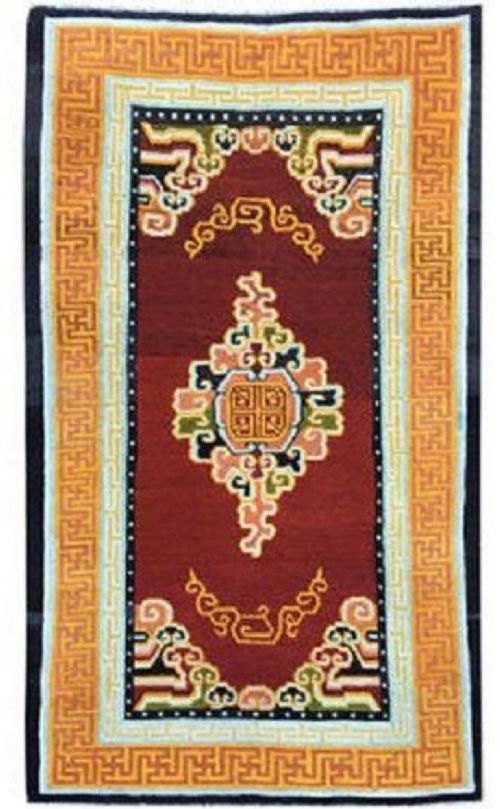
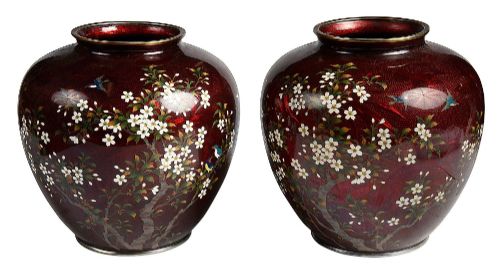
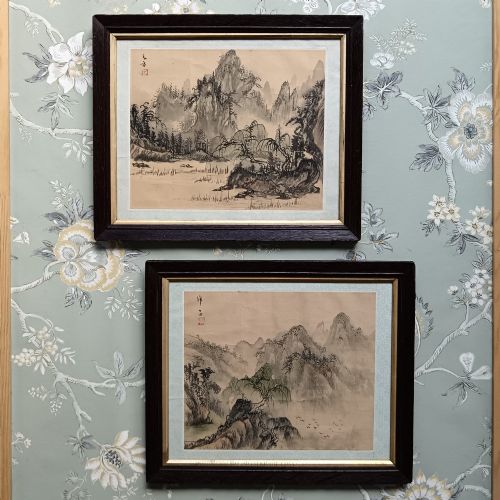
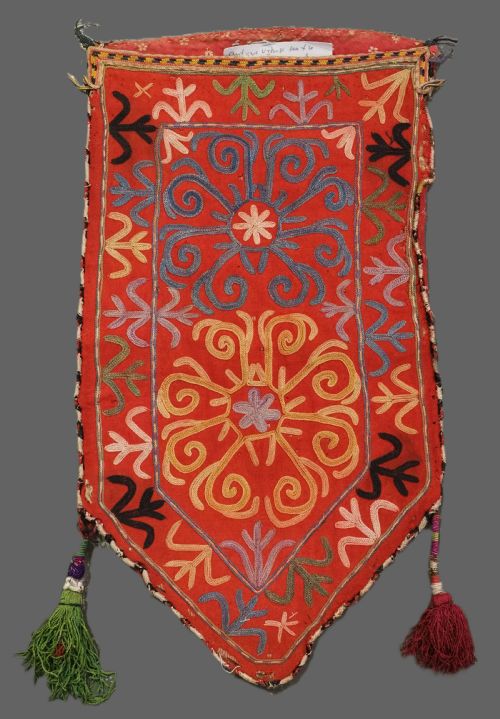
Vintage asian art comprises a broad array of decorative and utilitarian items spanning textiles, ceramics, metalwork, and paintings. When exploring vintage asian art, buyers encounter items ranging from Central Asian tribal embroideries and Turkmen wall trappings to Japanese enamel vessels, woodblock prints, and Chinese silk paintings.
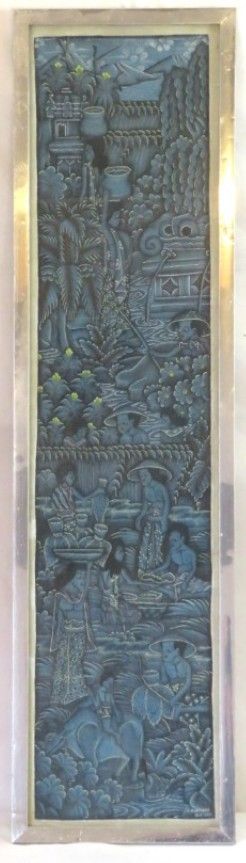
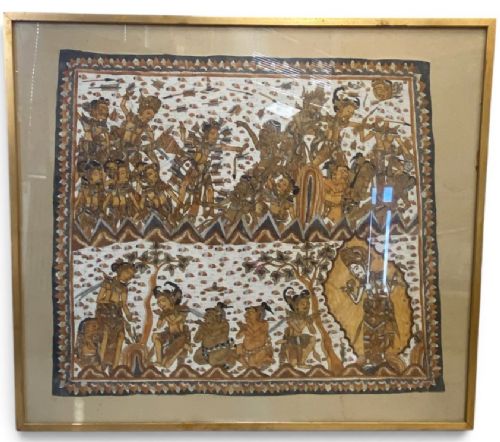
The selection reflects varied cultural traditions from nineteenth-century origins through the mid-twentieth century. Wall hangings, framed panels, vases, and sculptures dominate the current gathering, representing distinct regional aesthetics from Japan, China, Central Asia, and Bali.
Materials and construction
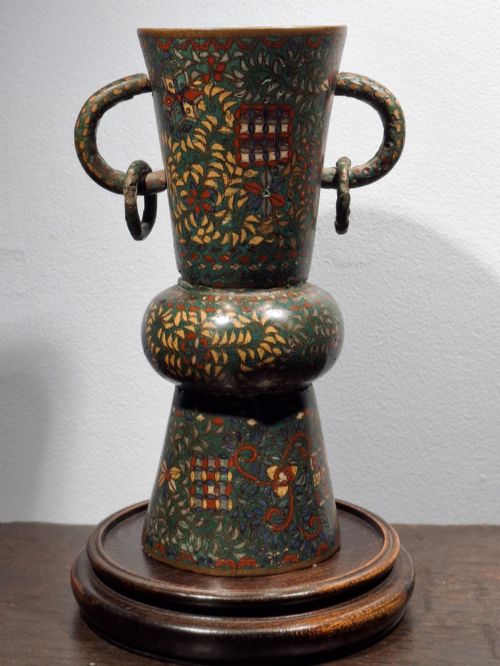
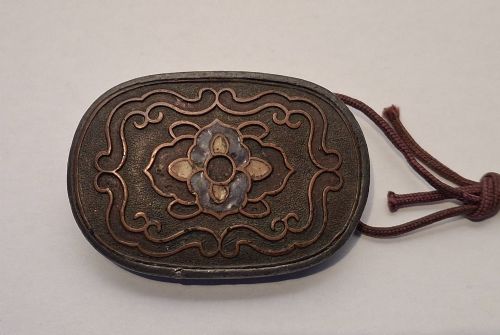
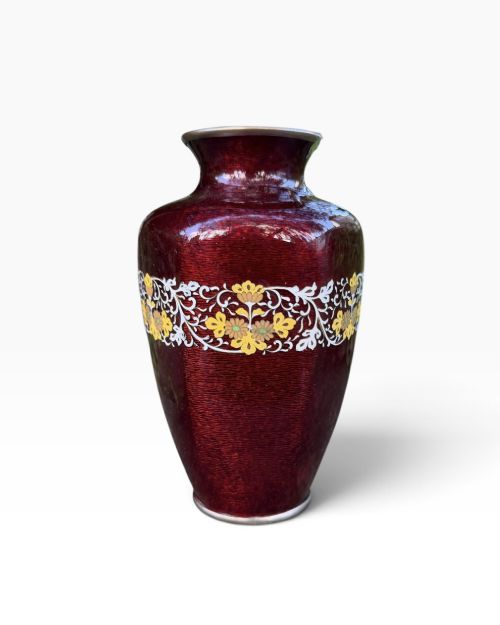
Makers utilised organic and mineral substances, combining silk and cotton textiles with wool, wood, glass, and lacquer. Metalwork frequently employs copper bases decorated with intricate enamel techniques like cloisonné and champlevé, alongside patinated bronze and iron with precious metal inlay.
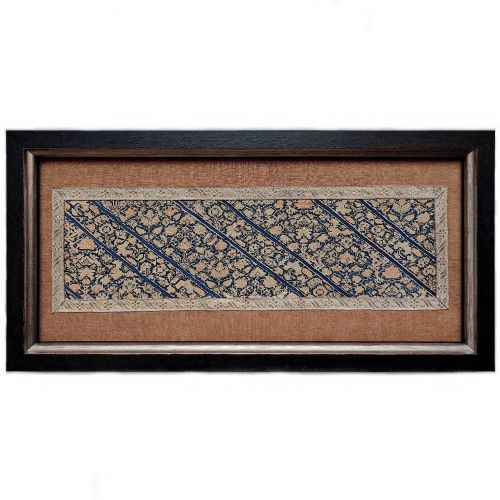
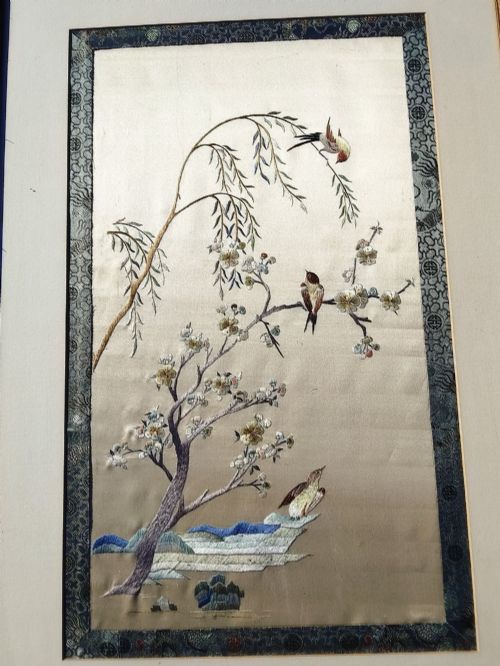
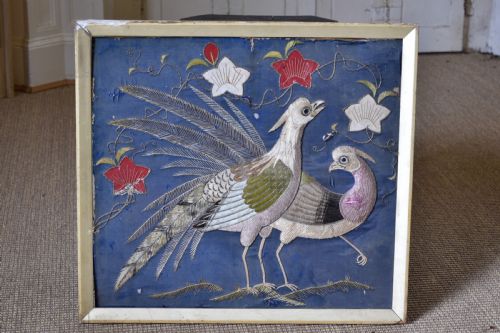
Textile works demonstrate complex needlework traditions, including dense embroidery on silk or cotton grounds alongside traditional batik methods. Pigments appear extensively in watercolours, scrolls, and woodblock prints executed on paper or fabric.
Vintage Asian Art Retail Price Guide 2026
Typical asking prices for vintage asian art among the pieces listed under this phrase on Sellingantiques today, from the lower quarter to the upper quarter. They describe what is for sale here now, not the wider market.
One tiny cloisonné ritual vase from the nineteenth century packs enough microscopic wirework into its miniature frame to test the patience of a saint.
Judging the execution
Quality rests upon the precision of the handwork and the integrity of the materials. In cloisonné and metal inlay, the crispness of the wirework and the smoothness of the finished surface distinguish superior examples from standard production.
For textiles and paintings, the fineness of the thread count, the complexity of the polychrome palette, and the preservation of the original pigments dictate the standing of a piece within its category.
The Vintage Asian Art Glossary
- Cloisonné
- A metalwork technique where thin metal wires are soldered to a base to form compartments filled with enamel paste before firing. This method creates intricate patterned designs across vases and small ritual objects.
- Ilgich
- An embroidered dowry hanging produced by the Lakai tribe in Central Asia. These pieces feature energetic geometric applique work on dark fabric grounds.
- Imari
- A style of Japanese porcelain decorated in underglaze blue and overglaze iron red, gold, and other colours. It represents a major export tradition originating from the Edo period.
- Woodblock print
- An image carved into a wooden block, inked, and transferred onto paper by hand pressure. Japanese examples from Meiji and later periods often utilise multi-block colour printing.
Vintage Asian Art: Frequently Asked Questions
How do I hang a textile securely?
Heavy textiles and tribal trappings benefit from custom sleeve mounts stitched along the reverse edge by a conservator. This distributes the overall weight evenly across a concealed wooden batten.
Direct pinning or nailing damages the fabric fibres and compromises the structural integrity of antique silk and wool embroidery.
Where should I place enamel vases?
Enamel pieces require stable indoor environments away from direct sunlight to preserve the rich tones of the glass paste. Displaying them on dedicated shelves or cabinets protects their delicate rims from accidental knocks.
Keep these vessels clear of high humidity and sudden temperature fluctuations to prevent stress on the underlying metal bases.
How do I identify a woodblock print?
Examine the paper surface closely under magnification to check for subtle impressions left by the carved blocks and the presence of natural bleeding pigments. Authentic prints often show slight grain texture from the original paper stock.
Look for marginal stamps or signatures left by the artist or publisher, though many traditional sheets remain unsigned.
Can I clean antique silk paintings?
Water and standard cleaning agents damage fragile silk grounds and dissolve historic watercolours or pigments instantly. Surface dust should only be removed very gently with a soft, clean brush by a specialist.
Professional textile conservators must handle any deeper remediation or structural mounting requirements for framed scrolls and panel art.