

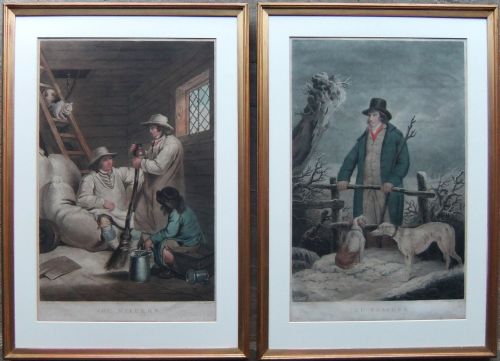
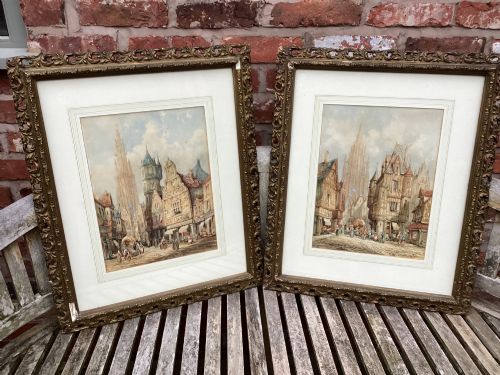
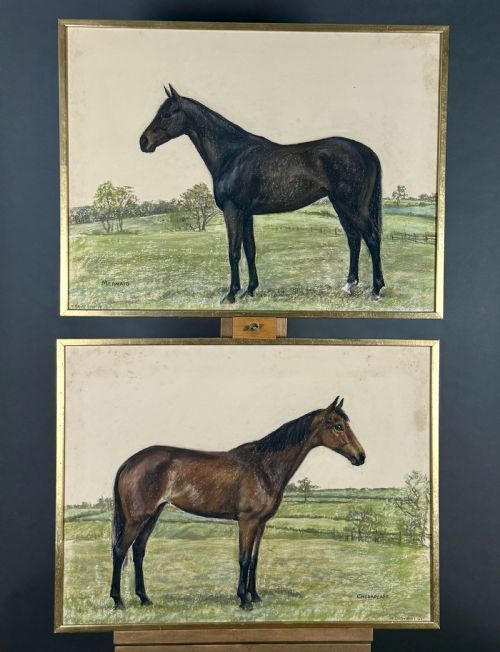
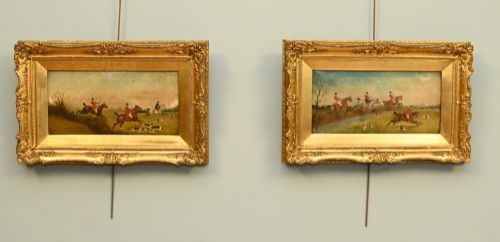
Vintage Artwork Pair
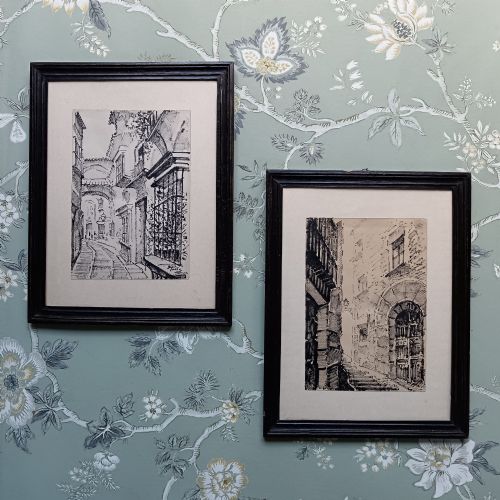
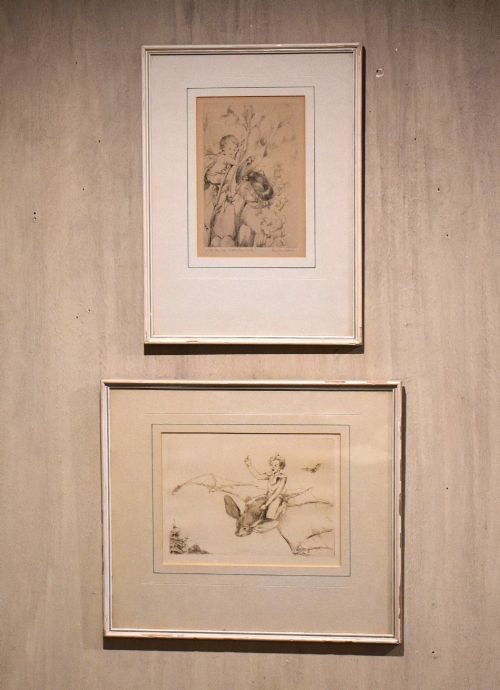
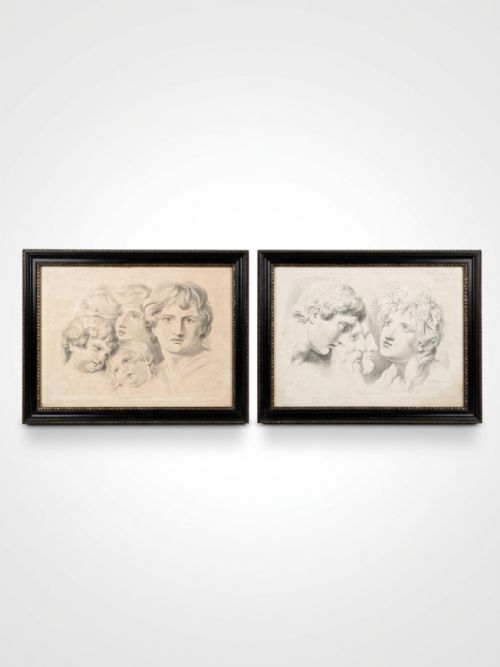
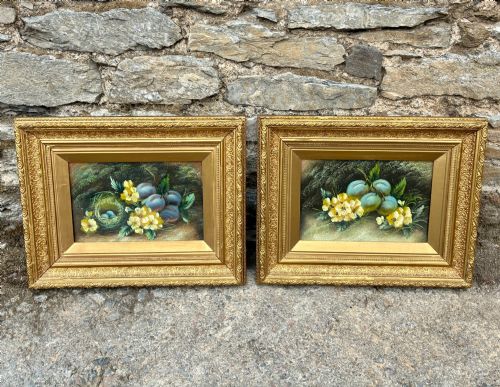
A vintage artwork pair brings balanced composition and matched narrative to a wall, offering dual pieces created to hang in harmony.
Vintage Artwork Pair
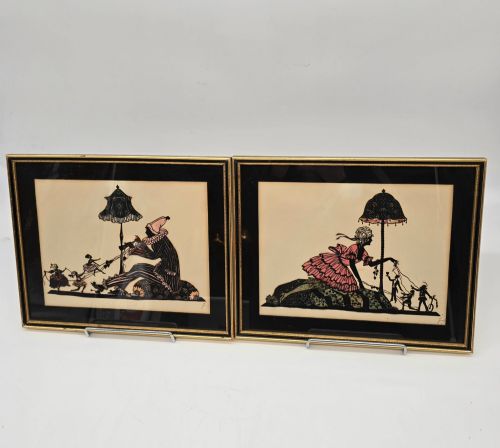
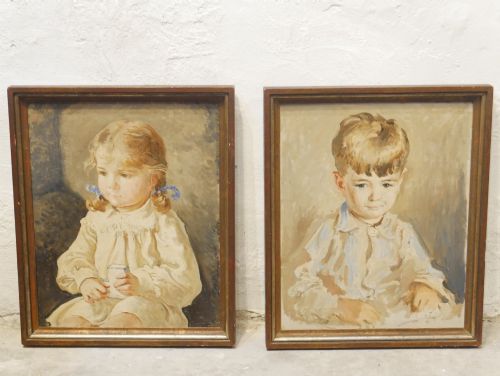
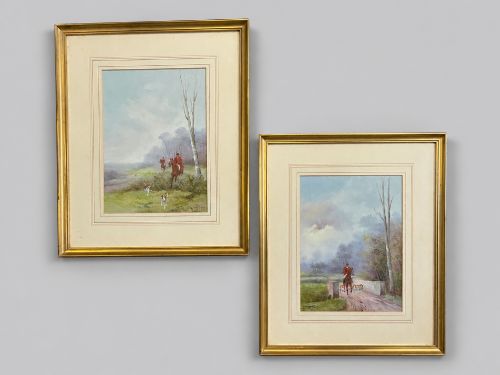
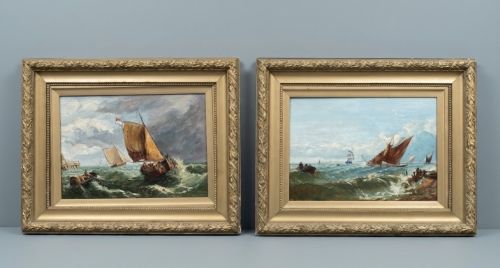
A vintage artwork pair consists of two matching visual pieces created to be displayed together, such as companion landscapes, portraits, or printed studies. When searching for a vintage artwork pair, buyers encounter diverse formats ranging from nineteenth-century oil paintings and watercolours to mid-century ink drawings and decorative prints.
The selection spans periods from the Victorian era through Edwardian times to the mid-twentieth century, encompassing British, European, and Asian traditions. Common configurations include equestrian scenes, still-life studies, marine views, and portraiture created by named artists or studio workshops.
Companionship defines these groupings, whether they depict sunrise and sunset, seasonal changes, or symmetrical subjects designed for architectural balance. Buyers often find them mounted in period frames of giltwood, gesso, or rosewood that complement the artwork.
Materials and methods
Makers utilised traditional supports including canvas stretched over wooden frames, heavy-weight paper, silk, and wood panels. Pigments were applied as oil paint, watercolour, pastel, ink, or gouache, while prints employed woodblock techniques or photographic transfer methods.
Framing forms an integral part of the construction, utilising gilded gesso mouldings, rosewood veneers, or lacquered panels often inlaid with mother-of-pearl and abalone. Conservation of these materials requires stable indoor humidity to protect paper, canvas, and wooden elements from warping or fading.
Vintage Artwork Pair Retail Price Guide 2026
Typical asking prices for vintage artwork pair among the pieces listed under this phrase on Sellingantiques today, from the lower quarter to the upper quarter. They describe what is for sale here now, not the wider market.
Even nineteenth-century ducks and chickens warranted a matched set, proving that farmyard poultry have long enjoyed formal portraiture.
Assessing craftsmanship
Quality rests upon the skill of the draftsmanship or brushwork, distinguishing master artists and trained portraitists from commercial copyists. Handling of light, perspective, and anatomical proportion in subjects like horses, figures, and marine vessels marks the higher end of production.
The integrity of the original framing and the preservation of the surface - whether oil, watercolour, or silk - determines the desirability of the pair. Matched condition between both pieces ensures visual harmony on the wall, as uneven fading or mismatched mounting disrupts the pairing.
Emily Eyres·Abraham Hulk I·Philip Henry Rideout·John Frederick Herring Jnr·Clarence Henry Roe
The Vintage Artwork Pair Glossary
- Gesso
- A plaster-like mixture applied to wood or canvas as a base for paint or moulded into decorative relief frames. It provides a smooth surface for gilding.
- Woodblock print
- An image carved into a wooden block, inked, and transferred to paper by pressure. This technique underpins traditional Japanese graphic works.
- Giltwood
- Wood carved and coated with a thin layer of gold leaf or metallic powder. It is commonly found on decorative nineteenth-century frames.
- Pastel
- A dry drawing medium composed of powdered pigment and a binder, pressed into stick form. It produces velvety surfaces seen in portrait and equestrian studies.
- Shan Shui
- Chinese landscape painting style representing scenery using brush and ink. These works often appear on silk panels.
- Trompe l'oeil
- An artistic technique that creates optical illusions of three-dimensional space. It is frequently employed in decorative ceiling and wall panels.
Vintage Artwork Pair: Frequently Asked Questions
How should I hang a matching pair?
Hang the two pieces at eye level with consistent spacing between them to maintain visual balance. Aligning the centre points ensures the composition relates correctly to surrounding furniture.
Keep them away from direct sunlight to prevent uneven fading of watercolours, oils, or paper supports over time.
What subjects are most common?
Landscapes, marine views, portraits, and sporting scenes dominate these groupings. Artists frequently produced companion pieces capturing contrasting times of day, seasonal shifts, or paired characters.
Decorative prints and lacquered panels also appear, offering botanical and avian themes suitable for domestic interiors.
How do I identify the period?
Examine the framing materials, backing boards, paper types, and signatures where available. Victorian and Edwardian works often feature heavy gesso frames, while mid-century pieces show cleaner modernist lines.
Stylistic conventions in clothing, hair, and brush technique provide further clues to the decade of creation.
Are original frames important?
Original frames preserve the historical context and aesthetic intent of the maker. Swept giltwood, rosewood, and lacquered borders enhance the visual weight of the art.
While replacement frames can protect fragile works, period-matching surrounds are preferred by collectors.