


Vintage Artwork Decor
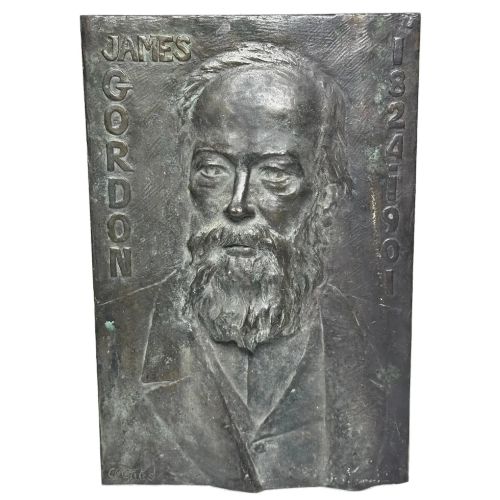
Vintage artwork decor brings character to walls through historical paintings, watercolours, prints, and framed reliefs spanning multiple centuries.
Vintage Artwork Decor
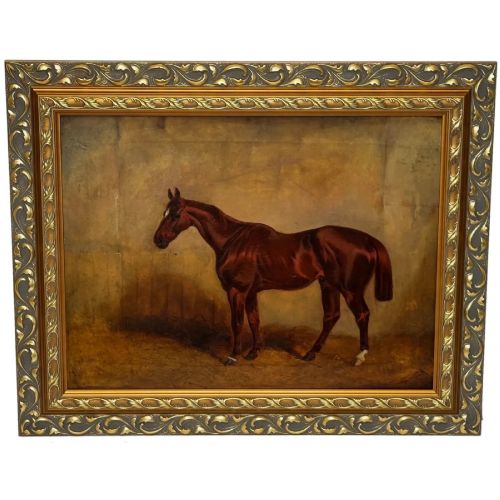
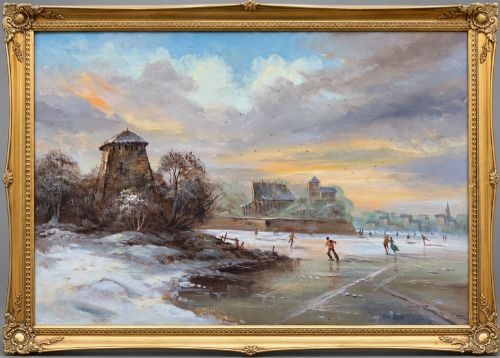
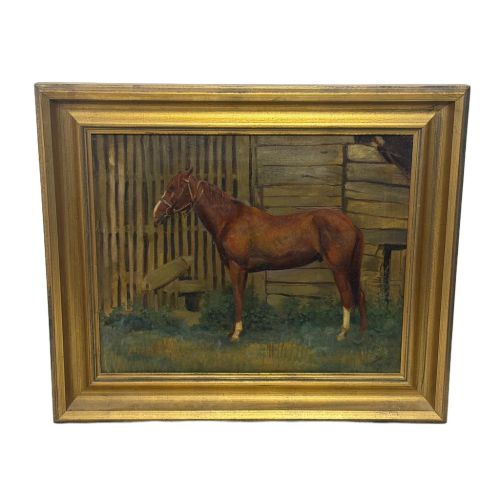
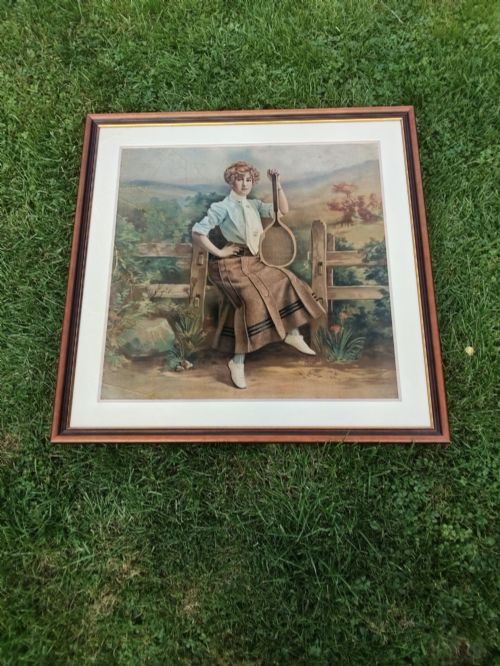
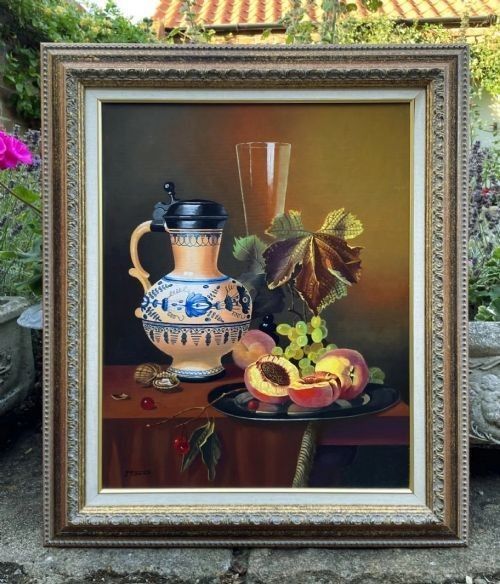
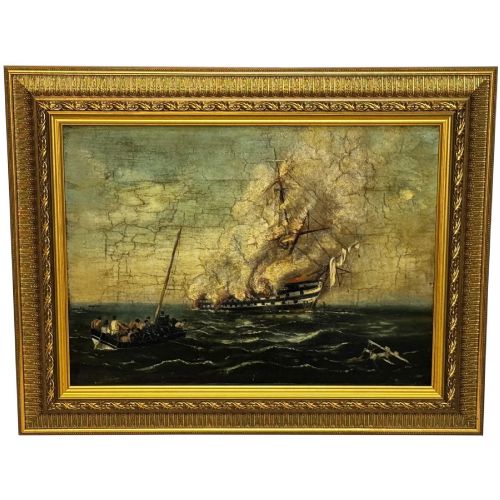
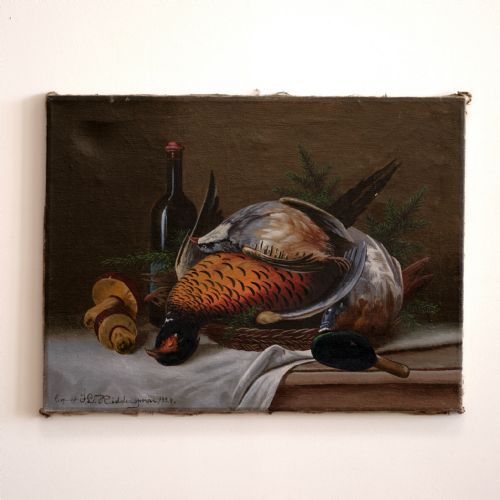
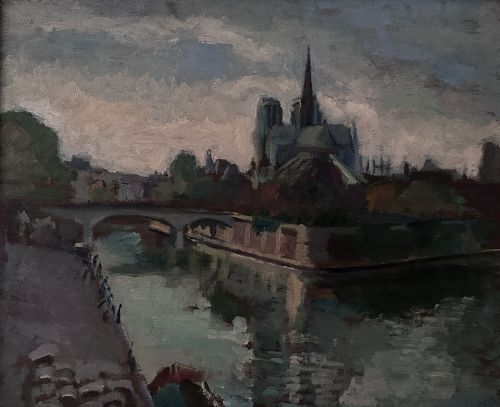
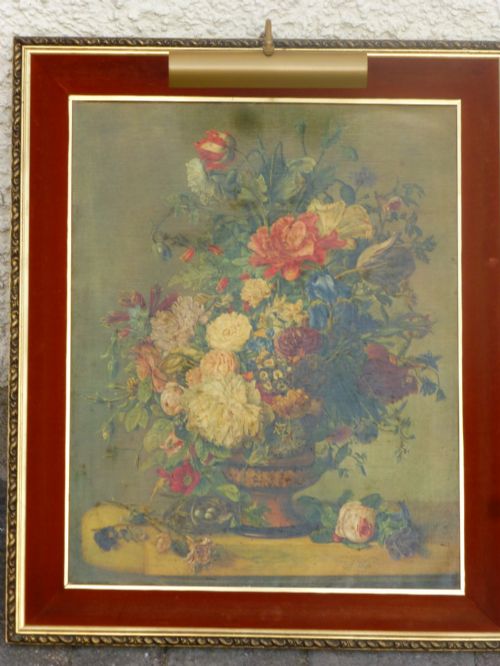
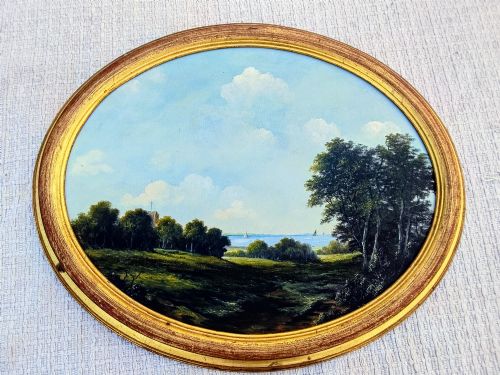
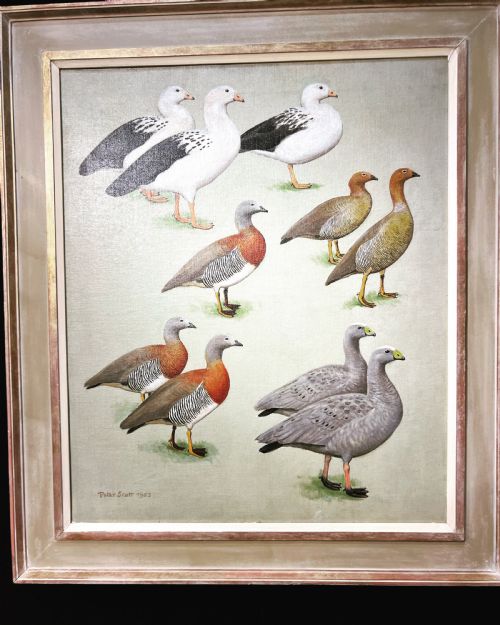
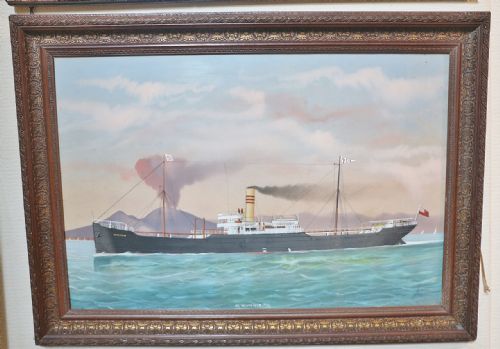
Vintage artwork decor encompasses framed oil paintings, watercolours, drawings, prints, and plaques spanning the Georgian, Victorian, Edwardian, and mid-century periods. These pieces range from maritime scenes and sporting animal studies to landscape views and character portraits.
Buyers encountering this selection most frequently meet mid-century canvas works, Edwardian watercolours, and Victorian oil paintings in original wood or gilt frames. These items provide authentic period wall decoration originating from diverse British and continental workshops.
Materials and construction
The pieces rely on traditional media such as oil paint on canvas, watercolour and gouache on paper, chalk, and pastel, alongside printed paper techniques like lithography and engraving. Canvases are stretched over wooden supports, while works on paper utilise protective glass glazing.
Frames employ wood, often enhanced with gilt finishes, or walnut and Hogarth mouldings to secure and display the artwork. Pastels and watercolours sit behind glass to prevent atmospheric damage to the fragile pigments.
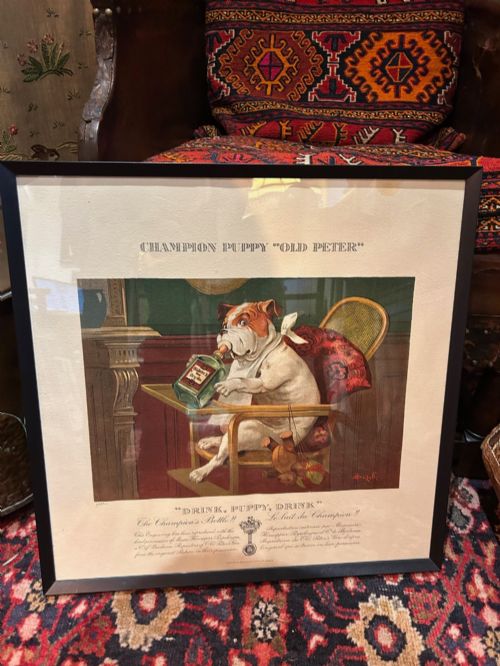
Canine subjects appear frequently across the decades, capturing everything from working stable dogs to relaxed pets sharing domestic spaces.
Assessing quality and merit
Quality rests upon the skill of the brushwork or draftsmanship, the integrity of the original surface, and the harmony between the image and its period frame. Works showing confident handling of light, form, and subject matter stand apart from generic decorative pieces.
The survival of original framing, intact glazing, and legible artist signatures or attributions elevate a piece. Greater artistic ambition in composition distinguishes works produced by trained painters from routine commercial prints.
Alfred Young Nutt·Marcellin Auzolle·Albert Clark·Charles Edward Wilson·Cecil Charles Windsor Aldin·Denis Mitchell·James Tower·Edward Matthew Elliott·Helen Layfield Bradley
The Vintage Artwork Decor Glossary
- Oil on Canvas
- A painting technique where pigments suspended in drying oil are applied to stretched fabric. This medium allows for rich colour depth and textured impasto application.
- Watercolour Painting
- A method where water-soluble pigments are applied to paper to create translucent washes of colour. It is frequently paired with pencil or ink underdrawings.
- Gilt Wood
- Timber treated with a thin layer of gold leaf or metallic powder applied to its surface. This finish provides a reflective decorative border for frames.
- Lithograph
- A print produced from a flat stone or metal plate treated to repel and accept ink selectively. The process enables faithful reproduction of original drawings.
- Impasto
- Paint applied in thick strokes that stand out noticeably from the canvas surface. This technique adds tactile dimension and captures light dynamically.
Vintage Artwork Decor: Frequently Asked Questions
How do I date an antique oil painting?
Dating relies on examining the canvas weave, the stretcher construction, the formulation of the pigments, and the style of the framing. Older pieces often display hand-hewn stretchers and oxidised varnishes that darken over decades.
Secondary clues include artist signatures, gallery labels, and inscriptions on the reverse of the canvas or wood panel. Comparing stylistic elements with documented works from specific periods helps narrow the timeframe further.
What is the difference between an engraving and a print?
An engraving is created by cutting lines directly into a metal plate with a sharp tool called a burin, resulting in crisp, raised lines when pressed onto paper. Other print types, such as lithographs, rely on chemical processes rather than physical incisions.
Both methods allowed popular imagery to be shared widely during the nineteenth and early twentieth centuries. Examining the surface with a magnifying glass reveals the characteristic ink patterns of each technique.
How should I hang framed antique art?
Select an interior wall that avoids direct sunlight and heavy moisture to protect the paper, canvas, and wooden frame. Use appropriate wall fixings rated to support the combined weight of the artwork and its glass.
Position the centre of the piece at eye level to replicate gallery display standards. Ensure the hanging wire or brackets on the reverse are secure before mounting.