




Vintage Arts Crafts Necklace
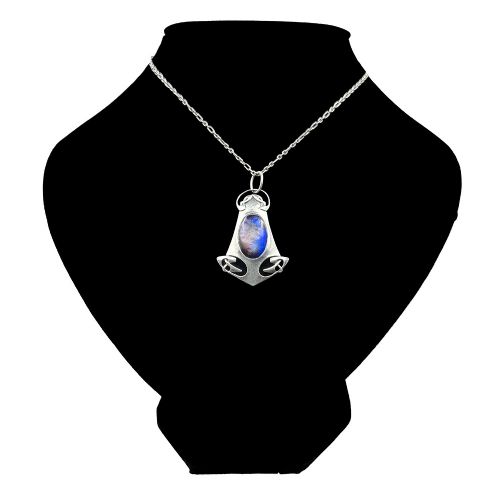
These vintage arts crafts necklace pieces unite hand-wrought silver with luminous stones and enamel, offering buyers a tangible piece of early twentieth-century design.
Vintage Arts Crafts Necklace
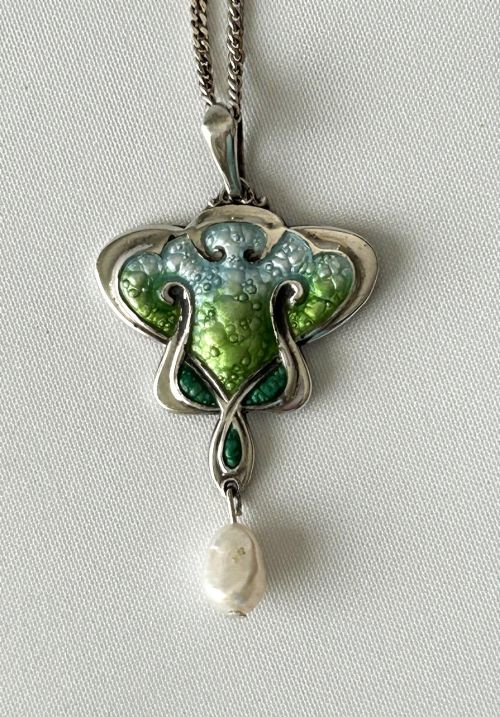
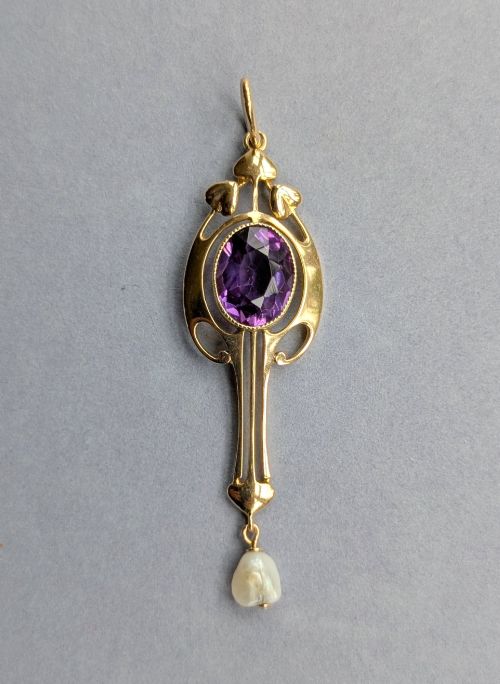
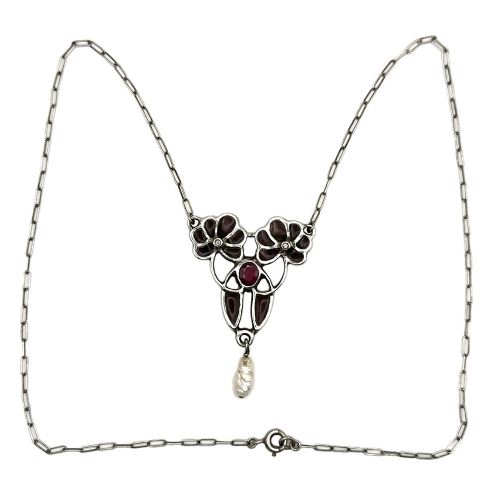
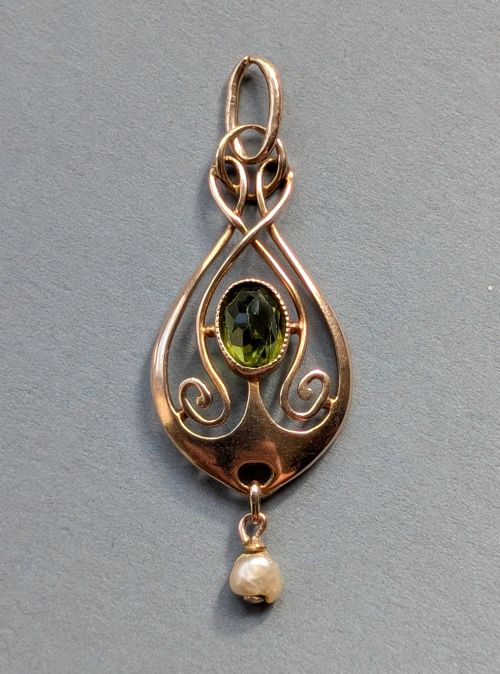
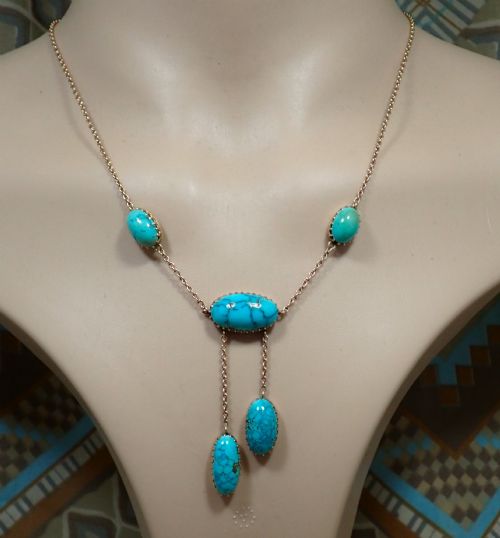
When you search for a vintage arts crafts necklace, you encounter pendants, lavalieres, and festoon chains originating from the nineteenth century through the nineteen-thirty period. The objects on this page bridge the Arts and Crafts movement, Art Nouveau, and Edwardian aesthetics through handcrafted metalwork.
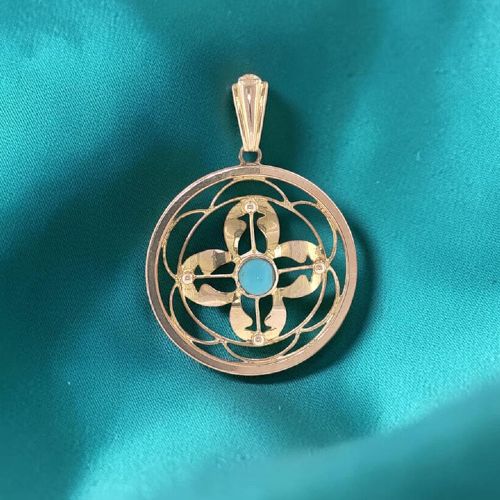
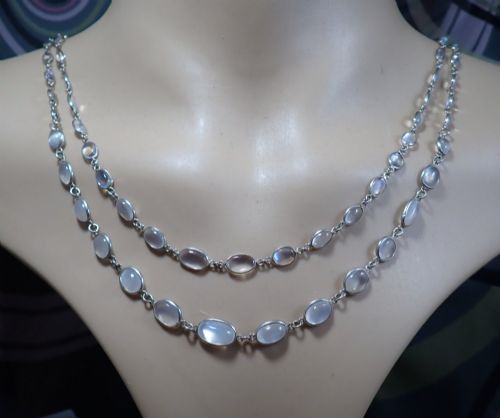
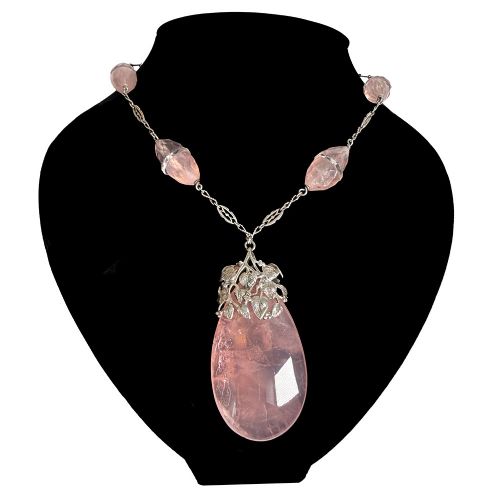
Silver forms the primary metal framework for pendants and necklaces, frequently accompanied by nine-carat and fifteen-carat gold. Makers paired these precious metals with moonstone, amethyst, turquoise, and enamel to create integrated, decorative compositions.
Most examples date between nineteen-hundred and nineteen-twenty, reflecting the height of guild workshops and commercial houses such as Liberty and Co. These designs prioritize artistic expression and visible handcraft over mass-produced uniformity.
How they were made
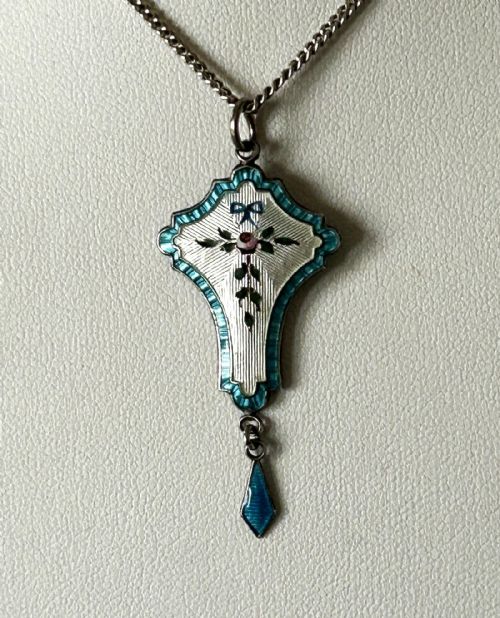
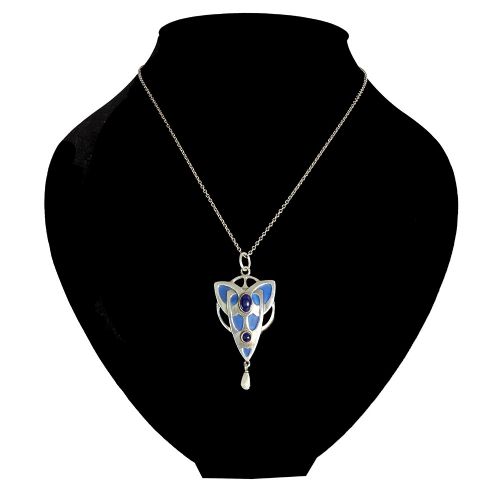
Silversmiths shaped sterling and continental silver by hand, combining wirework, granulation, and bezel settings to secure stones like cabochon moonstones, opals, and rock crystal. Enamel techniques including plique-a-jour, cloisonne, and standard vitreous enamel provided vibrant colour fields within the metal matrix.
Goldsmiths worked in nine-carat and fifteen-carat gold to mount peridots, tourmalines, and pearls in pendants and negligee necklaces. Component parts linked through handmade jump rings, creating flexible festoon and sautoir configurations.
Vintage Arts Crafts Necklace Retail Price Guide 2026
Typical asking prices for vintage arts crafts necklace among the pieces listed under this phrase on Sellingantiques today, from the lower quarter to the upper quarter. They describe what is for sale here now, not the wider market.
Religious crosses occasionally slipped into the secular Arts and Crafts inventory, offering divine protection alongside medievalist aesthetics.
What varies in quality
Quality rests upon the execution of the handwork and the selection of materials, ranging from standard commercial output to master-designed workshop pieces. Signed examples associated with specific makers display superior metal manipulation and stone matching.
The sophistication of the enamelling and the rarity of the gem materials, such as plique-a-jour transparency or well-matched moonstone cabochons, separate ordinary items from those of exceptional design merit.
Archibald Knox for Liberty·Murrle Bennett·Amy Sandheim·The Gaskins·Mary Thew·WH Haseler·John Paul Cooper·Charles Horner·Dorrie Nossiter·Ludwig Knupfer·Theodor Fahrner·George Hunt
The Vintage Arts Crafts Necklace Glossary
- Plique-a-jour
- Enamelling technique without a backing metal, allowing light to shine through the translucent coloured glass like a stained glass window.
- Cabochon
- Gemstone polished to a smooth, rounded convex top rather than faceted, frequently used for moonstones, opals, and turquoise.
- Festoon
- Necklace design featuring draped chains or swags of metal suspended across the neckline, often punctuated by drops.
- Lavalier
- Pendant necklace comprising a central drop suspended from a chain, popular during the Edwardian period.
- Parure
- A matched set of jewellery intended to be worn together, such as a necklace accompanied by earrings and a ring.
Vintage Arts Crafts Necklace: Frequently Asked Questions
How do I date a vintage arts crafts necklace?
Dating relies on stylistic markers, hallmarking, and the typical materials utilised during specific decades like nineteen-hundred or nineteen-twenty. Examining the clasp type and construction method also helps establish the era of manufacture.
Items from the Edwardian period often feature delicate openwork silver and pastel gems, while nineteenth-century examples may show heavier gauge metalwork and distinct regional hallmarks.
How should I care for enamel jewellery?
Enamel consists of fused glass, meaning it requires protection from sharp impacts, ultrasonic cleaners, and harsh chemical dips. Store each piece separately in a fabric pouch to prevent scratching against other items.
Clean the metal and stones gently using a soft cloth and mild soapy water, avoiding prolonged soaking that might affect historical settings.
Are these necklaces made of solid silver?
Most pieces utilise sterling silver or continental silver frameworks, occasionally accented with nine-carat or fifteen-carat gold elements. Hallmarks stamped onto the reverse or jump rings often confirm the metal standard.
Makers of the Arts and Crafts movement valued silver as an expressive medium, preferring its soft lustre over highly polished platinum or yellow gold.