

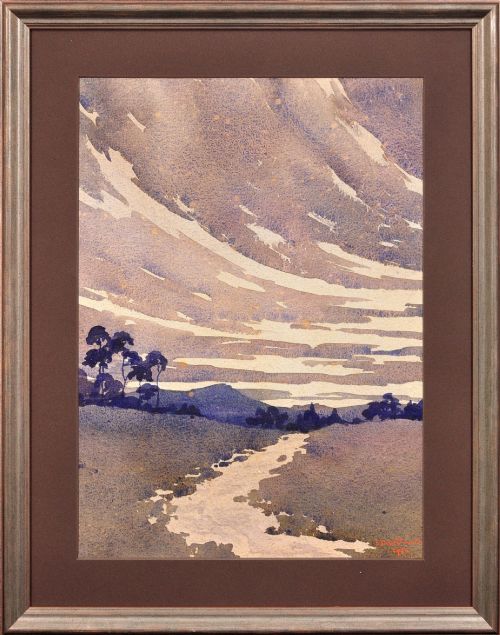
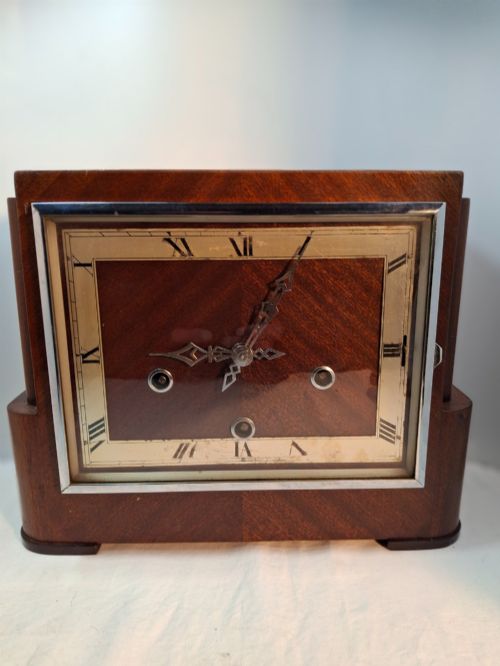
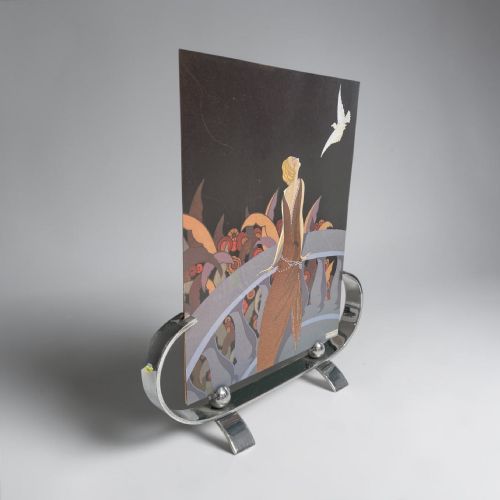
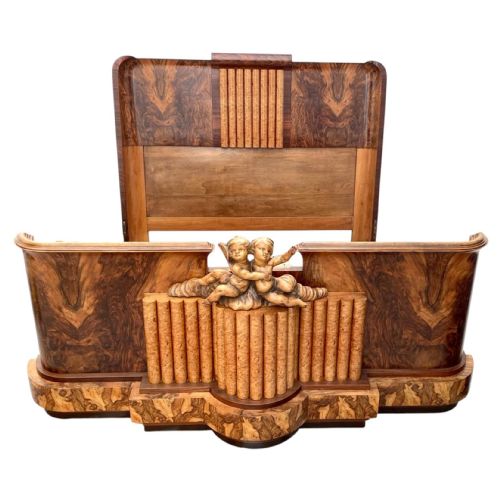
Vintage Art Deco Frame
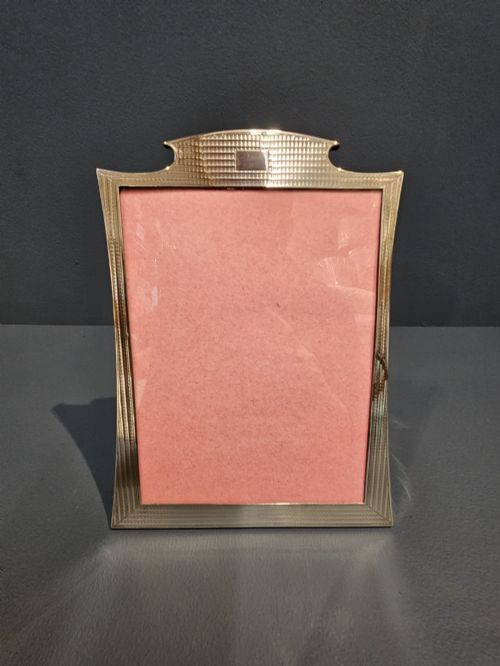
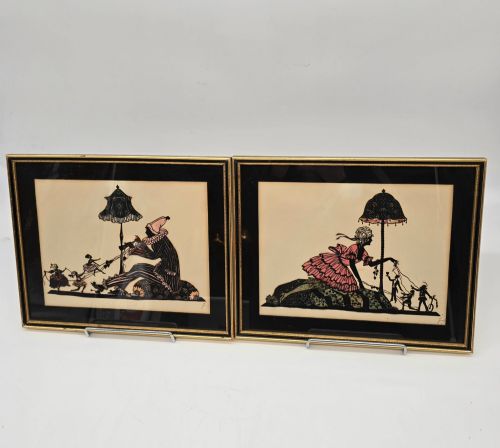
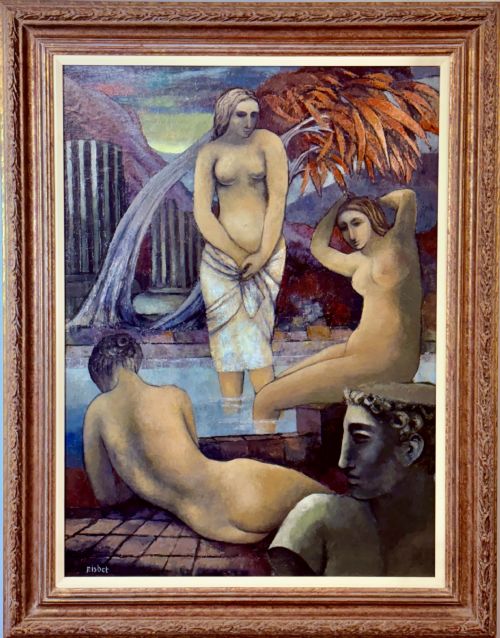
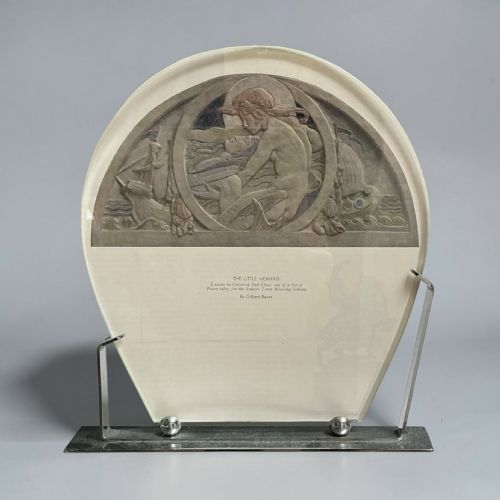
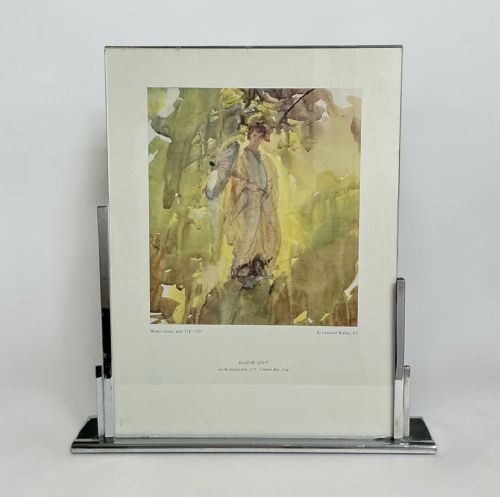
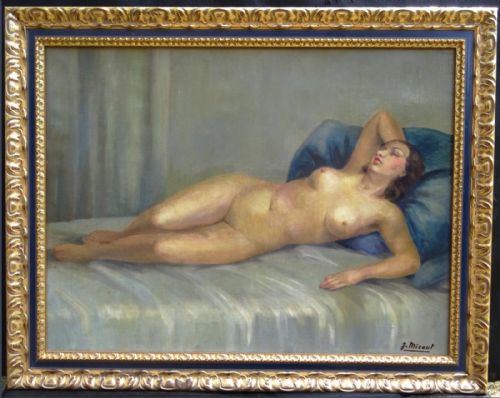
These vintage art deco frame examples bring geometric discipline and striking metallic or wood borders to any display.
Vintage Art Deco Frame
A vintage art deco frame brings the distinct geometry and streamlined aesthetic of the interwar years to domestic displays. When searching for a vintage art deco frame, buyers encounter pieces designed to showcase photographs or artwork with distinct visual flair.
The selections recorded on this page originate from the nineteen-twenties and nineteen-thirties, reflecting the height of the movement. These items typically employ metallic finishes or rich wood grains to frame their contents.
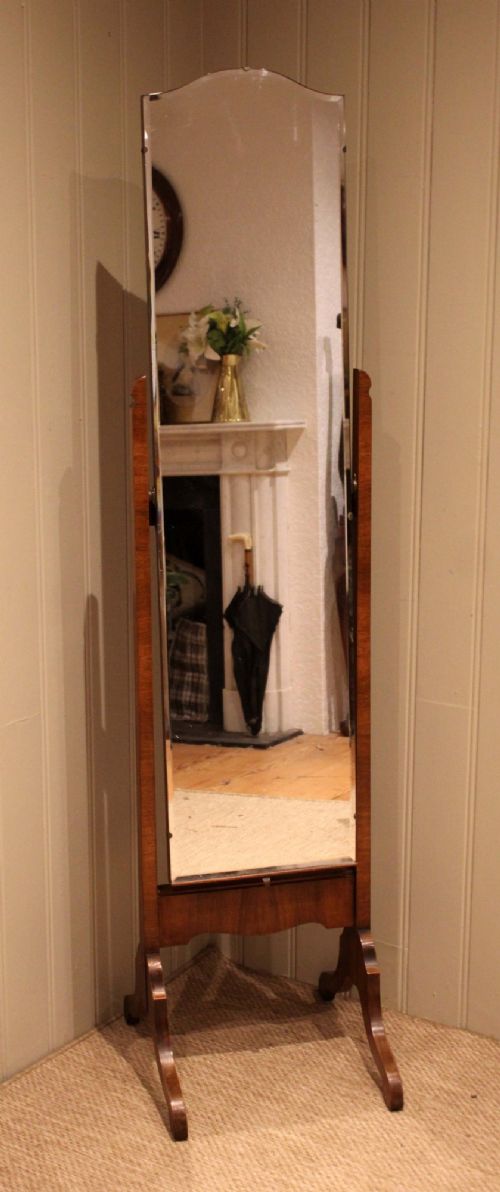
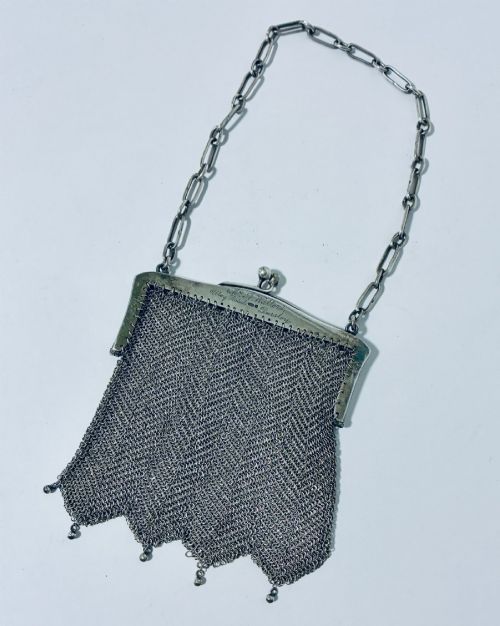
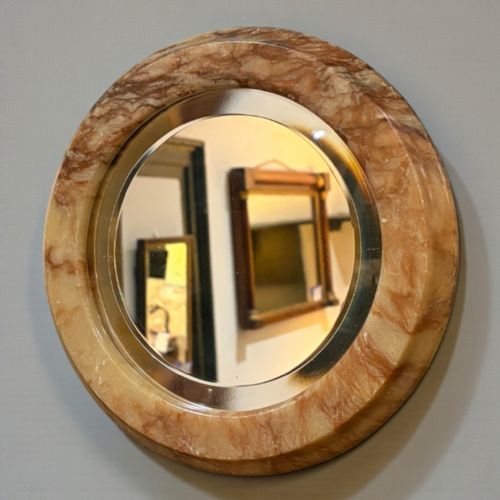
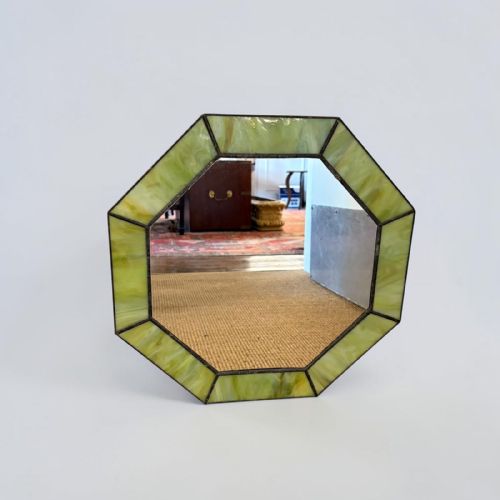
Beyond standard picture housings, the broader category includes related silver travelling photograph pieces and mirrored items from the period. These variations share a common design vocabulary rooted in early twentieth-century modernism.
Materials and Techniques
Makers of the period utilised precious metals like silver, often applying detailed engine-turned textures to catch the light. Iron and brass also appear in structural elements, providing the rigid geometry demanded by the style.
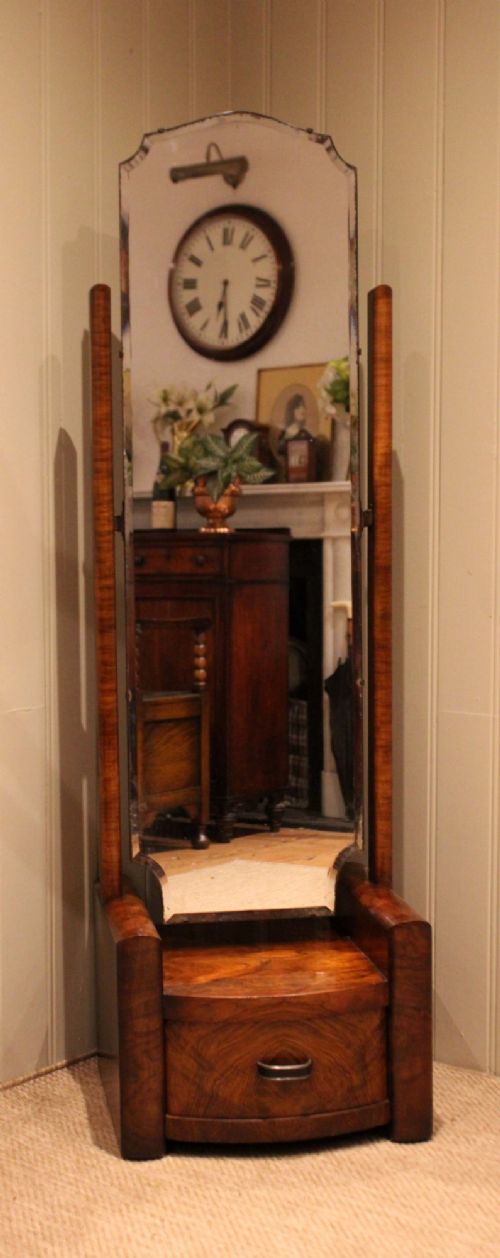
Woodworking traditions combined with modern industrial methods to produce frames from walnut, burr walnut, satinwood, and oak. Artisans selected these timbers for their distinctive grain patterns, frequently pairing them with glass or mirrored components.
Vintage Art Deco Frame Retail Price Guide 2026
Typical asking prices for vintage art deco frame among the pieces listed under this phrase on Sellingantiques today, from the lower quarter to the upper quarter. They describe what is for sale here now, not the wider market.
Among the reflections of the era, one intrepid post office managed to misplace its glass direction sign right into the history books.
Distinctions in Quality
The upper tier of these objects is distinguished by precision in metalworking, such as crisp, even engine-turning on silver surfaces. Inferior examples often display softened details and simpler stamped ornamentation rather than hand-finished engraving.
Wood selection and veneer application separate standard items from superior works. Finer pieces showcase matched burr walnut or satinwood grains carefully wrapped around corners, whereas lesser items rely on plain timber and basic joins.
Waring & Gillow England·Harry and Lou Epstein·Heals·Macy & Co
The Vintage Art Deco Frame Glossary
- Engine-turned
- A mechanical engraving method that cuts intricate geometric patterns into metal surfaces. This technique adds texture and catches the light effectively.
- Burr walnut
- A highly prized wood timber featuring swirling, knotty grain patterns. It was frequently utilised for luxury furniture and decorative items during the period.
- Art Deco
- A design style dominant in the nineteen-twenties and nineteen-thirties characterised by streamlined shapes and geometric motifs. It influenced architecture, fashion, and small decorative objects alike.
- Satinwood
- A durable, yellowish timber with a lustrous sheen reminiscent of satin. Craftsmen employed it for fine inlays and polished surfaces.
Vintage Art Deco Frame: Frequently Asked Questions
What materials are typical?
Silver, walnut, burr walnut, and brass dominate the construction of these items. Artisans utilised these specific substances to achieve the metallic sheen and rich grain patterns characteristic of the era.
Glass and mirrored elements also feature prominently in the design, serving either as the protective pane or as part of the decorative border.
How do I date them?
Dating relies primarily on stylistic markers such as strict geometric symmetry, stepped profiles, and specific material combinations like chrome and exotic woods. Hallmarks on silver components provide definitive manufacture years.
Construction methods also assist with chronology, as interwar manufacturing blended traditional cabinetmaking with emerging industrial techniques.
Where were they used?
These decorative accessories were placed on mantelpieces, dressing tables, and writing desks in urban homes and apartments. They served to display cherished family photographs or small prints.
Interior spaces of the interwar period utilised these objects to introduce modern elegance and reflective surfaces into domestic rooms.
Are different styles mixed?
The listings show variations ranging from restrained English silver work to bolder French interpretations of the modernist aesthetic. While all share a connection to the early twentieth century, regional tastes produced distinct visual outcomes.
Some pieces incorporate earlier revival influences, though the dominant aesthetic remains resolutely modern for the period.