
Vintage Art Deco Cupboard
A vintage art deco cupboard brings strong geometric lines and rich wood grains to a room, offering practical storage with distinct period character.
Vintage Art Deco Cupboard
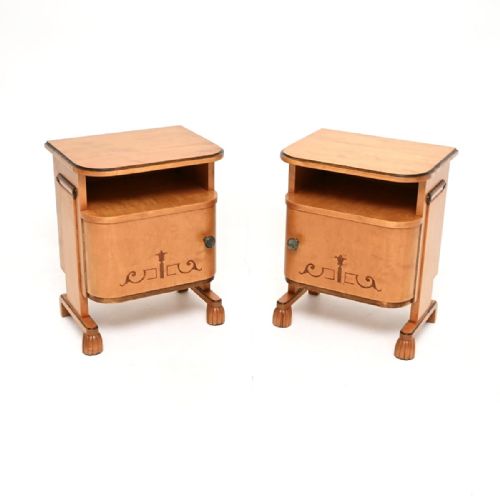
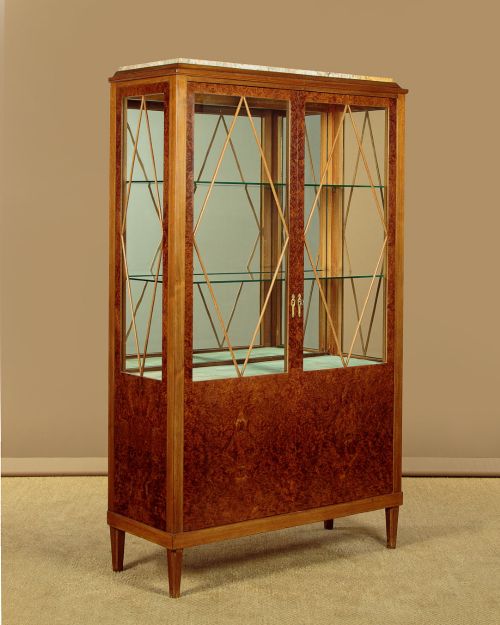
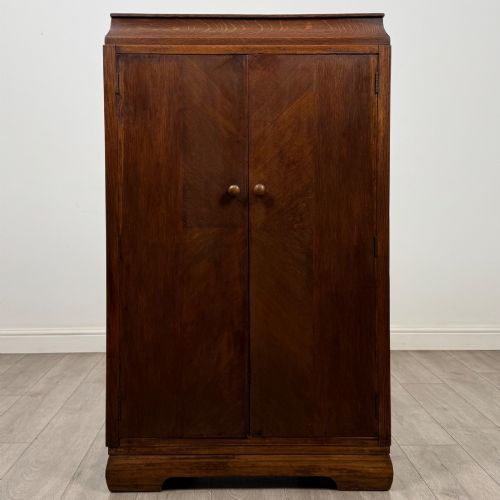
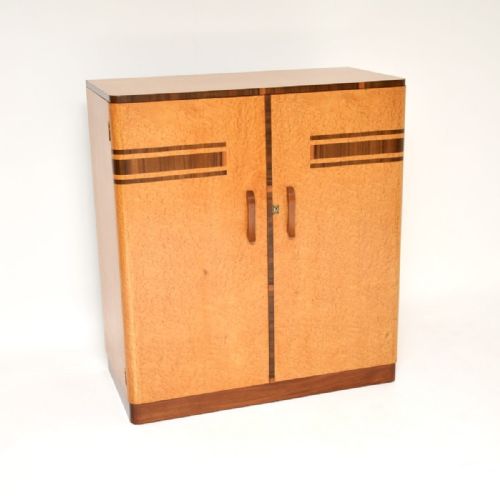
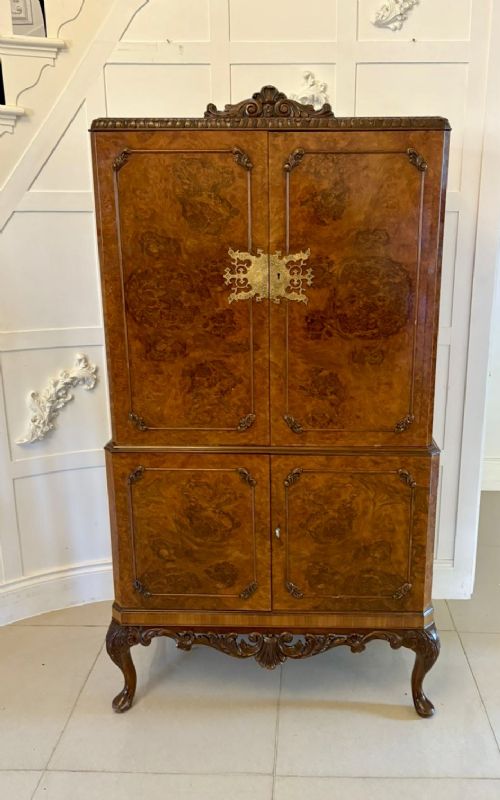
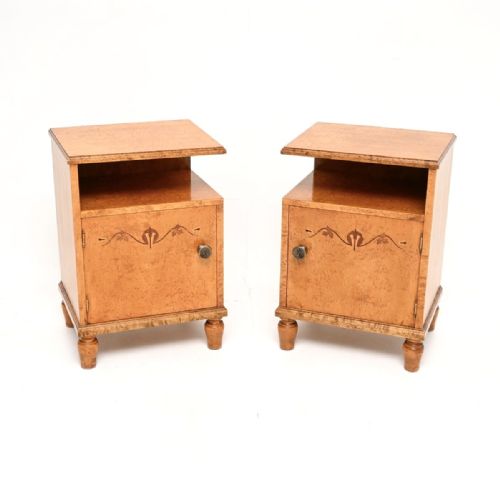
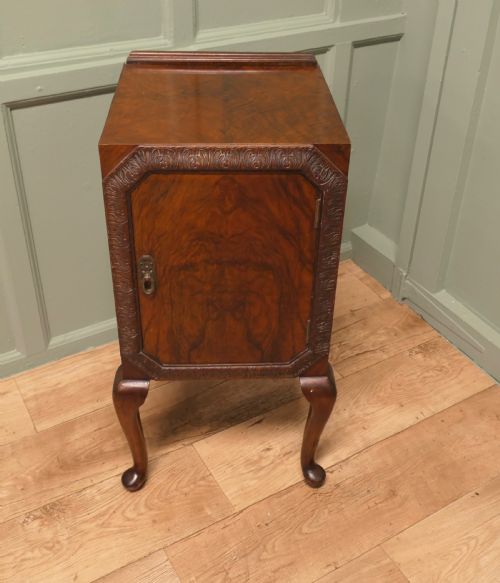
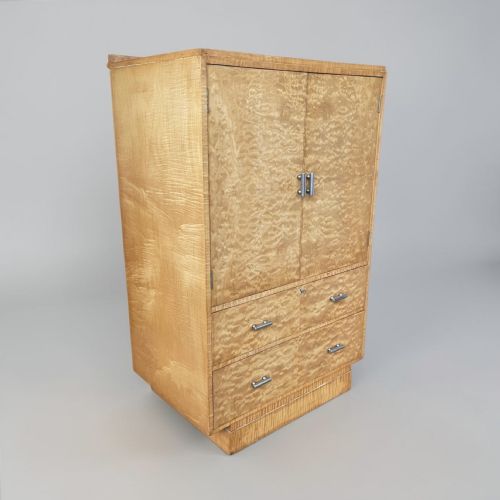
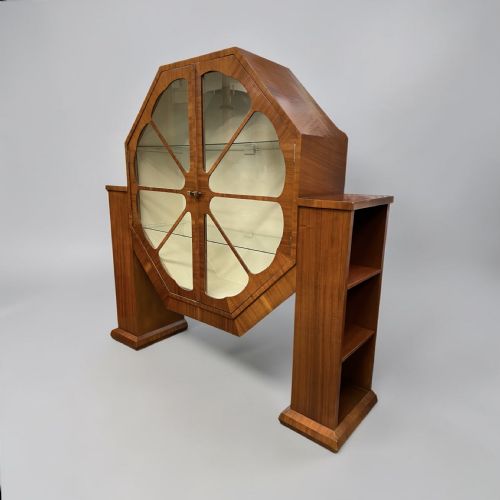
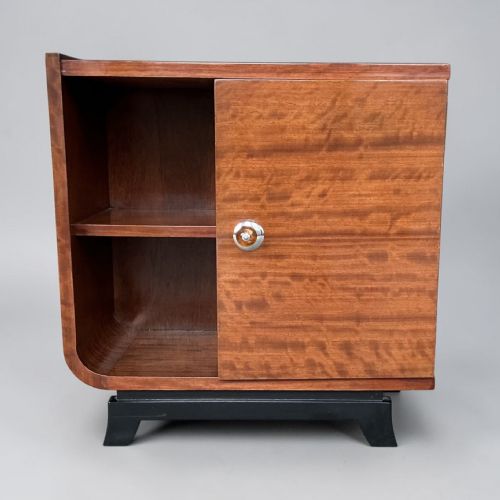
A vintage art deco cupboard encompasses a diverse range of furniture types spanning the 1920s, 1930s, and 1940s, alongside transitional Edwardian pieces. Buyers searching this phrase most frequently encounter bedside cabinets, cocktail cabinets, and display cabinets designed to suit various domestic spaces.
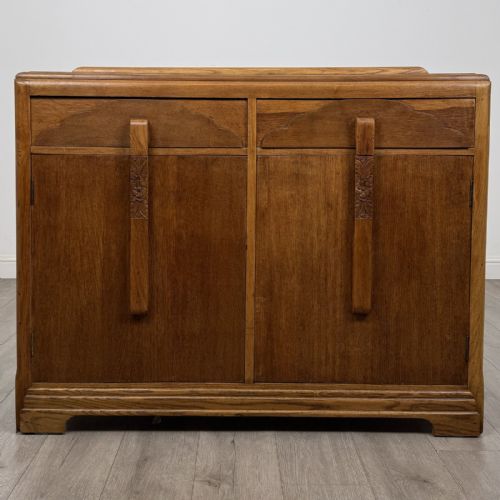
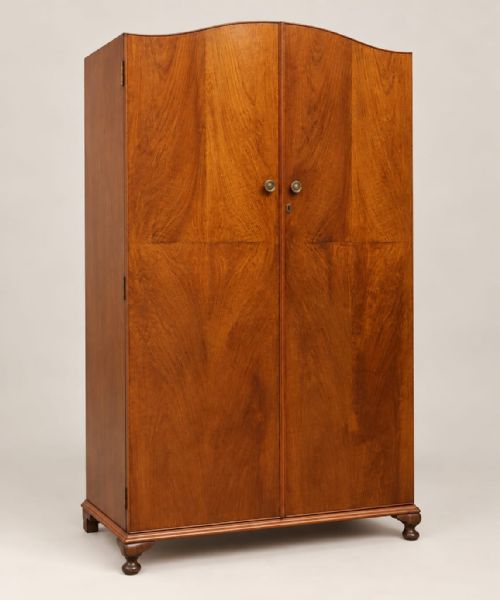
The selection extends from compact bedside tables and nightstands to larger wardrobe units, tallboys, and sideboards. Origins range from British makers and department stores to French workshops and Swedish designers, reflecting broad international interpretations of the style.
Materials and Construction
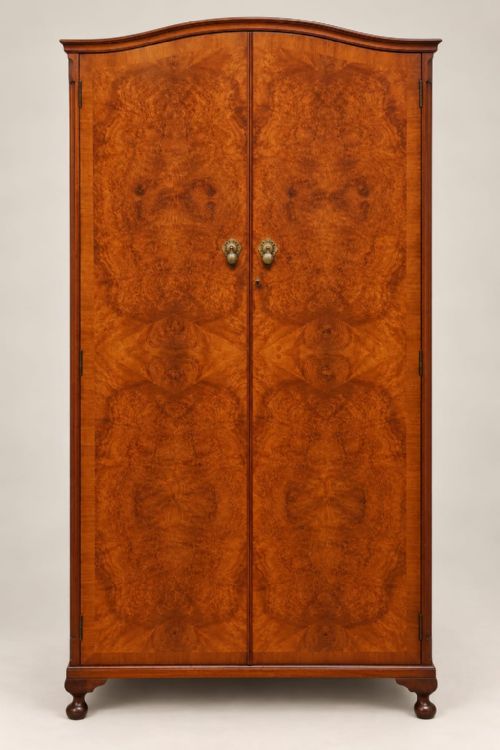
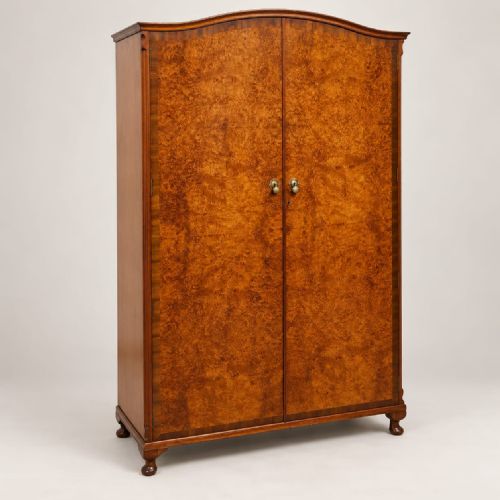
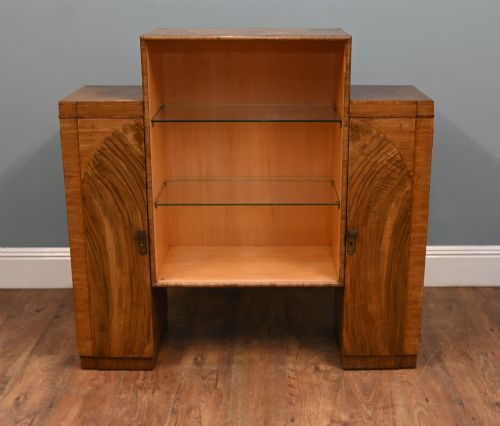
Construction relies heavily on walnut and burr walnut veneers applied to carcases, often complemented by oak, mahogany, satin birch, and rosewood. These timbers provide striking grain patterns that define the surface appearance of the furniture.
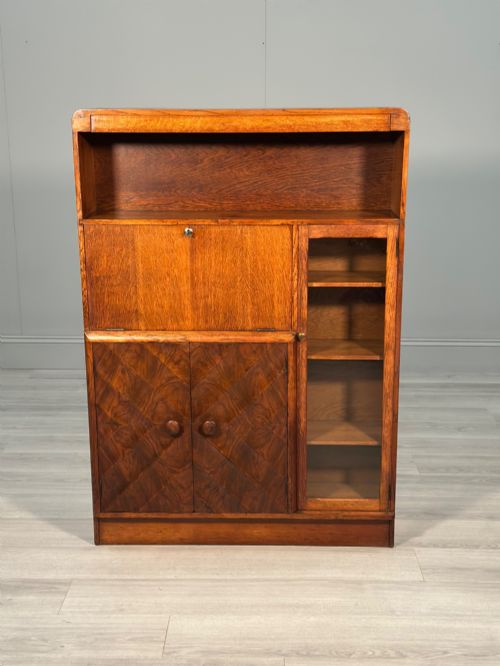
Detailing incorporates brass hardware, glass panels, leaded glass, and occasional parchment inlays to accentuate the geometric forms. Cabinetmakers combined solid woods with skillfully cut veneers to achieve rich visual depth.
The selection includes specialised storage forms such as sheet music cabinets and compactum wardrobes alongside standard display and bedside furniture.
Judging Quality
Quality rests upon the selection and matching of timber veneers, particularly figured walnut and burr walnut, which create balanced patterns across drawer fronts and doors. Superior examples demonstrate precision in inlay work and veneer symmetry.
The integration of original hardware, such as brass fittings and glass elements, distinguishes finer pieces. Construction integrity is evident in how well drawers operate and how solidly the overall cabinet frame holds its shape.
Harry and Lou Epstein·Gomme·Walter Carter Harrods·F.H. Marshall and Co Glasgow·Maurice Jallot
The Vintage Art Deco Cupboard Glossary
- Burr walnut
- A wood veneer taken from the wart-like growth on a walnut tree, prized for its swirling, highly figured grain patterns. It forms the primary visual surface on many prominent cocktail cabinets and bedside tables.
- Tallboy
- A tall upright chest of drawers or a cabinet combining drawer space with an upper cupboard section. This form provides vertical storage capacity while maintaining a modest footprint.
- Compactum
- A fitted wardrobe designed to maximise internal storage by combining hanging space, shelves, and small drawers in a single unit. These pieces offer compartmentalised organisation for clothing.
- Leaded glass
- Small panes of glass held together by strips of lead cames, frequently utilised in the doors of bookcases and display cabinets. This technique introduces decorative division to transparent surfaces.
- Parchment inlay
- A decorative surface treatment utilising animal skin adhered to wood panels to create a smooth, pale texture. French makers employed this technique for subtle tonal contrast.
Vintage Art Deco Cupboard: Frequently Asked Questions
What is a vintage art deco cupboard?
A vintage art deco cupboard is a storage piece produced predominantly during the 1920s and 1930s, characterised by clean geometric lines and decorative wood veneers.
These items range from bedside cabinets and sideboards to cocktail bars and display units, reflecting the modern design movements of the interwar period.
Where were these cupboards made?
These pieces originated across Britain, France, and Sweden, with notable production from London workshops, regional department stores, and continental designers.
Each region brought distinct regional woods and aesthetic interpretations to the broader international art deco style.
How should I care for walnut veneer?
Walnut veneer requires protection from direct sunlight and excessive moisture to prevent fading and lifting of the thin wooden surface.
Regular dusting with a dry cloth and occasional application of appropriate furniture wax helps preserve the natural sheen of the timber.