



Vintage Art Copy
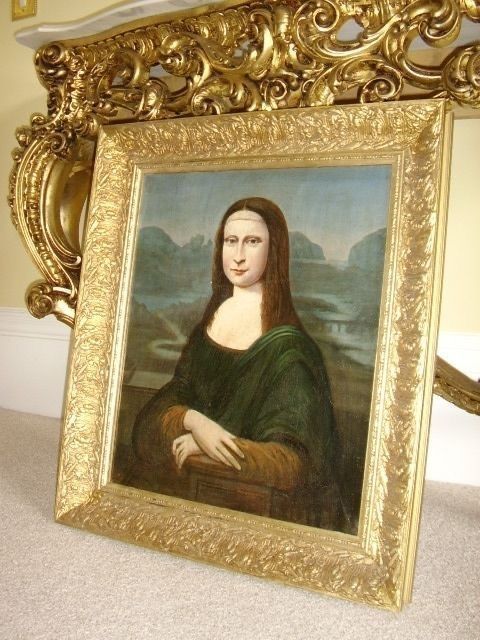
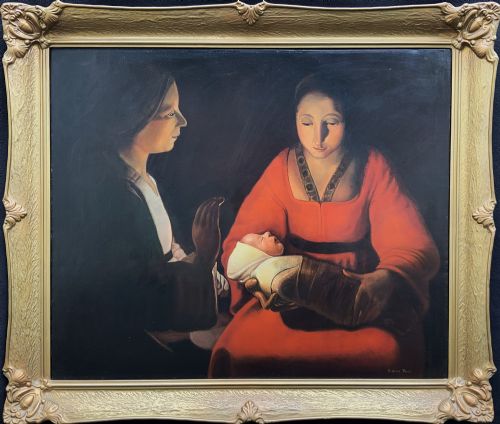
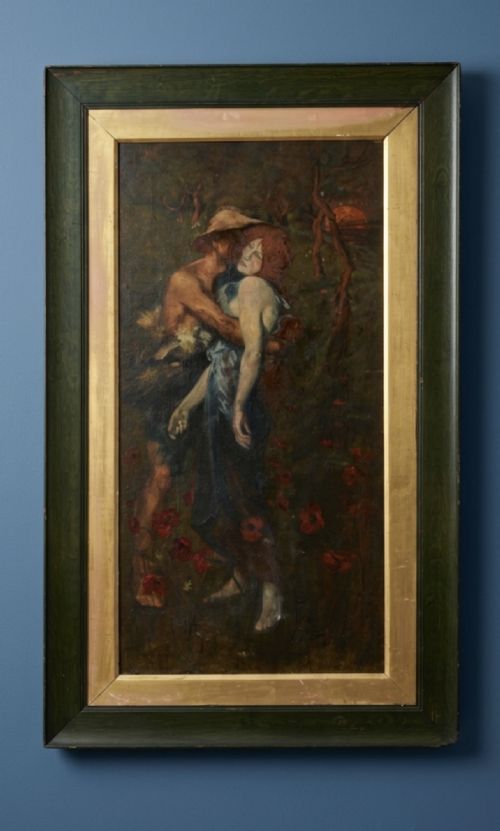
Vintage art copy pieces offer historical depth and masterful re-interpretations that bring classic subjects into your home.
Vintage Art Copy
When you search for vintage art copy, you encounter oil paintings, watercolours, and antique books that reproduce earlier masterpieces or historical subjects. These works span periods from the eighteenth century through to the mid-twentieth century, capturing the enduring appeal of classical and Renaissance compositions. You will find oil on canvas works, framed art, and printed volumes among the selections.
The pieces often derive from notable originals, ranging from Leonardo Da Vinci and Hans Holbein to Sir Edwin Landseer and Elisabeth Vigee Le Brun. Creators range from identified followers and nineteenth-century artists to specific publishers and historical figures. These objects preserve traditional portraiture, religious scenes, and landscape subjects for modern interiors.
Materials and methods
The physical objects rely on traditional substrates and mediums, predominantly oil on canvas, paper, and wood. Frames incorporate gilded wood and gilt finishes to match the aesthetic weight of the artwork contained within. Watercolour painting on paper and bound book production represent the alternative formats found in the selection.
Execution involves manual brushwork using oil and watercolour pigments applied to canvas or paper supports. Book production utilises print techniques appropriate for early twentieth-century publishing, such as true first editions. Framing methods employ wood joinery and surface gilding to protect and present the paintings.
Vintage Art Copy Retail Price Guide 2026
Typical asking prices for vintage art copy among the pieces listed under this phrase on Sellingantiques today, from the lower quarter to the upper quarter. They describe what is for sale here now, not the wider market.
Distinguishing quality
Quality rests on the fidelity of the execution and the skill demonstrated in handling the medium. A successful copy captures the atmospheric depth, tonal nuance, and compositional balance of the original work rather than merely recording its outlines. The handling of oil paint or watercolour reveals the competence of the hand behind the piece.
Material preservation and framing integrity further differentiate the examples. Intact canvas tension, stable paint layers, and well-maintained gilded wood frames elevate the physical condition of the work. The quality of paper, binding stability, and print clarity similarly define the standard for books and works on paper.
The Vintage Art Copy Glossary
- Oil on Canvas
- Pigment mixed with a drying oil applied to a woven fabric stretched across a wooden frame. This primary medium allows for rich colour blending and textured brushwork.
- Gilded Wood
- Timber treated with a thin layer of gold leaf or metallic powder applied to its surface. This technique provides ornamental frames with a reflective, polished finish.
- Watercolour Painting
- Pigments suspended in a water-based solution applied to paper supports. This technique produces translucent washes and delicate tonal gradations.
- True First Edition
- The initial commercial printing of a book from the original typesetting. Collectors value these volumes for their direct association with the date of first release.
- Old Master Follower
- An artist working in the style or tradition of a recognised master painter from the Renaissance or Baroque periods. These creators often produce devotional or portrait works inspired by established compositions.
Vintage Art Copy: Frequently Asked Questions
What is a vintage art copy?
A vintage art copy is a historical reproduction or derivative work of an established painting, drawing, or book created in a past era. These pieces allow owners to enjoy interpretations of famous artistic compositions within their own spaces.
They serve as decorative elements or historical documents that reflect the taste and skill of past centuries.
How do I identify the period of a copy?
You determine the period by examining the physical materials, framing styles, and any accompanying signatures or documentation provided with the item. Canvases, papers, and wood types often show age-related characteristics consistent with eighteenth, nineteenth, or twentieth-century production.
Comparing the technique and subject matter to known historical periods helps narrow down the date of creation.
Where were these copies displayed?
Historically, painted copies hung in private drawing rooms, galleries, and domestic interiors as accessible alternatives to unattainable masterworks. Books and framed watercolours were similarly kept in libraries and studies for private contemplation.
Today, they function well in traditional or eclectic home settings as focal wall art or shelf displays.
How should I care for an oil painting copy?
You protect an oil painting copy by keeping it away from direct sunlight and maintaining stable indoor humidity and temperature levels. Dusting should be done gently with a soft, dry brush without applying pressure to the canvas.
Avoiding harsh cleaning agents ensures the oil pigment and gilded wood frame remain preserved for the future.