

Vintage Armchair on Castors
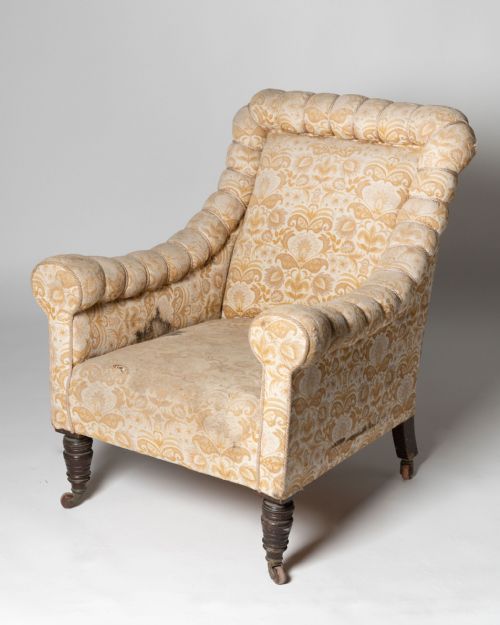
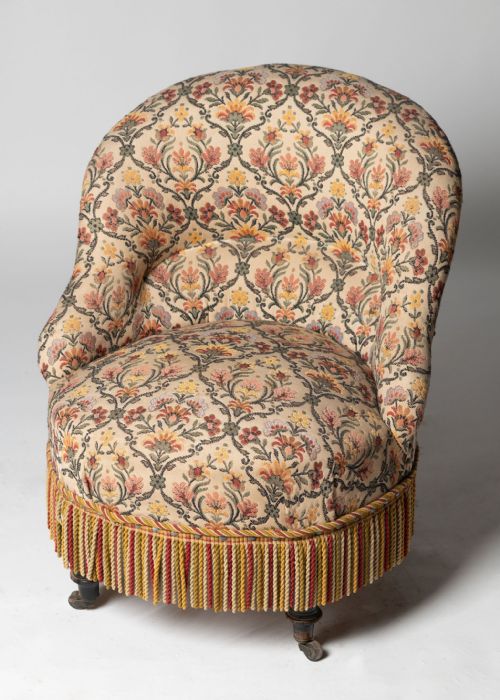
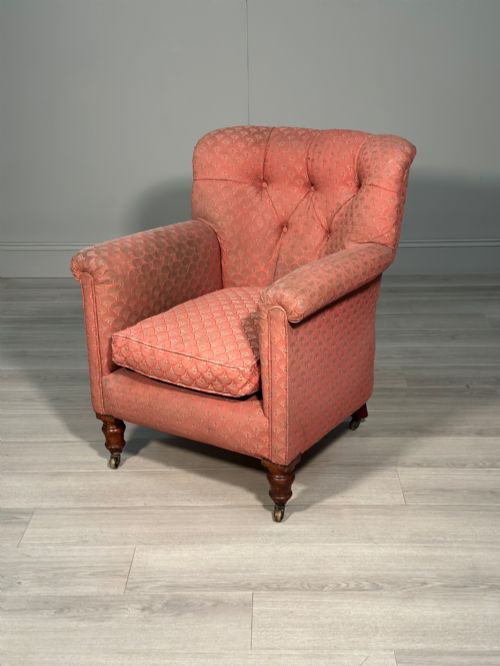
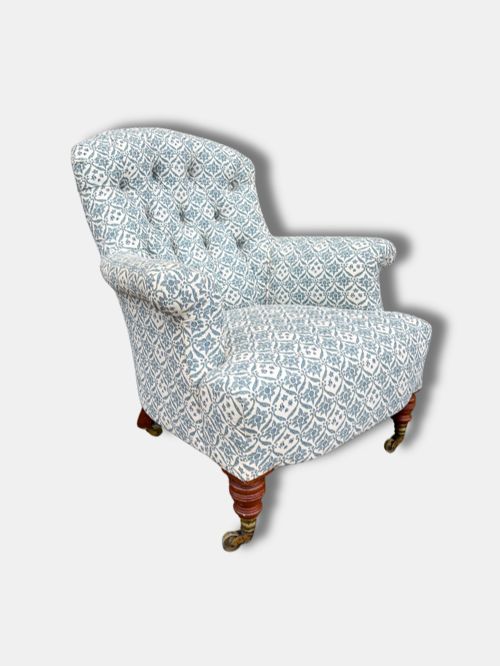
A vintage armchair on castors brings relaxed comfort and sturdy mobility, perfect for a traditional study or country house living room.
Materials and construction methods
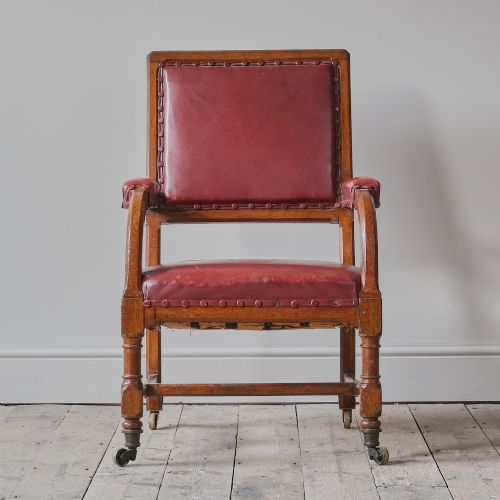
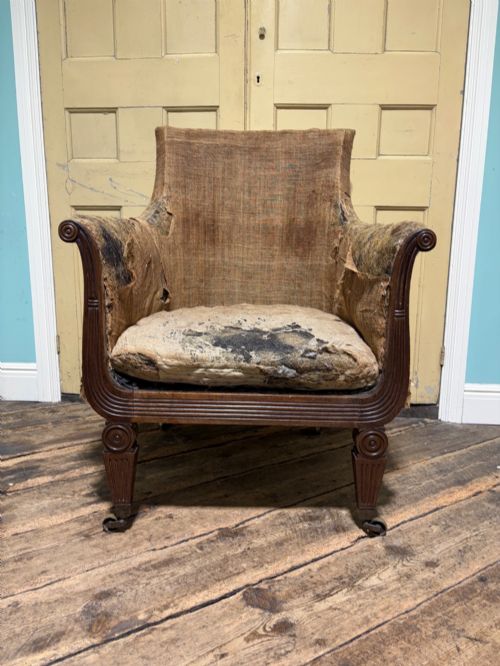
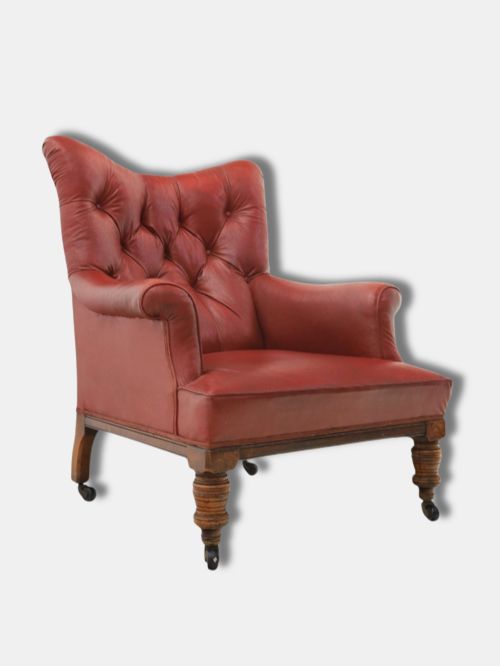
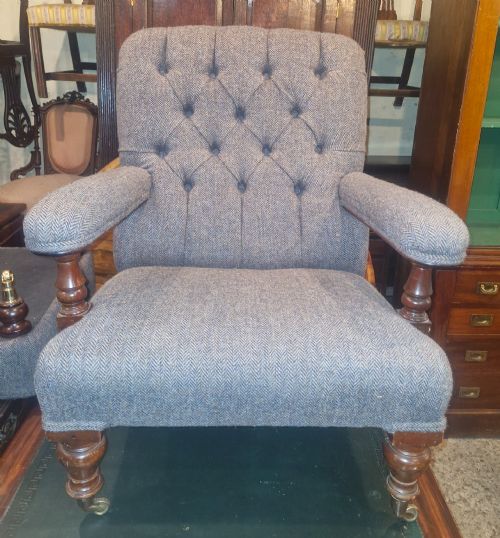
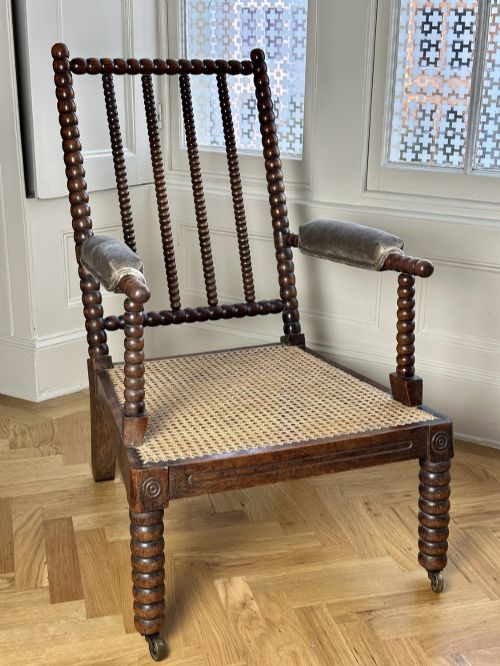
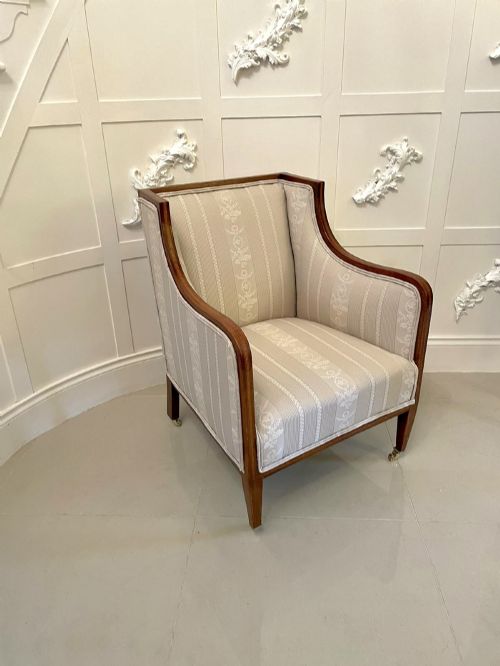
The framework of these armchairs typically relies on durable hardwoods such as mahogany, oak, walnut, and rosewood to provide structural integrity. These wooden frames are shaped into classic profiles including Gainsborough, bergère, and wingback designs.
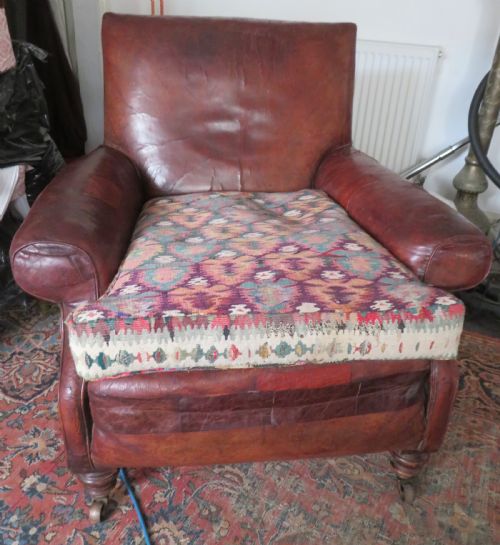
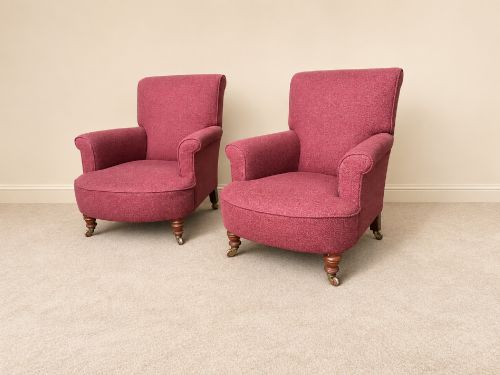
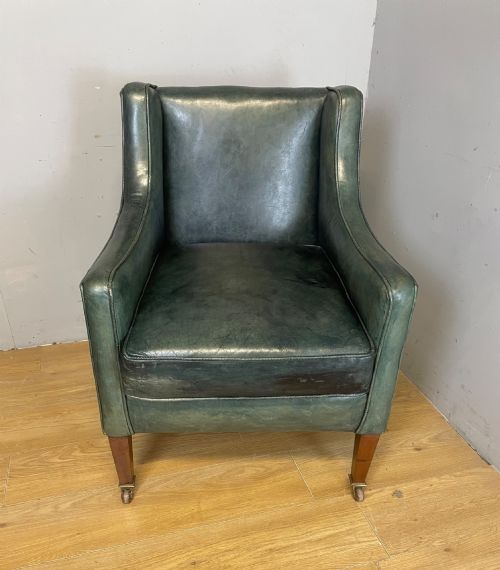
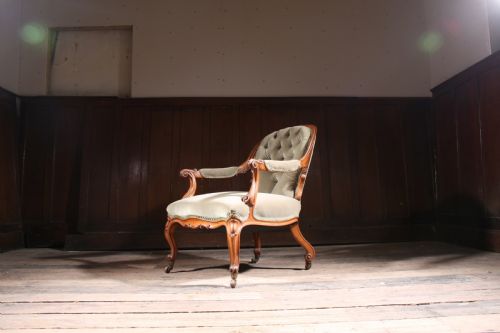
Upholstery materials play a vital role, featuring traditional applications of leather, velvet, calico, fabric, and wool plaid. Many examples incorporate deep buttoning and fine stitching to secure the internal stuffing within the sturdy frame.
Metal and wood components meet at the base where brass castors are fitted to the legs, allowing the heavy upholstered seating to be moved smoothly across floorboards and carpets.
Distinctions in quality and execution
Quality in these armchairs rests upon the integrity of the underlying hardwood frame and the authenticity of its period elements. Pieces bearing maker stamps or specific stylistic lineage from workshops like Howard and Sons or James Shoolbred demonstrate superior joinery and heritage.
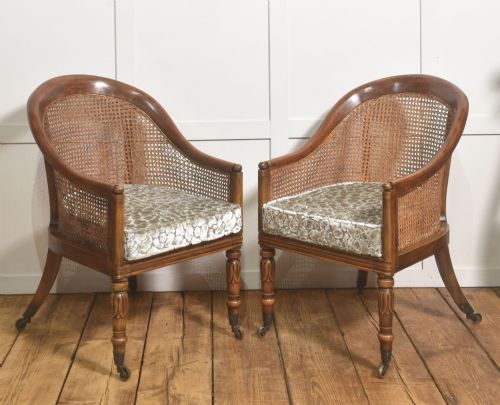
The refinement of the upholstery work and the condition of materials like leather, velvet, or caning dictate the overall standard of the piece. Superior examples retain their original brass castors and harmonious proportions without compromising the original silhouette.
Vintage Armchair on Castors Retail Price Guide 2026
Typical asking prices for vintage armchair on castors among the pieces listed under this phrase on Sellingantiques today, from the lower quarter to the upper quarter. They describe what is for sale here now, not the wider market.
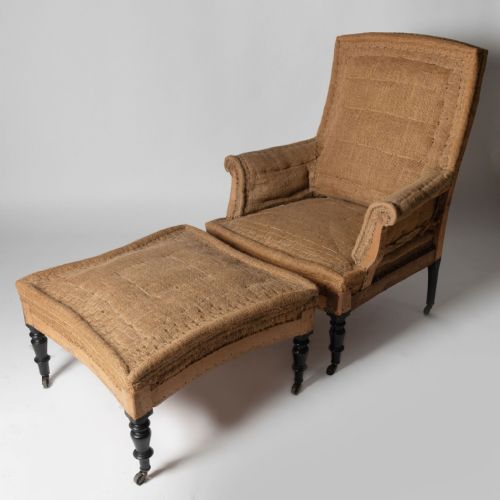
Several armchairs come equipped with matching footstools, proving that Victorian comfort enthusiasts took relaxation just as seriously as we do.
Howard and Sons·James Shoolbred·W Williamson and Sons
The Vintage Armchair on Castors Glossary
- Castor
- A small wheel mounted on a swivel at the base of a furniture leg to permit smooth movement. They are frequently cast in brass on nineteenth-century seating.
- Bergère
- An enclosed upholstered armchair with wooden framing where the sides are typically filled with cane work. This style gained popularity during the Regency and Edwardian periods.
- Gainsborough chair
- A type of wide, open-framed library armchair with padded armrests and upholstered seat and back. They date back to the eighteenth century and inspired later Victorian library seating.
- Slipper chair
- A low-to-the-ground bedroom chair traditionally used by women for sitting while putting on shoes. They often feature castors for easy positioning.
- Bridgewater armchair
- A traditional British upholstered armchair design characterised by low arms and a relaxed profile. They are frequently associated with comfortable country house interiors.
Vintage Armchair on Castors: Frequently Asked Questions
What is the difference between a library chair and a club chair?
Library chairs generally feature exposed wooden frames in mahogany or walnut, sometimes incorporating cane panels or open arms. They reflect formal nineteenth-century room settings.
Club chairs are heavily upholstered in leather or fabric with enclosed padded arms, prioritising deep seating over exposed woodwork.
Are castors on these armchairs usually original?
Original castors are commonly made of brass and show appropriate patination matching the age of the wooden frame. Replacement castors may appear cleaner or feature different mounting styles.
Inspecting the fixing points helps determine whether the wheels belong to the original manufacture of the chair.
How should I care for leather upholstery on a vintage chair?
Leather upholstery requires regular dusting and occasional conditioning to maintain suppleness and prevent cracking over time. Keeping the material away from direct sunlight preserves the natural tone.
Using suitable conservation balms maintains the historic finish found on Victorian and Edwardian leather club chairs.