
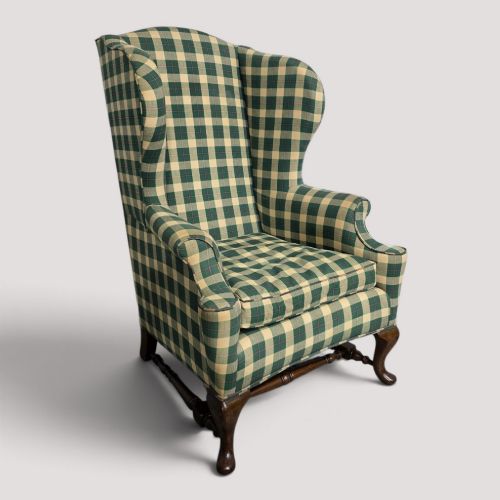
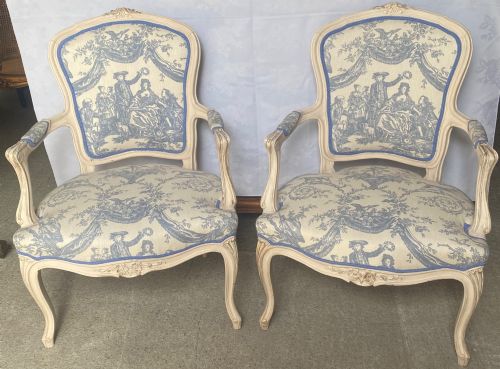
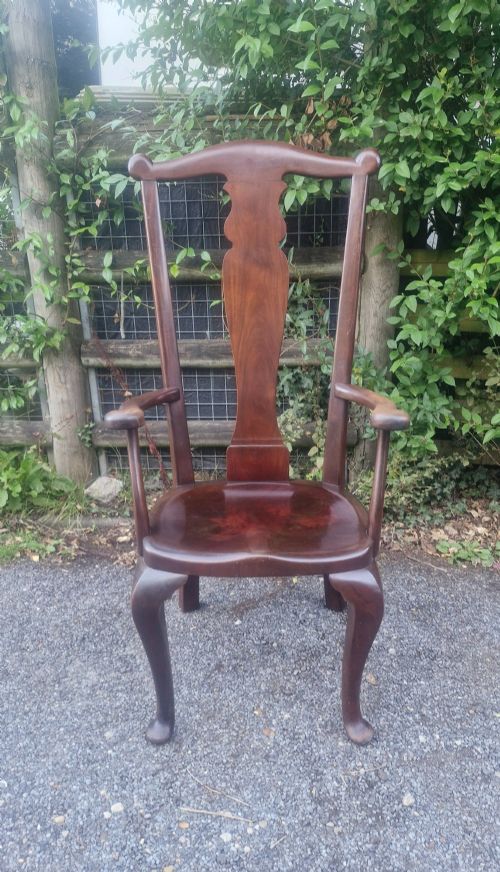
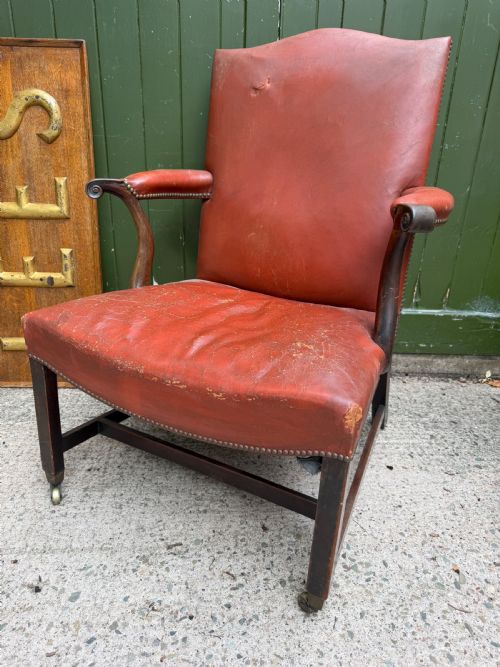

Vintage Armchair Frame
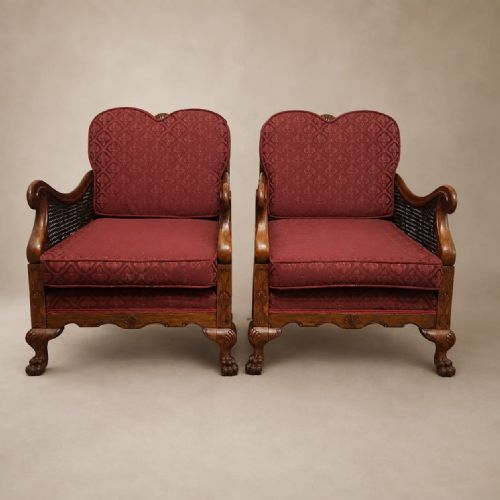
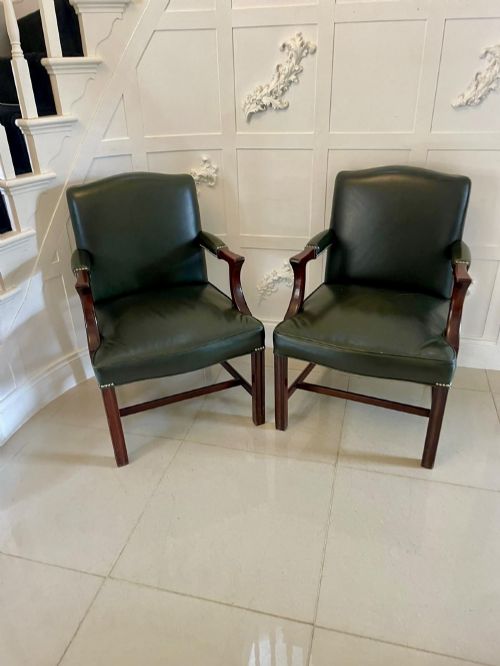
A vintage armchair frame offers structural bones ready for upholstery, ranging from heavy Victorian oak to slender Edwardian mahogany and French walnut.
Vintage Armchair Frame
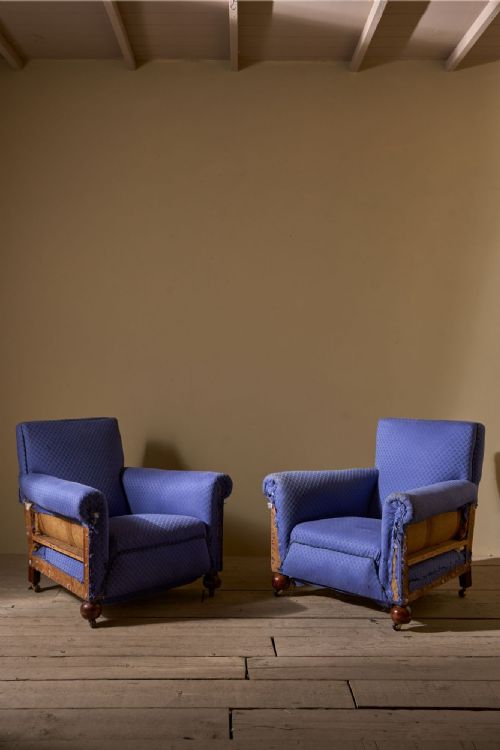
A vintage armchair frame represents the foundational skeleton of seating furniture designed across the nineteenth and twentieth centuries. When searching for a vintage armchair frame, buyers encounter structural supports stripped of modern covers or retaining remnants of original materials.
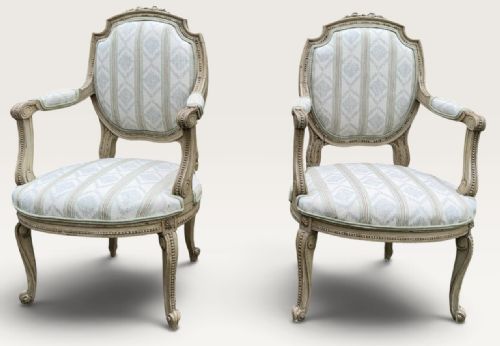
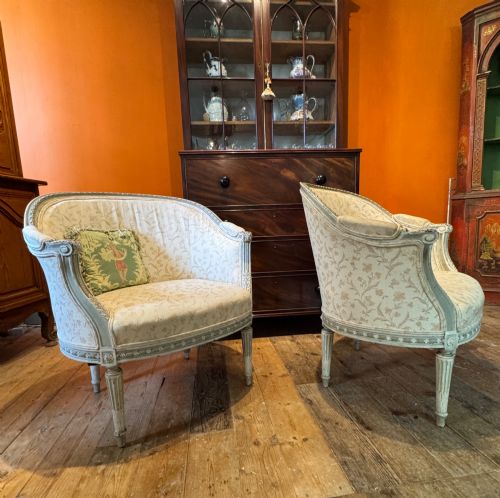
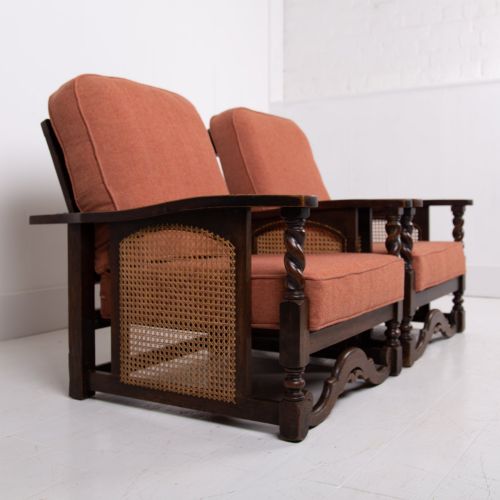
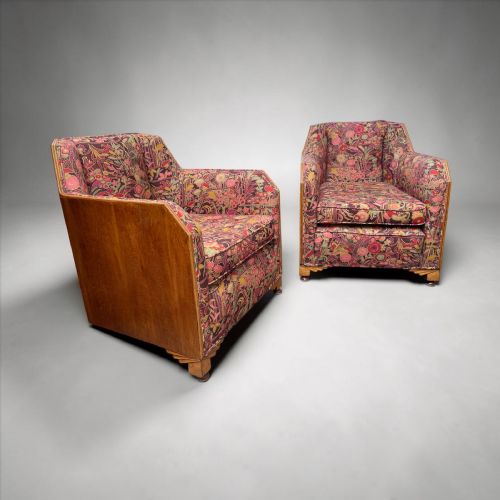
The selections span distinct periods including the Victorian era, Edwardian years, and the Art Deco epoch. Forms vary from heavy library armchairs and wingbacks to open salon chairs and low-slung club chairs.
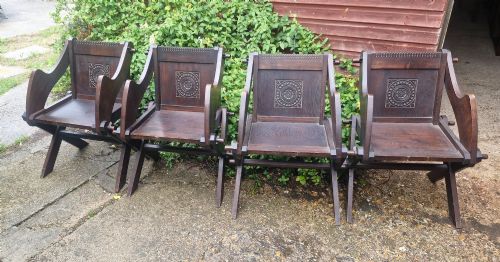
Origin points encompass English country house workshops and French ateliers influenced by revival styles like Louis XV and Gothic. These skeletons display the architectural joinery and carving typical of their respective decades.
Materials and construction methods
Timbers dominate the construction, with solid oak, mahogany, walnut, and rosewood forming the primary structural chassis. Cabinetmakers utilised traditional mortise and tenon joints alongside steam-bent components to shape curved backs and arms.
Secondary materials such as brass fittings, wrought iron, split cane, and webbing provide structural reinforcement and support for squabs or sprung interiors. Original finishes include hand-applied paint, polish, or bare wood left exposed through successive eras.
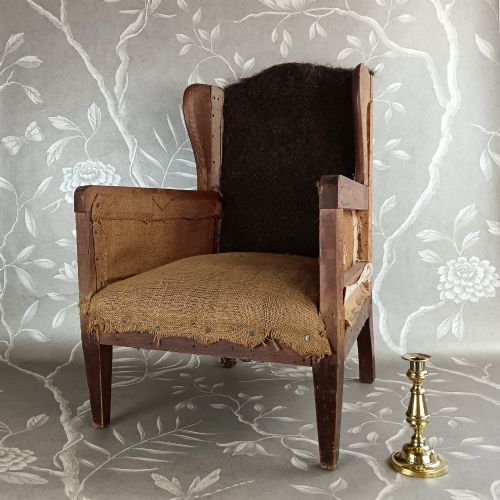
One child's wingback armchair waits quietly among the full-scale library seating, proving great comfort comes in tiny wooden packages.
Measures of quality in wooden frames
The integrity of the timber chassis dictates the fundamental standard of any piece, separating rigid, dense hardwoods from softer or compromised structures. Superior examples display crisp hand-carved detailing, balanced proportions, and tight joinery that resists lateral movement.
Subtle differences in timber selection and the complexity of the frame's silhouette elevate specific pieces above standard utility seating. The presence of original decorative elements like brass detailing or period paintwork indicates higher workshop provenance.
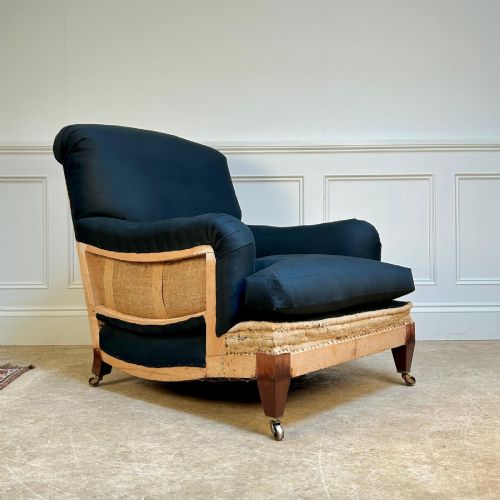
Howard And Sons
The Vintage Armchair Frame Glossary
- Bergere
- A French upholstered armchair with enclosed sides usually filled with cane or wicker work. This style gained popularity during the eighteenth century and influenced later revival periods.
- Wingback
- An armchair featuring side panels attached to the back frame designed to shield the occupant from drafts. Early versions appeared in heavy oak or walnut.
- Goncalo Alves
- A dense exotic hardwood sometimes utilised for nineteenth-century seating frames due to its striking figure and durability. It provides a heavy, stable chassis for elaborate carving.
- Bobbin framed
- A type of turned woodwork where the frame resembles a string of bobbins or spools. This technique defines specific nineteenth-century aesthetic choices.
Vintage Armchair Frame: Frequently Asked Questions
What periods do these frames represent?
The available frames date primarily from the nineteenth century through the early decades of the twentieth century. This spans Victorian, Edwardian, and Art Deco design movements.
Each period imparts distinct stylistic traits, from heavy carved oak to streamlined geometric walnut and mahogany structures.
How do I identify the wood type?
Examination of grain patterns, weight, and colour helps determine the timber used in construction. Common varieties include dark mahogany, figured walnut, and robust oak.
Secondary woods and exotic species like goncalo alves also appear in specific nineteenth-century pieces.
Are these frames supplied with cushions?
Some pieces retain original squabs, leather pads, or newly added cushions while others consist solely of the bare wooden skeleton. Descriptions clarify whether drop-in seats or upholstery remnants remain attached.
Buyers frequently acquire these pieces specifically to apply custom fabric and padding.
Can French frames be distinguished from English ones?
French frames often exhibit lighter painted finishes, intricate carved walnut details, and stylistic influences from Louis XV or Napoleon III revivals. English variants tend to prioritise heavy oak, mahogany, and functional library or club chair forms.
Both regional traditions utilise distinct joinery methods and proportions characteristic of their local workshops.