
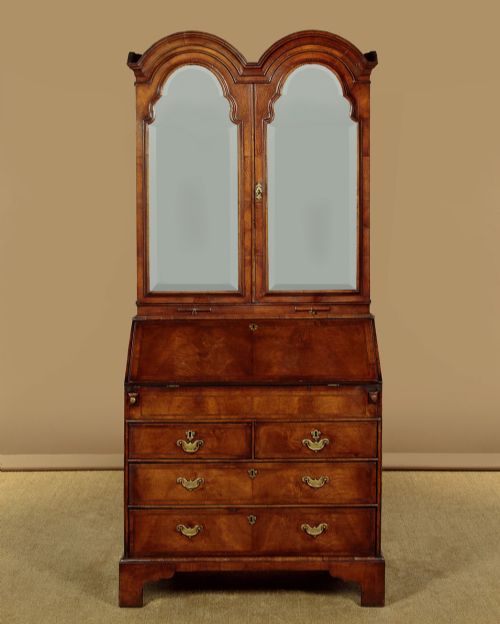

Vintage Arch Mirror
A vintage arch mirror brings height and reflected light to a room, drawing on nineteenth-century French and Victorian forms.
Vintage Arch Mirror
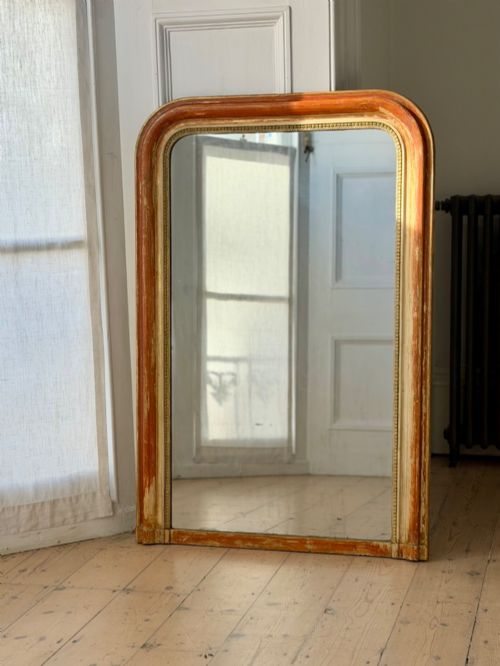
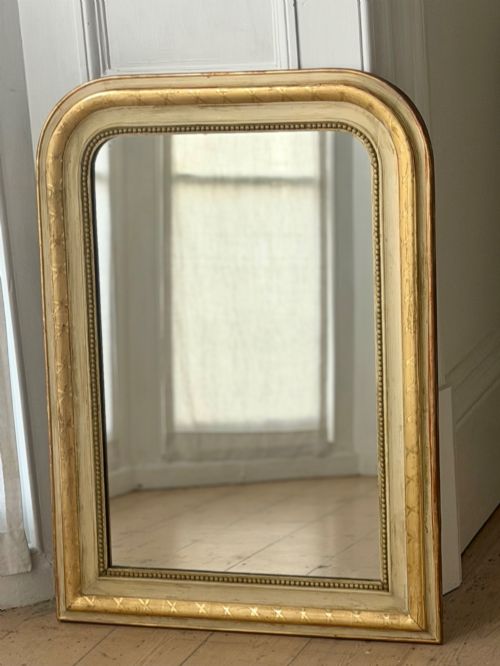
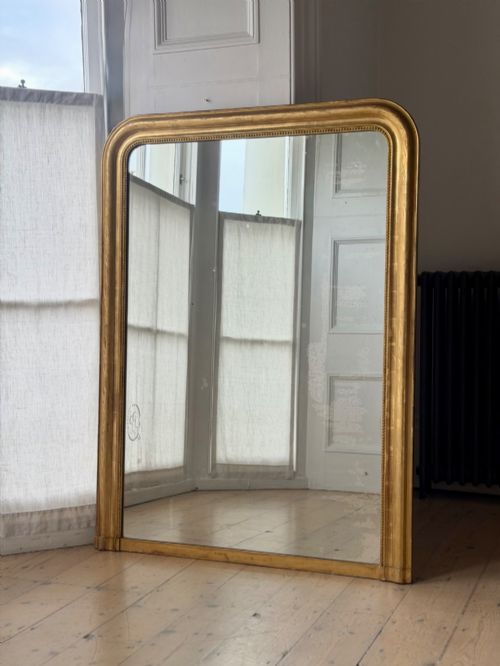
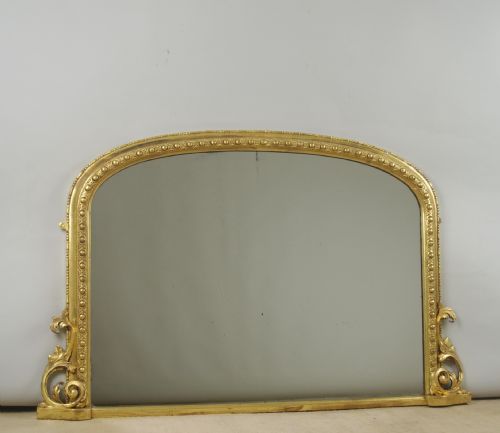
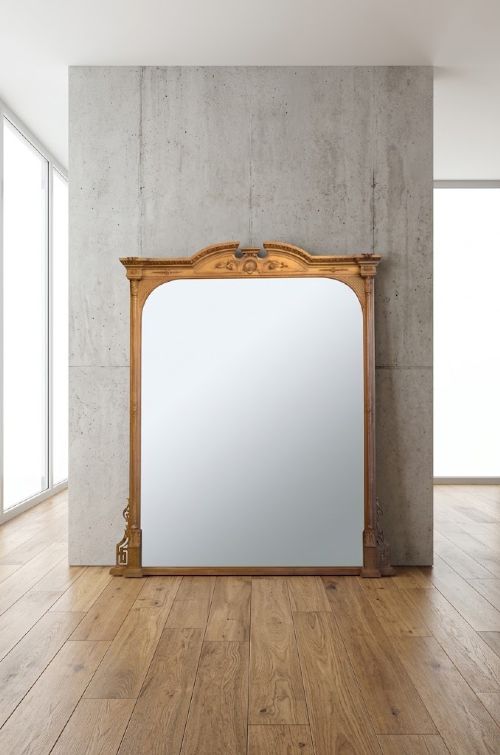
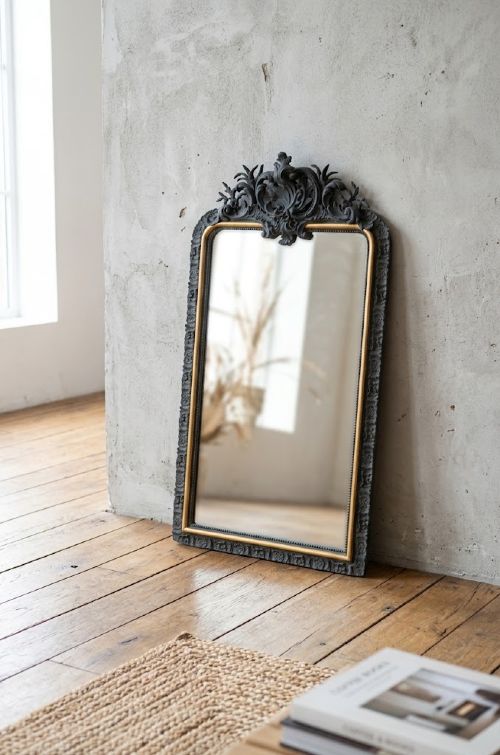
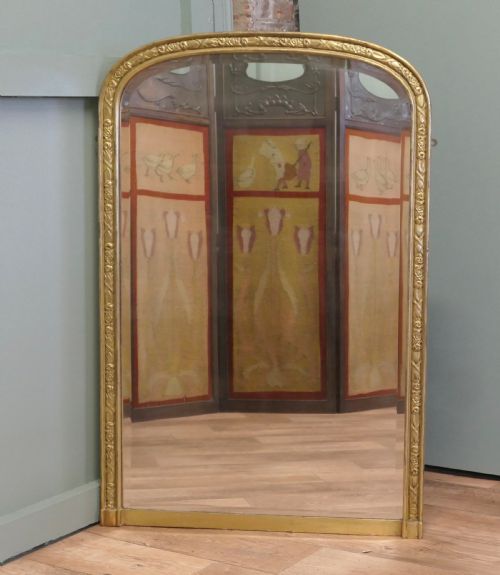
A vintage arch mirror typically manifests as a large overmantel mirror or wall mirror designed with a rounded or shaped top. These pieces trace back through the nineteenth century, including Victorian periods, alongside Louis Philippe and Rococo styling.
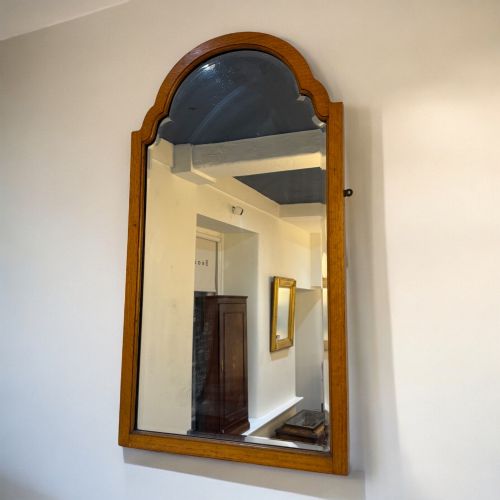
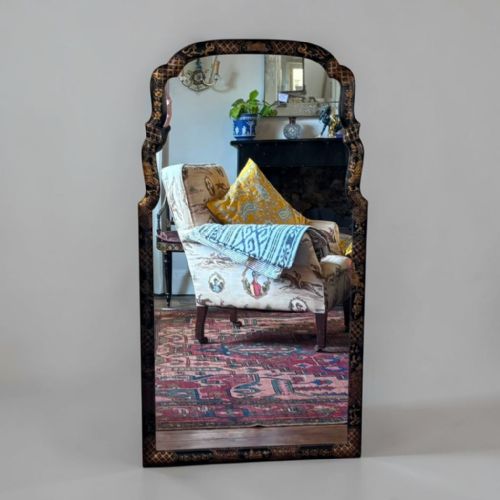
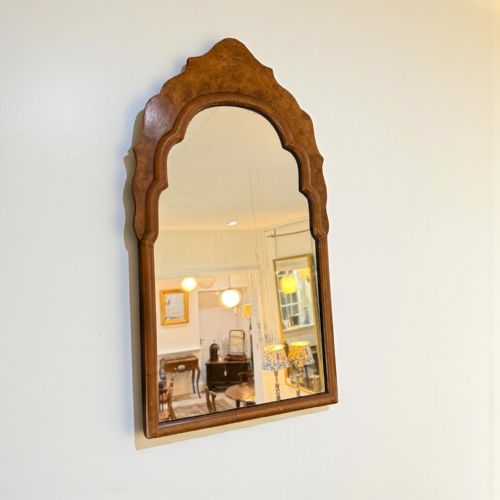
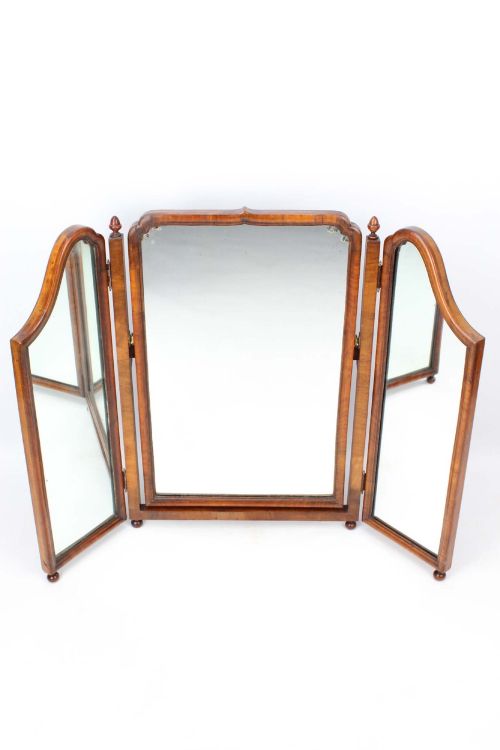
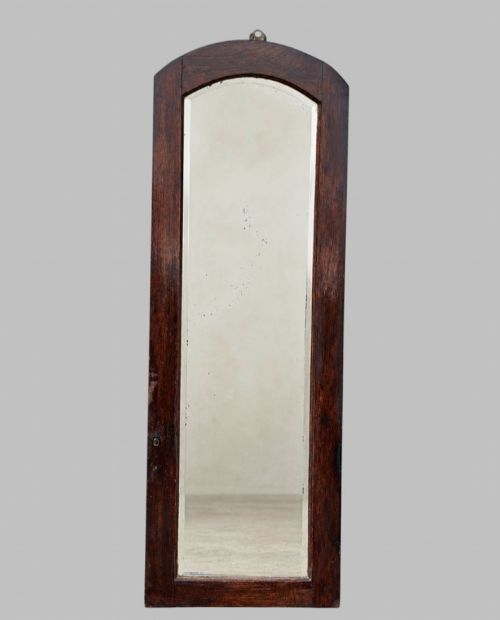
The selections span grand architectural overmantels meant for chimney breasts to pier mirrors and smaller dressing table mirrors in mahogany or oak. French origins feature strongly alongside English pieces, often retaining substantial proportions and curved frames.
How they were made
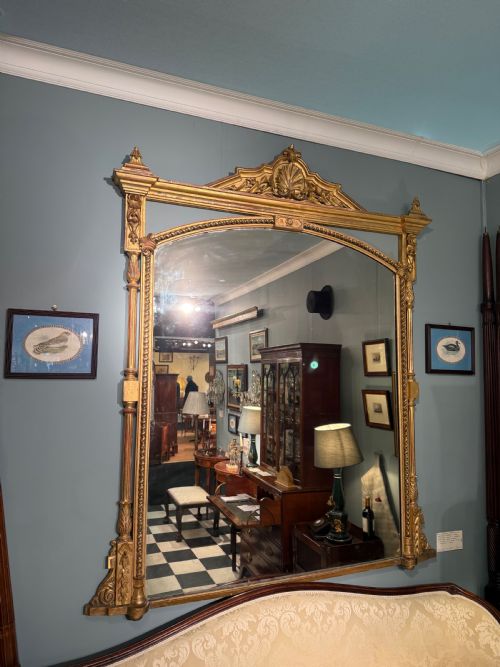
Frames combine carved wood, gesso, and giltwood, applying applied plaster ornaments over timber bases before laying down gold leaf or paint. Mahogany, oak, and walnut provide sturdy structural carcasses for both table and wall formats.
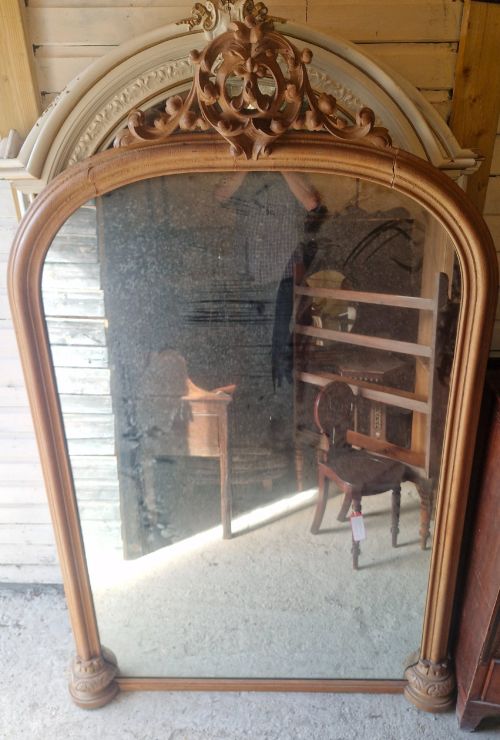
Glass plates vary from modern bevelled edges to older mercury glass showing foxing spots. Silvering and paint finishes layer the surfaces, incorporating palettes ranging from gilt and parcel-silvered to layered lilac and ink blue.
Several mirrors wear unexpected palettes, swapping traditional gold leaf for layered lilac and ink blue.
What varies in quality
Depth and crispness of the carved wood and gesso ornamentation separate standard frames from exceptional examples. Hand-carved botanical motifs and deep moulding profiles require significant artisan skill.
Originality of the glass plate and surface gilding dictates the integrity of the piece. Untouched giltwood surfaces and period mercury glass hold greater historical consistency than later replacements.
Heal And Sons
The Vintage Arch Mirror Glossary
- Gesso
- A plaster-like mixture applied to wood frames to create a smooth surface for gilding or painting. It is built up in layers before being carved or stamped with decorative motifs.
- Foxing
- Small dark spots and speckling that develop on older mirrors as the backing degrades over time. This chemical ageing process appears frequently on nineteenth-century mercury glass.
- Overmantel mirror
- A large horizontal or arched mirror specifically proportioned to hang above a fireplace mantelpiece. These frames often reflect surrounding room light down into the living space.
- Pier mirror
- A tall, narrow mirror designed to hang on the wall space between two windows. They maximise available daylight in nineteenth-century drawing rooms.
- Louis Philippe
- A French nineteenth-century style characterised by restrained classical curves and simple arched tops. These pieces avoid heavy ornamentation in favour of elegant proportions.
Vintage Arch Mirror: Frequently Asked Questions
How do I identify a Victorian mirror?
Victorian examples often utilise heavy mahogany, walnut, or gesso-framed giltwood with substantial backing boards.
Details frequently incorporate architectural moulding or Gothic influences typical of the nineteenth century.
What is foxed glass?
Foxed glass refers to mirrors where the reflective backing has aged and developed speckled spots or cloudy patches.
This natural deterioration is valued by collectors for the atmospheric, antique aesthetic it brings to a room.
Are French and English mirrors different?
French designs, particularly Louis Philippe and Rococo variants, lean towards softer gilt curves and lighter decorative gesso work.
English pieces from the same era frequently employ darker timbers like mahogany and sturdier structural framing.