



Vintage Apothecary Jar
These vintage apothecary jar examples bring utilitarian heritage indoors, offering medical and botanical history through utilitarian glass, ceramic, and treen vessels.
Vintage Apothecary Jar
A vintage apothecary jar encompasses storage vessels, carboys, dispensing bottles, and albarello drug jars used historically by chemists and apothecaries. These pieces derive from periods spanning the eighteenth, nineteenth, and early twentieth centuries, reflecting diverse European traditions.
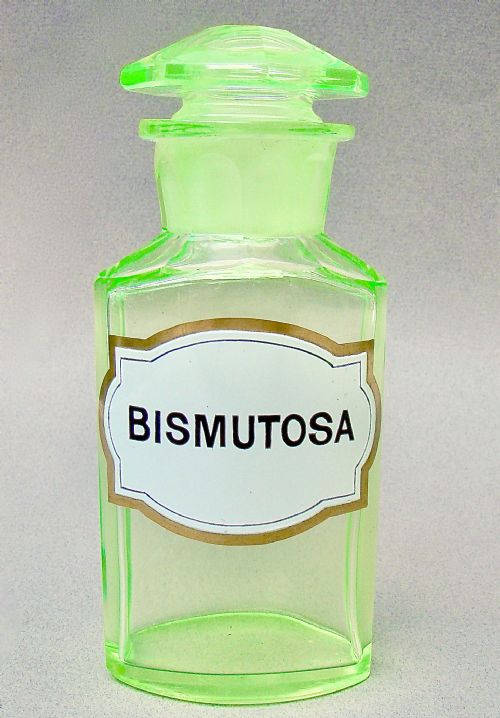
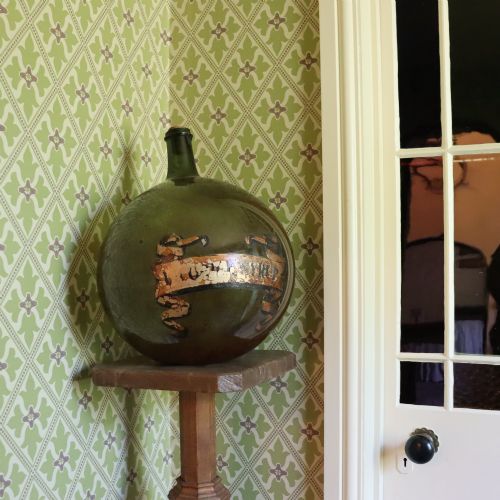
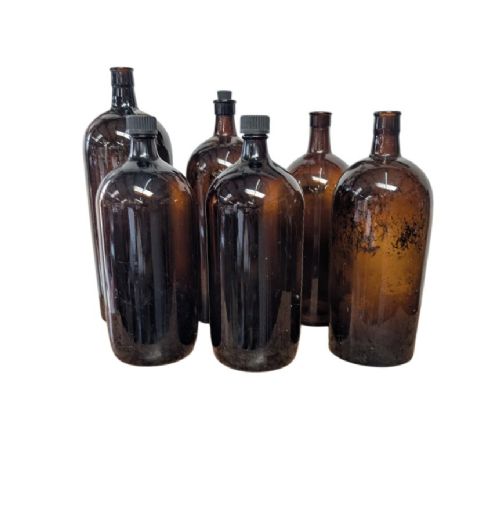
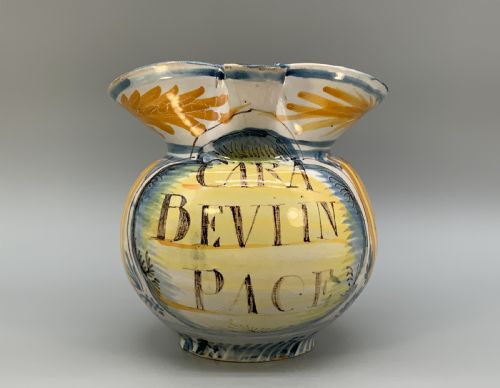
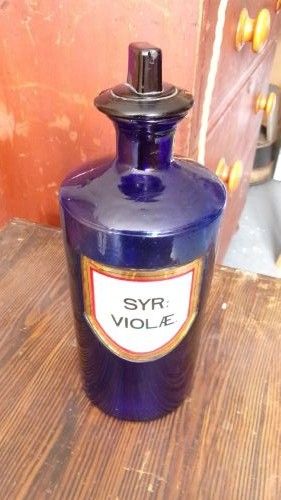
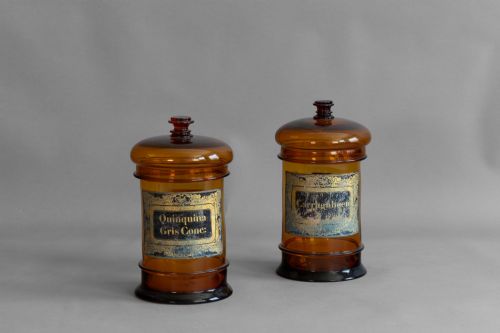
The most common iterations on this page comprise nineteenth-century glass pharmacy bottles, earthenware drug jars, and treen mortars originating from English, French, and Italian workshops. Collectors encounter clear, amber, Bristol blue, and green glass alongside tin-glazed faience and majolica ceramics.
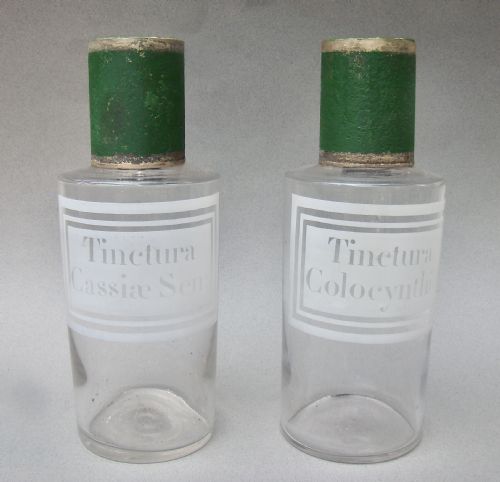
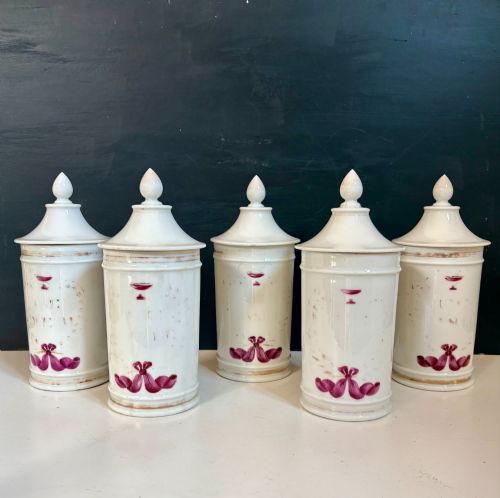
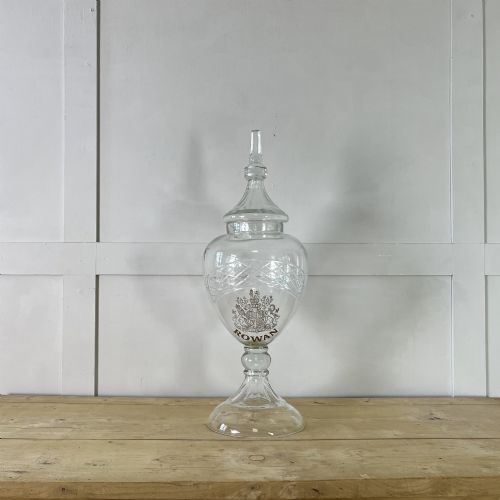
Forms vary from tall lidded display cylinders and wide-mouthed pickling jars to small tincture bottles and handled pharmacy jugs. Each type served a distinct function within historical dispensaries, from holding dried botanicals to storing liquid medicines.
How they were made
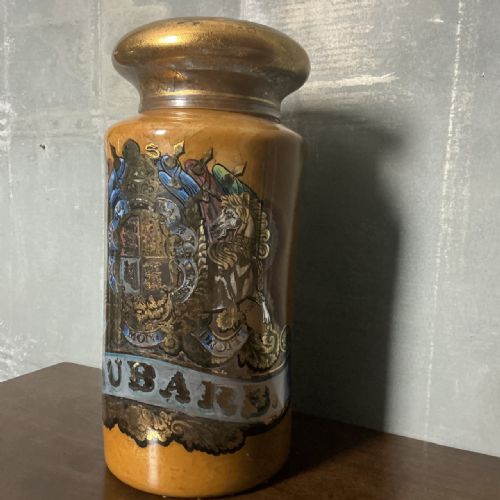
Makers utilised free-blown and mould-blown glass techniques to create heavy glass jars, chemist bottles, and large display carboys with distinctive pontil marks and surface bubbles. Ceramic examples employ earthenware and faience bodies covered in opaque tin glazes, often painted with polychrome pigments, manganese, or blue and white designs.
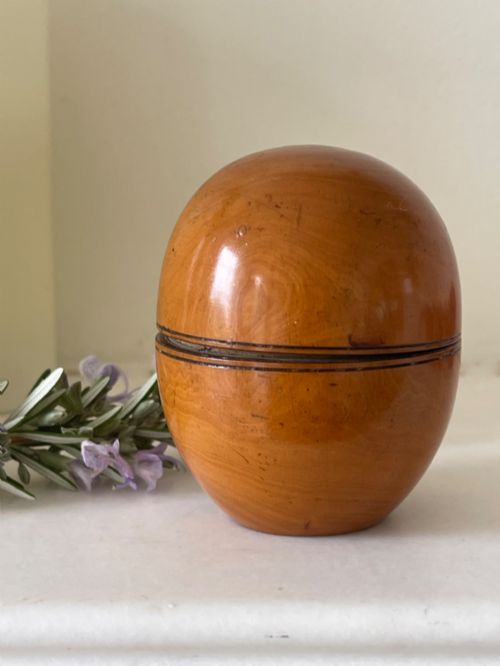
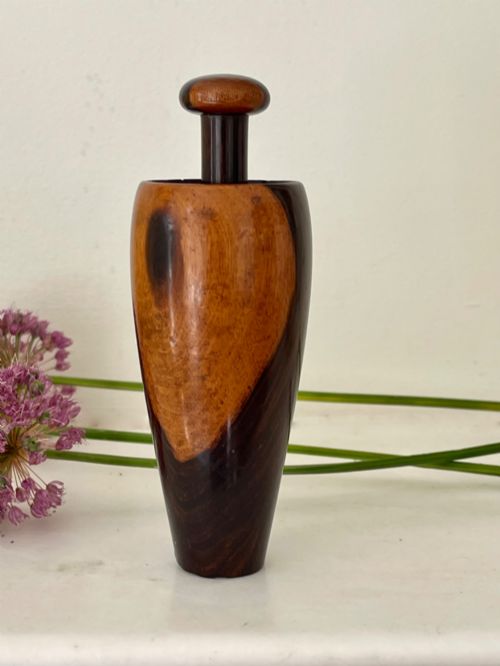
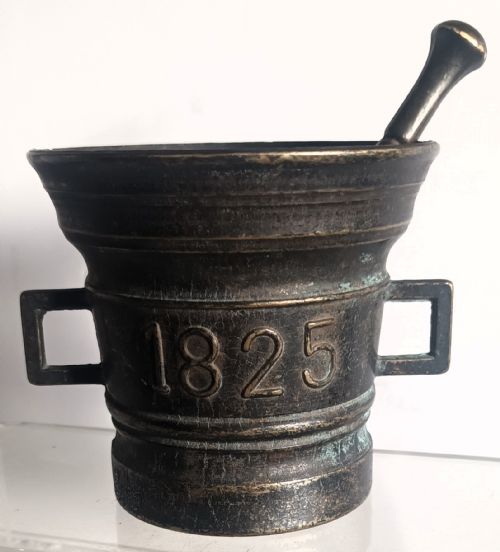
Wooden items such as treen pill silverers, snuff mortars, and sycamore jars were turned on lathes from dense hardwoods. Labels on glass vessels frequently relied on painted paper applied beneath protective layers or direct enamel and etched lettering.
Vintage Apothecary Jar Retail Price Guide 2026
Typical asking prices for vintage apothecary jar among the pieces listed under this phrase on Sellingantiques today, from the lower quarter to the upper quarter. They describe what is for sale here now, not the wider market.
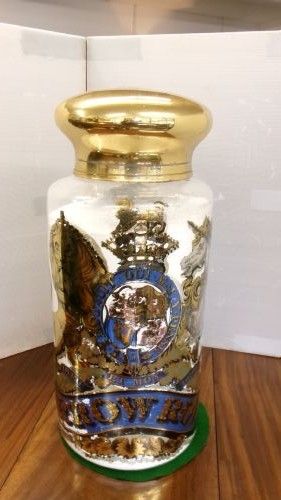
The listings on this site span materials from blown glass and tin-glazed earthenware to brass, gold leaf, and turned treen.
What varies in quality
The degree of hand-craftsmanship distinguishes standard utilitarian containers from exceptional display pieces, particularly in the precision of glass blowing, the complexity of ceramic tin-glaze painting, and the crispness of turned treen grain. Original matching stoppers, intact paper labels, and legible painted drug inscriptions elevate the integrity of individual examples.
Proportions and scale govern visual impact, separating modest domestic pharmacy bottles from monumental shop carboys and grand Italian majolica albarello jars intended for prominent dispensary shelving.
The Vintage Apothecary Jar Glossary
- Albarello
- A type of majolica or faience ceramic pharmacy jar designed with an indented waist for ease of handling. These cylindrical containers traditionally held wet or dry drugs in apothecary shops.
- Carboy
- A large globular glass vessel enclosed in a protective base or used independently for storing large volumes of liquid. Apothecaries displayed these oversized containers in shop windows.
- Faience
- Tin-glazed earthenware produced across Europe, particularly in France, Italy, and the Netherlands. The opaque white glaze provides a smooth surface for painted pharmaceutical inscriptions.
- Pontil mark
- The rough scar left on the base of a blown glass vessel where the pontil rod was detached. Its presence indicates traditional hand-manufacturing methods.
Vintage Apothecary Jar: Frequently Asked Questions
What did apothecary jars hold?
Apothecaries used these vessels to store dried roots, herbs, powders, and compound medicines required for daily prescriptions. Larger carboys held distilled liquids and chemical solutions in dispensary windows.
Smaller tincture bottles contained specific liquid extracts, while albarello jars kept dry or semi-liquid drugs sealed and organised on dispensary shelves.
How do I date an old jar?
Dating relies on manufacturing characteristics such as pontil marks, glass colour variations like Bristol blue or amber, and ceramic glaze types. Eighteenth-century examples often display tin-glazed earthenware bodies with hand-painted drug labels.
Later nineteenth-century and early twentieth-century pieces incorporate machine-moulded glass, paper labels, and etched lettering typical of industrial production methods.
Are stoppers usually original?
Original stoppers remain uncommon due to the fragile nature of glass and ceramic handles over centuries of daily pharmacy use. Many surviving bottles and jars are matched with period-appropriate replacements or displayed without covers.
Matching stoppers that show identical wear and glass tint add significantly to the historical completeness of a piece.
How can I display them at home?
These vessels suit placement on open shelving, windowsills where light passes through coloured glass, or styled within cabinet displays. Pairs and sets create visual rhythm on mantelpieces or sideboards.
Grouping jars by colour, such as Bristol blue or deep green, highlights their historical utility and decorative qualities in modern interiors.