



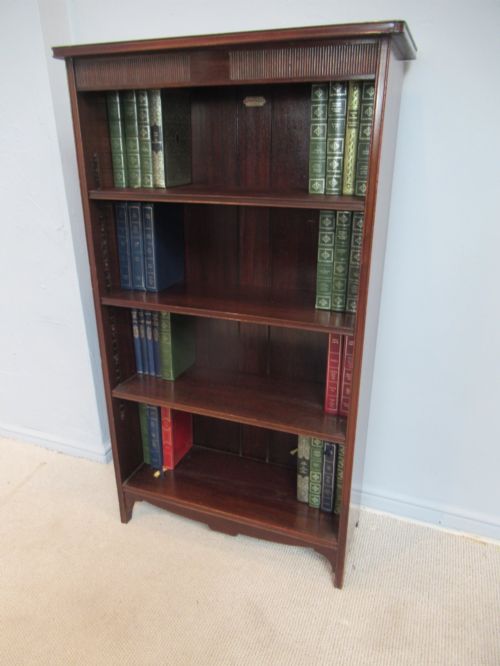

Vintage Adjustable Bookcase
These vintage adjustable bookcase examples solve the perennial problem of shifting shelf heights with sturdy timber construction and period character.
Vintage Adjustable Bookcase
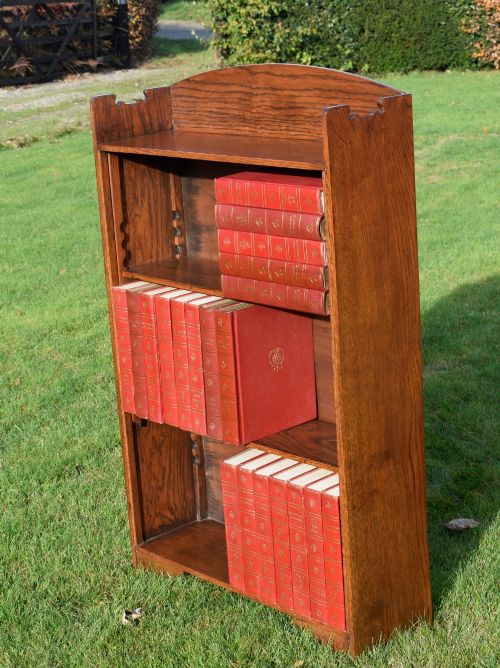
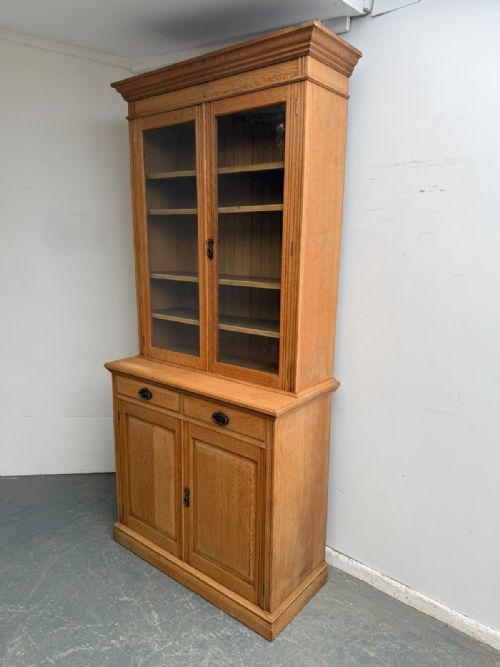
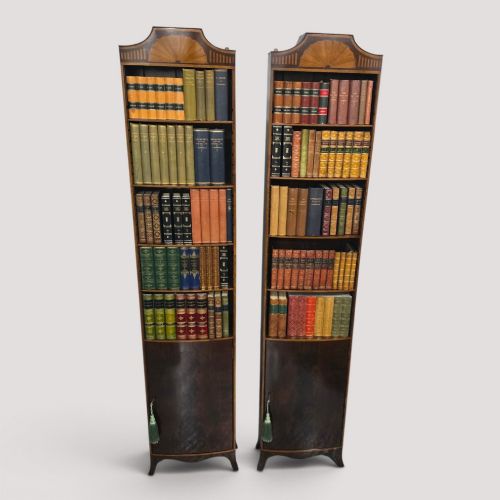
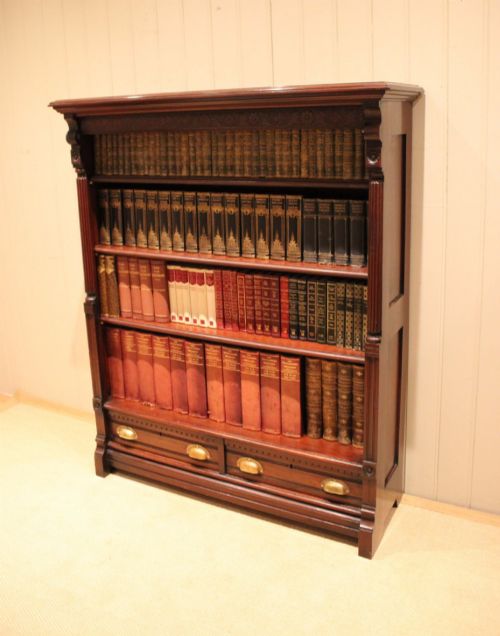
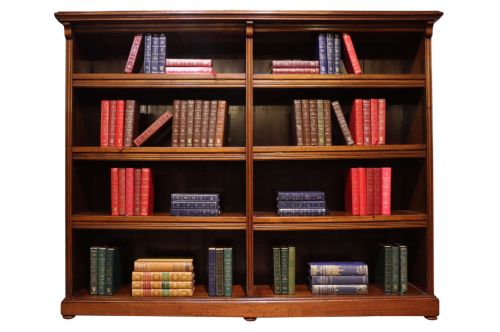
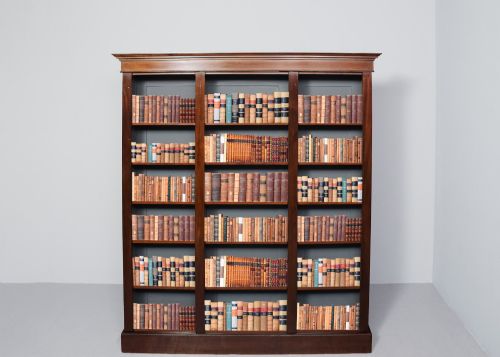
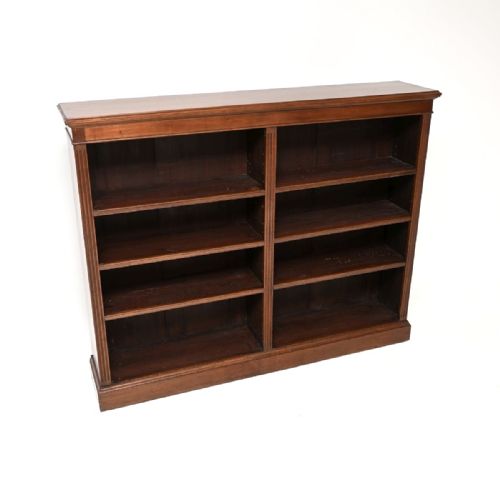
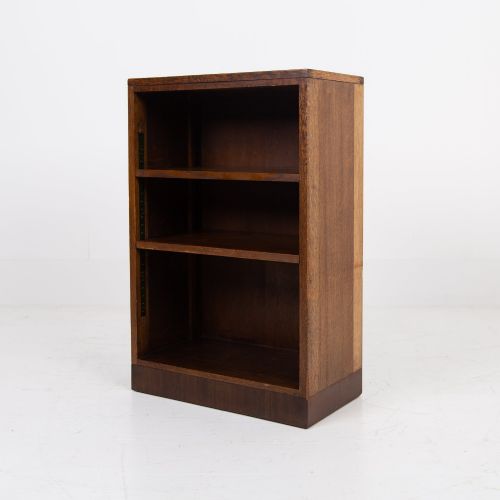
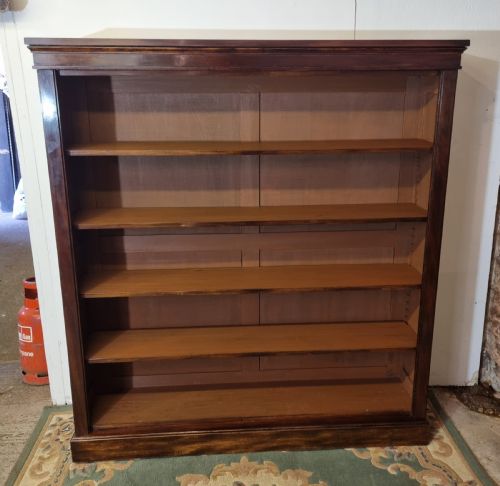
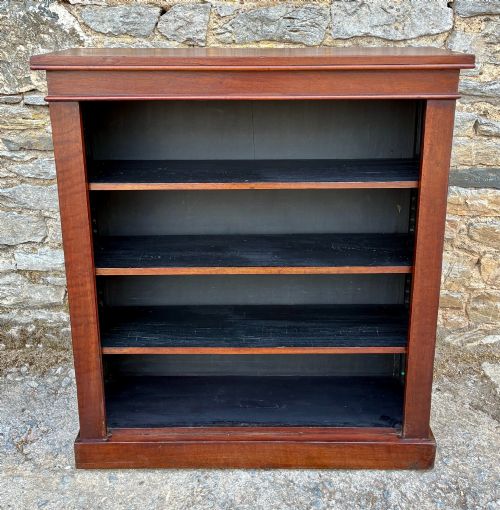
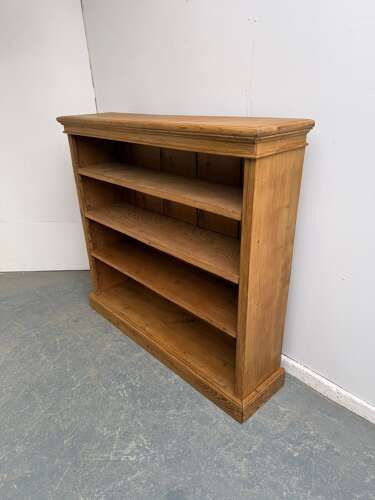
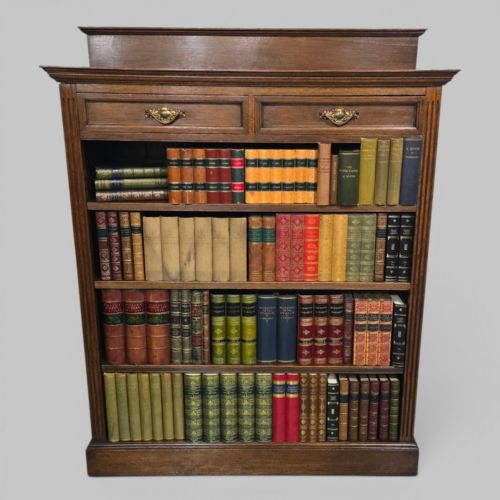
A vintage adjustable bookcase provides flexible shelving for growing libraries, utilising open fronts and movable shelves to accommodate volumes of varied heights. Most pieces seen here date from the Victorian, Edwardian, and 1930s periods, spanning sturdy oak, figured mahogany, and rich walnut.
Forms range from low table-height units and slim single bays to large breakfront configurations and three-section library bookcases. Buyers frequently encounter Edwardian and 1920s oak or mahogany iterations featuring simple open shelving alongside occasional glazed cabinets or integrated reading stands.
Materials and construction
Makers built these pieces primarily from solid oak and mahogany, often incorporating walnut veneers, satinwood inlay, and secondary softwoods like pine. Brass fittings appear on shelving mechanisms and hardware, while select examples utilise marble tops or leather writing surfaces.
Construction relies on traditional joinery methods suited to heavy weight loads, with upright sides grooved or fitted with adjustable peg supports for the timber shelves. Breakfront designs and multi-section libraries utilise modular carcases joined securely to handle substantial collections.
Vintage Adjustable Bookcase Retail Price Guide 2026
Typical asking prices for vintage adjustable bookcase among the pieces listed under this phrase on Sellingantiques today, from the lower quarter to the upper quarter. They describe what is for sale here now, not the wider market.
Some industrious readers clearly needed to consult volumes while standing, given the survival of reading stands and extending desk slides.
Distinctions in quality
Quality rests upon the selection of timber, the sophistication of the figuring in mahogany and walnut, and the precision of the adjustable shelf mechanisms. Superior pieces display refined proportions, disciplined inlay work, and robust carcase construction without sagging shelves.
Workshop origin elevates certain examples, particularly those bearing maker attribution, alongside unusual configurations like revolving formats, breakfront layouts, or integrated reading accessories.
Waring and Gillows
The Vintage Adjustable Bookcase Glossary
- Adjustable shelves
- Movable timber boards supported by internal pegs or ratchet systems that allow custom spacing for books.
- Breakfront
- A large bookcase design where the central section projects forward from the flanking outer bays.
- Open bookcase
- A shelving unit without doors, providing direct access to the books stored within.
- Revolving bookcase
- A compact, table-top or floor-standing unit mounted on a rotating pivot to allow access from any angle.
- Book slide
- An extending desk accessory designed to hold a small row of books upright between adjustable ends.
Vintage Adjustable Bookcase: Frequently Asked Questions
How do I adjust the shelves?
Most period bookcases use wooden support pegs resting inside vertical rows of holes drilled into the interior sides. You simply lift each shelf, reposition the pegs at the desired height, and lower the board back into place.
Heavier library bookcases occasionally utilise brass strip tracks or ratchet supports which require tilting the shelf to engage the teeth at a new level.
Can these hold heavy books?
Solid oak and mahogany construction provides exceptional strength for dense hardback volumes and reference books. The thickness of the timber shelves prevents bowing under normal library loads.
It remains wise to distribute heavier folios across the lower fixed or adjustable shelves to maintain overall stability.
How do I date a piece?
Dating relies on timber choice, decorative motifs, and overall structural style found across Victorian, Edwardian, and 1930s examples. Edwardian pieces often show lighter oak or walnut with minimal Edwardian styling, while Victorian items typically feature deeper mahogany and heavier proportions.
Hardware details like brass fittings and backboard construction further help narrow the decade of manufacture.
Where should I place it?
Open bookcases suit studies, living rooms, and home libraries where easy access to frequently read volumes matters most. Keeping them out of direct sunlight preserves the rich tones of mahogany, walnut, and oak.
Allowing slight clearance behind the unit ensures proper air circulation against exterior walls.