



Vintage Accent Cabinet
A vintage accent cabinet brings instant character to a room, offering practical storage through compact forms shaped by Edwardian, Victorian, and Art Deco design.
Vintage Accent Cabinet
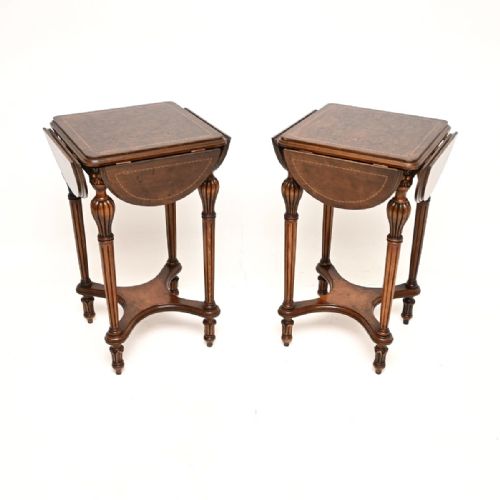
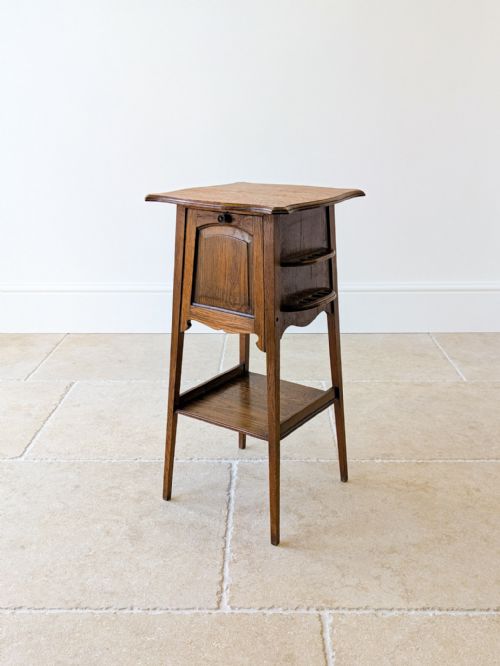
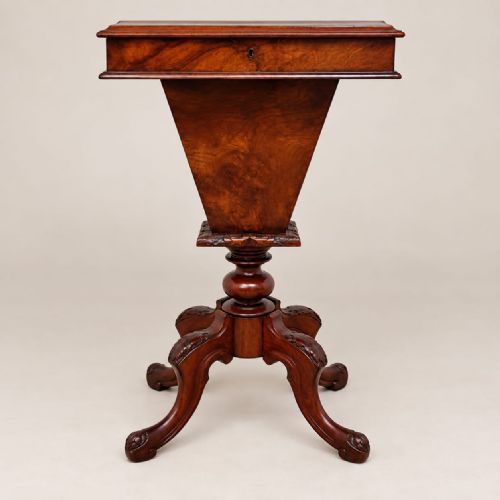
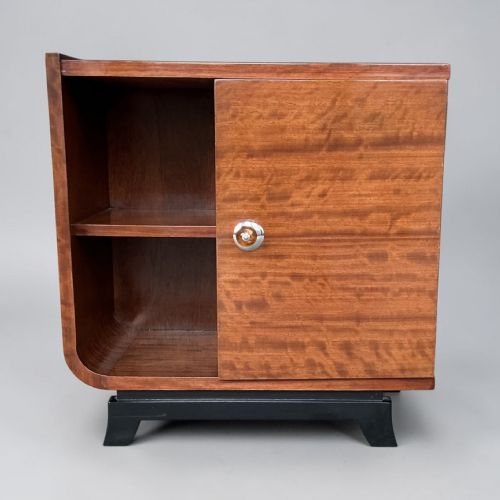
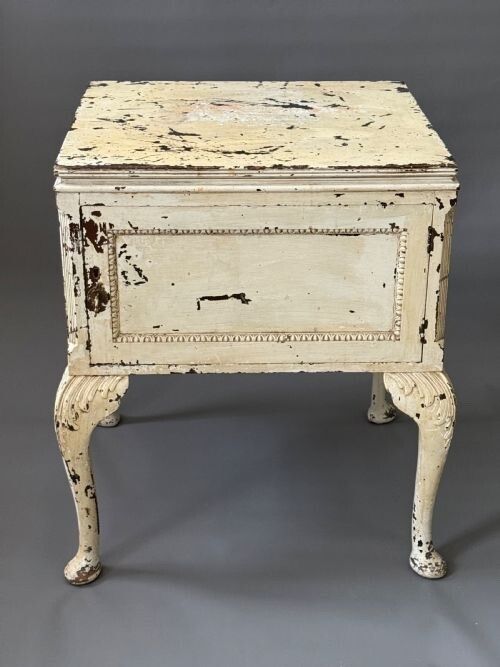
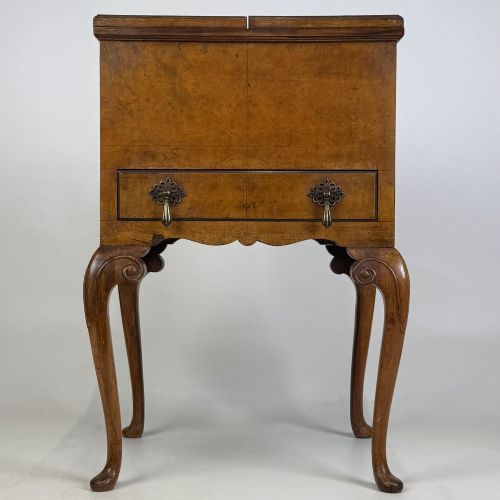
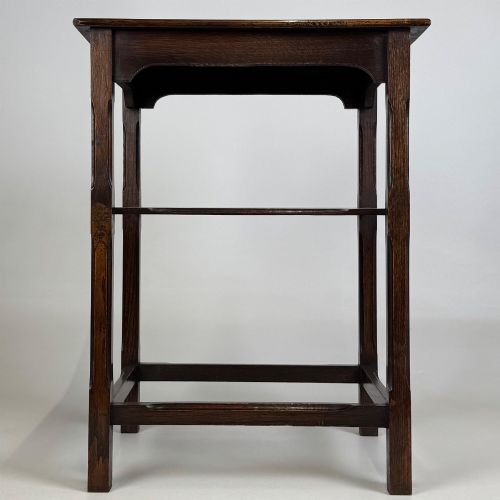
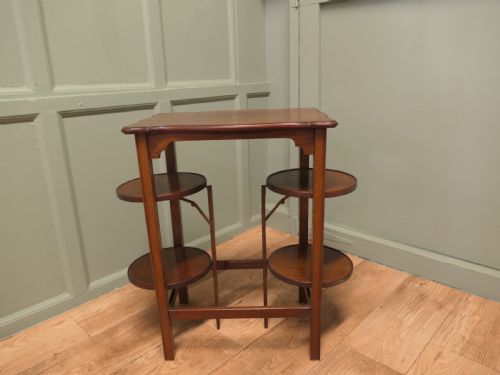
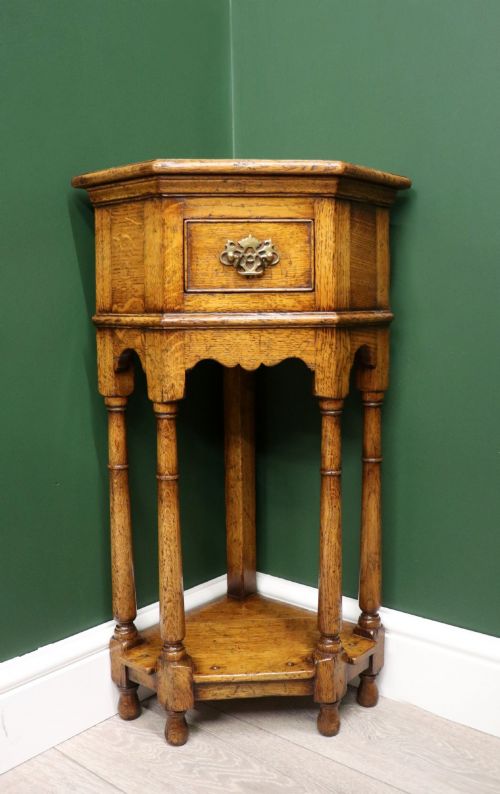
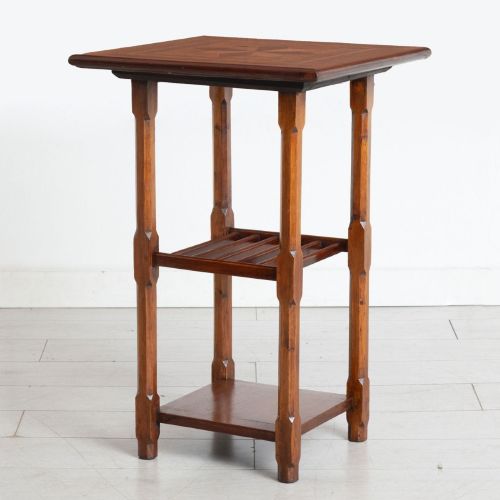
A vintage accent cabinet encompasses a diverse group of compact furniture designed to punctuate a room with utility and decorative presence. These pieces emerge predominantly from the Edwardian, Victorian, and Art Deco eras, spanning the late nineteenth century into the 1930s. Buyers searching for a vintage accent cabinet encounter varied forms, including narrow cupboards, bedside chests, side cabinets, and occasional tables with storage capacity.
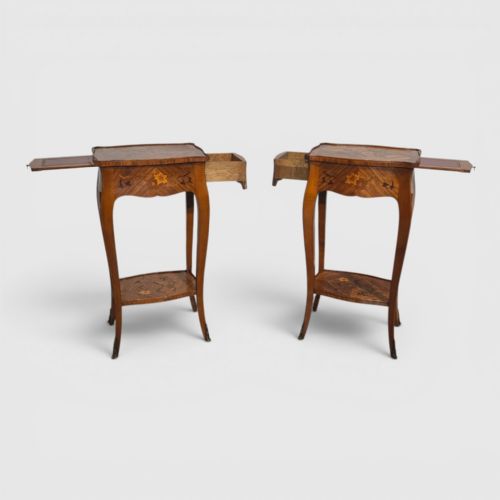
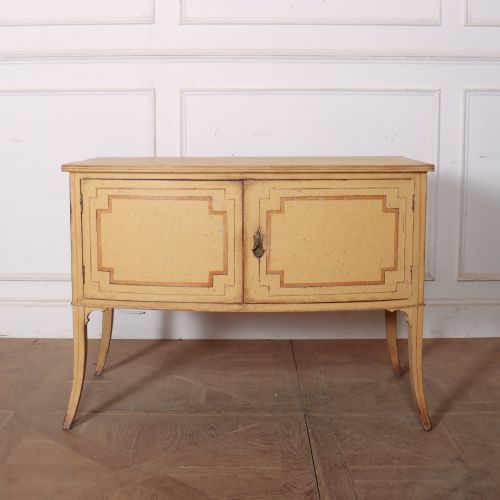
The selection on this page reflects a wide geographic and stylistic reach, stretching from English country oak to French marquetry and Chinese export pieces with mother of pearl inlay. Side cabinets and small cupboards dominate the current offerings, often standing on cabriole legs or featuring bow fronts. Whether utilising a marble top, painted finishes, or simple timber construction, each piece functions as a focal point that breaks up monotonous modern layouts.
Materials and construction
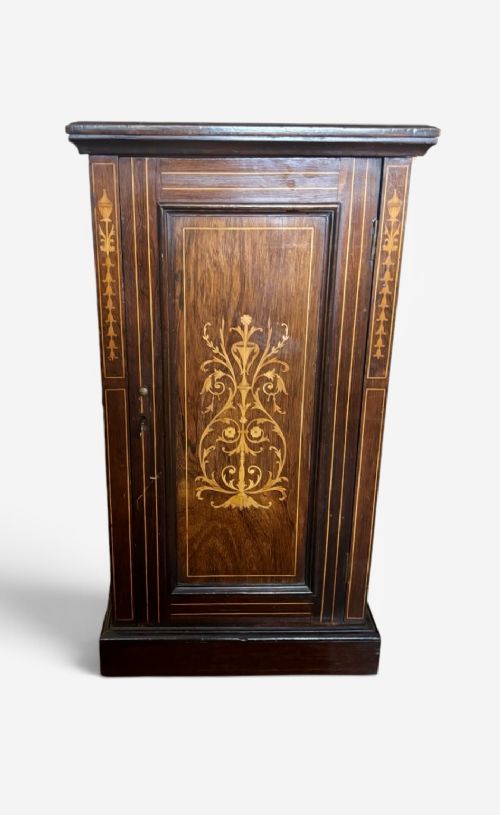
Cabinet makers relied heavily on robust hardwoods like mahogany, oak, walnut, and burr walnut, frequently applying fine veneers to achieve rich grain patterns. Rosewood, satinwood, and birch also appear, supporting intricate marquetry and inlay work that demands steady handiwork. Structural integrity relied on traditional joinery, while decorative details incorporated brass hardware, mother of pearl, and carved giltwood.
Surface treatments varied widely by region and period, encompassing French polishing, hand-waxed pine, painted finishes, and specialised quarter-venenering. French Art Deco pieces often showcased sleek geometry paired with exotic timbers, while Edwardian workshops favoured lighter mahogany structures with delicate stringing. Marble tops added weight and durability to specific bedside and side cabinets intended for functional daily use.
Vintage Accent Cabinet Retail Price Guide 2026
Typical asking prices for vintage accent cabinet among the pieces listed under this phrase on Sellingantiques today, from the lower quarter to the upper quarter. They describe what is for sale here now, not the wider market.
A tiny mother of pearl inlay whispers secrets from distant workshops.
What distinguishes finer examples
Quality in these cabinets rests upon the precision of the joinery and the selection of timber figures, such as matching burr walnut or vibrant mahogany grains. Superior pieces demonstrate crisp carving, tight veneer work without lifting edges, and balanced proportions that harmonize with the designated style, whether Louis XV Revival or Arts and Crafts.
The sophistication of secondary details elevates a piece from standard utility to notable craftsmanship. Original brass fittings, well-fitted doors that swing true, and intricate marquetry or mother of pearl inlay executed with exact geometry separate the finest examples from simpler utilitarian storage cupboards.
Bath Cabinet Makers·Otto Schulz for Boet
The Vintage Accent Cabinet Glossary
- Marquetry
- Decorative veneer applied to furniture in geometrical patterns or pictorial scenes using various coloured woods. This technique required immense patience to cut and fit each tiny wooden segment precisely.
- Cabriole leg
- A furniture leg that bends outward in a convex curve and tapers inward to a concave curve terminating at a foot. Originating from classical designs, it gained immense popularity in revival styles.
- Bow front
- A convexly curved front surface on a cabinet or chest of drawers. This curved construction required skilled carpentry to bend timber or shape solid wood blocks cleanly.
- Bijouterie cabinet
- A glazed display table or cabinet designed specifically to showcase small valuables, curiosities, or jewellery. These pieces usually feature glass tops and delicate framing.
- Dumb waiter
- A tiered movable serving stand or small side table designed to hold dishes or beverages without servant assistance. They typically feature rotating or stacked circular trays supported on a central pillar.
Vintage Accent Cabinet: Frequently Asked Questions
Where should I place a vintage accent cabinet?
These compact cabinets suit dead corners, narrow hallways, or beside seating where standard furniture feels too bulky. Their modest footprints allow them to add character without overwhelming the room.
They function effectively as lamp tables, bedside stands, or miniature cocktail stations depending on the interior layout. Selecting a spot with moderate light protects older timber finishes and delicate inlays from fading.
How do I clean a wooden accent cabinet?
Maintain timber surfaces by dusting regularly with a soft, dry cloth to prevent grit accumulation. Avoid modern silicone sprays that build up and damage antique finishes over time.
Nourish older wood periodically using a quality beeswax polish applied sparingly and buffed gently. Keep these pieces away from direct heat sources and strong sunlight to prevent the timber and veneer from splitting.
What is the difference between Edwardian and Victorian cabinets?
Victorian cabinets generally feature heavier proportions, darker timbers like rosewood or walnut, and more ornate carving. They reflect a period of industrial confidence and elaborate domestic display.
Edwardian pieces tend to feel lighter and airier, often utilising inlaid mahogany and simpler geometric lines influenced by neoclassical revivals and the Arts and Crafts movement. The scale often drops slightly, reflecting changing urban room sizes.
Can I use an antique bedside cabinet in a modern bedroom?
Mixing antique timber pieces with modern bedroom design introduces textural depth and visual warmth. A small walnut or oak cupboard provides concealed storage for books and glasses while breaking up uniform contemporary furnishings.
Ensure the height matches your mattress level for comfortable daily use. The variety of styles available means you can find a piece that quietly complements your existing decor.