

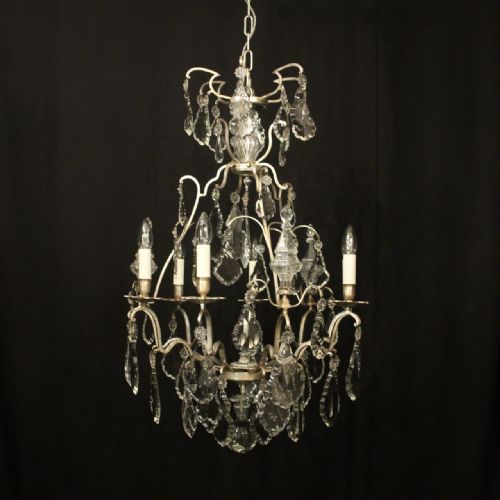
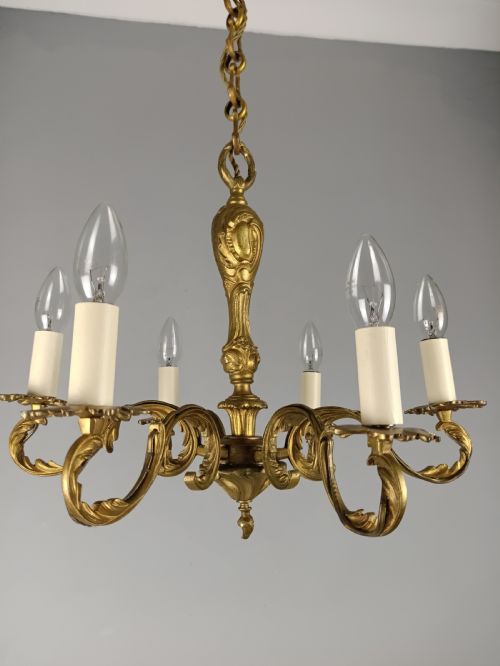

Vintage 6 Arm Chandelier
A vintage 6 arm chandelier provides an overhead focal point, combining multiple light branches with period character.
Vintage 6 Arm Chandelier
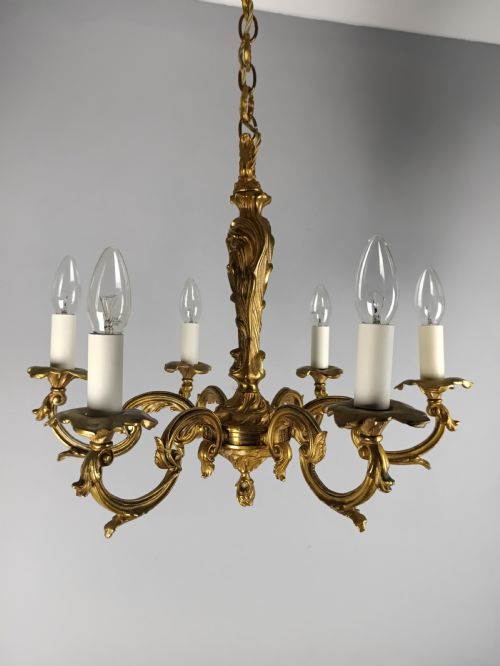
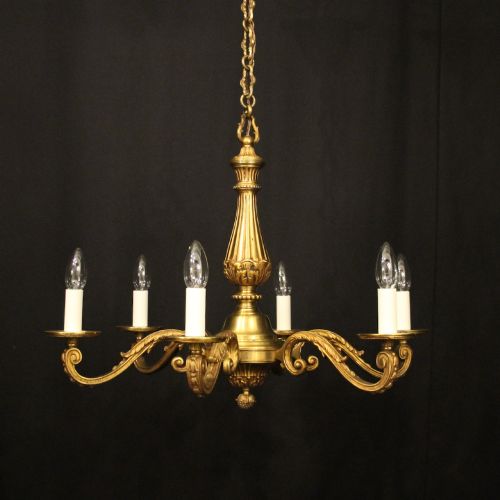
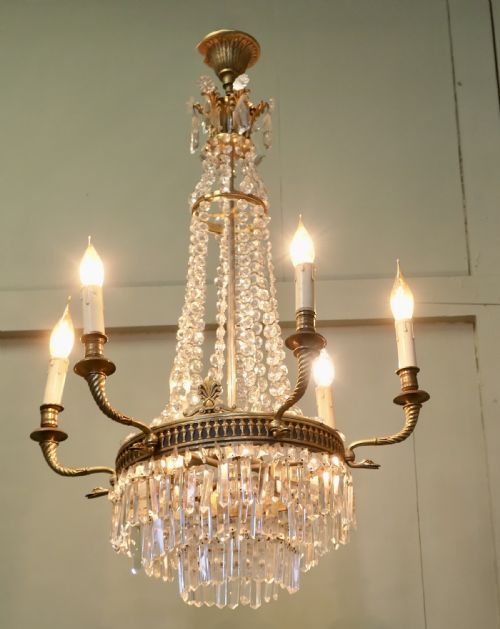
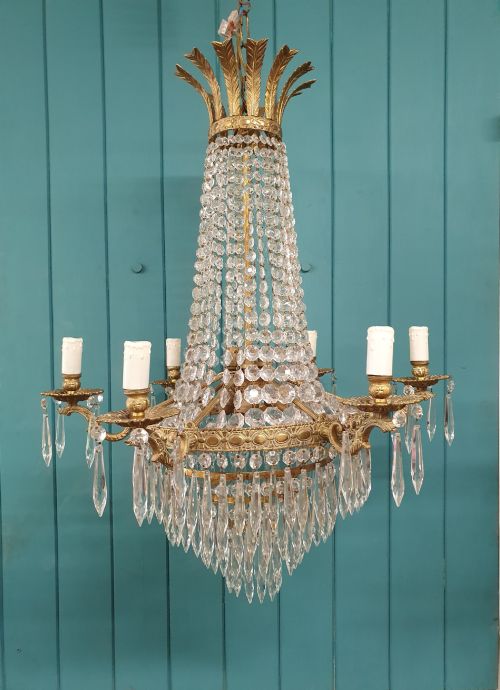
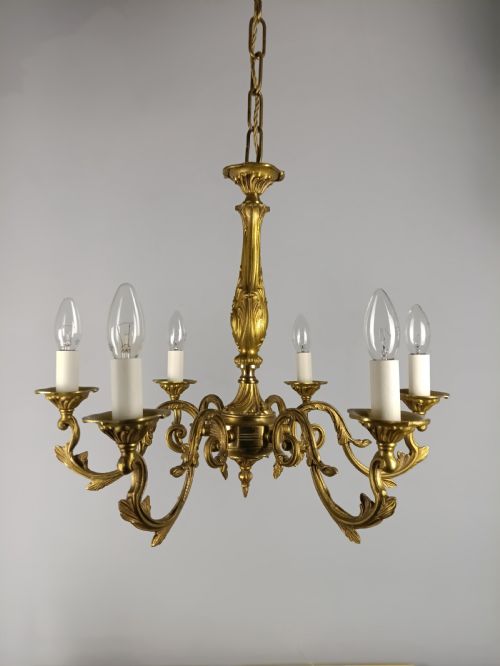
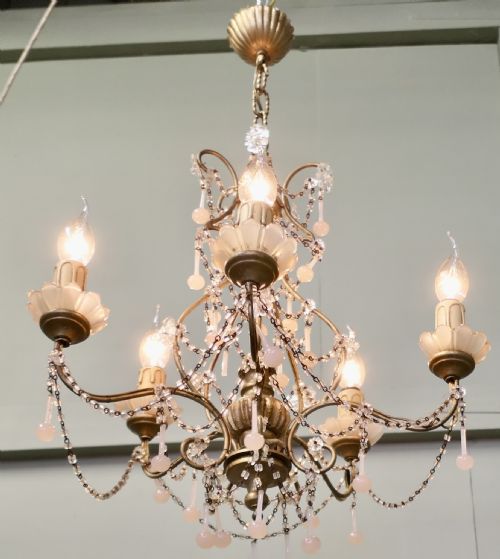
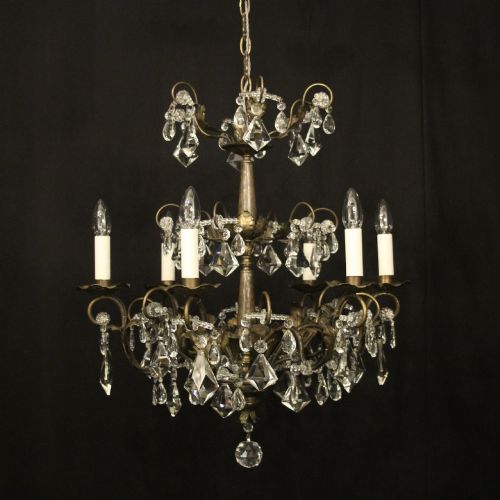
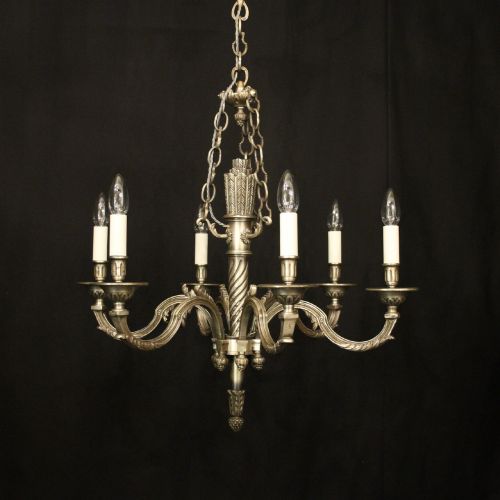
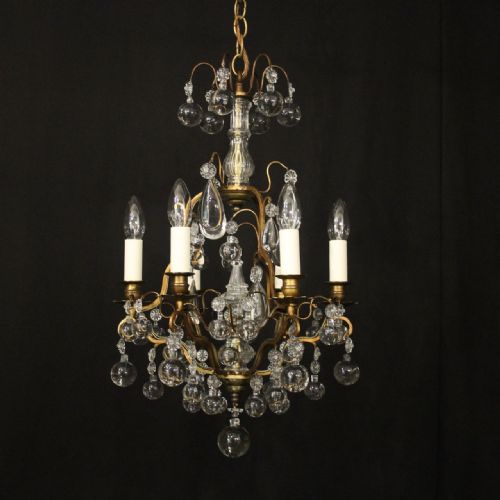
A vintage 6 arm chandelier brings period illumination to a room through branching metal or glass frameworks. When searching for a vintage 6 arm chandelier, you encounter French, Italian, and English forms originating from periods spanning the late nineteenth century through to the 1930s. These overhead fixtures distribute light across six distinct branches, often taking stylistic cues from the French Empire, Rococo, or Edwardian aesthetics.
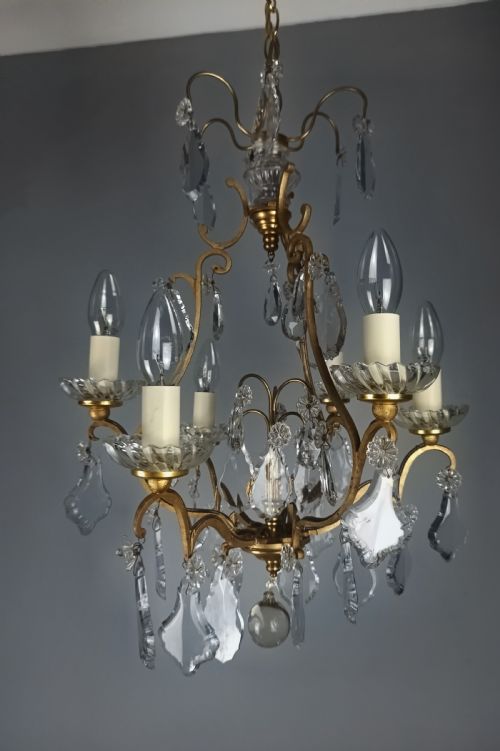
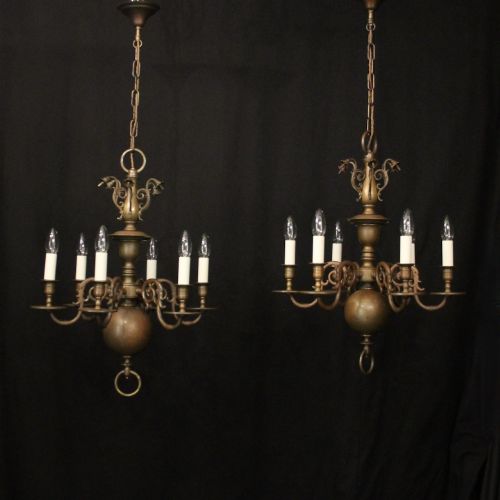
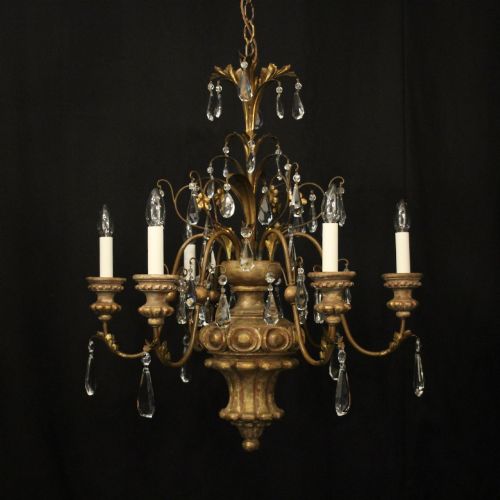
The selection here encompasses various interpretations of the form, from gilded bronze and brass frames to designs hung with crystal lustres or coloured glass. Alongside standard ceiling suspensions, the listings include related forms such as tent and waterfall configurations, Dutch brass models, and Venetian art deco pieces. Each example reflects the prevailing interior taste of its decade of origin, utilising traditional metalworking and glass-shaping methods.
Materials and construction
Makers constructed these chandeliers using cast and forged metals including brass, bronze, copper, and gilt-finished variants. Structural arms extend from central stems, held together by pins, screws, or threaded components typical of period metalwork. Gilt bronze and gilded brass surfaces often display chased or patinated details that catch the ambient light.
Glass and crystal elements play a primary role in the construction, appearing as drops, lustres, beads, and opalescent shades. Workers hung these glass components from the metal frames using wire loops or metal pins, creating the cascading effect seen in tent and waterfall configurations. Venetian and Italian pieces incorporate coloured glass and crystals directly into the arm structures and bobeches.
Listings feature pieces spanning the 19th century through the 1930s, constructed in brass, bronze, crystal, and glass.
Distinctions in quality
Quality in these chandeliers rests upon the crispness of the metal casting and the depth of the surface gilding or patination. Finer examples show hand-chased detail on bronze and brass components, where decorative motifs remain sharp and well-defined rather than soft or blurred. The weight and gauge of the metal used for the central stem and arms also indicate the standard of production.
The integrity and clarity of the glass elements distinguish superior pieces from standard ones. High-grade crystal lustres exhibit clean cutting facets and uniform colour, whereas lesser examples may show bubbles or uneven surfaces. The original matching of components, such as consistent glass drops and balanced arm alignment, marks the distinction between workshop assemblies.
The Vintage 6 Arm Chandelier Glossary
- Chandelier
- A branched ceiling-mounted lighting fixture designed to hold multiple light sources. These fixtures suspend from chains or rods and distribute illumination outward.
- Lustre
- A cut glass or crystal pendant hung from the arms or crown of a lighting fixture. Lustres refract light to increase the brightness and visual sparkle of the piece.
- Gilt Bronze
- Bronze metal treated with a thin layer of gold or gold-coloured alloy applied to the surface. This finish provides a warm, reflective appearance.
- Tent and Waterfall
- A lighting configuration featuring an upper canopy of strings forming a tent shape above a cascading waterfall of glass drops. This style creates a tiered profile.
Vintage 6 Arm Chandelier: Frequently Asked Questions
How do I hang a heavy brass chandelier?
Installation requires fixing the primary suspension directly into a ceiling joist or structural noggin using a heavy-duty ceiling hook rated for the weight of the metal and glass. Electricians should handle the wiring connection to ensure the power supply safely meets local standards.
Because many period chandeliers lack modern electrical mounting brackets, a professional installer may need to adapt the ceiling canopy. Ensuring the weight rests entirely on the structural ceiling support rather than the electrical box prevents damage to the plaster and fixture.
What rooms suit a six arm chandelier?
A six arm arrangement suits medium-sized spaces such as dining rooms, living areas, or bedrooms where the spread of light covers the floor area adequately. The ceiling height dictates the hanging drop, ensuring the lower parts of the fixture remain clear of head height.
Placing the fixture over a central piece of furniture, such as a dining table or coffee table, anchors the visual weight of the room. The stylistic details, whether gilded bronze or coloured Venetian glass, should complement the existing period or eclectic furnishings.
How do I clean crystal lustres safely?
Cleaning involves removing the glass drops individually or wiping them in place using a lint-free cloth dampened with a mild solution of warm water and isopropyl alcohol. Dried drops should be handled with care to avoid chipping the edges against the metal arms.
Harsh chemical cleaners can strip the gilt finish from brass or bronze components, so solutions must be kept away from the metal frame. Regular dusting with a soft brush prevents grime buildup without requiring disassembly of the hanging crystal strands.
How do I date a brass chandelier?
Dating relies on examining the construction marks, screw threads, casting methods, and stylistic motifs characteristic of specific decades like the Edwardian era or the 1920s. Hand-cut components, cast brass thickness, and wiring methods offer clues regarding whether a piece dates to the nineteenth century or the early twentieth century.
Stylistic indicators such as Art Nouveau floral lines or Empire Revival classical ornaments align the piece with documented design periods. Comparing the patination and wear patterns on the metal surfaces helps confirm the age of the fixture.