



Vintage 1920s Chandelier
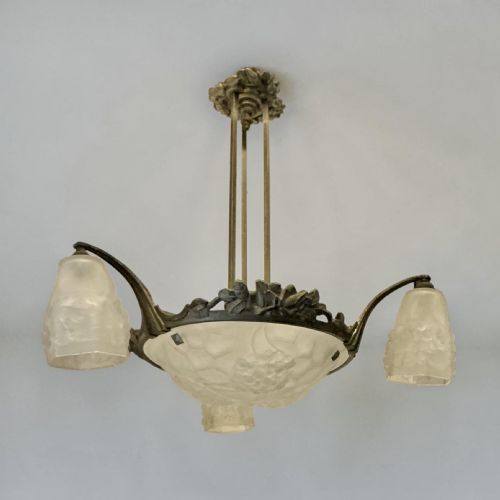
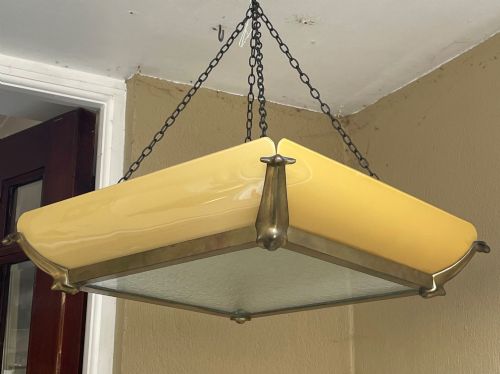
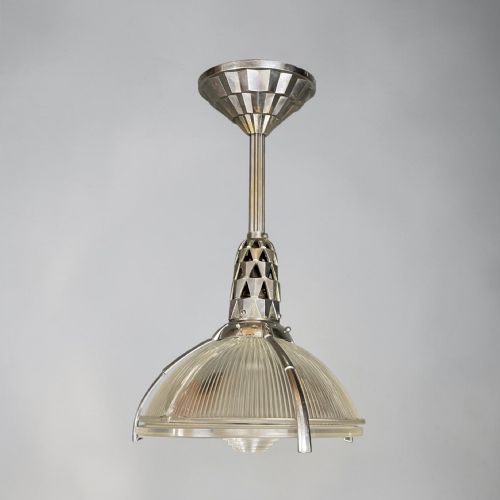
A vintage 1920s chandelier brings architectural presence and sharp geometric clarity to a room through period brass, crystal, and glass.
Vintage 1920s Chandelier
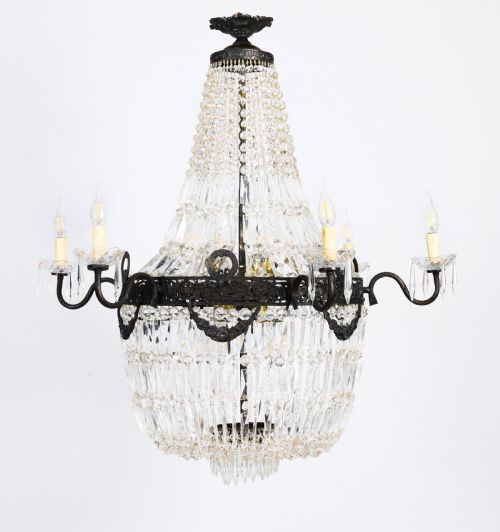
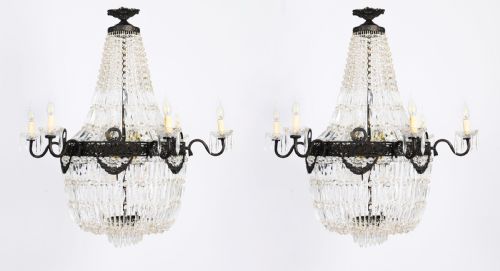
A vintage 1920s chandelier encompasses overhead lighting fixtures produced during the 1920s, 1930s, and Edwardian eras. These fixtures range from large ballroom centerpieces to compact pendant lights and ceiling fittings.
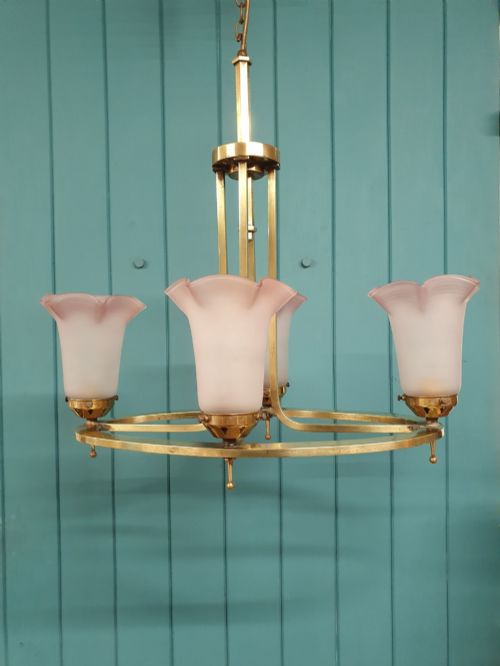
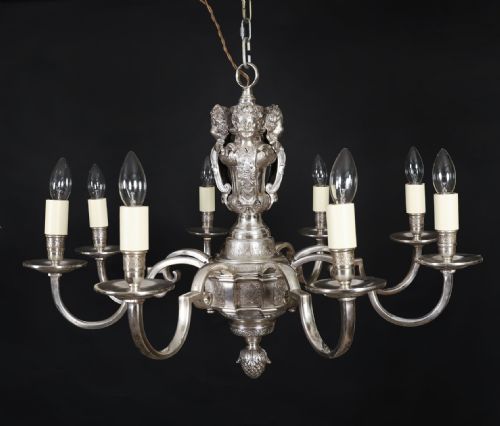
Art Deco examples dominate the selection, bringing clean lines and geometric motifs to domestic and formal spaces alike. Alongside these, revival styles introduce traditional grandeur through ornate metalwork and heavy glass elements.
The materials span brass, bronze, copper, and silver plating, paired with cut crystal, frosted glass, and carved alabaster. Structural forms vary from simple three-branch lights to multi-tier ballroom installations carrying dozens of lamps.
How they were made
Metal structures rely on casting, smithing, and plating techniques. Foundries produced components in brass, gilt bronze, copper, and silver-plated metal, often incorporating cast acanthus leaf mounts and detailed decorative banding.
Glass and crystal components combine hand-blown forms with mechanical cutting and pressing. Workshops shaped alabaster into carved pendant bowls, while factories produced faceted drops, beads, and beaded arms to refract light.
Vintage 1920s Chandelier Retail Price Guide 2026
Typical asking prices for vintage 1920s chandelier among the pieces listed under this phrase on Sellingantiques today, from the lower quarter to the upper quarter. They describe what is for sale here now, not the wider market.
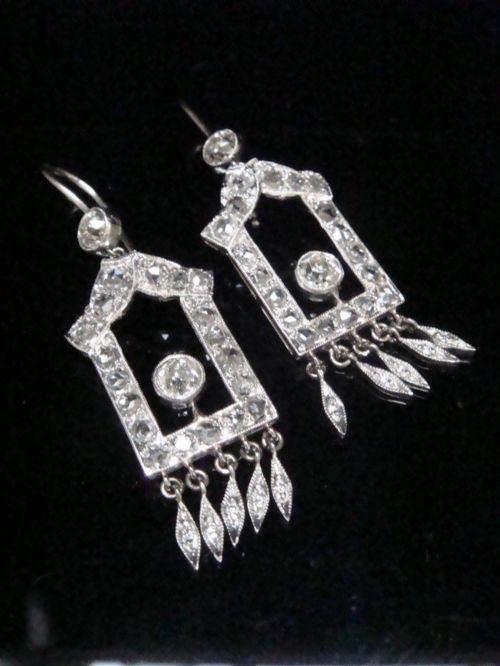
Among the overhead lights hide a surprising handful of diamond drop earrings from the exact same decades.
What varies in quality
The distinction between standard production and top-tier examples lies in the weight of the metal and the precision of the hand-cutting on crystal drops. Heavier cast mounts and deep, sharp facet-cutting indicate superior workshop output.
Design integration separates ambitious fixtures from simpler utility pieces. Cohesive suites utilise matching glass shades, specialised hanging lanterns, and harmonious mounting brackets rather than generic components.
Émile-Jacques Ruhlmann·Schneider
The Vintage 1920s Chandelier Glossary
- Art Deco
- A design style emerging in the interwar period characterised by streamlined geometric forms, stylized motifs, and modern materials. It defined much of the lighting production of the era.
- Cut Crystal
- Glass containing lead oxide that has been manually faceted and polished to maximise light refraction. These elements hang in drops or form bead strands across the arms.
- Alabaster
- A fine-grained, translucent stone carved into bowls and shades for ceiling lights. It diffuses illumination softly across interior spaces.
- Gilt Bronze
- Bronze metal coated with a thin layer of gold or gold-coloured alloy. It provides a rich, durable surface finish on high-end frames.
Vintage 1920s Chandelier: Frequently Asked Questions
How do I hang a heavy crystal chandelier?
Heavy fixtures require direct anchoring into ceiling joists or structural timber using a steel hanging hook rated for the weight. Professional installation is essential to support multi-branch metal and glass assemblies safely.
Electrical wiring must also be inspected and adapted to meet modern safety standards before hanging the light in a domestic setting.
What rooms suit a 1920s ceiling light?
Large multi-light fixtures suit high-ceilinged reception rooms, hallways, and dining spaces where their scale commands attention. Smaller brass and glass pendants fit comfortably in bedrooms or studies.
Matching suites of light fittings help maintain a unified decorative theme across adjoining rooms in a period property.
How do I clean cut crystal drops?
Crystal elements should be washed by hand using warm water and a mild detergent solution, avoiding harsh chemical cleaners. Drying each drop individually with a lint-free cloth restores maximum brilliance to the facets.
Metal frames require dusting with a soft dry brush to protect patinated brass, bronze, and silver-plated surfaces.
How do I distinguish Art Deco from revival styles?
Art Deco lighting relies on symmetrical geometric lines, stepped forms, and frosted or moulded glass shades. These pieces reject historical ornament in favour of a streamlined, modern aesthetic.
Revival styles such as Louis or Dutch Baroque draw directly on historical precedents, featuring ornate cast mounts, swan shapes, and abundant crystal drops.