

Vienna Cold Paint Bronze
Vienna cold paint bronze sculptures bring the rich colours of turn-of-the-century animal and figure studies into your home.
Vienna Cold Paint Bronze
When you examine Vienna cold paint bronze, you are looking at small cast metal sculptures finished with oil-based or enamel pigments that were applied without heat. These decorative objects span the Victorian era, Art Nouveau, and Art Deco periods, originating primarily from Austrian workshops.
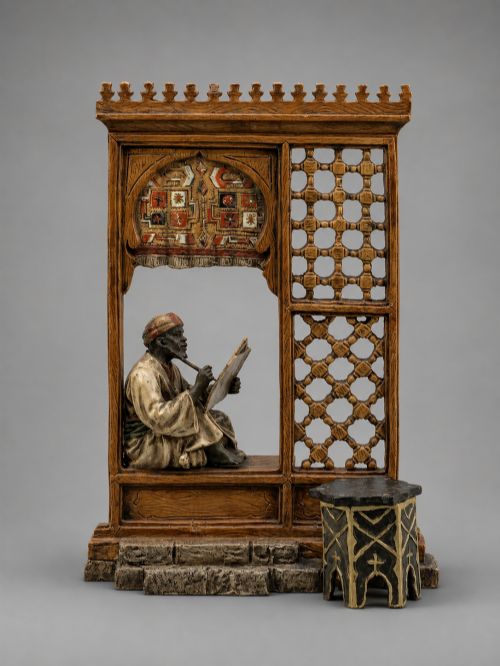
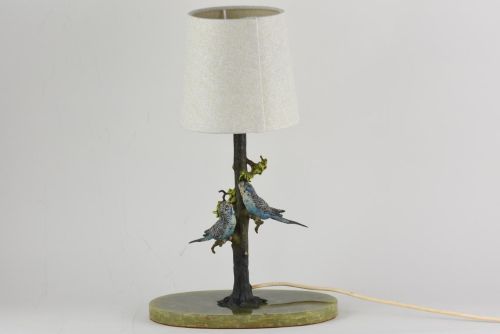
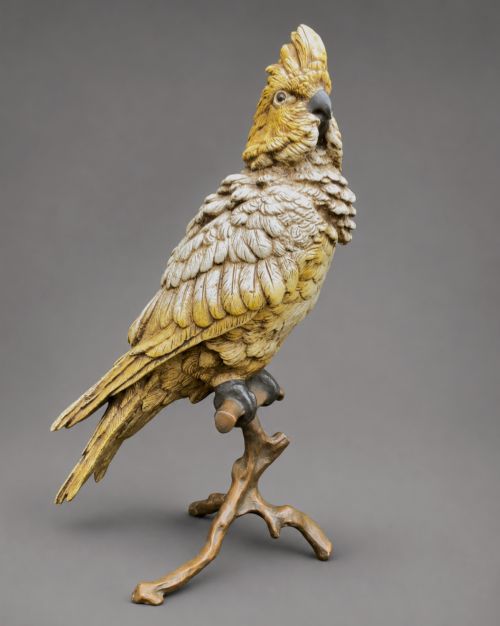
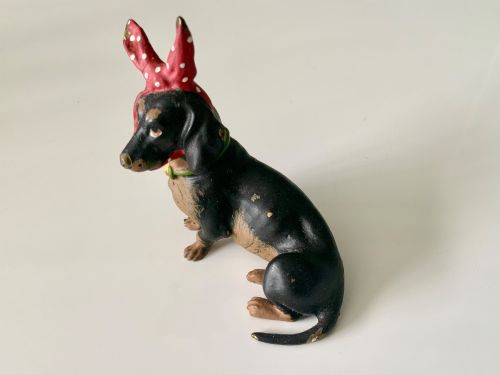
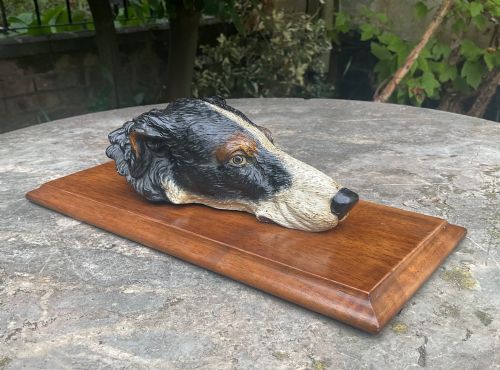
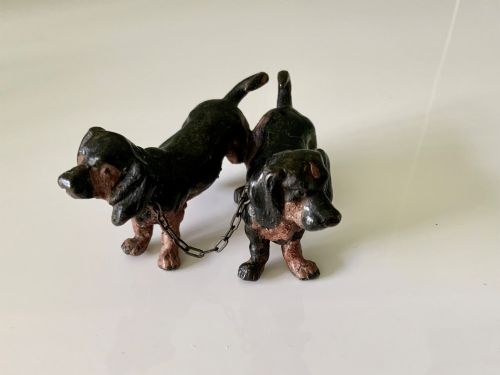
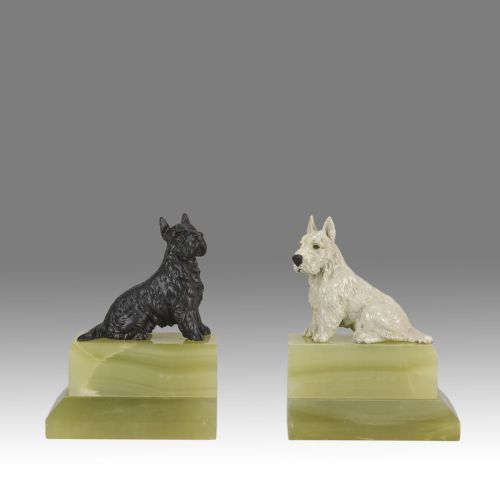
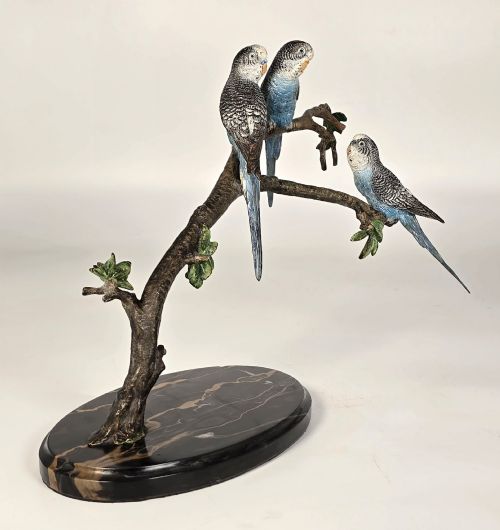
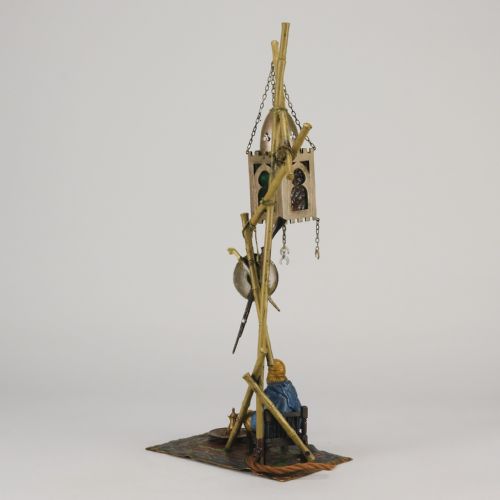
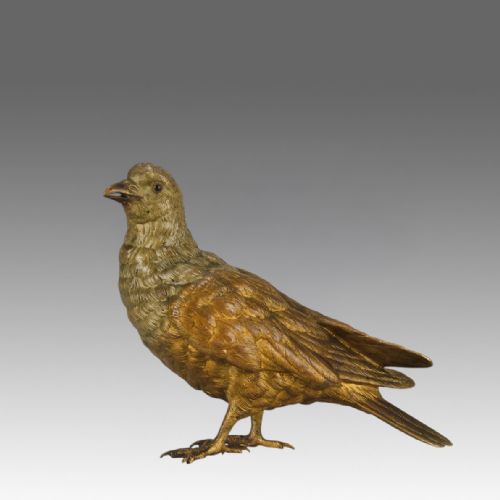
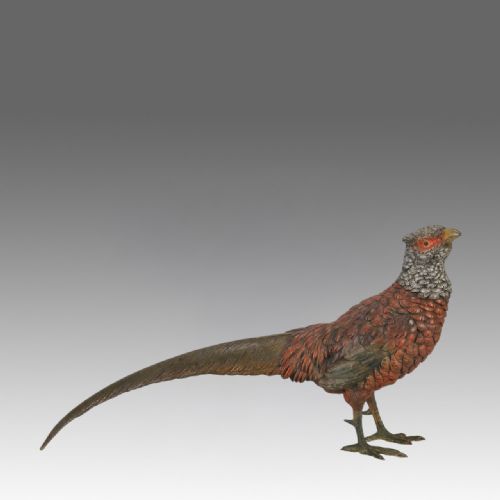
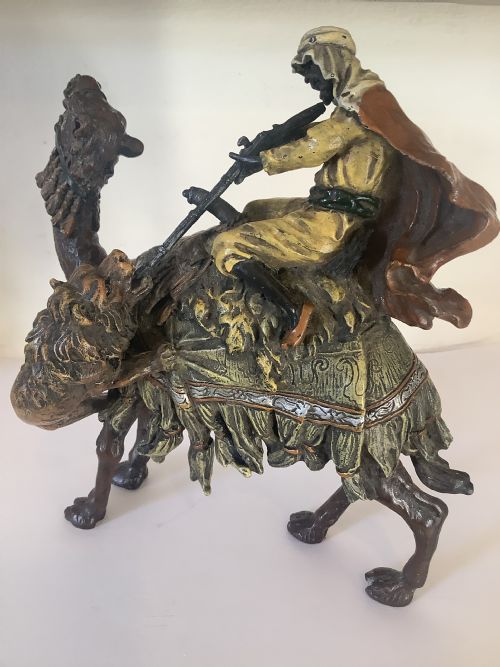
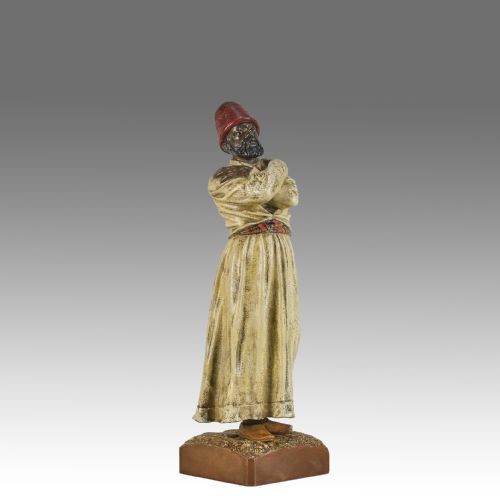
The most common subjects encountered on this page are animals and birds such as terriers, budgerigars, foxes, and pheasants, alongside Orientalist figures including Arab lamp bearers and whirling dervishes. Many examples function as practical items like desk accessories, bookends, paper clips, and table lamps, while others remain purely sculptural figures.
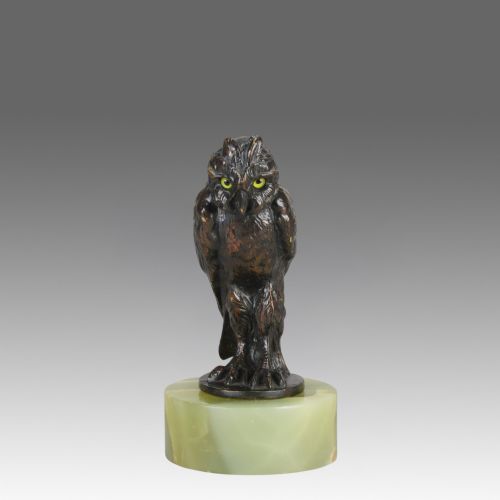
Makers produced these works in varied forms, mounting some pieces on green onyx or marble bases while others stand independently. The scale ranges from miniature pocket-sized birds to larger equestrian and figural groups.
How they were made
The foundation of each piece is a cast bronze or occasionally spelter body, shaped through traditional foundry methods to capture fine details in fur, feathers, and drapery. Artisans then applied layers of cold paint directly onto the unheated metal surface, sometimes using enamel paint to build up rich polychrome surfaces.
Because the paint was not fired at high temperatures, the finish relies entirely on careful preparation and skilled brushwork to adhere to the bronze base. Certain works incorporate natural stone elements, securing the metal figures to polished green onyx, marble, or quartz rock bases.
Vienna Cold Paint Bronze Retail Price Guide 2026
Typical asking prices for vienna cold paint bronze among the pieces listed under this phrase on Sellingantiques today, from the lower quarter to the upper quarter. They describe what is for sale here now, not the wider market.
Look closely and you will find an Egyptian female nude hiding inside a tiny bronze sarcophagus.
What varies in quality
The division between average and exceptional pieces rests on the precision of the casting and the sensitivity of the hand-painted details. Finer sculptures display crisp anatomical rendering and nuanced shading in the pigment, whereas lesser examples show softer definition and flat, uniform colour application.
Signatures, foundry marks, and Bergman urn stamps indicate workshop production standards and elevate the desirability of a piece. The presence of original, undisturbed paint surfaces preserves the historical integrity of the work far better than later touch-ups.
Franz Bergman·Franz Xaver Bergman·Franz Xaver Bergmann
The Vienna Cold Paint Bronze Glossary
- Cold-Painted Bronze
- Bronze sculpture finished with paint applied without heat. This technique creates a distinctive matte surface texture that distinguishes these works from fired enamel pieces.
- Orientalism
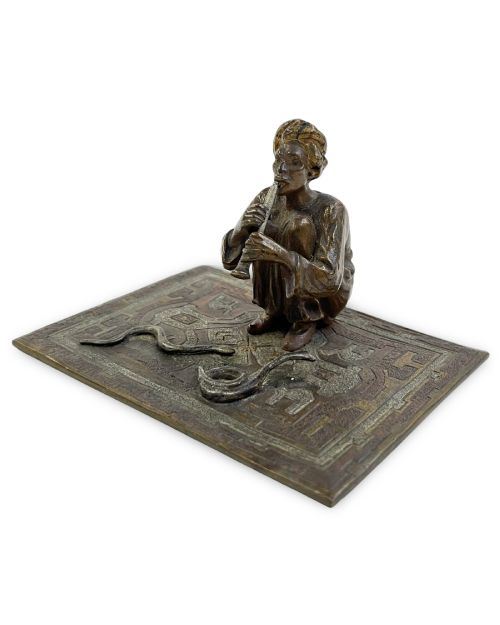
- An artistic style depicting Middle Eastern and North African subjects and scenes. Artists working in this manner frequently portrayed figures such as Arab warriors, snake charmers, and dervishes.
- Spelter
- A zinc-based alloy used as an alternative to bronze in some continental figural candlesticks and decorative objects. It provides a lighter and less costly base for metal casting.
- Onyx
- A banded stone frequently utilised for the mounting bases of desk tidies and animal studies. It adds weight and a contrasting polished green surface to the metal figures.
- Desk Tidy
- A functional desk accessory designed to hold stationery items or papers. These pieces often feature mounted animal or figural bronze sculptures as their primary ornament.
Vienna Cold Paint Bronze: Frequently Asked Questions
What is Vienna cold paint bronze?
Vienna cold paint bronze refers to small-scale Austrian metal sculptures finished with oil or enamel paints applied directly to the cold bronze surface without kiln firing.
These pieces gained immense popularity during the late nineteenth and early twentieth centuries, renowned for capturing lifelike animal studies and vivid Orientalist figures.
How do I clean these bronzes?
Cleaning requires only a very soft, dry brush to gently remove dust from the surface without disturbing the fragile pigment layers.
Water, solvents, and abrasive cleaners must be avoided entirely, as they will strip the original cold-painted finish from the bronze.
Were these pieces functional objects?
Many examples served practical purposes on Victorian and Edwardian desks as paper clips, bookends, inkwells, and desk tidies.
Others were created strictly as decorative shelf figures, bird studies, and erotic or Orientalist sculptural groups.
How can I tell who made a piece?
Maker attribution relies on finding stamped foundry marks, such as the Bergman urn monogram, hidden on the underside or base of the bronze.
Stylistic hallmarks, including specific casting proportions and distinct colour palettes, also help attribute unmarked works to known Viennese workshops.