

Victorian Yellow Gold Bracelet
Solid gold links and secure padlocks define a Victorian yellow gold bracelet, a wearable piece of history designed to sit close to the wrist every day.
Victorian Yellow Gold Bracelet
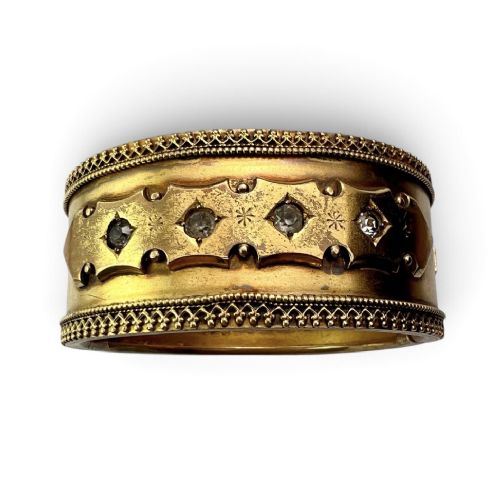
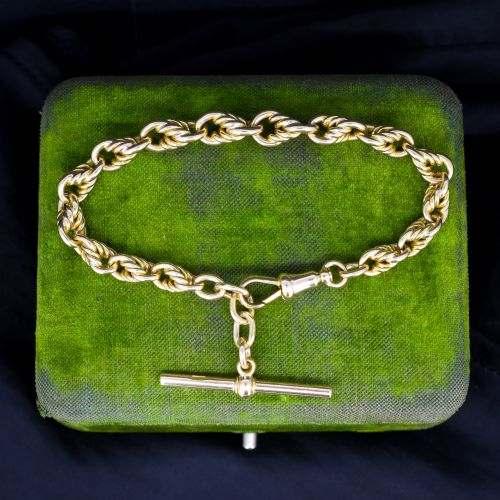
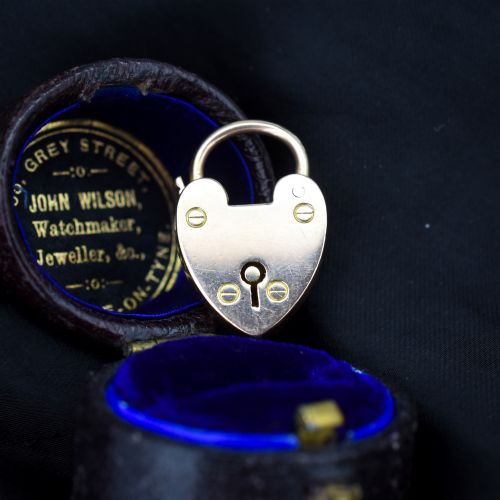
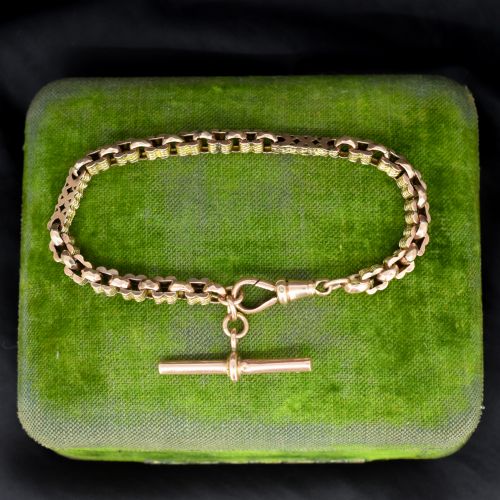
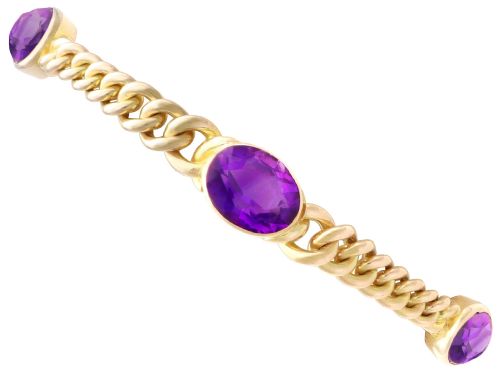
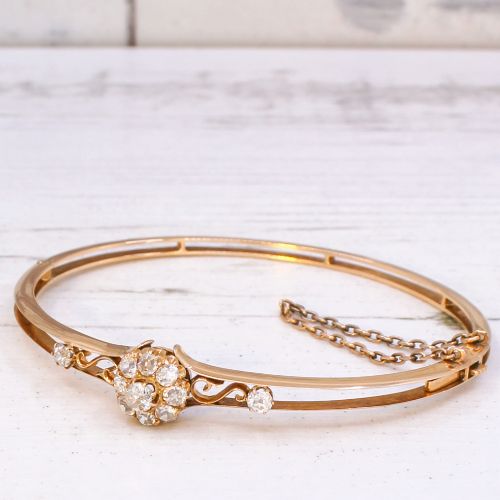
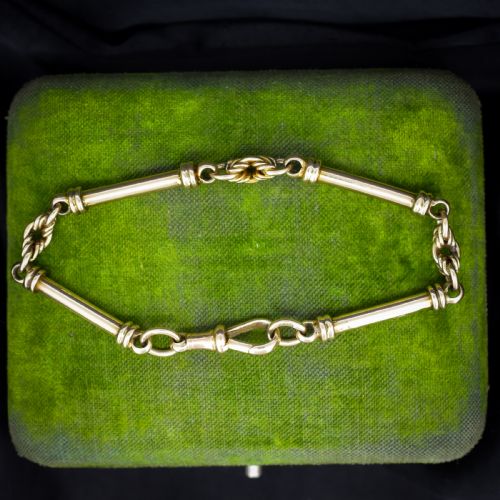
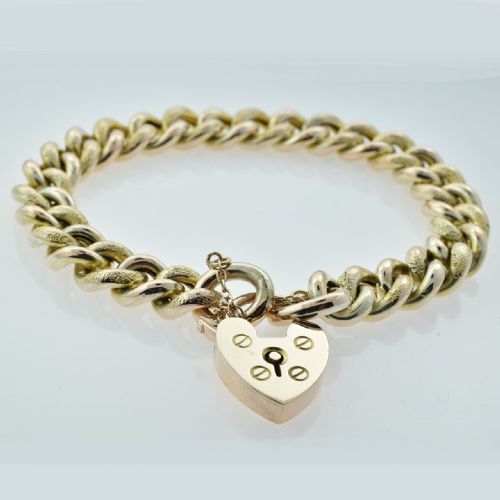
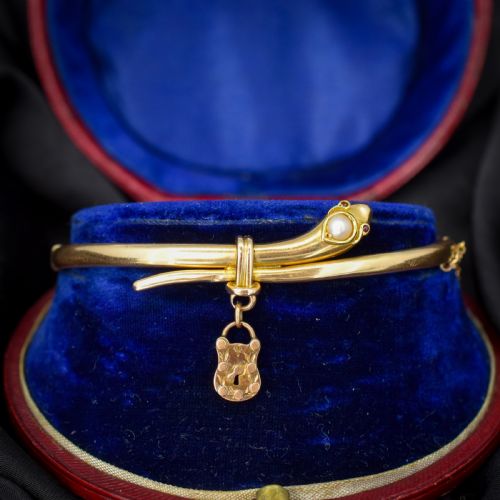
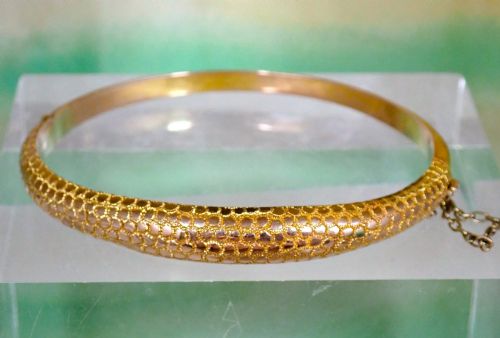
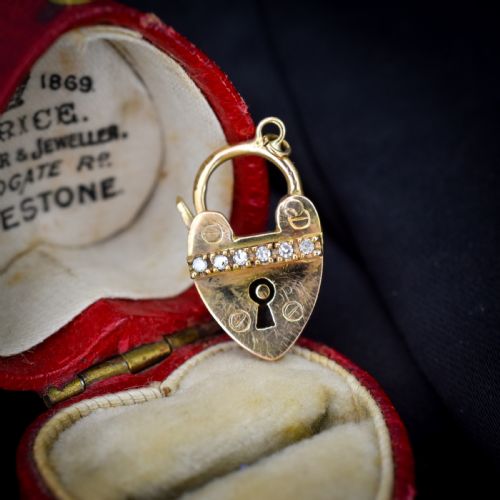
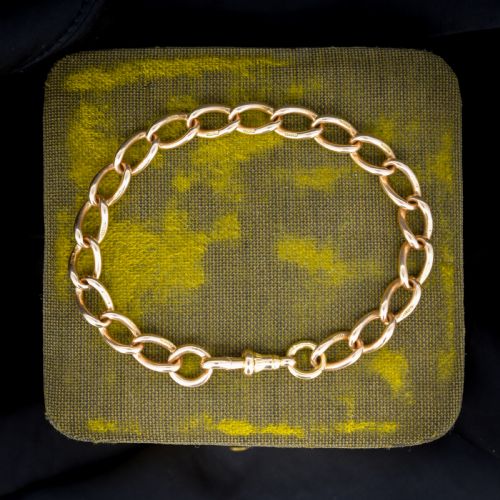
A victorian yellow gold bracelet encompasses substantial curb links, rigid hinged bangles, and delicate gate link chains designed in the nineteenth century. These pieces frequently incorporate secure fastenings such as heart padlocks, dog clips, or concealed clasps.
The versions most commonly met on this page span the Victorian period alongside related Edwardian and turn of the century designs. They appear in forms ranging from plain polished gold to elaborate gemstone-set creations.
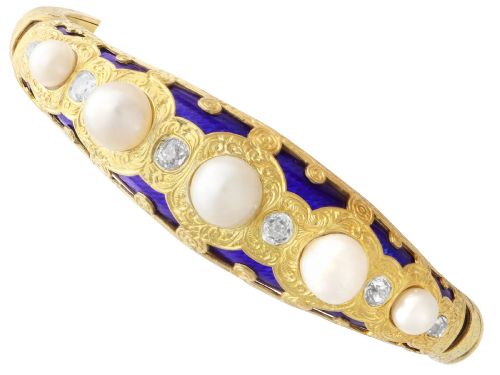
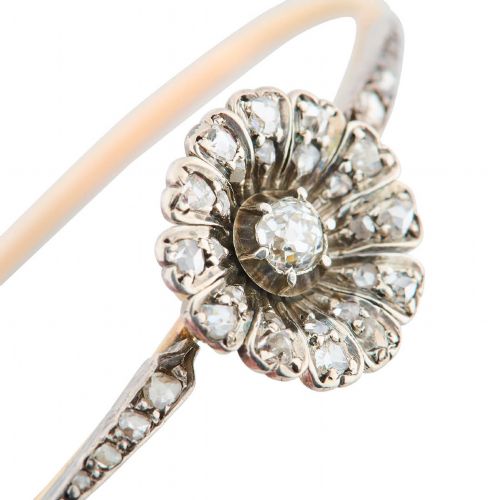
Makers utilised various carats of gold, pairing the warm metal with stones like pearl, turquoise, amethyst, and old mine cut diamonds. Many items also feature charms, fobs, and engraved surface details.
How they were made
Goldsmiths worked primarily with 9ct, 15ct, and 18ct yellow gold, shaping metal into hollow or solid links, tubular bars, and rigid bangle hoops. Techniques involved hand engraving, wire twisting, and precise link assembly to create flexible chains.
Gemstones including diamonds, pearls, turquoise, and garnets were hand set into bezels or star settings directly into the gold framework. Clasps and padlocks were engineered with functional springs and hinges to ensure daily security.
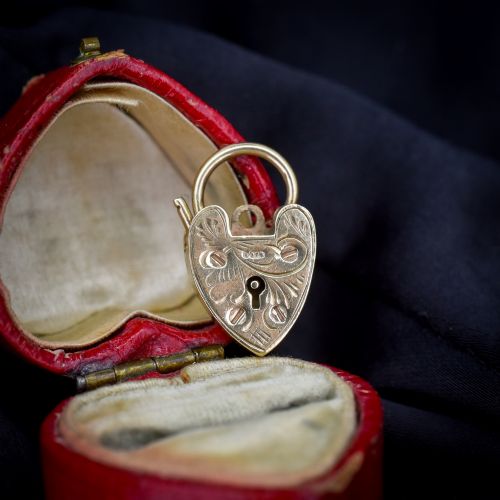
Common decorative elements include old mine cut diamonds, seed pearls, turquoise, amethysts, and engraved heart padlocks.
What varies in quality
The standard of a piece depends on the weight and integrity of the gold work, ranging from lightweight hollow links to heavy solid construction. Superior examples maintain crisp hand engraving and robust hinges that withstand regular wear.
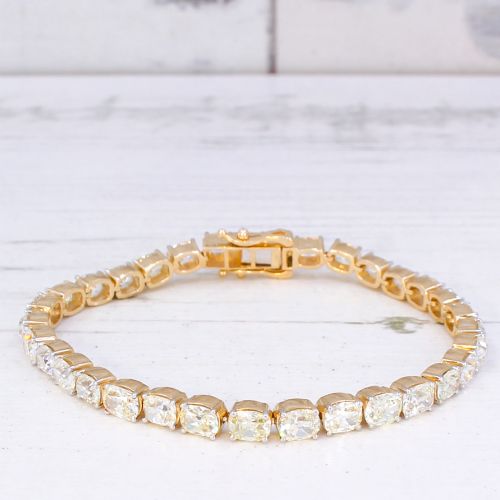
The selection and setting of gemstones also dictate the tier of a piece, with well matched natural pearls and clean old mine cut diamonds marking finer craftsmanship.
The Victorian Yellow Gold Bracelet Glossary
- Curb link
- A type of chain made from uniform interlinked links that lie flat against the wrist. This form provides a sturdy foundation for charm bracelets.
- Dog clip
- A spring loaded snap hook used on watch chains and bracelets to secure padlocks or charms. It allows components to be easily attached and removed.
- Gate link
- A style inspired by rustic field gates, featuring parallel bars connected by small vertical links. This construction creates a wide, flexible band.
- Old mine cut
- An early diamond cut characterised by a cushion shape, high crown, and large culet facet. These stones were shaped by hand before modern machinery.
- Fob seal
- A small decorative pendant once used for stamping wax seals on documents. They frequently appear dangling from antique charm bracelets.
Victorian Yellow Gold Bracelet: Frequently Asked Questions
How do I secure a padlock clasp?
Most heart padlocks operate with a sprung arm that pushes inward to open into the connecting ring. Letting go snaps the arm back into place to hold the bracelet securely.
Checking that the spring mechanism feels firm ensures the padlock stays fastened during daily wear.
Can I add charms to an antique bracelet?
Many antique chains and gate link bracelets were designed specifically to hold charms, fobs, and pendants using split rings or dog clips. Adding pieces matches the historic practice of accumulating personal tokens over time.
Ensuring suspension rings match the gold carat and colour keeps the display consistent.
How do I tell a bangle from a link bracelet?
Bangles are rigid, closed hoops that often feature a hinged opening with a safety chain for sliding over the hand. Link bracelets are flexible chains that wrap around the wrist with a clasp.
Both forms utilise similar yellow gold materials and gemstone settings from the period.
Are these bracelets suitable for daily wear?
Solid gold construction and sturdy links allow many Victorian bracelets to handle regular use. Checking the condition of hinges, safety chains, and claw settings helps prevent loss.
Removing delicate gemstone pieces during vigorous activity preserves the structural integrity of the setting.