
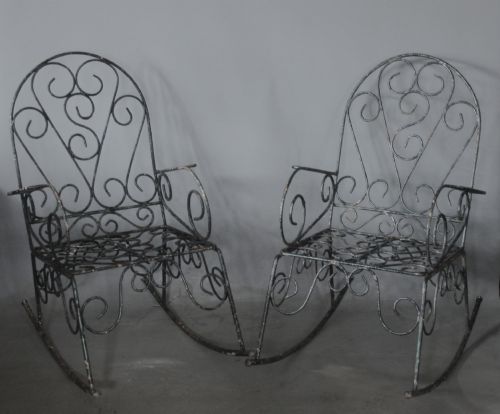


Victorian Wrought Iron Seat
These Victorian wrought iron seat pieces bring enduring metalwork craftsmanship and functional style to gardens and interiors alike.
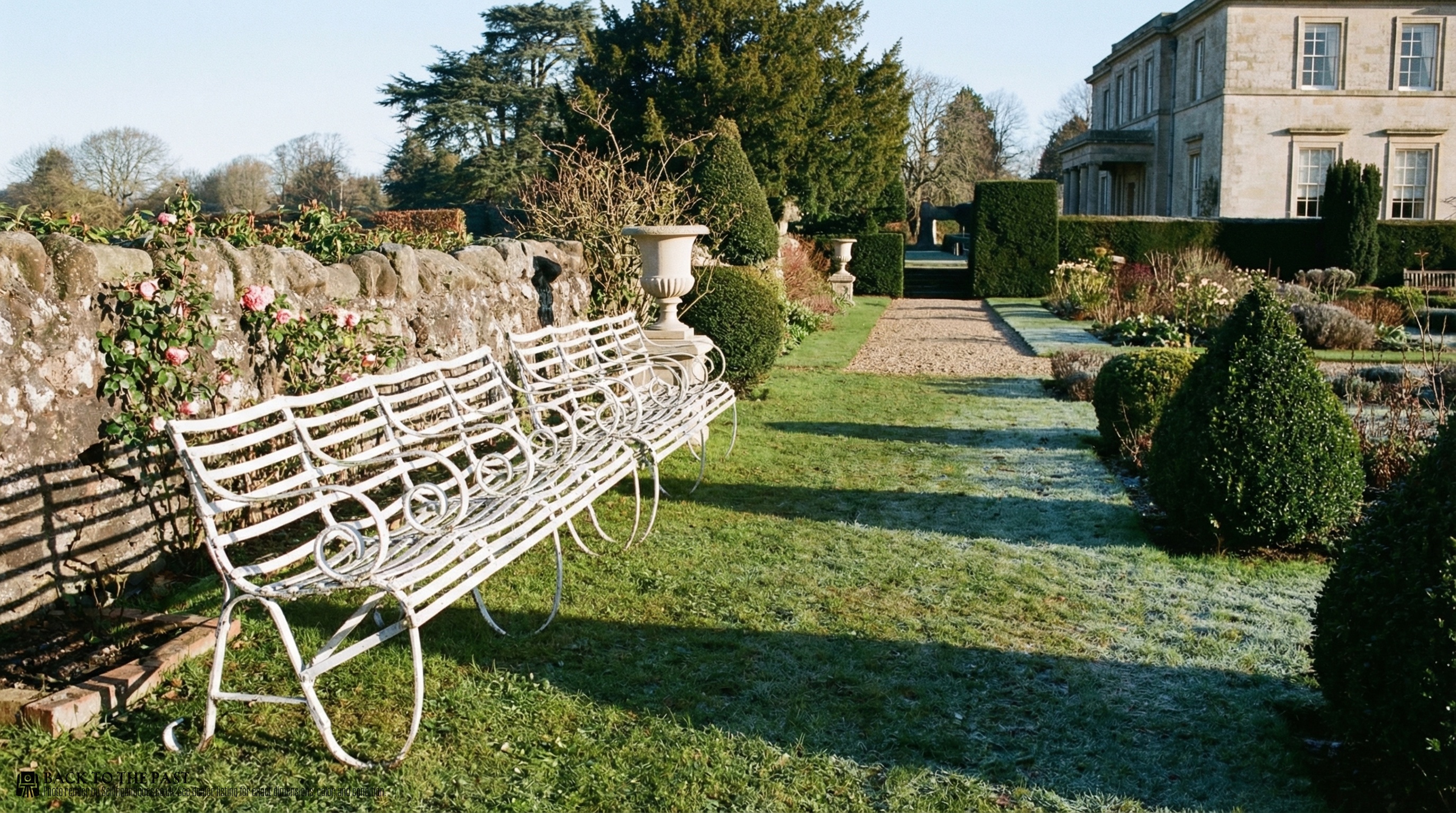
Victorian Wrought Iron Seat
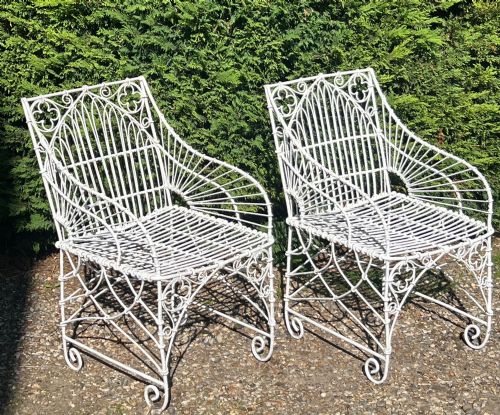
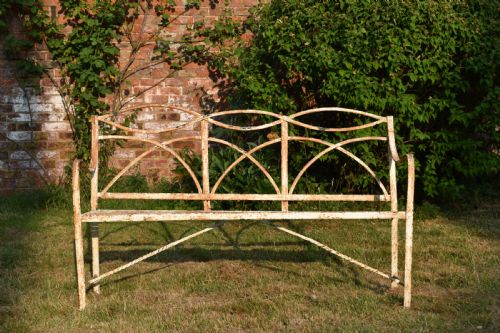
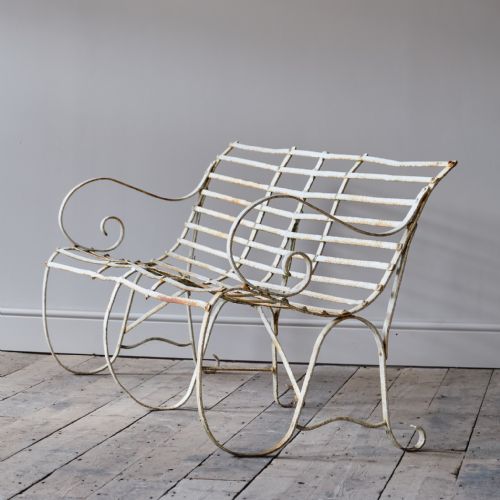
A victorian wrought iron seat serves as a sturdy outdoor or fireside resting place, taking forms such as garden benches, garden chairs, club fenders, and rocking chairs. The selections span periods including the 19th century, Victorian, Edwardian, and Regency eras.
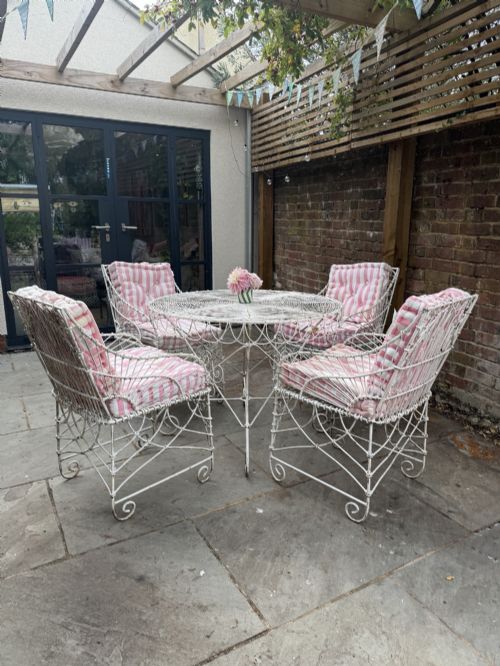
Buyers will encounter various configurations ranging from simple strapwork benches and garden sets to pieces with canopies, wirework arbours, and leather-upholstered club fenders. These items originate from diverse historic contexts, including English and French workshops.
The most common examples on this page are garden benches and seats fashioned from wrought iron, cast iron, steel, and wirework, frequently accompanied by timber, paint, or leather elements.
Distinctions in Quality
Quality rests in the complexity of the metalwork, such as detailed strapwork, fine wirework, and well-executed scroll patterns. Pieces that retain layers of original paint or combine iron with quality timbers like oak and mahogany demonstrate superior manufacture.
The integrity of the construction, from sturdy garden benches to upholstered club fenders, separates robust utilitarian examples from finer decorative works. The harmony between metal frames and added materials like leather or wooden slats dictates the standing of each piece.
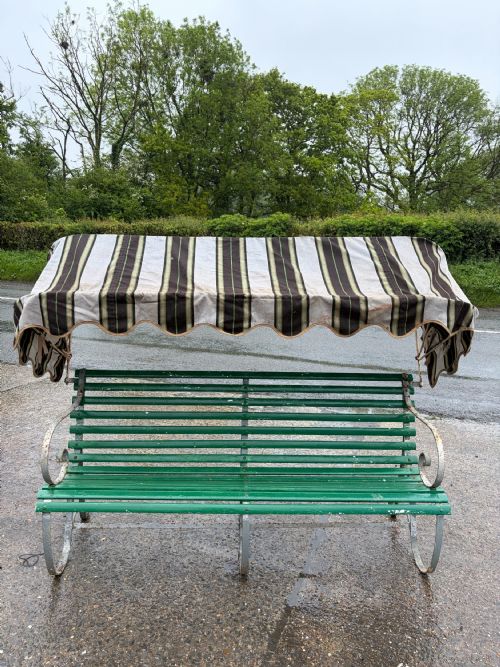
Some garden seats come equipped with an integrated canopy, ensuring that proper relaxation remains unaffected by unpredictable weather.
The Victorian Wrought Iron Seat Glossary
- Wrought iron
- A tough, malleable form of iron that can be heated and hammered into decorative scrolls and structural shapes. It forms the primary material for many historic garden benches.
- Club fender
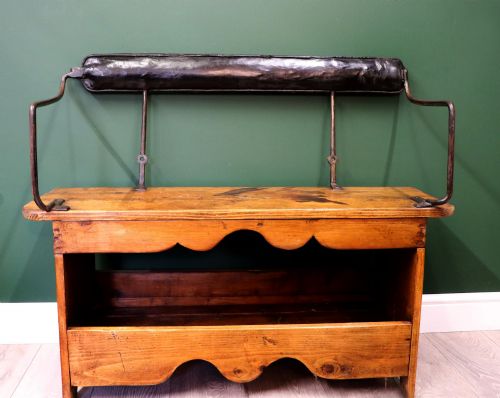
- A low fireside seat featuring a metal frame and upholstered leather or fabric top, traditionally placed around a hearth. These often incorporate steel, iron, and mahogany.
- Strapwork
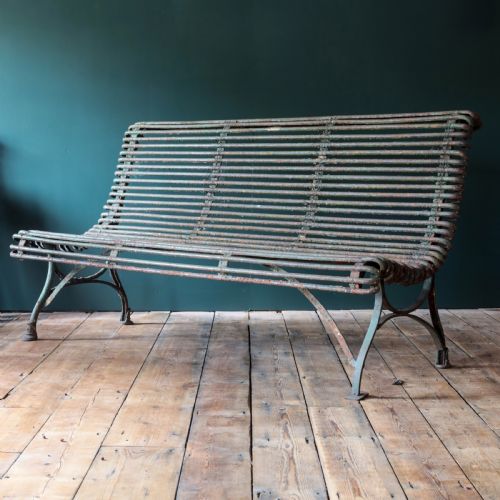
- A decorative motif or construction technique using flat strips of metal arranged in geometric or interlaced patterns. It is frequently seen on garden benches from the 19th century.
- Wirework
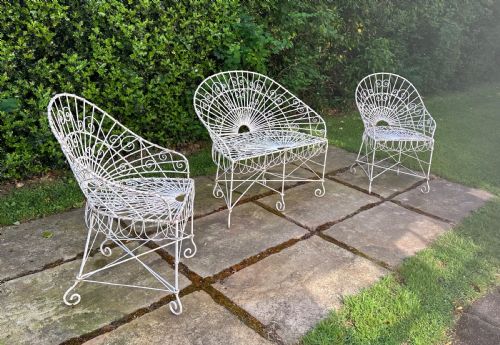
- An intricate style utilising twisted and woven wire to create garden arbours, tables, and chairs. This technique flourished during the Victorian period.
- Cast iron
- Iron poured into a mould rather than hammered, used for heavier bench frames and structural supports. It often appears alongside wrought iron and timber.
Victorian Wrought Iron Seat: Frequently Asked Questions
Where should I place a wrought iron garden bench?
These seats suit outdoor garden settings, lawns, and patios where their metal frames withstand the elements. Many choose to position them as focal points among planting.
Interior spaces also accommodate certain forms, particularly club fenders placed around a fireplace hearth.
How do I care for original paint on iron seats?
Preserving layers of original paint requires gentle cleaning with mild soap and water rather than harsh abrasives. Keeping the metal dry helps prevent active corrosion.
Avoid stripping historic paint layers, as they contribute to the authenticity and visual character of the piece.
What is the difference between wrought iron and cast iron?
Wrought iron is worked by hand while hot, resulting in a fibrous structure that bends rather than breaks easily. It is typical of detailed scrolls and strapwork.
Cast iron is poured into moulds, yielding rigid, heavier components often utilised for sturdy furniture legs and frame supports.
Can club fenders be used as everyday seating?
Club fenders with leather or upholstered tops were originally designed for sitting around a fireplace. They provide sturdy, low seating suitable for daily use.
Their steel or iron frames offer robust support while the padded tops ensure comfort.