




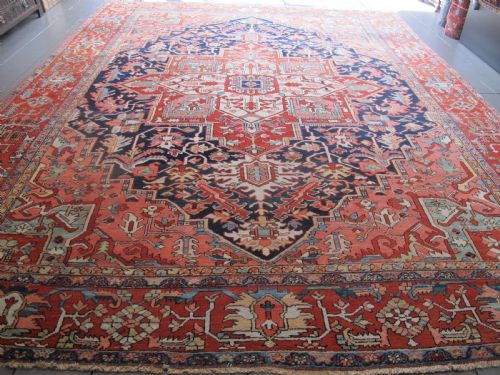


Victorian Wool Rug
When searching for a victorian wool rug, collectors encounter woven floor coverings and textiles dating from the nineteenth century.
Victorian Wool Rug
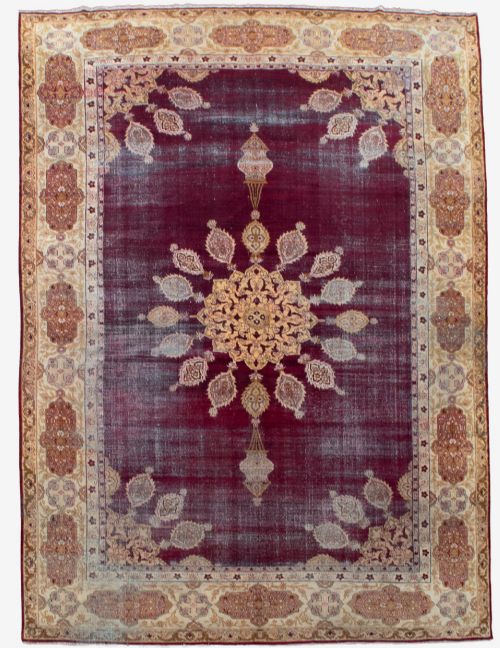
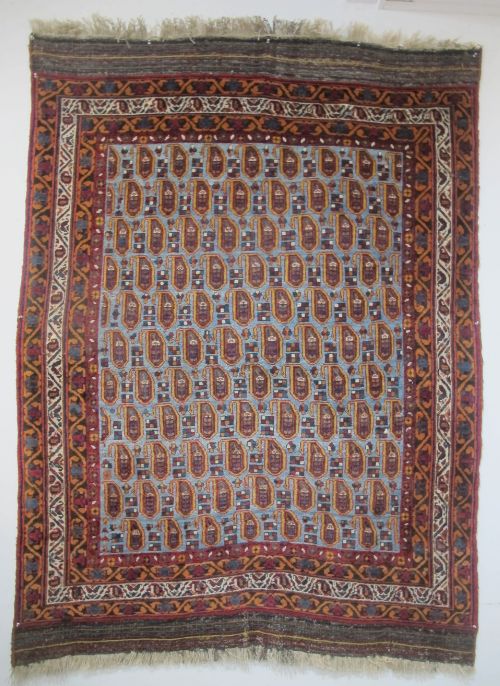
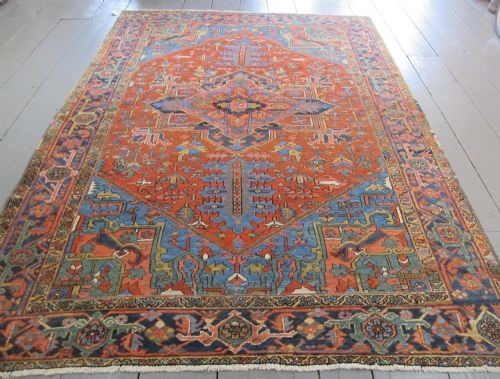
A victorian wool rug encompasses large carpets, runner rugs, and smaller tribal floor coverings originating from Persia, the Caucasus, Anatolia, and Central Asia during the nineteenth century. These textiles include village pieces, workshop carpets, and English needlepoint examples designed for period interiors.
Buyers frequently encounter Persian and tribal formats, such as Heriz, Fereghan, Baluch, and Tekke carpets, alongside English needlepoint work. The selection ranges from grand country house carpets to narrow hall runners and prayer rugs dating from the eighteen-sixties to nineteen-hundred.
How They Were Made
These floor coverings utilise wool, hand-spun wool, and cotton foundations, often dyed with natural colourants to achieve deep red and blue grounds. Certain pieces incorporate cotton canvas, metallic thread, wood, and brass components.
Weavers knotted or embroidered the wool pile onto sturdy foundations using traditional techniques native to Persian workshops, Caucasian villages, and Turkmen tribes. English makers employed needlepoint stitching on canvas supports for domestic parlour carpets.
Victorian Wool Rug Retail Price Guide 2026
Typical asking prices for victorian wool rug among the pieces listed under this phrase on Sellingantiques today, from the lower quarter to the upper quarter. They describe what is for sale here now, not the wider market.
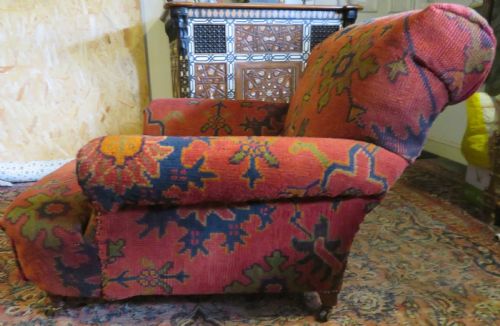
Object types span large carpets, runner rugs, saddle bags, club armchairs, and wedding shawls.
What Varies In Quality
The fineness of the knotting and the density of the wool pile determine structural integrity across different workshop and tribal examples. Tightly packed weaves and secure foundations distinguish durable carpets from looser structures.
The depth and stability of natural dyes separate standard village pieces from exceptional surviving specimens. Intricate designs, such as dragon, phoenix, or mina khani motifs, reflect greater artistic competency in the weaving tradition.
Howard And Sons
The Victorian Wool Rug Glossary
- Pile
- The upright yarn loops that form the tactile surface of a rug. Shorter, denser piles often indicate higher workshop precision.
- Natural dye
- Colourants derived from plants, insects, and minerals used before synthetic aniline dyes became widespread. These pigments produce subtle tonal variations across the wool.
- Warp
- The longitudinal threads stretched tightly on the loom that carry the structural weight of the textile. Cotton and wool are common warp materials in these pieces.
- Weft
- The horizontal threads passed across the warp strands to lock the knots in place. Multiple weft shots create rigidity in tribal carpets.
- Gul
- A repeating octagonal medallion motif frequently found in Turkmen and Baluch weaving traditions. Each tribal group utilises distinct gul variations.
- Prayer rug
- A small format textile featuring a mihrab or arch design indicating the direction of prayer. These pieces served devotional functions in domestic spaces.
Victorian Wool Rug: Frequently Asked Questions
Where were these rugs made?
The pieces originate primarily from Persian workshops, Caucasian villages, Anatolian towns, and Central Asian nomadic tribes. English makers also produced domestic needlepoint equivalents.
Production centres included Heriz, Fereghan, Kirman, and Ushak, alongside regions inhabited by Baluch and Tekke weavers.
How are nineteenth century carpets cleaned?
Historic wool textiles require gentle surface cleaning and professional specialist washing to protect natural dye stability. Harsh mechanical agitation damages fragile hand-spun wool.
Regular careful vacuuming without a beater bar removes surface grit that wears down the pile over time.
How do I identify the age?
Age is determined by material analysis, natural dye testing, structural weave density, and stylistic comparison with dated examples. Nineteenth century pieces show characteristic wear patterns and organic colour mellowing.
Documentation and traditional design markers assist in narrowing down the decade of production.