

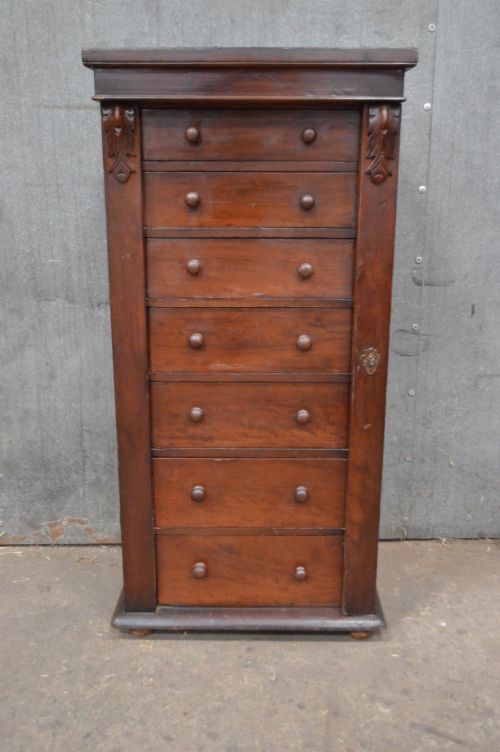


Victorian Wooden Pilasters
Victorian wooden pilasters bring architectural presence to a room, offering carved detail and structural rhythm that instantly elevate plain walls.
Victorian Wooden Pilasters
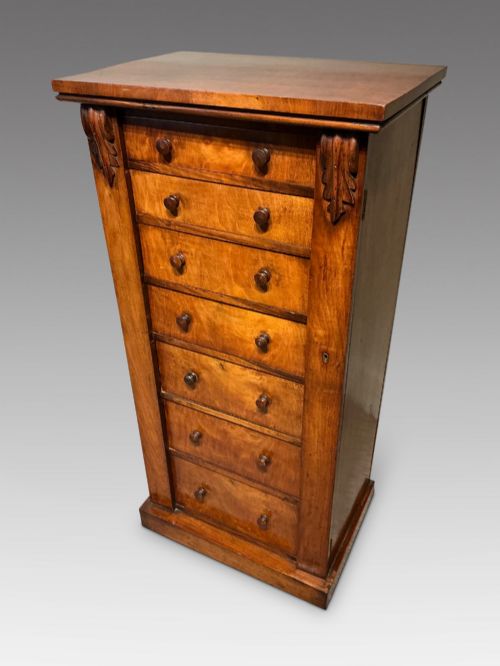
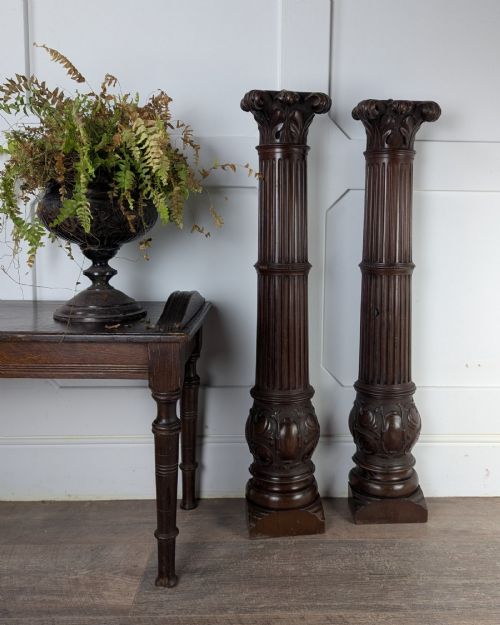
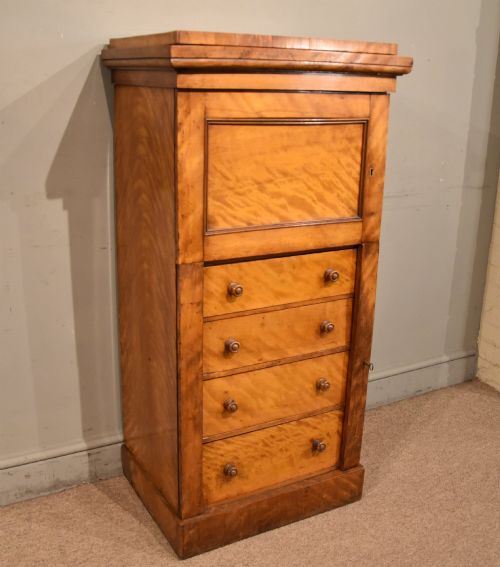
Victorian wooden pilasters and related architectural elements draw attention through carved relief and formal symmetry. Buyers searching for victorian wooden pilasters often encounter architectural salvage, bookcases, and Wellington chests that incorporate classical columns or half columns into their design.
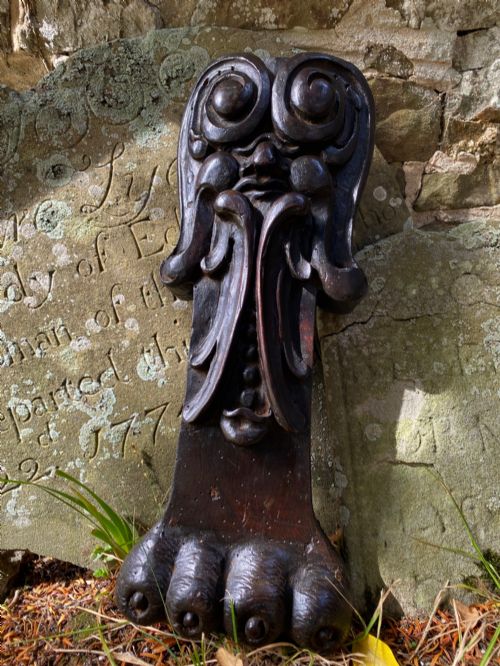
The pieces listed on this page span the nineteenth century, including specific dates from eighteen hundred to nineteen hundred, alongside items assigned broadly to the Victorian era. Forms range from architectural carvings and panels to substantial bookcases and chests of drawers featuring reeded or Corinthian details.
Materials dominate the visual character of these items, with walnut, oak, and mahogany appearing frequently alongside burr walnut, satin birch, and satinwood. Styles lean towards Victorian tastes, incorporating Gothic Revival, Regency, and Jacobean Revival motifs into functional furniture and architectural fragments.
Materials and construction
Makers utilised dense hardwoods such as mahogany, walnut, and oak to construct these pieces, often selecting highly figured burr walnut for decorative impact. Solid timber foundations provided the structural stability needed for heavy bookcases and tall chests of drawers.
Carving and joinery formed the core of the construction process, evident in reeded half columns and detailed panels. Brass hardware frequently supplemented the woodwork on specific forms like safe chests.
Victorian Wooden Pilasters Retail Price Guide 2026
Typical asking prices for victorian wooden pilasters among the pieces listed under this phrase on Sellingantiques today, from the lower quarter to the upper quarter. They describe what is for sale here now, not the wider market.
The listings span the nineteenth century, featuring walnut, mahogany, and oak across styles from Gothic Revival to Regency.
Assessing quality and execution
The degree of hand-carving and the choice of timber set finer examples apart from simpler items. Highly figured veneers like burr walnut and crisp execution of classical orders such as Corinthian capitals signal superior workshops.
Integration of architectural elements into furniture requires precise proportion and balance. Pieces that retain original surfaces and integrated wooden columns demonstrate greater structural and aesthetic integrity.
S. Mordan & Co·Gillows of Lancaster
The Victorian Wooden Pilasters Glossary
- Pilaster
- A rectangular column that projects slightly from a wall, serving an ornamental purpose in classical architecture and furniture design.
- Wellington chest
- A tall, narrow chest of drawers secured by a hinged locking stile on one margin, popular during the nineteenth century.
- Reeded
- Decorated with parallel convex mouldings carved into the surface of the wood.
- Corinthian
- A classical order of architecture characterised by ornate capitals decorated with acanthus leaves.
- Burr walnut
- Timber taken from a walnut tree growth, prized for its swirling, highly figured grain patterns.
Victorian Wooden Pilasters: Frequently Asked Questions
What are victorian wooden pilasters used for?
These elements function as decorative architectural salvage or form part of larger case furniture like bookcases and cabinets. They add vertical rhythm and classical proportion to interior spaces.
Builders and collectors also utilise them for bespoke joinery projects or restoration work on nineteenth-century interiors.
How do I identify a Wellington chest?
A Wellington chest stands as a tall, narrow set of drawers distinguished by a locking flap or stile on the right side. This bar secures all the drawers simultaneously when locked.
Most examples from the period employ mahogany or walnut and feature understated classical lines.
What woods were used in these pieces?
Cabinet makers relied primarily on dense hardwoods including mahogany, walnut, and oak. Burr walnut and satin birch provided highly figured decorative surfaces for finer items.
Secondary timbers often included pine or oak for internal framing and drawer linings.
How do I clean wooden architectural salvage?
Dust surfaces gently with a dry, soft cloth to remove everyday accumulation without disturbing the aged finish. Avoid harsh chemical cleaners that strip historical patination.
Application of microcrystalline wax periodically helps nourish the timber and protect the original surface.