



Victorian Wooden Light
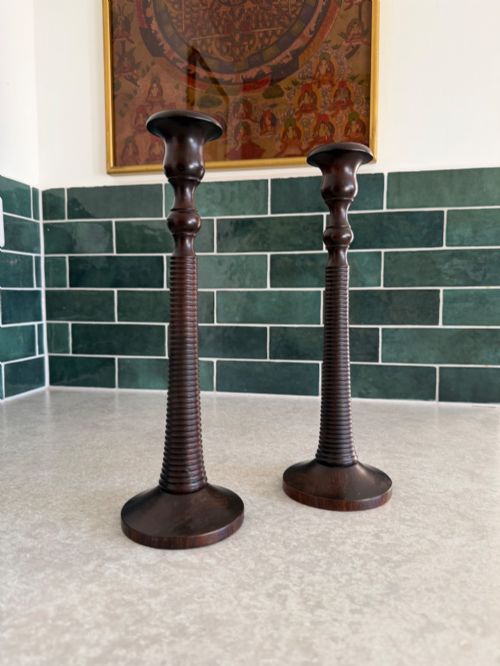
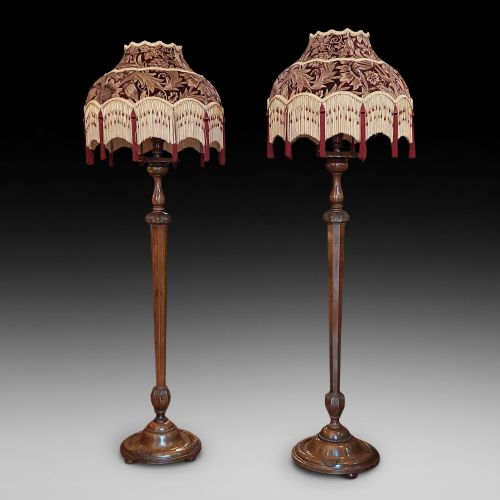
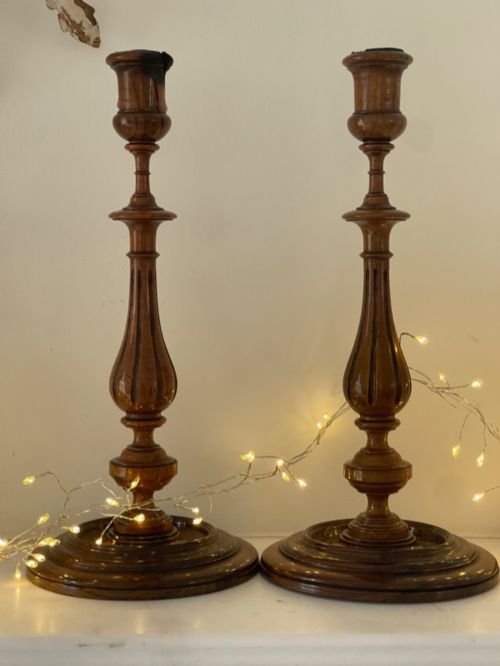
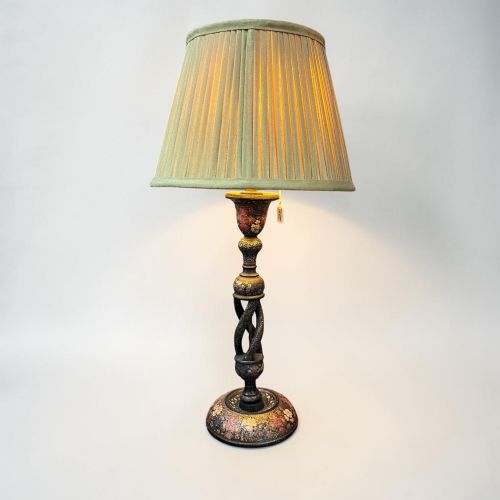
These Victorian wooden light options include table lamps, floor lamps, and carved lamp bases made from oak, pine, and maple.
Victorian Wooden Light
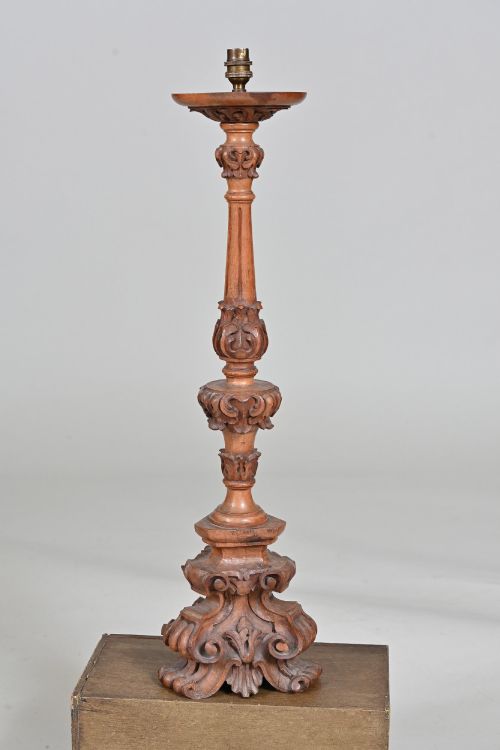
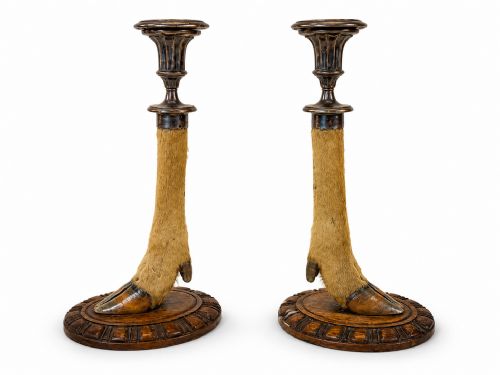
When you search for a Victorian wooden light, you encounter illumination pieces alongside seating and case furniture that incorporate original lighting fittings or serve as lamp bases. The selection leans heavily toward floor lamps, table lamps, and wooden candlesticks adapted for electrical use.
The predominant materials include oak, pine, and carved wood, dating from the nineteenth century into the early twentieth century. Many items reflect specific regional styles, from English country workshops to Black Forest carving traditions and Arts and Crafts simplicity.
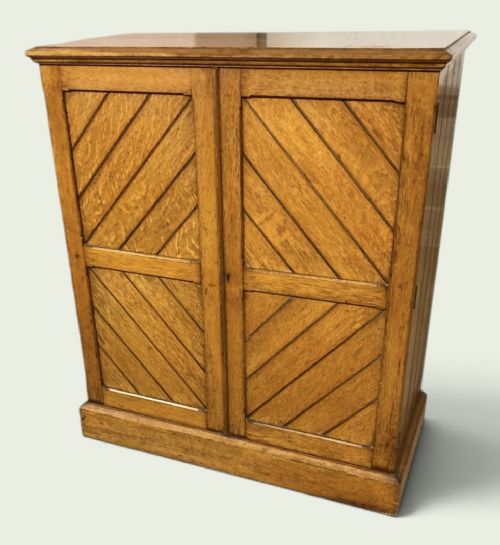
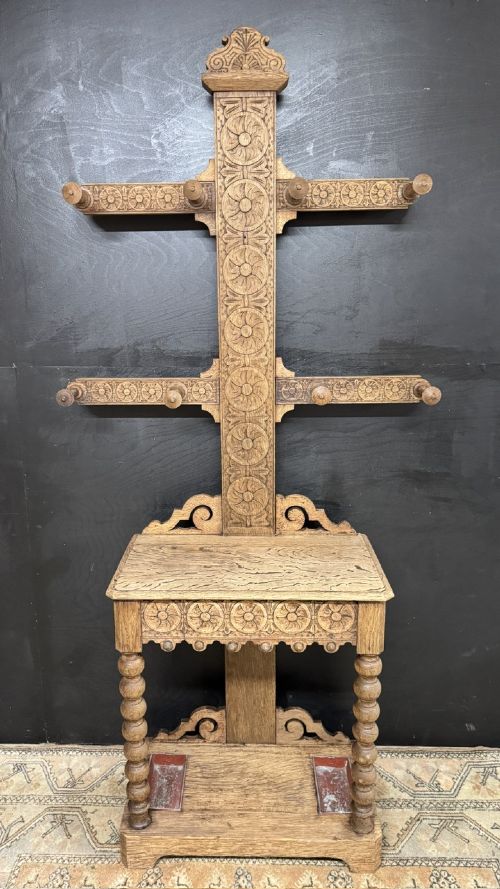
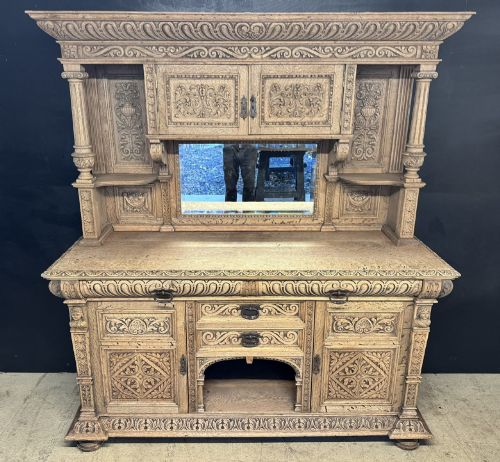
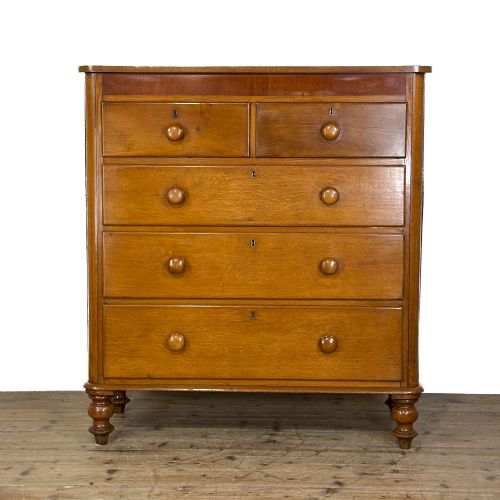
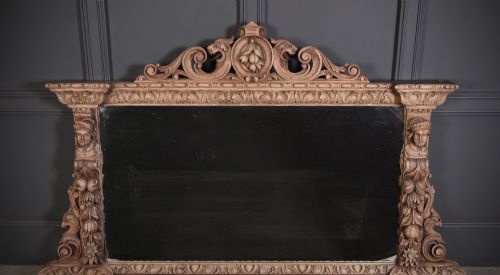
Lighting apparatuses often appear paired with heavy timber furniture such as oak chests of drawers, dining tables, and mirrors. Buyers frequently source these pieces to complement traditional interiors with functional period illumination.
Materials and construction
Wood selection focuses on durable native hardwoods and softwoods, predominantly oak, pine, ash, and maple, paired with brass and metal hardware. Carved details demonstrate traditional hand-tool techniques utilised by regional craftsmen and specialised workshops.
Surface treatments vary from waxed finishes to painted pine and gilded highlights on timber frames. Lamp bases and candlesticks utilise turned timber construction, whilst larger items incorporate joinery standard to nineteenth-century cabinet makers.
Victorian Wooden Light Retail Price Guide 2026
Typical asking prices for victorian wooden light among the pieces listed under this phrase on Sellingantiques today, from the lower quarter to the upper quarter. They describe what is for sale here now, not the wider market.
Listings feature nineteenth-century lighting and furniture in oak, pine, maple, and ash, spanning Victorian, Edwardian, and Arts and Crafts styles.
Assessing quality and execution
Superior examples display deep relief carving and balanced proportions, particularly visible in figural lamp bases and Black Forest animal carvings. Secondary timbers and structural joins reveal the underlying integrity of the piece.
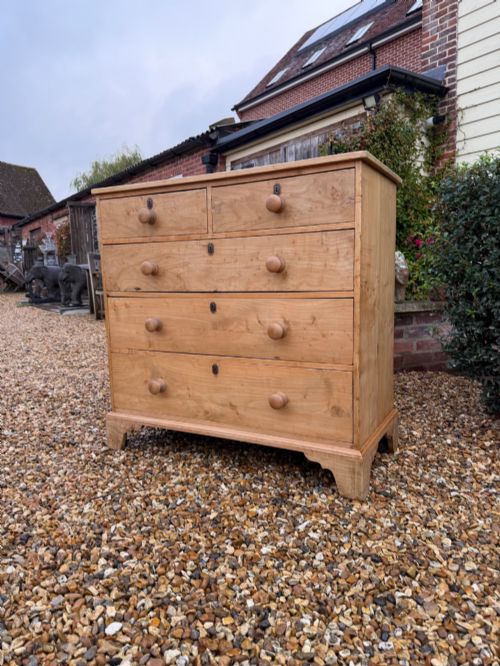
Original hardware such as brass acorn handles and matching fittings elevate the standing of a timber item. Surface preservation also matters, with waxed or painted finishes that retain an authentic period character rather than heavy modern alterations.
Howard and Sons
The Victorian Wooden Light Glossary
- Black Forest
- A style of wood carving originating from central Europe, characterised by realistic animal figures like bears and detailed foliage. These decorative pieces often form the bases of figural lamps.
- Arts and Crafts
- A design movement prioritising traditional craftsmanship and simple forms over mass production. Pieces from this period utilise solid ash or oak.
- Torchere
- A tall stand or candlestick designed to hold a light source. Pairs of these carved wooden items frequently appear converted into floor lamps.
- Bobbin
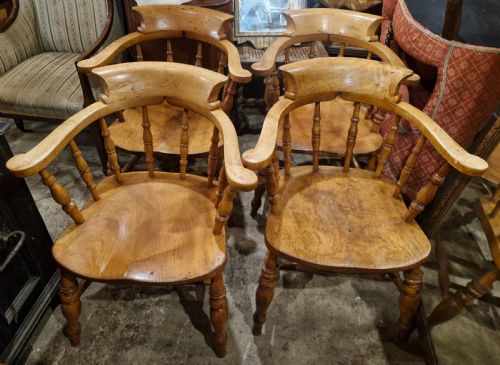
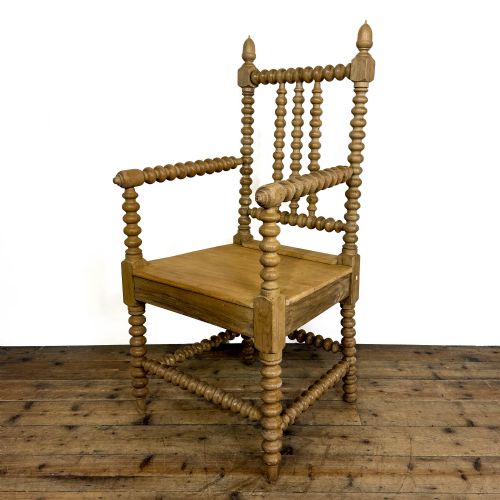
- A turned wooden furniture detail shaped like a series of spools or bobbins. This decorative turning appears on nineteenth-century armchairs and lamp components.
Victorian Wooden Light: Frequently Asked Questions
How do I identify a period lamp base?
Period lamp bases display nineteenth-century joinery techniques, native timber construction, and traditional hand-carved details. Common markers include turned wood components and patinated brass fittings.
Examining the base material and the ageing of the wood helps distinguish genuine nineteenth-century work from later reproductions.
Can I use modern bulbs with these lamps?
Most antique wooden lamps accept standard modern bulbs provided the internal wiring meets current safety standards. Rewiring is frequently recommended for older lighting pieces.
Consulting a qualified electrician ensures that vintage timber bases are safely adapted for contemporary domestic use.
Where were these wooden lights made?
These items originate from various workshops across Britain and continental Europe, spanning regional English country practices to specialised continental carving centres. Materials like oak and pine reflect local timber availability.
Stylistic cues often point to specific regional manufacturing traditions of the nineteenth century.