

Victorian Wooden Lamps
Victorian wooden lamps bring rich timber grains and traditional craftsmanship into a room, offering both functional light and period character.
Victorian Wooden Lamps
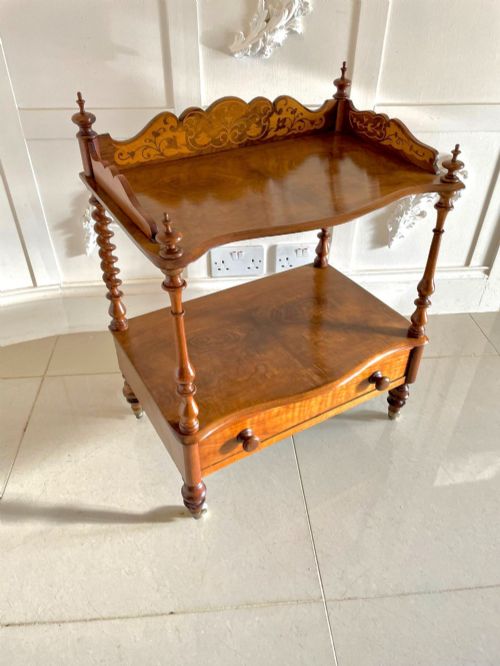
Makers and workshops of the period utilised durable indigenous and imported timbers, creating forms that range from simple oak pedestals to elaborately inlaid burr walnut and ebonised designs. These pieces span stylistic shifts from William IV revival through the Aesthetic Movement and Arts & Crafts periods, reflecting the evolving domestic interiors of the era.
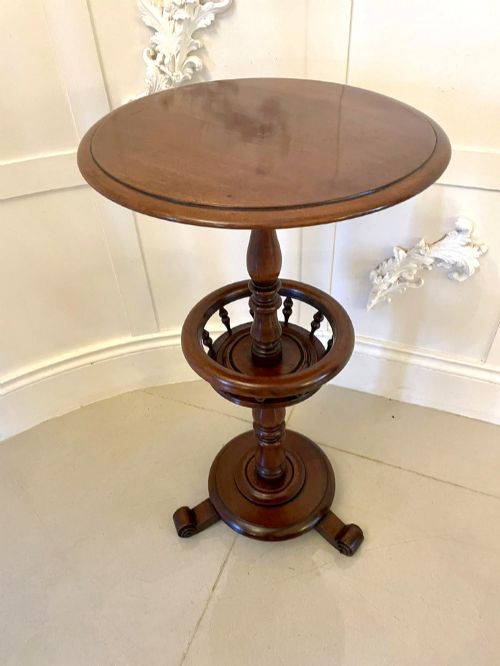
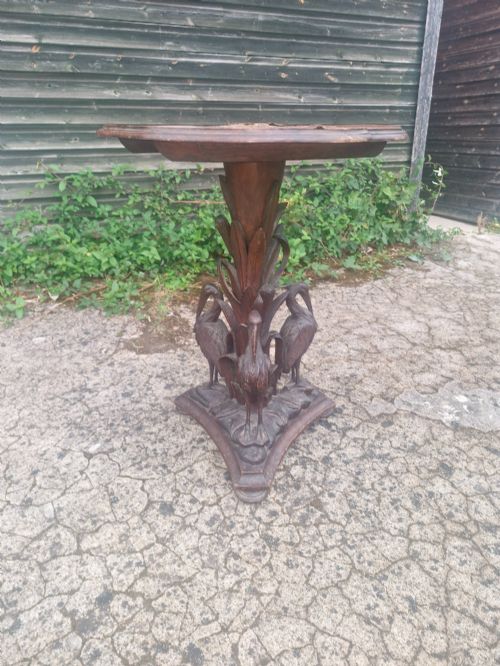
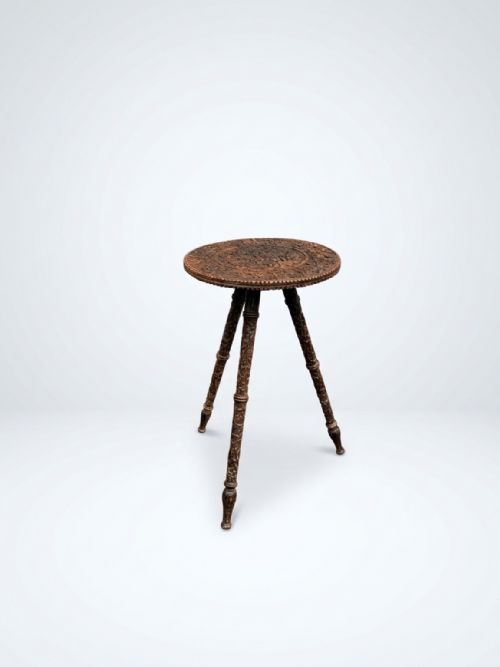
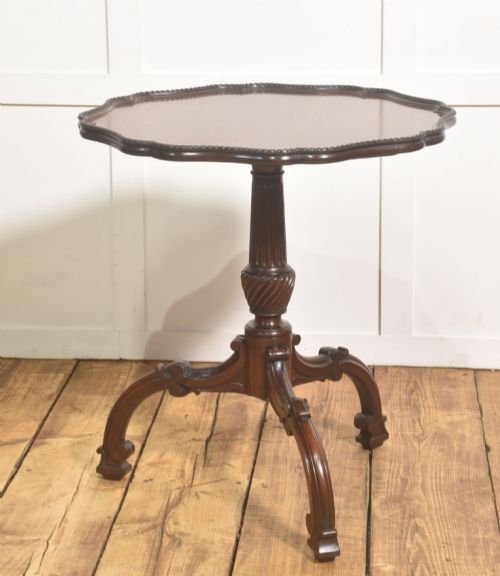
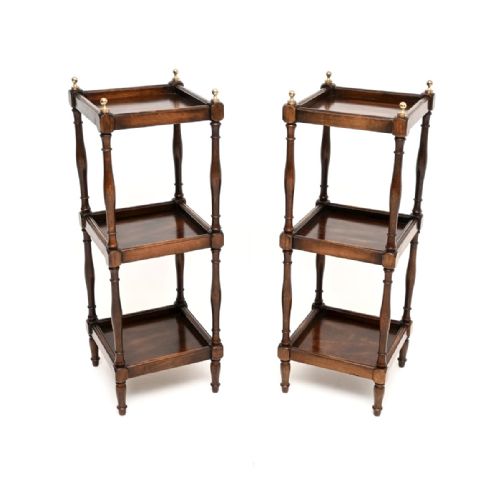
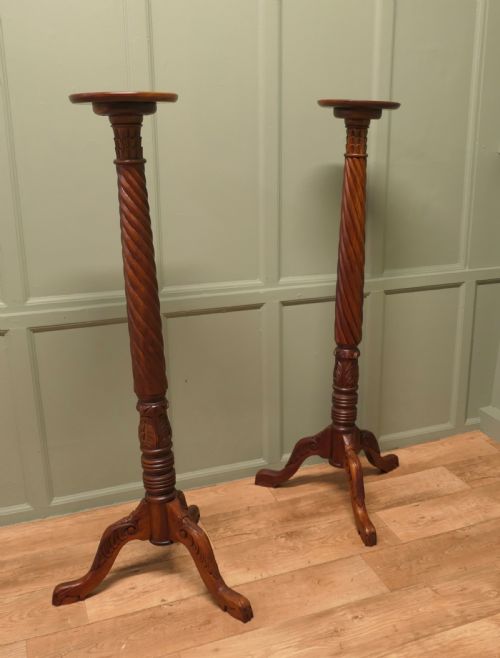
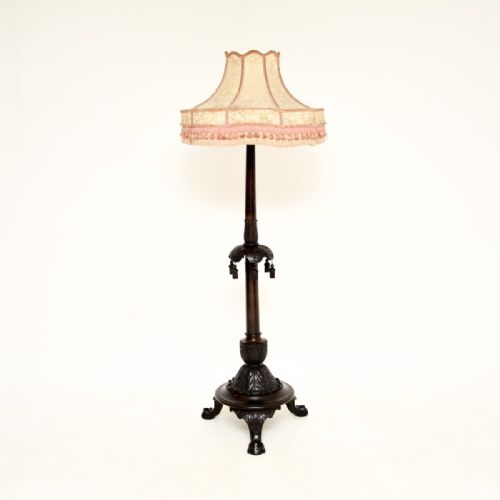
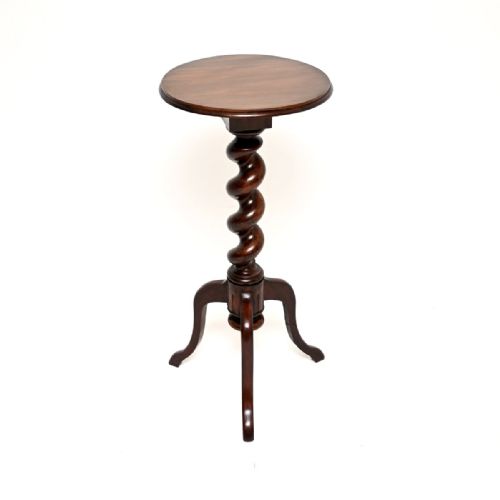
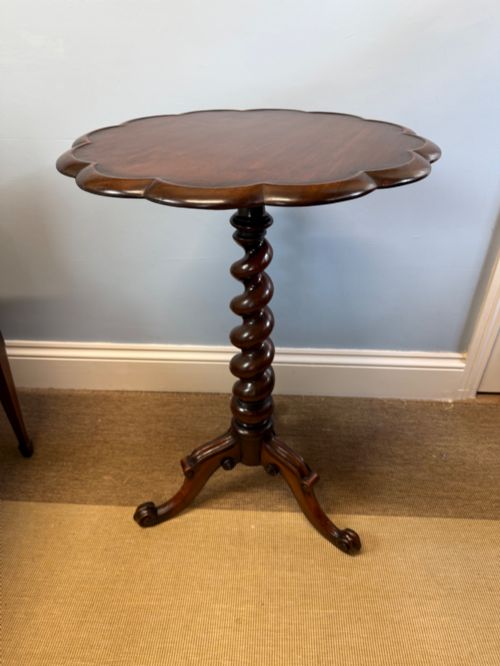
Buyers are most likely to meet round or octagonal occasional tables in mahogany and walnut, often featuring barley twist stems or carved pedestals suited for tabletop illumination. Dedicated floor lamps and smaller wooden candlestick bases also appear, demonstrating the adaptability of nineteenth-century woodwork to modern lighting needs.
Materials and construction methods
Cabinetmakers relied heavily on dense hardwoods such as mahogany, walnut, and oak, frequently selecting burr veneers and figured timbers to add visual depth to table tops and pedestals. Ebonised wood and satinwood also feature, providing striking dark finishes or pale, contrasting surfaces for marquetry and inlay.
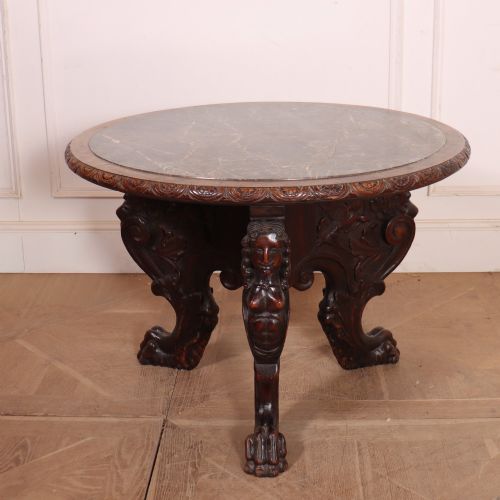
Traditional joinery methods underpinned the stability of these items, utilising sturdy pedestals, tripod bases, and turned columns to support the weight of timber tops and lighting fixtures. Carving, marquetry, and brass detailing were applied by hand, demonstrating the high level of craftsmanship standard in Victorian workshops.
Listings feature woods including mahogany, walnut, oak, satinwood, elm, and ebonised timber, spanning periods from William IV through the Edwardian era.
Defining factors of quality
Quality in these wooden pieces rests primarily on the selection of timber and the precision of the cabinetwork, where figured veneers and tight, stable joinery distinguish superior items. The crispness of hand-carved details on pedestals and legs also separates standard production items from master-workshop commissions.
Provenance and attribution to known makers elevate the standing of a piece, while the integrity of the original surface finish dictates its collector appeal. Pieces retaining undisturbed patination and careful inlay demonstrate a higher grade of original manufacture.
Gillows·Gregory & Co·Hindley and Sons·William Birch·Druce & Co London
The Victorian Wooden Lamps Glossary
- Burr Walnut
- A figured wood grain obtained from the wart-like growths on walnut trees, prized for its swirling patterns on table tops. It adds considerable decorative richness to Victorian occasional furniture.
- Ebonised
- Wood treated with a dark stain or chemical process to imitate expensive ebony. This finish was particularly popular during the Aesthetic Movement.
- Marquetry
- The art of applying pieces of veneer to a structure to form decorative patterns and pictures. It requires immense skill to fit the various timber sections precisely.
- Barley Twist
- A turning technique resembling a spiralling rope, commonly found on table legs and lamp pedestals. This decorative feature adds a dynamic vertical element to the furniture.
- Occasional Table
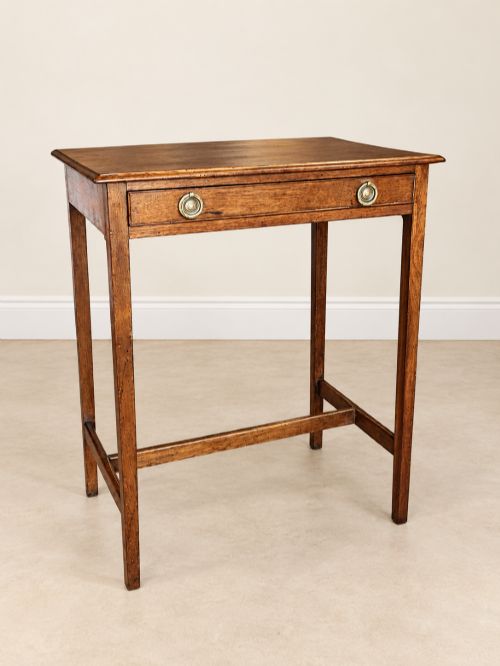
- A small, versatile table designed to be moved around a room as needed. In modern settings, these frequently serve as lamp tables.
Victorian Wooden Lamps: Frequently Asked Questions
Were these tables originally built as lamps?
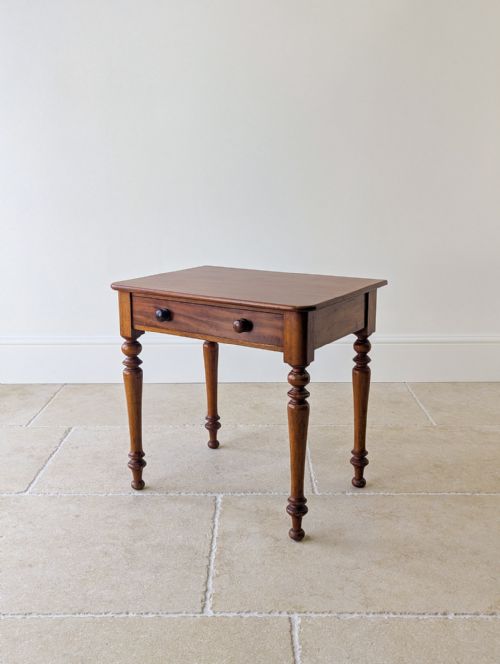
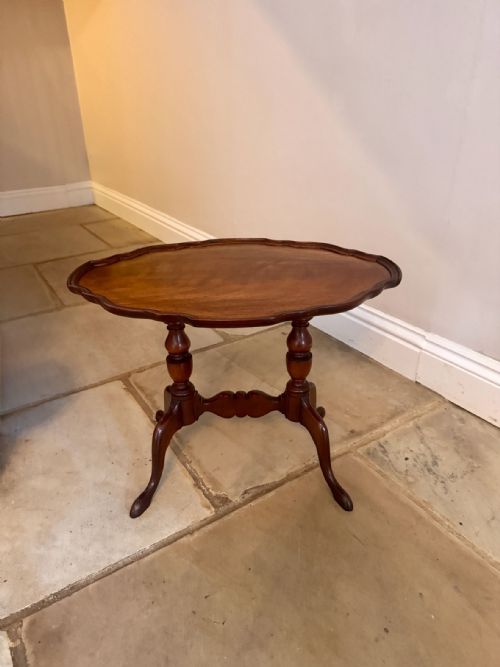
Many items listed as lamp tables were originally manufactured as side tables, wine tables, or occasional tables during the nineteenth century. Later adaptations converted these sturdy timber surfaces to hold lighting.
Dedicated lamp bases and floor lamps were specifically produced to carry early electric or oil fittings. Both converted furniture and original bases share the period timber characteristics.
How do I identify an Aesthetic Movement piece?
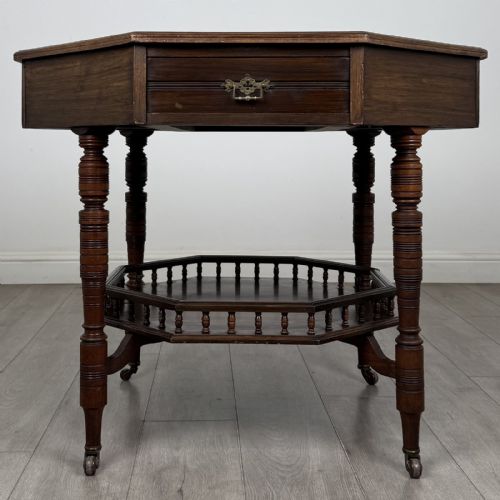
Aesthetic Movement pieces often feature ebonised wood finishes, clean lines, and subtle decorative motifs that break away from heavy Victorian ornamentation. These designs prioritize artistic composition and visual harmony over strict historical revival.
Look for contrasting inlays and Japanese-inspired details that define the style of the late nineteenth century.
What timbers were commonly used?
Mahogany and walnut dominate the selection, offering rich natural grain and deep colour that darkens gracefully over time. Burr walnut was frequently chosen for prominent table tops to showcase complex, swirling patterns.
Oak, elm, and satinwood also appear, each bringing distinct textural qualities and varying tones to the items.
How should I care for Victorian wooden lamps?
Maintain the timber by keeping pieces away from direct sunlight and sudden temperature shifts that can dry out old wood. Regular dusting with a soft, dry cloth preserves the finish without building up heavy wax residues.
Check electrical components periodically if the piece has been adapted for modern lighting use, ensuring the vintage structure remains safe.