


Victorian Wooden Desk Accessory
These Victorian wooden desk accessory pieces bring tactile character to a study through inkstands, writing slopes, and book slides.
Victorian Wooden Desk Accessory
A victorian wooden desk accessory encompasses the functional items that once organised a nineteenth-century writing table. Buyers searching this phrase encounter practical implements built for correspondence and reading, spanning inkstands, writing slopes, book slides, and stationery boxes.
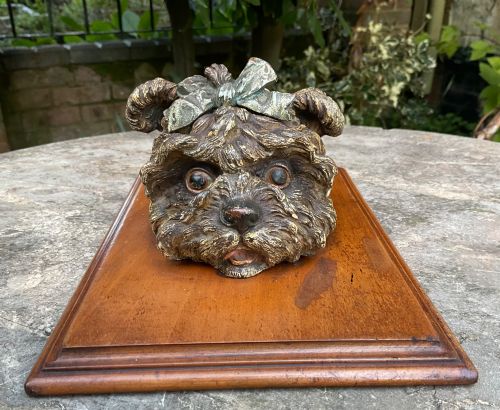
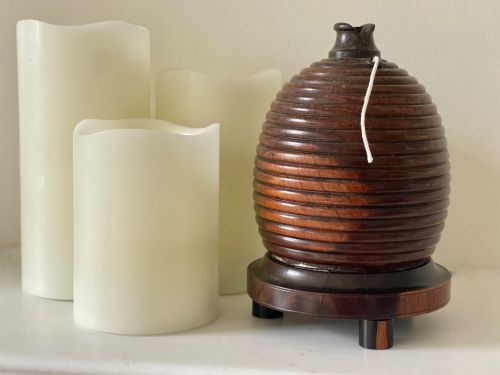
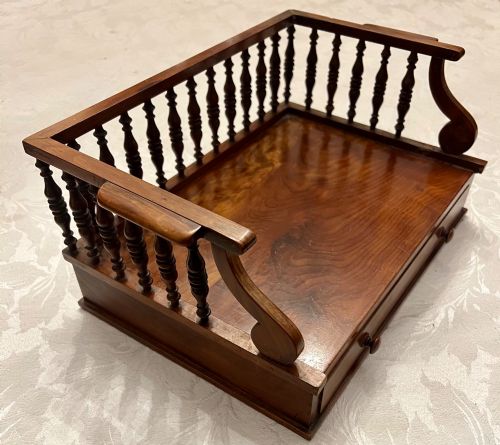
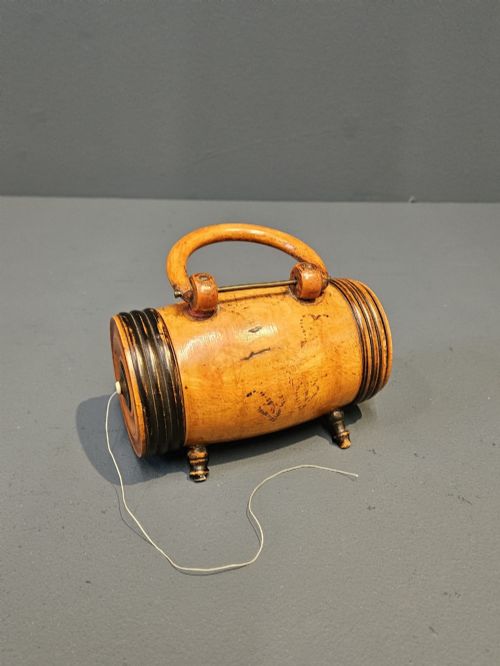
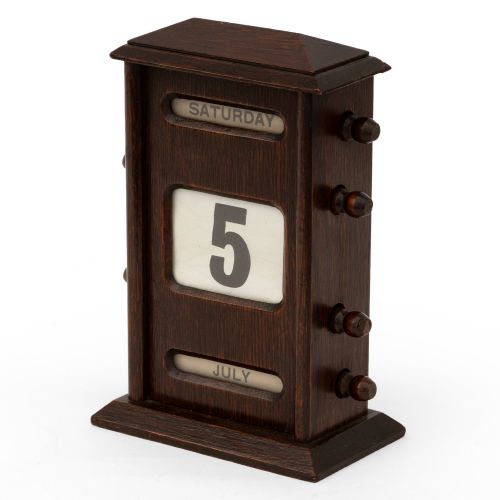
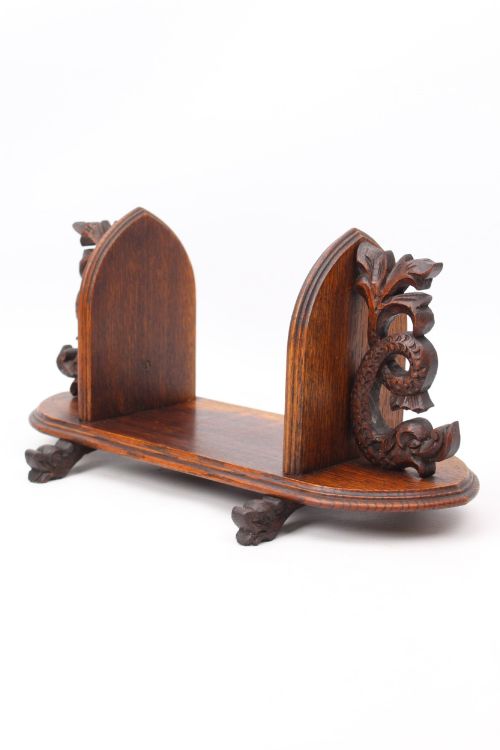
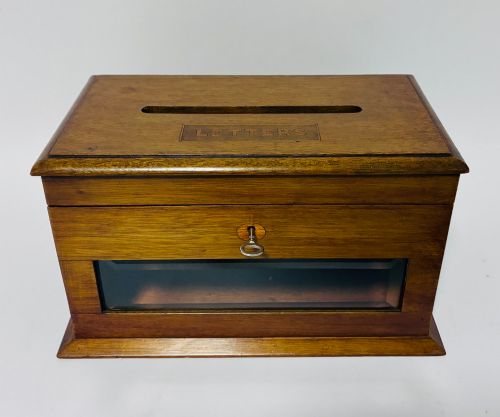
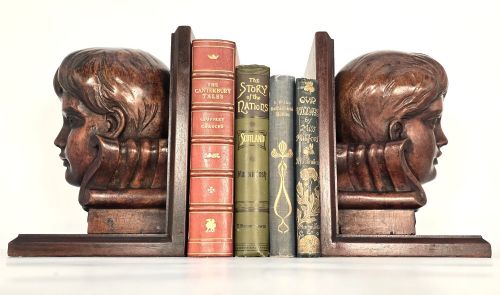
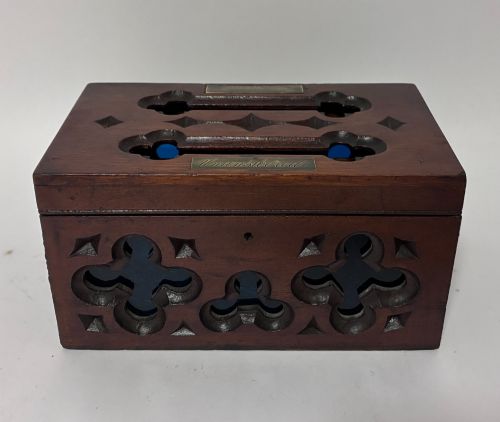
The pieces appearing on this page originate predominantly from the Victorian period, alongside Edwardian examples and nineteenth-century items. Common forms include oak book stands, walnut stationery cabinets, fruitwood string barrels, and carved wooden match dispensers.
Originating in domestic libraries and offices, these items served specific administrative tasks before becoming decorative objects for modern desks. Their survival reflects the enduring utility of well-made wooden desk equipment.
Materials and construction
Cabinet makers utilised a range of dense hardwoods including oak, walnut, mahogany, coromandel, and yew wood. Surfaces often feature brass mounts, glass inkwells, and intricate decorative treatments such as Tunbridge ware inlay or deep carving.
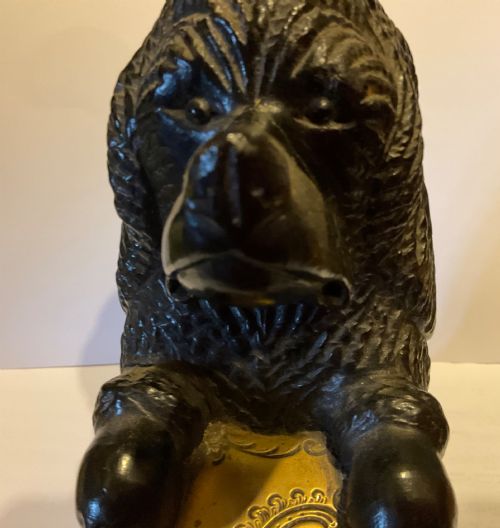
Construction methods relied on traditional joinery suited to daily desktop use, incorporating dovetailed boxes, hinged lids, and extending mechanisms for book slides. Carved pieces, particularly Black Forest items, display detailed hand-tooled animal figures and foliage.
Victorian Wooden Desk Accessory Retail Price Guide 2026
Typical asking prices for victorian wooden desk accessory among the pieces listed under this phrase on Sellingantiques today, from the lower quarter to the upper quarter. They describe what is for sale here now, not the wider market.
The selection includes mechanical items such as perpetual desk calendars, extending book slides, and string boxes with cutters.
Distinctions in quality
Quality rests upon the selection of timber figures, such as burr walnut or figured mahogany, and the precision of the underlying joinery. Superior items exhibit crisp carving, well-fitted brass hardware, and integrated locking mechanisms like Bramah locks.
The degree of specialist decoration, including micro-mosaic Tunbridge ware banding or elaborate figural wood carving, elevates standard utilitarian objects into works of fine craftsmanship. Condition and the retention of original glass or brass components also define the upper tier.
The Victorian Wooden Desk Accessory Glossary
- Writing slope
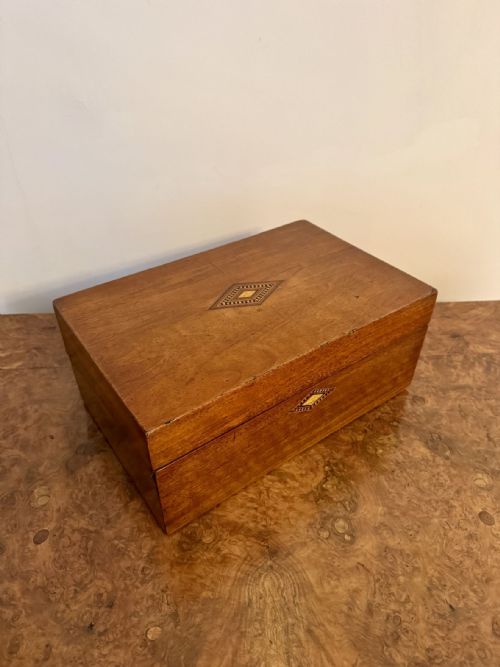
- A portable slant-topped box designed to hold writing paper, pens, and ink while providing an angled surface for letter writing. They frequently feature internal compartments and secret drawers.
- Inkstand
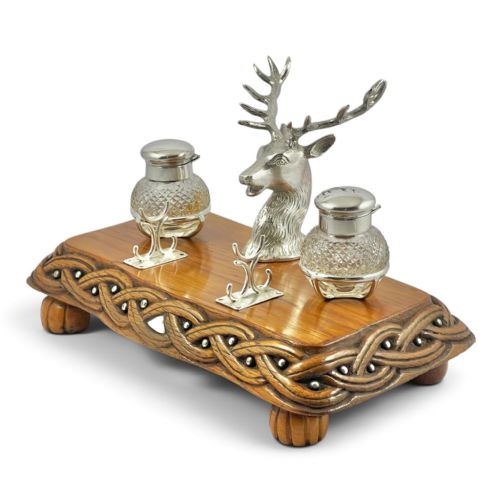
- A desktop tray or stand housing one or more inkwells, often accompanied by pen troughs and sanders. They are also known as standishes.
- Tunbridge ware
- A form of decorative woodwork originating from Tunbridge Wells, characterised by mosaic patterns assembled from thousands of tiny tinted wood blocks to form geometric or pictorial scenes.
- Book slide
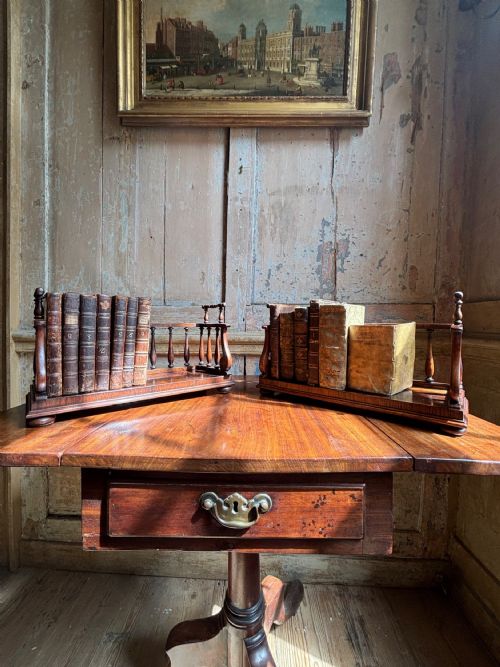
- An extending wooden stand designed to hold a small row of books upright on a desk or table, often featuring pivoting or expanding ends.
- String barrel
- A turned wooden container designed to hold a ball of twine or string, featuring a small aperture at the top for dispensing and frequently incorporating an integrated metal cutter.
Victorian Wooden Desk Accessory: Frequently Asked Questions
What is a Victorian desk tidy?
A desk tidy is an organised desktop tray or stand designed to hold writing implements, inkwells, and correspondence materials in one central place. These items kept nineteenth-century writing tables free from clutter.
They typically combine compartments for envelopes, pens, and stamps with glass-lined inkwells. Surviving examples reflect the specific administrative habits of the Victorian study.
How do I date a wooden writing slope?
Dating relies on examining the timber species, internal configuration, and hardware such as hinges and escutcheons. Earlier nineteenth-century examples often feature secret drawers and flush brass carrying handles.
Cabinet construction techniques and the presence of maker stamps or patented locks also help establish the approximate decade of production.
Can I use an antique inkstand today?
Many antique inkstands remain fully functional for modern use, provided the glass inkwells are intact and free from cracks. They provide a practical and decorative method for holding fountain pens or modern writing equipment.
Care should be taken when cleaning old wood and brass fittings to preserve the original patina and finish accumulated over the centuries.
What are Black Forest carvings?
Black Forest carvings refer to highly detailed wooden decorative items produced in the mountainous regions of central Europe during the nineteenth century. These pieces frequently depict animals such as bears, owls, and dogs.
On desks, these carvings took the form of match dispensers, inkwells, and tobacco boxes, combining whimsical subjects with functional desktop utility.