
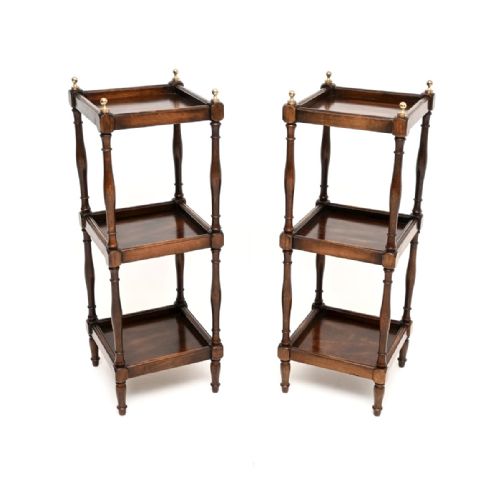
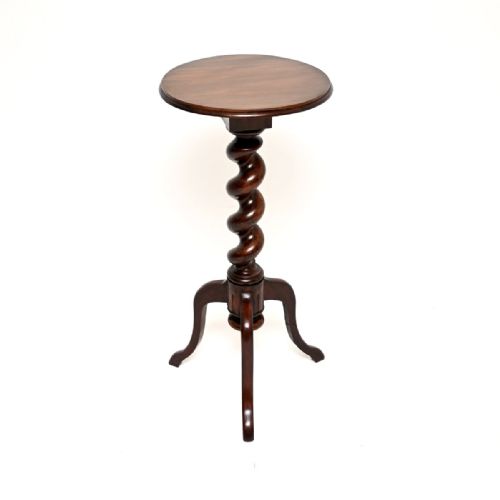
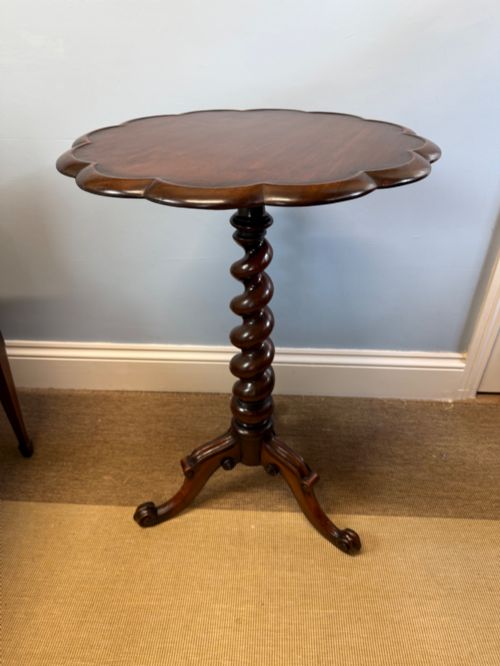
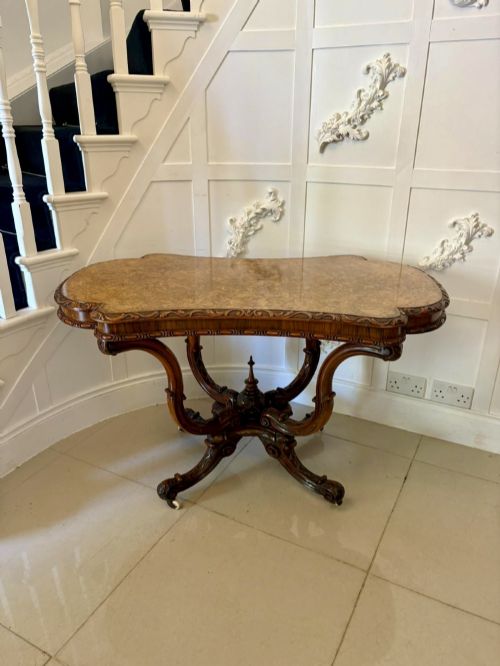
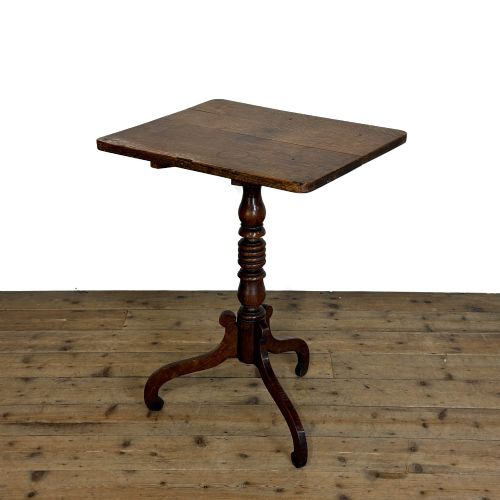
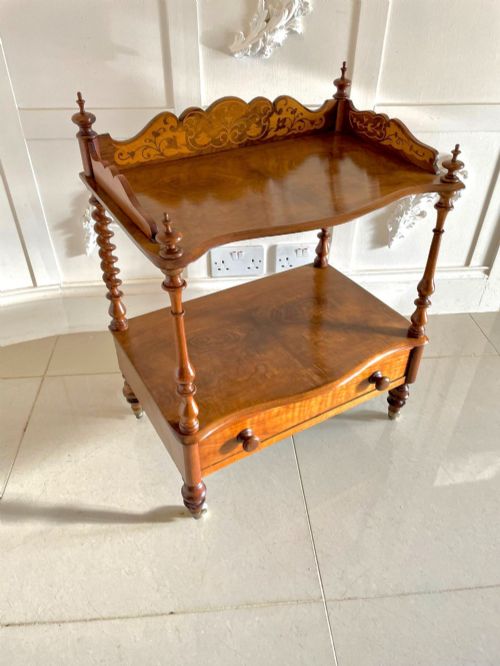
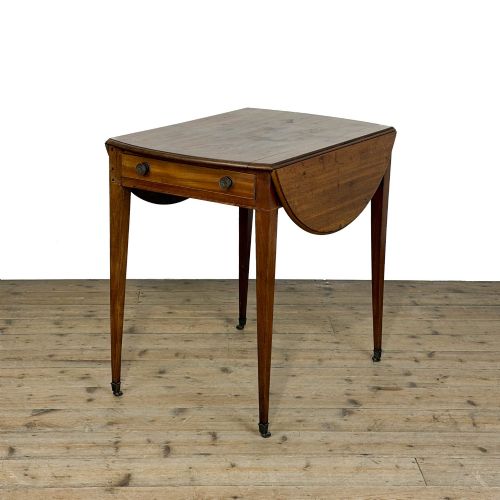
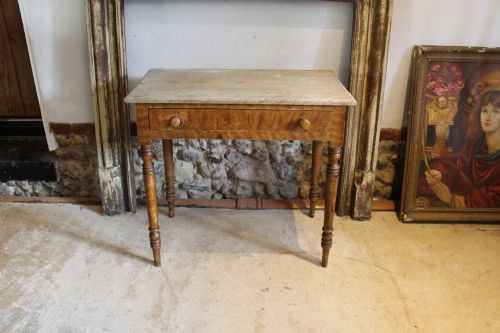
Victorian Wooden Accent Table
A victorian wooden accent table brings warmth and dependable utility to a room, ranging from simple walnut lamp stands to intricately carved occasional pieces.
Victorian Wooden Accent Table
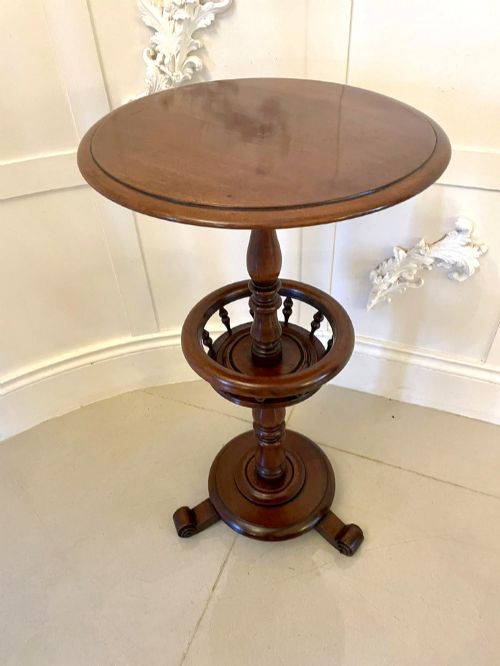
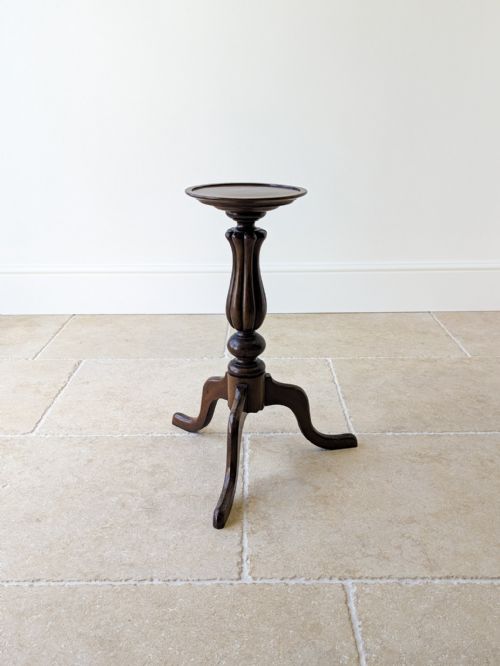
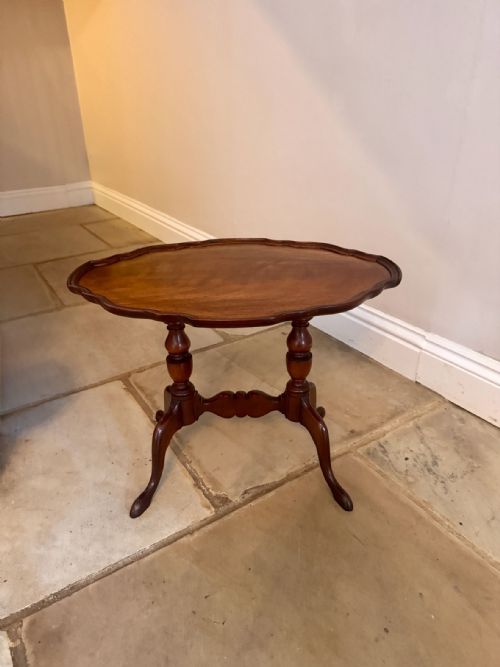
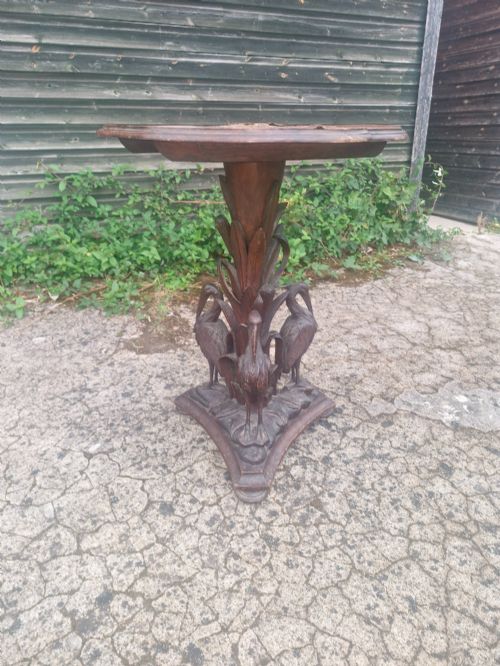
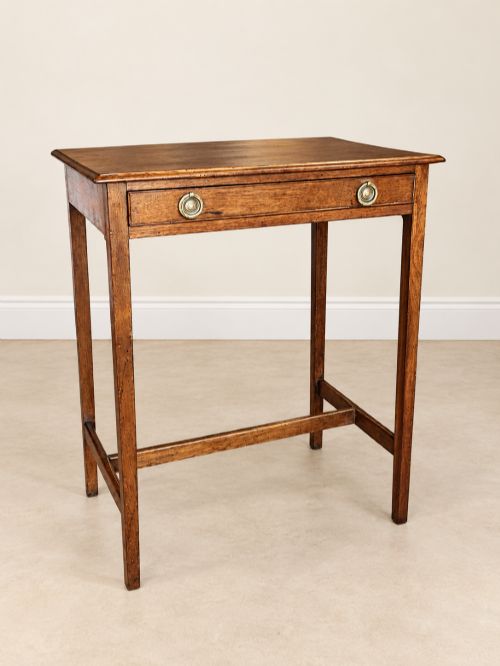
When searching for a victorian wooden accent table, you encounter a diverse selection of nineteenth-century occasional pieces designed for specific household tasks. The selections span from compact lamp and wine tables to broader centre tables and Sutherland tables suited for flexible placement.
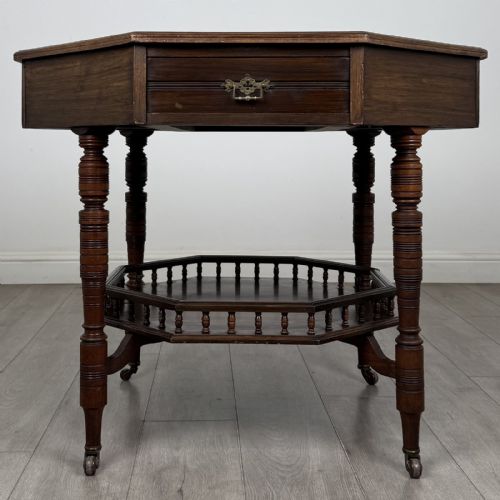
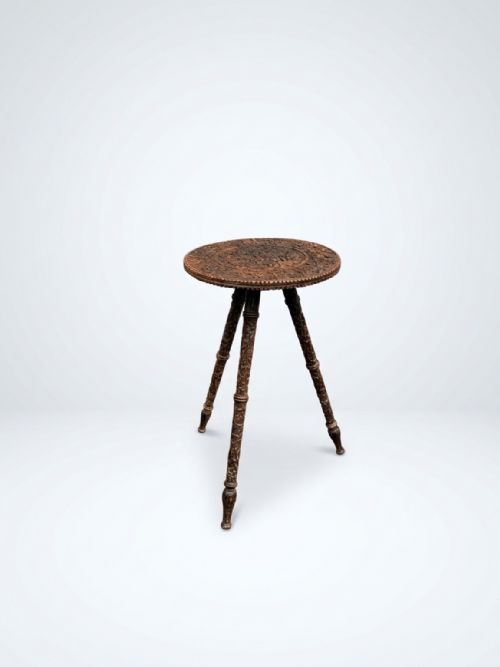
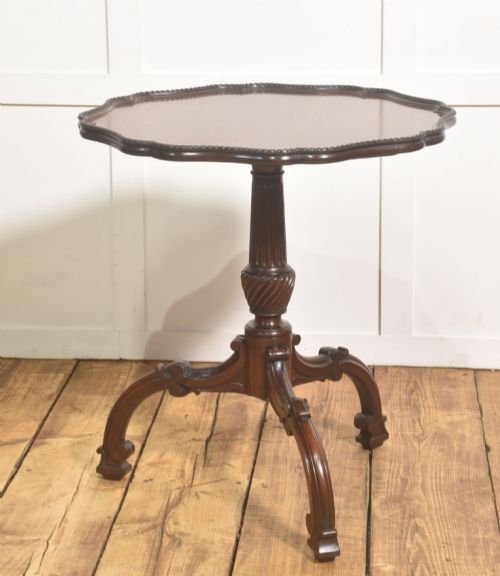
Mahogany and walnut form the backbone of these pieces, alongside oak, rosewood, and burr walnut veneers. Forms adapt to the nineteenth-century interior, appearing in round, octagonal, and kidney-shaped silhouettes supported by pedestals, barley twist legs, or bobbin turnings.
Geographic influences stretch beyond standard British cabinet-making to include Anglo-Indian, Moorish Revival, and Hoshiarpur styles incorporating brass inlay and exotic hardwoods. Makers and movements such as Arts and Crafts, the Aesthetic Movement, and Liberty and Co appear frequently across the period.
How They Were Made
Cabinet-makers relied on solid timbers like mahogany, oak, and walnut, frequently applying burr walnut and satinwood veneers to tabletops to create striking grain patterns. Marquetry, parquetry, and brass inlay added decorative surface detail to occasional and centre tables.
Structural elements involved traditional joinery, tilt-top mechanisms, and turned supports, including barley twist and bobbin legs. Ebonised wood, scumble paint, and chip-carving provided alternative surface finishes ranging from deep black tones to rustic painted textures.
Materials span mahogany, walnut, burr walnut, oak, rosewood, satinwood, and ebonised wood across the nineteenth-century selections.
What Varies in Quality
Quality rests in the selection of timbers and the precision of the cabinet-making, where finely matched burr veneers and crisp carving distinguish superior examples from plain utility pieces. The intricacy of inlay work, whether geometric parquetry or detailed brass Hoshiarpur patterns, dictates the refinement of the piece.
Structural integrity and the retention of original surfaces, such as polished mahogany, ebonised finishes, or scumble paint, separate well-preserved examples from those with extensive restoration. Maker attribution, through stamps or documented workshop styles, elevates specific tables within the nineteenth-century canon.
Gillows·Gregory and Co·Hindley and Sons·William Birch·Liberty and Co·Druce and Co
The Victorian Wooden Accent Table Glossary
- Burr walnut
- A figured veneer sliced from the knot growths of walnut trees, prized for its swirling grain patterns on tabletops.
- Sutherland table
- A narrow drop-leaf table with wide flaps supported by swinging gate legs, designed for easy storage.
- Parquetry
- Geometric patterns formed by small pieces of wood fitted together on a surface, often seen on kidney-shaped side tables.
- Ebonised wood
- Timber treated with a dark stain or finish to imitate ebony, common in Aesthetic Movement furniture.
- Hoshiarpur
- A style of woodwork originating in India featuring intricate brass wire inlay set into dense hardwood.
Victorian Wooden Accent Table: Frequently Asked Questions
What is a Victorian accent table used for?
These tables served various domestic functions in nineteenth-century interiors, acting as surfaces for lamps, reading materials, or tea service.
Smaller formats like wine tables and lamp stands moved easily around rooms, while larger centre tables anchored reception spaces.
How do I identify an Arts and Crafts table?
Arts and Crafts pieces emphasise honest construction, visible joinery, and simpler forms derived from movement ideals.
They often utilise solid oak or walnut without excessive ornamentation, reflecting the hand of the maker.
What is an Anglo-Indian table?
Anglo-Indian tables combine British furniture forms with traditional Indian carving techniques and exotic materials.
They frequently feature dense surface carving and brass inlay work executed in regions like Hoshiarpur.
Are these tables suitable for modern use?
Their compact dimensions make these tables practical for placing beside modern seating or in hallways.
They function effectively as lamp stands or bedside surfaces while introducing nineteenth-century character to contemporary rooms.