

Victorian Wood Tray
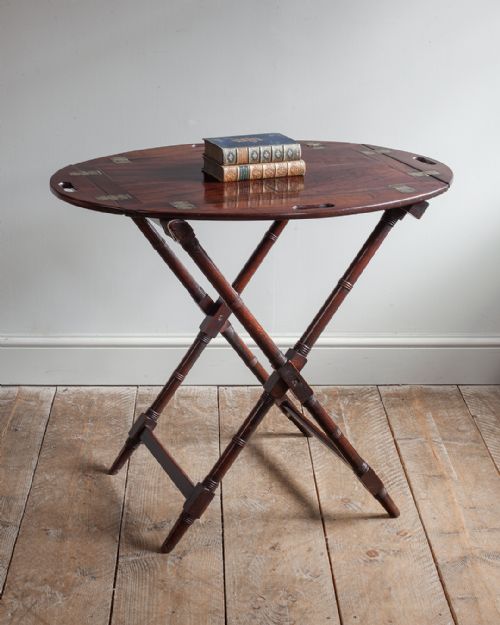
These Victorian wood tray items span sturdy mahogany serving platters and folding butler tables built to carry heavy china or hold daily correspondence.
Victorian Wood Tray
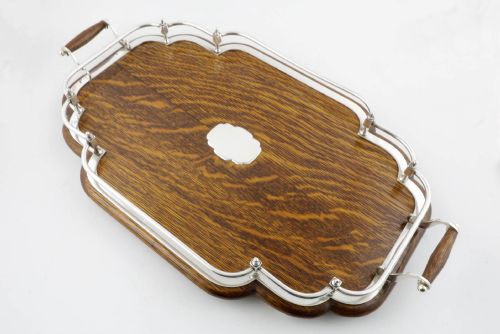
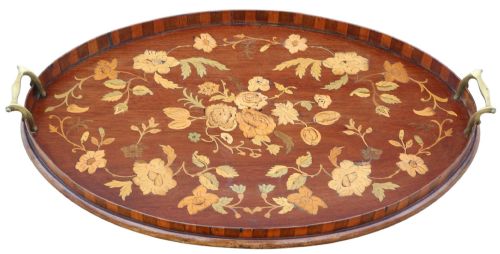
A victorian wood tray encompasses everything from serving platters and butlers' trays on folding stands to rotating lazy susans and desk accessories. Mahogany dominates the selection, frequently paired with brass handles, gallery edges, or satinwood inlay.
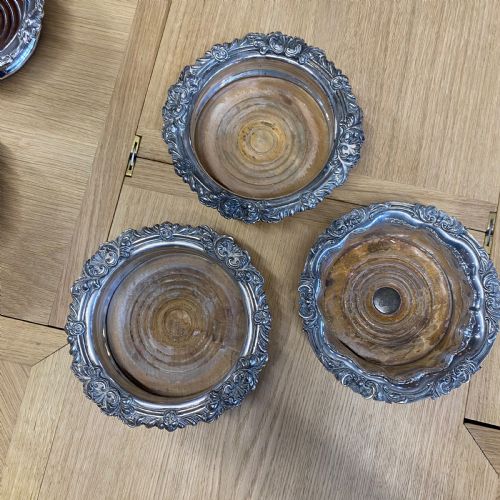
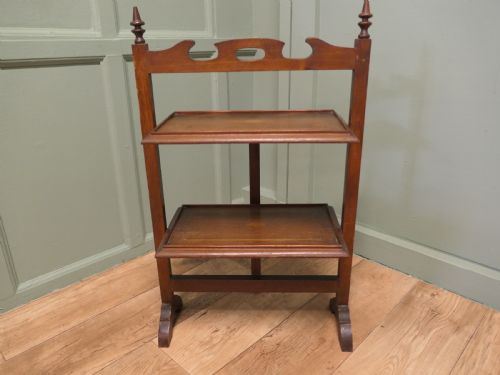
Buyers encounter serving pieces alongside occasional furniture adapted from the period, including tray tables, etageres, and wine coasters. The forms range from plain country house utilities to finely carved Anglo-Indian and Sheraton Revival examples.
Construction and Materials
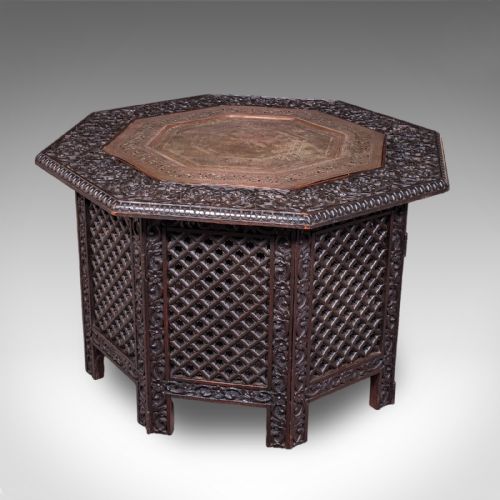
Cabinetmakers utilised dense timbers like mahogany, rosewood, coromandel, and oak to construct these pieces, ensuring structural rigidity for daily lifting and serving. Surfaces often feature inlaid satinwood stringing, carved detailing, or contrasting wooden borders.
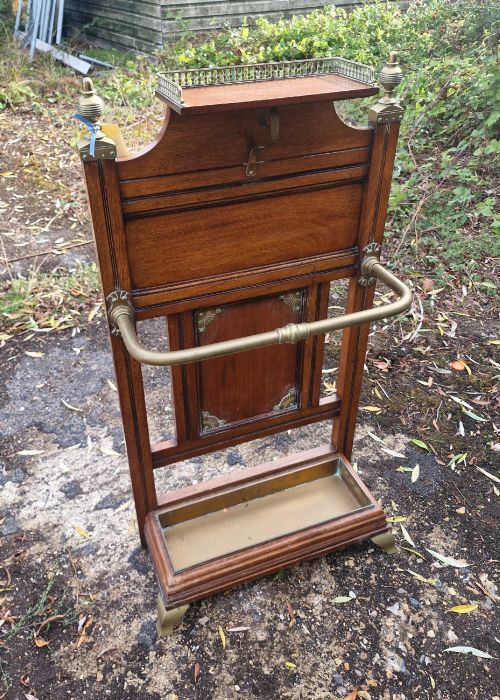
Metal fittings such as brass handles, copper insets, and silver plate galleries are integrated directly into the woodwork to secure items during transport. Joinery relies on traditional dovetailing and pegged joints visible along the rims and undersides.
Victorian Wood Tray Retail Price Guide 2026
Typical asking prices for victorian wood tray among the pieces listed under this phrase on Sellingantiques today, from the lower quarter to the upper quarter. They describe what is for sale here now, not the wider market.
A revolving lazy susan brings Victorian dining theatre straight to the modern breakfast table.
Judging Quality
Quality rests in the crispness of the carving, the selection of figured wood grain, and the integrity of the original joints. Pieces with hand-cut inlay and solid brass mounts stand apart from later or simpler utility items.
The visual balance between the timber and any incorporated metalwork dictates the success of the piece. Fine examples retain their original surface patination without excessive modern intervention.
Thonet·Shoolbred
The Victorian Wood Tray Glossary
- Butlers tray
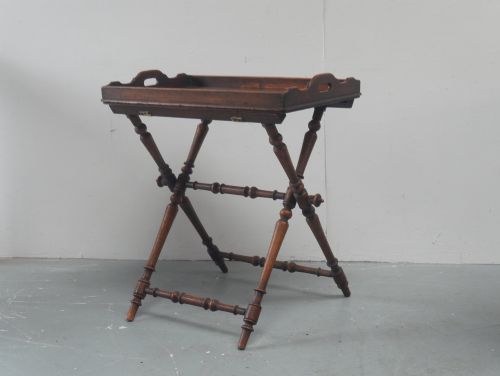
- A portable wooden tray with hinged or fixed sides, designed to sit upon a folding wooden stand. These items allowed servants to transport dining porcelain between rooms.
- Lazy susan
- A revolving tray placed on a table to assist with the distribution of food. Victorian versions frequently turn on a central wooden or metal pivot.
- Etagere
- A piece of furniture consisting of a set of open shelves or trays for displaying small objects. They combine display utility with portable tray surfaces.
- Satinwood
- A durable, yellowish-gold timber native to India and Ceylon, used extensively for contrasting inlay and banding on mahogany furniture. Cabinetmakers prized it for its lustrous grain.
- Gallery tray
- A serving tray fitted with a raised pierced metal or wooden border along the edge. This barrier prevents items from sliding off during transit.
Victorian Wood Tray: Frequently Asked Questions
What is a butler tray?
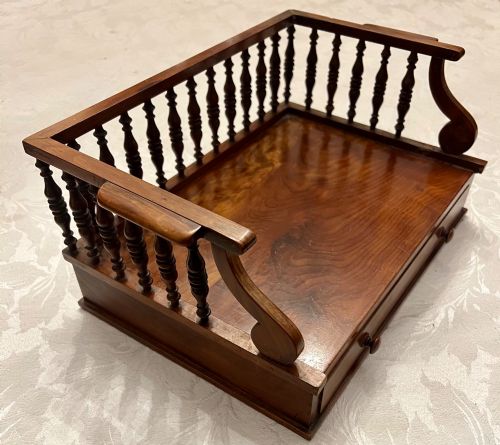
A butler tray is a portable wooden serving surface featuring low panelled sides with cut-out carrying handles. They lift off their supporting stands for easy clearing after meals.
Most surviving examples date from the nineteenth century and utilise dense timbers like mahogany to withstand frequent movement.
How do I use a lazy susan?
A lazy susan sits in the centre of a table or sideboard to rotate dishes within reach of diners. Victorian models often feature heavy mahogany construction with a central revolving mechanism.
They function well on modern dining tables for serving shared dishes or condiments.
What is satinwood inlay?
Satinwood inlay involves contrasting pale, golden timber veneer inserted into darker woods like mahogany to create geometric borders or decorative motifs. It was a hallmark of Sheraton Revival and late nineteenth-century cabinetmaking.
This technique adds visual depth and refinement to plain serving trays and occasional tables.
Are these trays waterproof?
Victorian wooden trays feature polished wood finishes that resist brief spills from teacups or glasses. However, standing water can damage the historic french polish or veneer.
Owners should use coasters and wipe surfaces dry promptly to preserve the timber finish.