




Victorian Wirework
Victorian wirework brings industrial metal shaping into the garden and the parlour with delicate grace, offering both utilitarian strength and decorative charm.
Victorian Wirework
When you search for Victorian wirework, you encounter an array of domestic and garden objects formed from metal wire and iron frames. The pieces on this page span from Georgian plant stands up to early twentieth-century garden seating, reflecting a broad tradition of metalcraft.
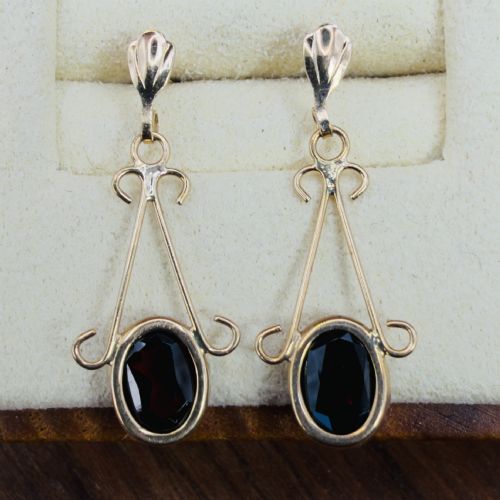
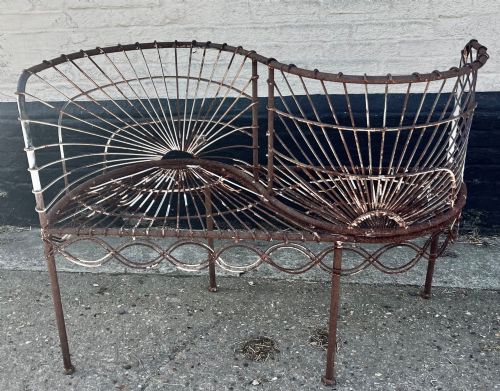
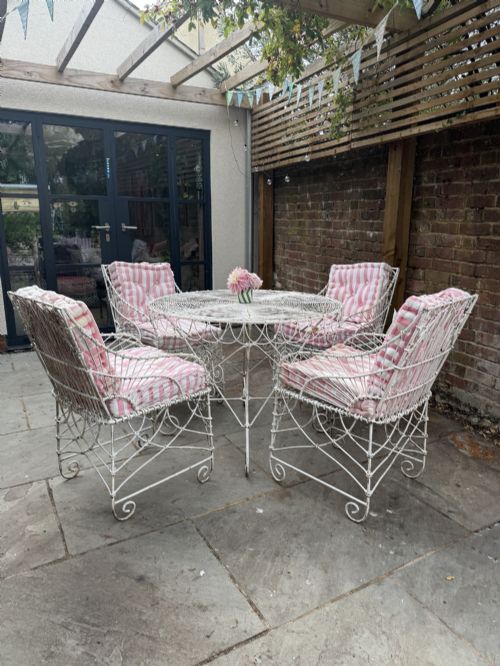
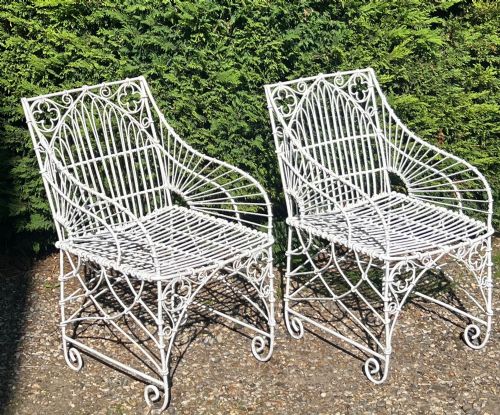
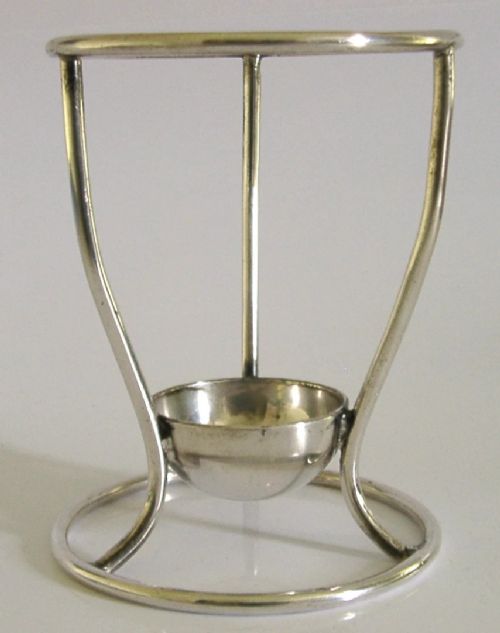
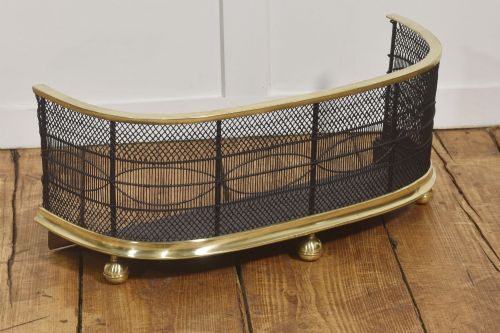
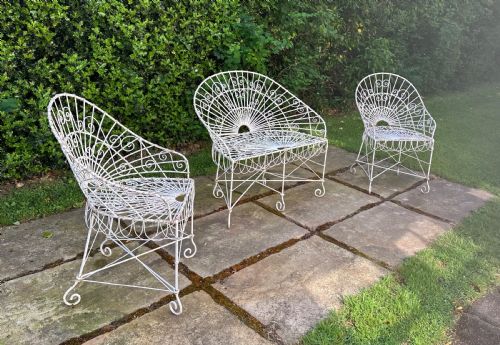
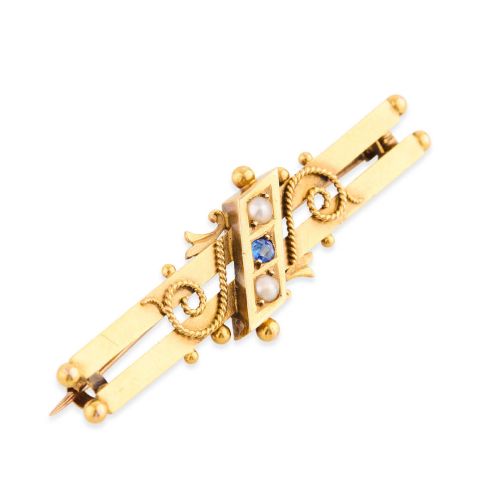
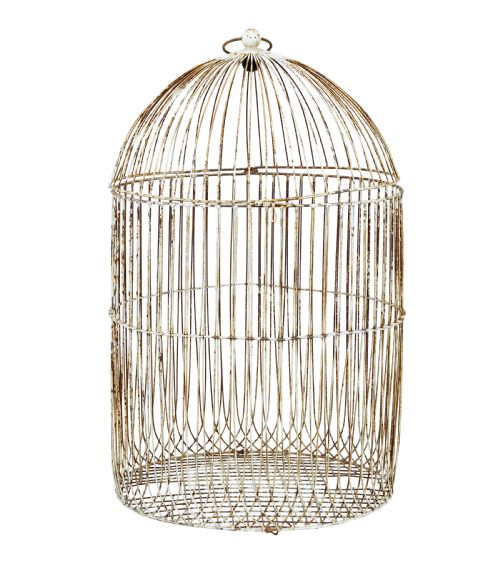
Garden benches, chairs, plant stands and architectural arbours dominate the forms you are most likely to meet here. Alongside these larger garden fixtures, domestic items such as fire guards, bottle stands, bird cages and brooches demonstrate the versatility of the material across different scales.
The periods represented stretch from the early nineteenth century into the 1930s, encompassing Victorian, Edwardian, and Georgian eras. This variety shows that while the aesthetic is rooted in the nineteenth century, the techniques persisted well into the twentieth.
Materials and construction
Makers utilised iron and wirework as the primary structural elements, often combining painted finishes to protect the metal from the elements. Brass, silver plate, and gold appear in smaller domestic and jewellery pieces, showing that the technique crossed over from utilitarian garden furniture to fine decorative objects.
Construction relied on bending, twisting, and joining metal wire into rigid frames, creating tiered plant stands, decorative arches, and supportive frameworks for seats. The marriage of heavy wrought iron for stability with lighter wire mesh or scrollwork allowed items to remain surprisingly airy while bearing substantial weight.
Victorian Wirework Retail Price Guide 2026
Typical asking prices for victorian wirework among the pieces listed under this phrase on Sellingantiques today, from the lower quarter to the upper quarter. They describe what is for sale here now, not the wider market.
Current listings span from the early nineteenth century through the 1930s, featuring iron, brass, wire, and gold across garden and domestic forms.
Distinctions in quality
The calibre of a piece rests upon the intricacy of the wire bending and the structural integrity of the supporting iron frame. Finer examples display symmetrical scrolls, tight joints, and balanced proportions that elevate simple wire mesh into decorative art.
Condition and originality separate exceptional survivors from heavily restored or weathered pieces. Items retaining their early paint surfaces or original structural components hold greater integrity than those altered by later repairs.
The Victorian Wirework Glossary
- Wirework
- Metal wire bent, twisted, or woven into utilitarian or decorative structures. It forms the basis of plant stands, fire guards, and garden seating.
- Jardiniere
- An ornamental pot or stand for holding plants or flowers. These often take tiered wire forms designed to display foliage in gardens or conservatories.
- Fire guard
- A protective screen placed in front of an open fireplace to catch sparks. Many feature brass and wirework construction to protect the room while allowing heat to pass.
- Arbour
- A shaded garden alcove, often formed from structural wire frames supporting climbing plants. These architectural pieces create enclosed seating areas in outdoor spaces.
- Barware
- Utensils and accessories used for serving drinks, including bottle stands and holders. In metalwork, these items combine functional frames with decorative wire elements.
Victorian Wirework: Frequently Asked Questions
What is victorian wirework used for?
Victorian wirework served both practical and decorative purposes in domestic and garden settings. Large examples supported plants in conservatories and provided seating in gardens.
Smaller domestic versions held bottles, guarded fireplaces, or served as decorative bird cages and personal jewellery. This dual utility made the medium popular across both indoor and outdoor spaces.
How do I date wirework pieces?
Dating relies on stylistic clues, materials, and construction techniques associated with periods from the Georgian era through to the early twentieth century. Heavier iron frames often point to nineteenth-century origins, while specific architectural motifs align with Victorian or Edwardian design.
Comparing structural forms with dated examples helps narrow down the era of manufacture. Examining the type of fixings and metal preparation also aids in establishing age.
Are these pieces suitable for outdoor use?
Many garden benches, tables, and plant stands were originally designed to withstand outdoor conditions. However, surviving antique pieces often require careful placement and maintenance to protect them from further weathering.
Enthusiasts frequently keep delicate or painted examples in sheltered spots, conservatories, or indoors to preserve their remaining finish and structural integrity.
How do I clean antique wirework?
Cleaning requires gentle methods that preserve any remaining early paint or surface patination. Soft dusting and careful removal of debris prevent damage to delicate wire joints.
Harsh chemical cleaners or abrasive scouring should be avoided to protect the underlying metal and finish. Professional advice may be sought for pieces with significant corrosion or fragile components.