



Victorian Wine Stopper
A victorian wine stopper seals the bottle and crowns the decanter with glass and silver detail.
Victorian Wine Stopper
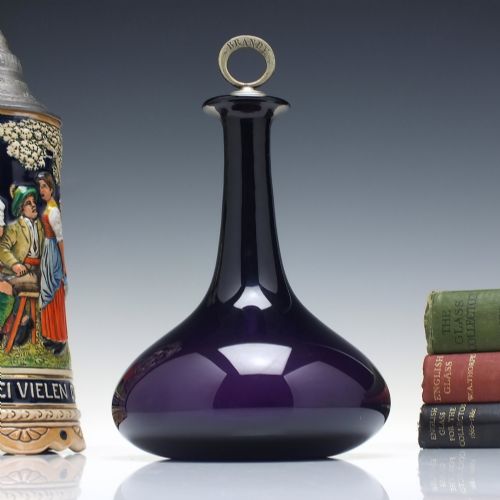
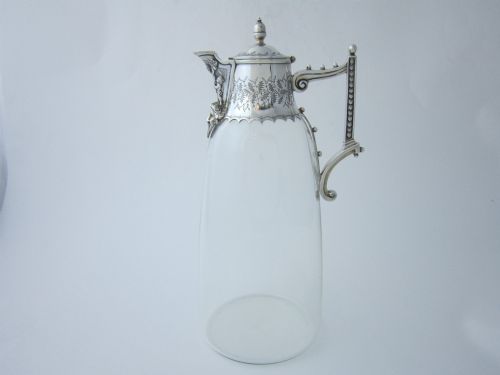
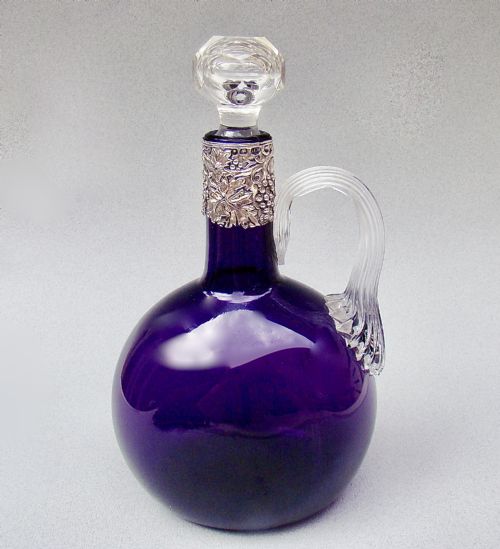
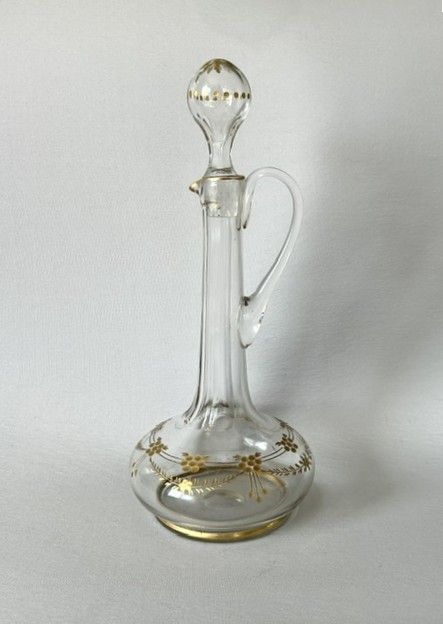
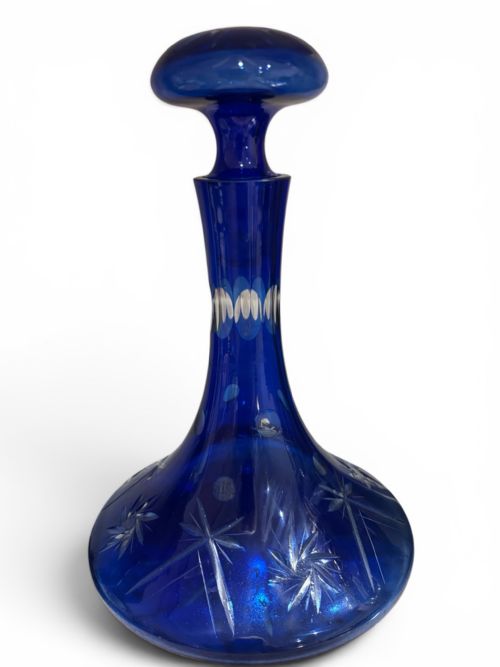
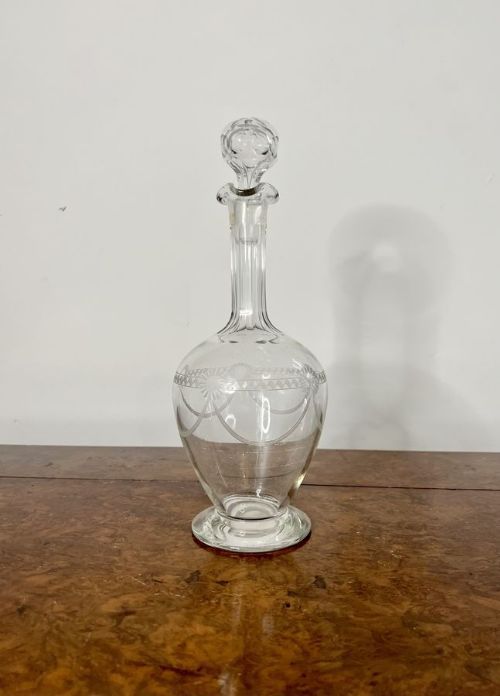
When you search for a victorian wine stopper, you encounter closures and mounted bottles spanning the nineteenth century. These items include novelty silver stoppers shaped as figures alongside complete decanters and jugs fitted with matching stoppers.
The pieces on this page originate primarily from the Victorian period, with examples stretching from the eighteen-fifties through to nineteen-hundred. You will find cut glass bodies, amethyst glass vessels, and silver mounts accompanying the stoppers.
Makers and workshops produced these items in clear glass, coloured glass, and crystal. The selection bridges utilitarian dining accessories and decorative table wares.
How they were made
Craftsmen shaped the glass components using techniques such as optical blowing, cutting, and engraving. Coloured and overlay glasses received enamel painting, gilding, or layered colour effects during production.
Silversmiths combined sterling silver with glass through mounts and collars. Workshops utilised old Sheffield plate alongside cast and engraved silver elements for bottle stoppers and decanter necks.
One exceptional nineteenth-century piece takes the form of a silver sandwich board cat wine bottle stopper.
What varies in quality
The standard of a piece rests upon the crispness of the glass cutting and the weight of the crystal. Heavy lead crystal and deep wheel-cutting separate superior vessels from standard moulded containers.
Execution of the silver mount marks another division in quality. Detailed novelty casting in the silver work and precise matching between the glass stopper and its bottle indicate superior workshop origin.
Henry Matthews·James Powell·Charles Reily and George Storer·Stevens and Williams
The Victorian Wine Stopper Glossary
- Decanter
- A vessel used for holding and serving wine, typically fitted with a matching glass stopper.
- Crystal
- A high-clarity glass containing lead oxide, which allows for deep facet cutting and resonant ring.
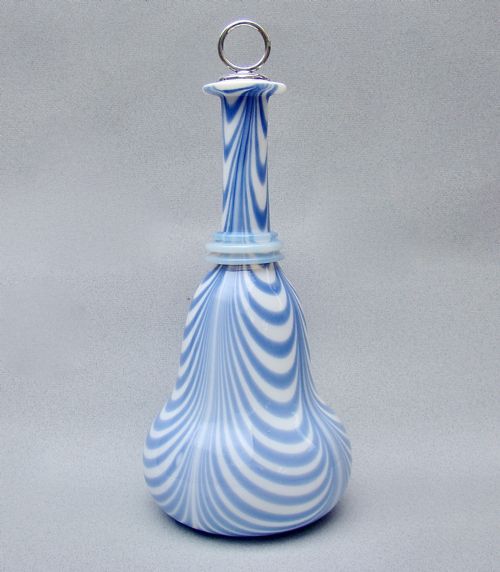
- Nailsea glass
- A type of glass associated with nineteenth-century Somerset production, known for looped or splashed opaque white trails within clear or coloured metal.
- Old Sheffield plate
- A composite material made by fusing a thin sheet of silver to a copper base, common in nineteenth-century metalwork.
- Claret jug
- A pouring vessel designed specifically for red wine, frequently mounted in sterling silver with an integral hinged lid.
Victorian Wine Stopper: Frequently Asked Questions
How do I clean a cloudy decanter?
Mineral deposits inside old decanters respond to warm water and mild cleaning agents rather than harsh abrasives.
Avoid extreme temperature changes to prevent thermal shock to nineteenth-century glass.
Are stoppers original to the bottles?
Many nineteenth-century bottles retain their matched stoppers, shaped to fit the specific ground neck during manufacture.
Slight variations in the ground glass stem can indicate a replacement gathered from another vessel.
What is Nailsea glass?
Nailsea glass refers to nineteenth-century British glassware featuring distinctive looped patterns of white enamel trailing.
Makers applied these decorative threads while the glass remained hot on the blowing iron.
How do I date a silver mounted stopper?
Sterling silver components carry hallmarks that reveal the assay office, standard mark, and exact year of assay.
Matching date letters on the silver mount provide a reliable timeline for the entire piece.