


Victorian Silver Stopper
These Victorian silver stopper pieces combine functional glassware with precious metal mounts, offering both historical charm and practical utility for your collection.
Victorian Silver Stopper
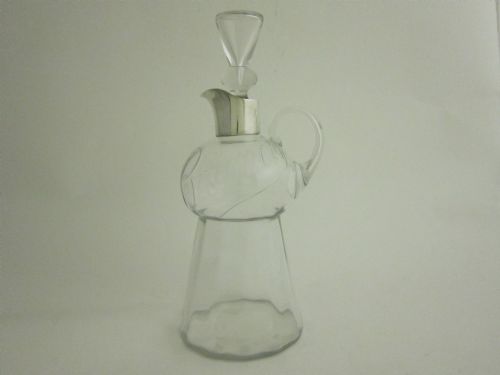
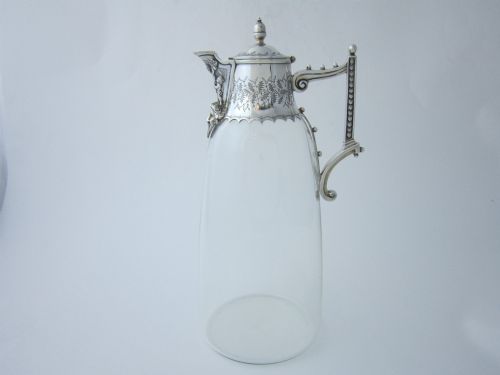
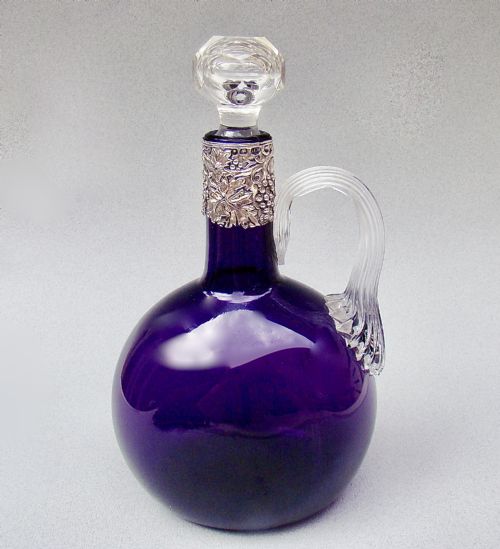
A victorian silver stopper brings together functional vessel closures and decorative metalwork, frequently appearing as part of decanters, claret jugs, and scent bottles. You will often encounter these items paired with cut glass, crystal, or coloured glass bodies such as amethyst and green variants.
The objects serve primarily to seal wine carafes, perfume flasks, and spirit decanters while adding a distinct decorative flourish. The selection ranges from simple sterling silver collars to elaborate novelty figures and locking mechanisms designed for security.
Many examples incorporate cork or bayonet style mountings beneath the metal cap to ensure a secure fit within the neck of the bottle. These pieces reflect the detailed craftsmanship of the nineteenth century, utilising durable materials meant for daily dining and dressing table use.
Materials and construction
Maker operations typically combined sterling silver or silver plate with heavy glass, cut crystal, or moulded glass bodies. Silversmiths formed the mounts and stoppers through casting and chasing, often incorporating cork or mechanical collars to secure the closure.
Glass bodies display various decorative techniques including cutting, etching, and the use of coloured amethyst or green glass. The metal components frequently feature hallmarks indicating the assay office and year of production.
A silver sandwich board cat wine bottle stopper proves that Victorians enjoyed advertising their refreshments with feline enthusiasm.
Quality and craftsmanship
The distinction between standard utility items and finer examples lies in the weight of the silver mount and the depth of the glass cutting. Superior pieces feature crisp, detailed chasing on figural stoppers and heavier gauge sterling silver rather than light silver plating.
Makers who integrated mechanical locking systems or complex novelty designs achieved a higher level of execution. The clarity of the crystal and the precise fit of the stopper within the original neck also determine the overall standard.
Henry Matthews·Betjemann Brothers·Joseph Angell·Charles Reily and George Storer·Hukin and Heath
The Victorian Silver Stopper Glossary
- Sterling Silver
- An alloy consisting of 92.5 percent silver and 7.5 percent other metals, typically copper. This standard composition is frequently found in nineteenth century mounts and bottle stoppers.
- Claret Jug
- A large vessel designed for serving red wine at the table. These often feature elaborate silver mounts and matching stoppers.
- Cut Glass
- Glassware decorated by grinding facets or patterns into the surface using a rotating wheel. This technique creates reflective properties valued in decanters.
- Novelty Stopper
- A bottle closure fashioned into a specific figural shape such as an animal, human character, or plant. These playful designs were popular during the Victorian period.
- Bayonet Stopper
- A closure mechanism that locks into place with a push and a partial twist. This design ensures the stopper remains secure during pouring.
Victorian Silver Stopper: Frequently Asked Questions
How do I clean a silver stopper safely?
Use a soft cloth to polish the silver components while avoiding harsh abrasive cleaners that might scratch the metal. Keep moisture away from any exposed cork or internal mechanisms.
Ensure the silver is thoroughly dried after cleaning to prevent tarnishing and preserve the original hallmarked surface.
Are these stoppers interchangeable between bottles?
Victorian stoppers were individually ground and fitted to their specific glass vessels during production. Finding an exact replacement for a missing stopper is often difficult due to these unique tolerances.
Most original decanters and scent bottles require their matching closure to maintain a proper seal and aesthetic balance.
What is a locking decanter mechanism?
Some late period decanters incorporate a hinged silver collar with a lock to restrict access to the contents. This design was used to prevent unauthorized consumption by household staff.
Keys for these mechanisms are scarce, but the locking hardware remains a notable feature of high end nineteenth century barware.
How can I identify the date of a piece?
British silver mounts usually bear hallmark stamps that indicate the assay office, standard mark, and date letter. Consulting standard silver reference tables allows you to determine the exact year of manufacture.
Unmarked silver plated items must be dated by examining the style of the glass cutting, the form of the vessel, and construction techniques.