




Victorian Wine Bottles
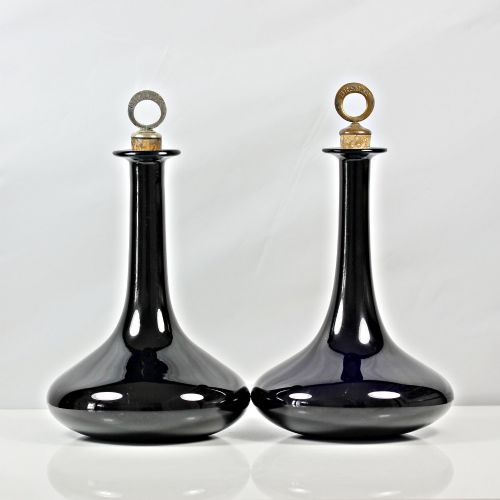
These Victorian wine bottles and associated vessels bring nineteenth-century dining tables to life with rich coloured glass and bright silver.
Victorian Wine Bottles
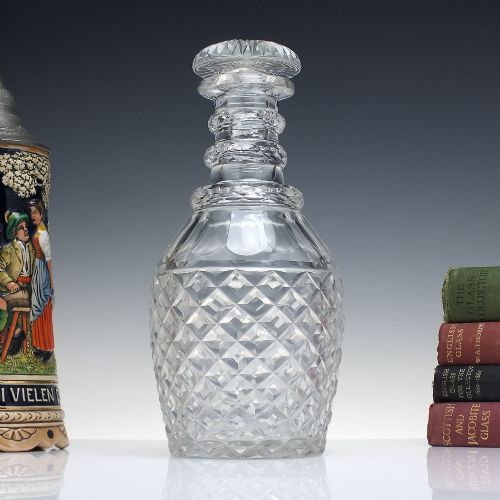
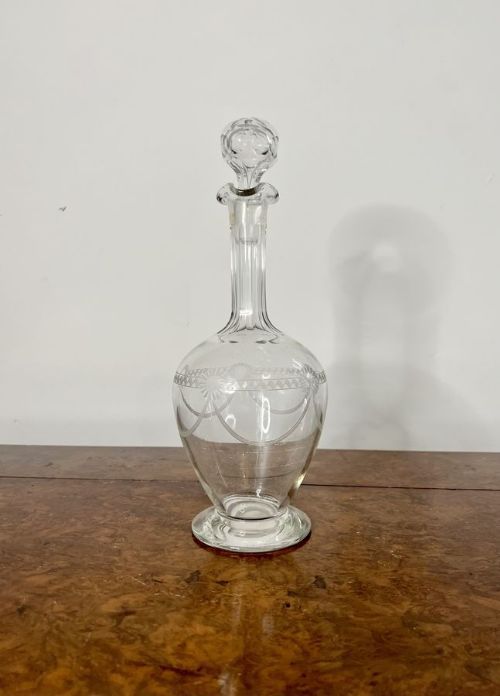
When you search for victorian wine bottles, you encounter glass serving containers, decanters, and carafes produced across the nineteenth century. The most common forms on this page include clear and coloured glass decanters, alongside related accessories like silver labels and wooden cellarettes.
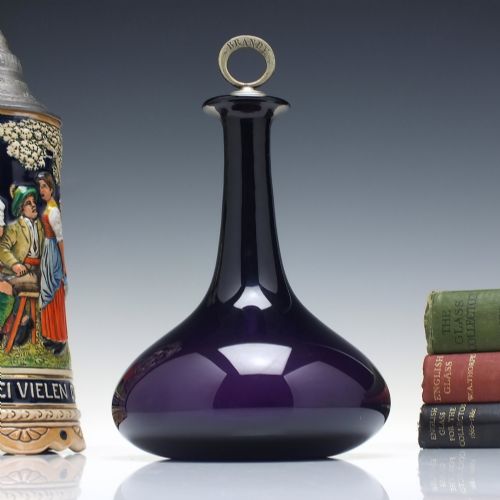
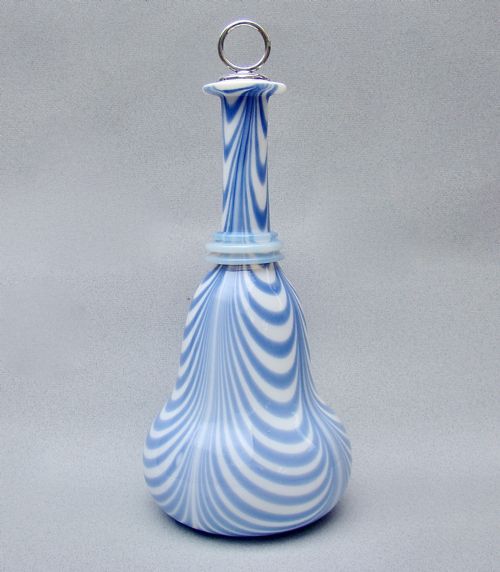
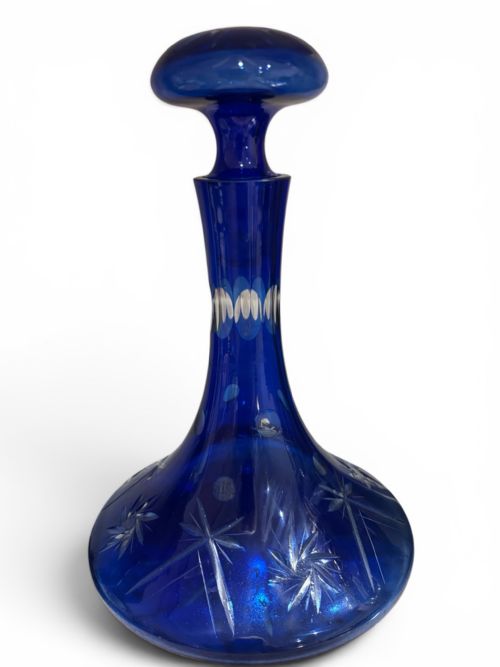
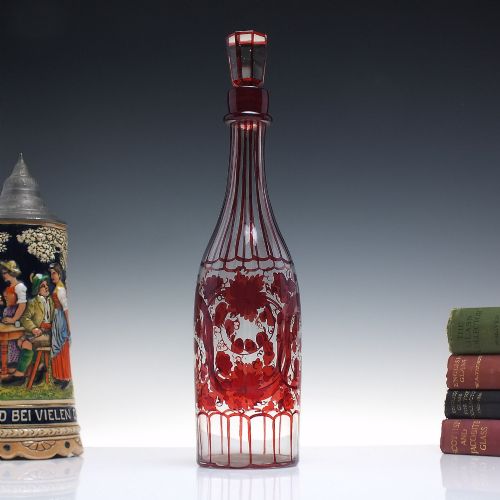
Makers produced these vessels in distinctive hues such as amethyst, cranberry, Bristol blue, and amber, often shaped as shaft and globe or mell profiles. Alongside standard glass, you find Nailsea type pieces and lead crystal variations dating from the 1840s through to the 1900s.
Materials and methods
Glassmakers utilised techniques such as optical blowing, hand painting, and deep cutting to shape clear, crystal, and coloured glass bodies. Many pieces incorporate mounted sterling silver or silver plate elements, alongside hand-engraved surface patterns.
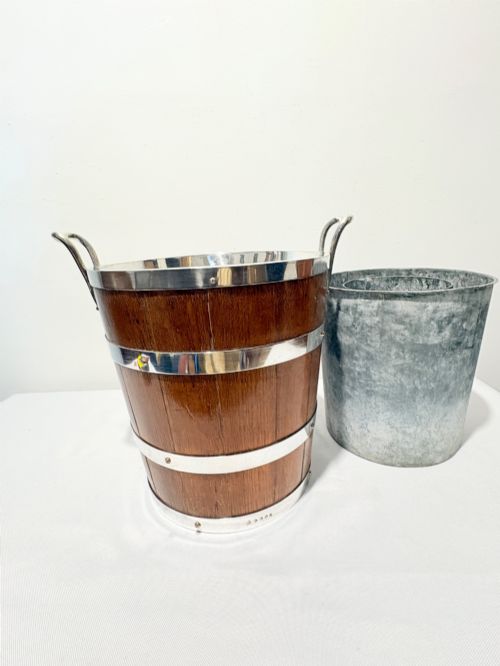
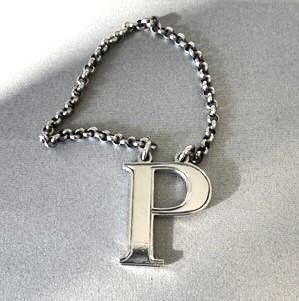
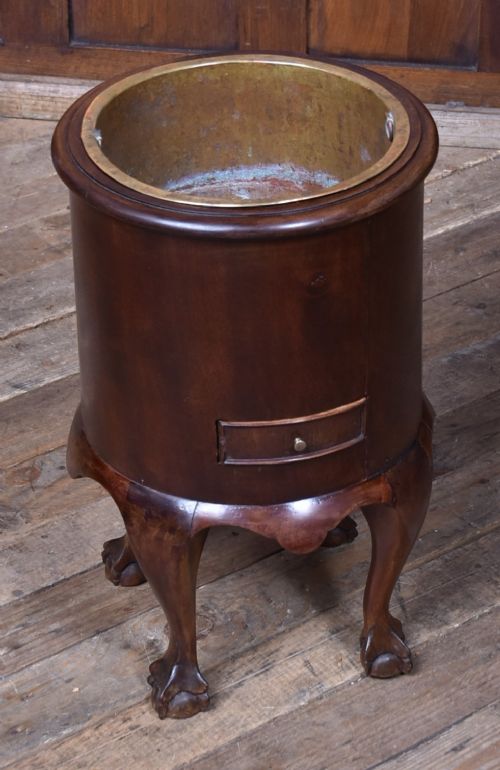
Cabinet makers constructed cellarettes and wine coolers from solid mahogany, frequently adding brass binding to secure the timber housing. Silversmiths stamped hanging labels with specific bin titles to identify individual bottles.
Victorian Wine Bottles Retail Price Guide 2026
Typical asking prices for victorian wine bottles among the pieces listed under this phrase on Sellingantiques today, from the lower quarter to the upper quarter. They describe what is for sale here now, not the wider market.
Materials recorded on this page include mahogany, lead crystal, silver plate, and amber glass.
Assessing quality and craft
Quality rests upon the depth of the glass colour, the crispness of any wheel-cut decoration, and the weight of the metal mounts. Heavier lead crystal and well-balanced proportions signal superior workmanship.
The precision of hand-engraving on silver labels and the joinery of mahogany cellarettes indicate the original maker's skill level. Undamaged rims and original stoppers elevate the integrity of surviving glass vessels.
James Powell
The Victorian Wine Bottles Glossary
- Cellarette
- A lockable cabinet or box designed to hold wine bottles safely near the dining table. They typically feature fitted wooden interiors and sturdy timber frames.
- Bin Label
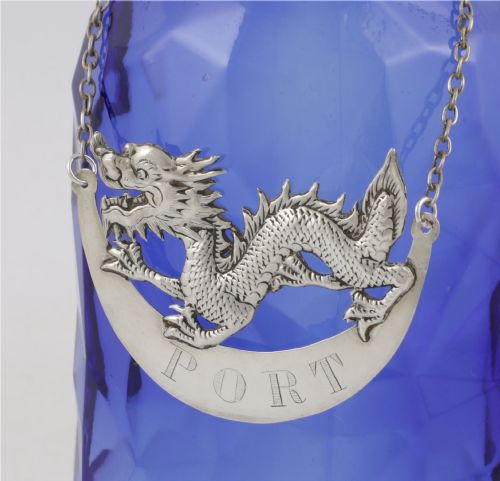
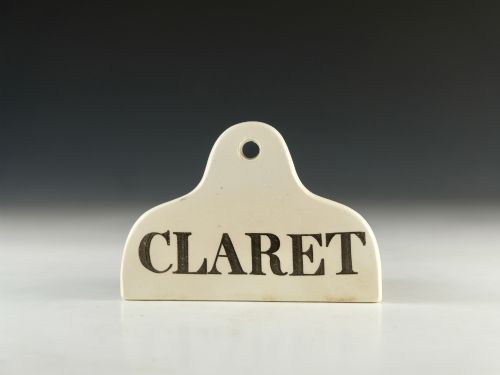
- A small metal tag hung around the neck of a bottle or attached to a cellar shelf to name the contents. These tags frequently bear titles like port, sherry, or claret.
- Nailsea Type
- Glassware displaying characteristic looped or splashed white or coloured glass trails beneath a clear exterior layer. This technique originated from nineteenth-century West Country glasshouses.
- Mell Decanter
- A bottle form with a broad, flat base tapering upwards to a slender neck, popular during the nineteenth century. They sit steadily on ship tables or sideboard trays.
- Shaft and Globe
- A silhouette defined by a spherical body surmounted by a long, narrow neck. This traditional shape prevented wine from spilling during transit.
Victorian Wine Bottles: Frequently Asked Questions
What are victorian wine bottles used for?
These vessels served to decant, hold, and pour wine at the nineteenth-century dining table. They allowed hosts to present vintages attractively while separating the liquid from sediment in the cask.
Today, collectors use them to display period glassware or to serve wine during formal dinners. Their robust construction makes them practical for continued domestic use.
How can you tell the age of a decanter?
Examine the base for a pontil mark where the glassblower snapped the pontil rod away from the vessel. A smooth, polished base usually indicates a later nineteenth-century or Edwardian manufacturing date.
Check the style of the cut patterns, the tint of the glass, and any hallmarks on accompanying silver labels. Earlier pieces often display deeper hand-cutting and heavier lead crystal composition.
What is a wine cellar bin label?
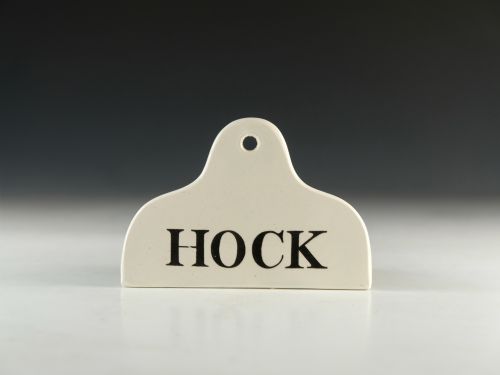
Bin labels are small ceramic, bone, or metal tags used to identify specific wines stored in cellar racks. Servants hung them from bottlenecks or fixed them to wooden shelves to keep vintages organised.
Common examples feature stamped titles of regional wines such as hock, marsala, or claret. They offer a glimpse into nineteenth-century domestic cellars and dining habits.