



Victorian Whisky Glass
When you search for a victorian whisky glass, you uncover heavy cut tumblers and decanters shaped for serious after-dinner drinking.
Victorian Whisky Glass
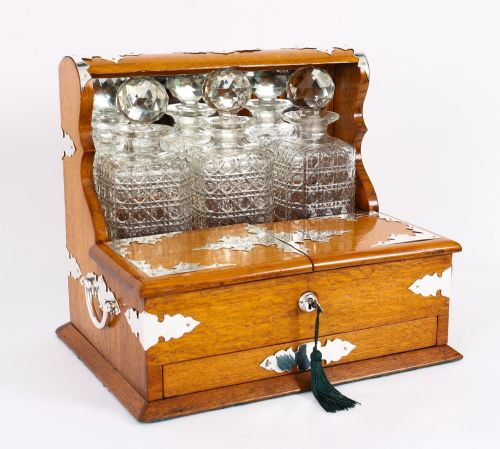
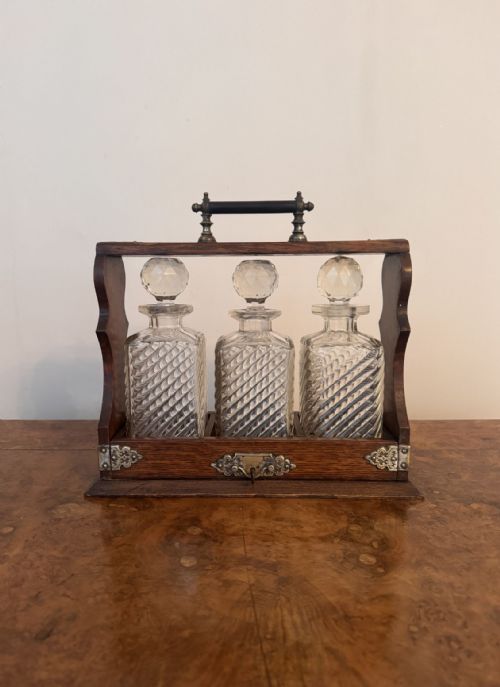
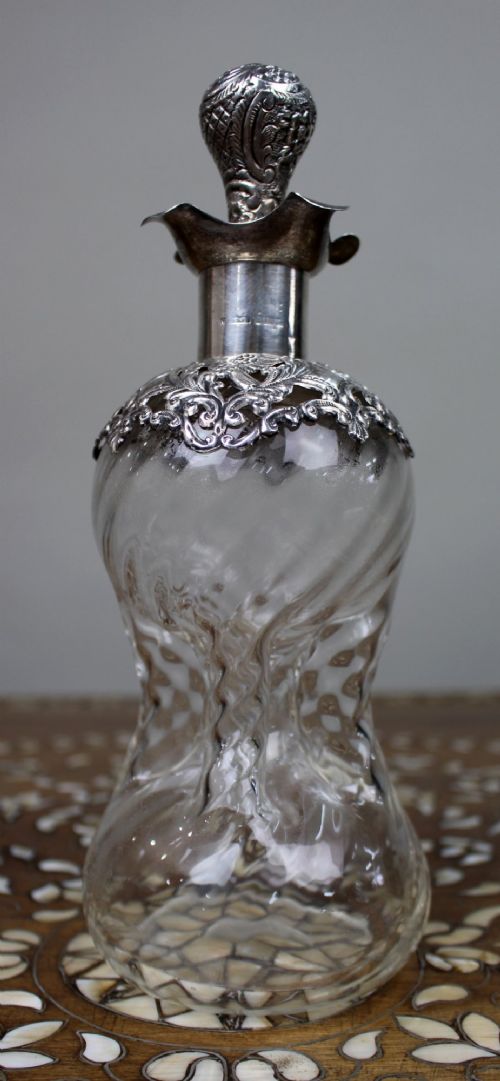
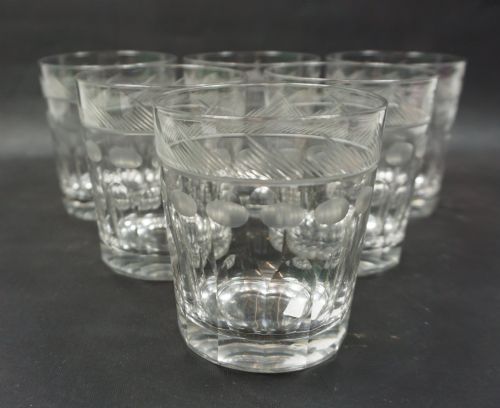
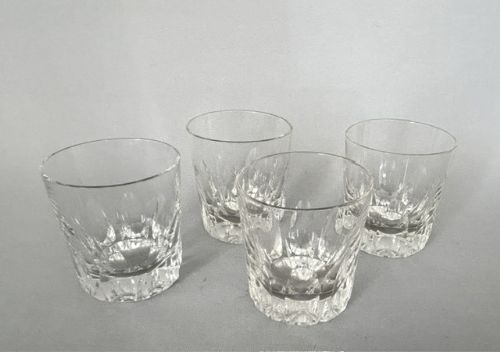
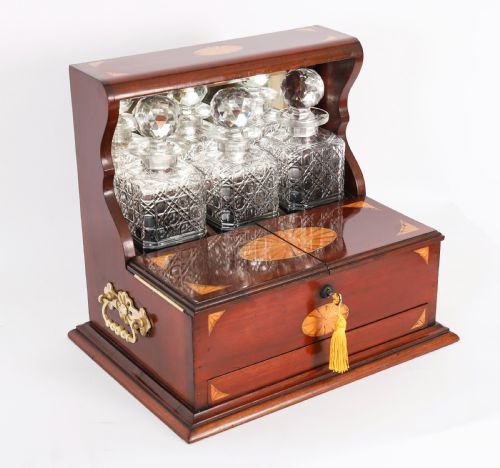
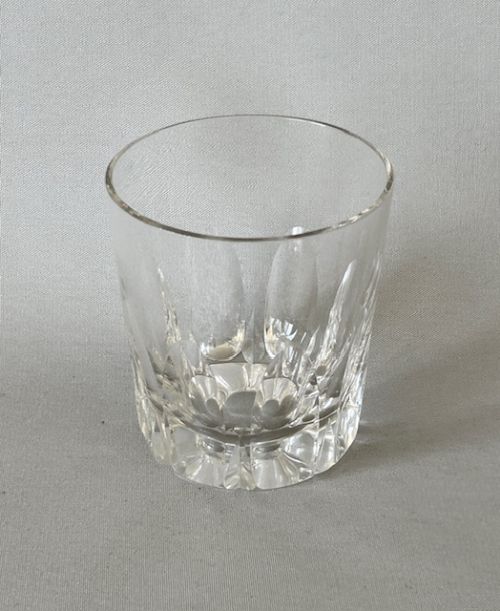
A victorian whisky glass encompasses heavy, thick-walled tumblers designed for neat spirits, alongside the decanters, flasks, and tantalus sets that served them during the nineteenth century. The smaller vessels frequently feature facet-cutting or hobnail patterns that catch the light and provide a secure grip.
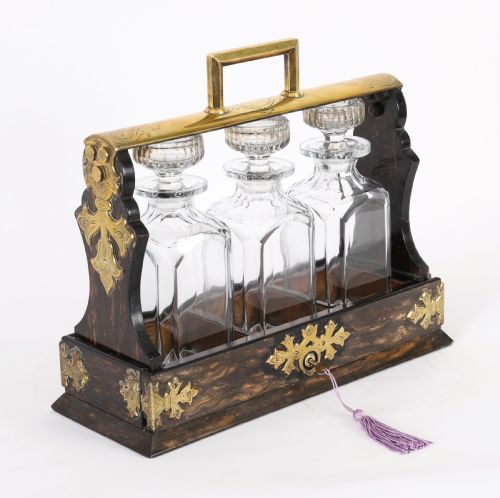
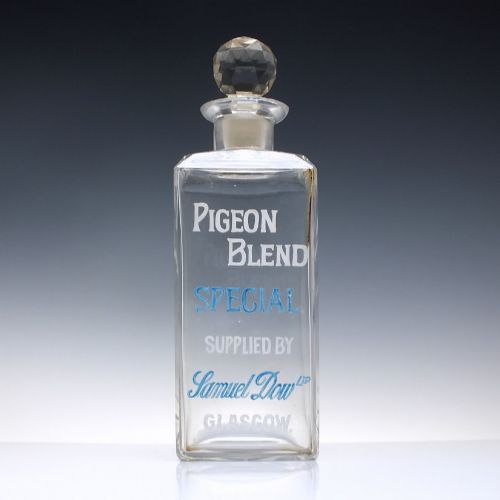
Tumblers dominate the archive of past sales, appearing singly or in matched pairs, while the current selection leans toward larger decanters and oak-cased tantalus sets mounted in brass or silver plate. Scottish variants with enamelled town names and blend titles also surface regularly, pointing to regional drinking customs of the period.
The heavier pieces include deceptive glasses with solid bases designed to mimic a full measure, as well as hip flasks fitted with removable silver cups for outdoor use. Together, these objects record how spirits were stored, poured, and consumed in domestic and social settings between the mid-nineteenth century and the Edwardian era.
How they were made
Makers shaped lead crystal and heavy glass through blowing and pressing before applying wheel-cutting to create deep facets, flutes, and geometric hobnail designs. This heavy material gave the tumblers a reassuring heft in the hand and durability for daily use.
Mounts and hardware combine oak, satinwood, and blonde coromandel with cast brass, silver plate, and sterling silver. Silversmiths hammered or engraved these metal additions, frequently incorporating lockable mechanisms into wooden frames to secure the decanters within.
Listings combine Scottish enamelled decanters naming Glasgow and Aberdeen with English cut glass tumblers and oak tantalus sets.
What varies in quality
Quality rests in the crispness of the wheel-cut facets and the weight of the metal mounts. Superior pieces display deep, sharp cutting that remains clean to the touch, whereas simpler versions show softer edges and thinner walls.
The joinery of the wooden tantalus frames and the thickness of the silver plating or sterling mounts set the better examples apart from standard utility barware. Complete sets with matching stoppers or original games compendiums represent the upper tier of survivals.
Asprey London·Elkington
The Victorian Whisky Glass Glossary
- Hobnail cut
- A dense, protruding pattern of diamond-shaped facets cut into the glass surface, offering both tactile grip and brilliant light refraction.
- Deceptive glass
- A drinking vessel featuring an unusually thick, solid glass base that makes the liquid capacity appear much larger than it actually is.
- Hip flask
- A curved, pocket-sized container fashioned from glass and mounted in silver or leather, often paired with a detachable metal cup.
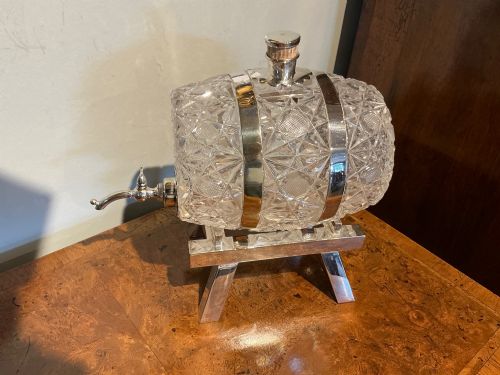
- Spirit barrel
- A small wooden cask mounted on a stand, used for dispensing whisky or other liquors directly at the table or sideboard.
Victorian Whisky Glass: Frequently Asked Questions
How were victorian whisky glasses used?
These heavy tumblers and decanters served spirits neat or with water at the end of a formal dinner, frequently housed in locked wooden tantalus units to control access.
They were kept on sideboards or carried outdoors in pocket-sized silver-mounted hip flasks for shooting and travel.
Why are some tumblers called deceptive?
Deceptive glasses contain an exceptionally thick, solid glass base that rises high into the bowl of the vessel.
This construction reduced the actual volume of alcohol poured while maintaining the substantial, heavy feel expected of a gentleman's drinking glass.
How do I date a tantalus?
Dating relies on the materials, locking mechanisms, and wood types used in the frame, with early examples favouring solid oak and brass before satinwood and coromandel gained popularity later in the century.
Silver mounts often carry hallmarks that provide precise assay years.
Can I use these glasses today?
Lead crystal and heavy cut glass are robust enough for regular use, provided they are washed by hand in warm water rather than subjected to modern dishwashers.
Checking for stability ensures old decanter stoppers and glass bases remain safe for pouring.