

Victorian Watercolour Picture
A victorian watercolour picture brings nineteenth-century British atmosphere and scenery directly into a room through delicate pigment on paper.
Victorian Watercolour Picture
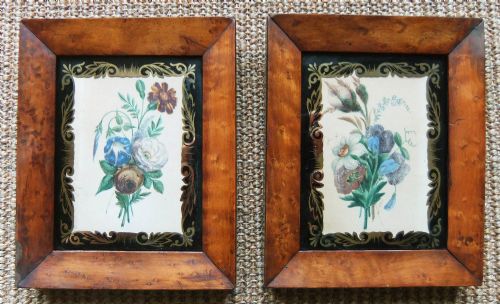
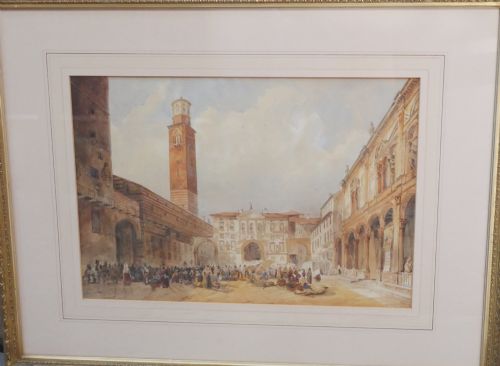
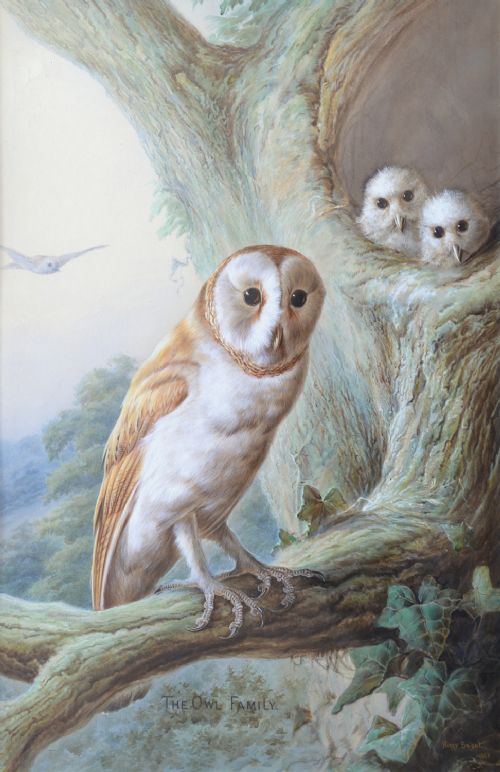
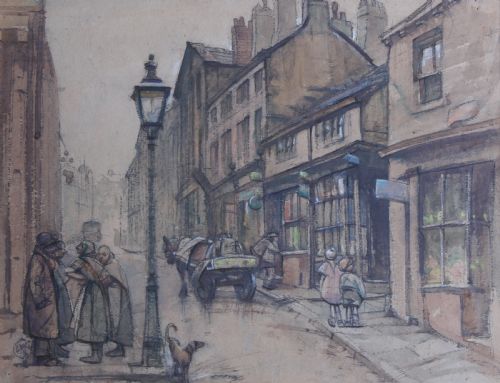
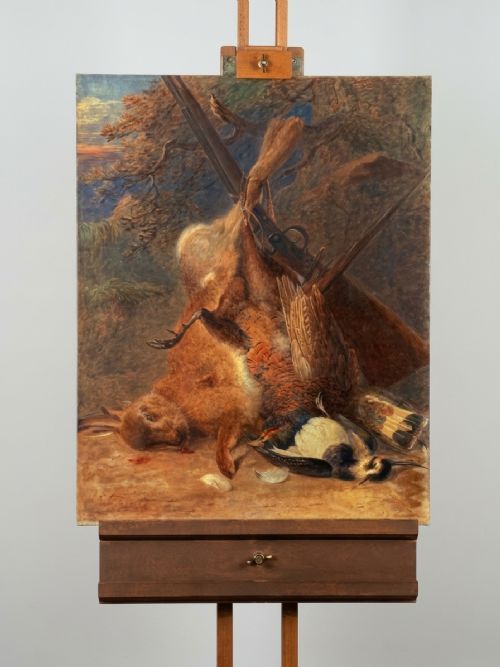
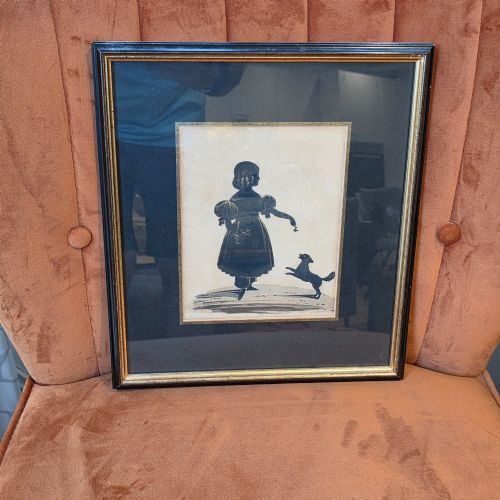
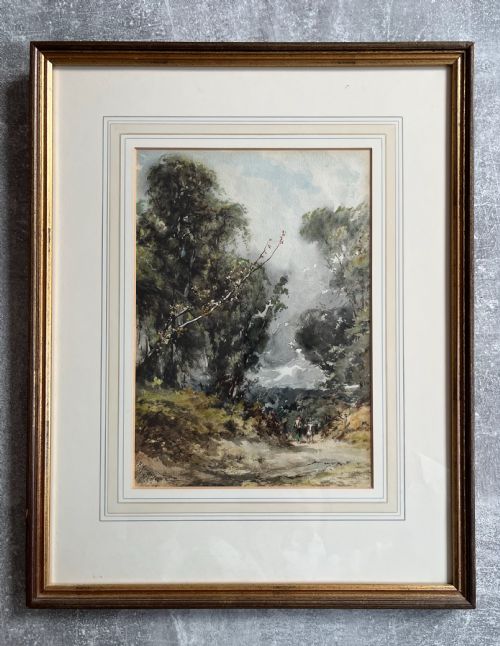
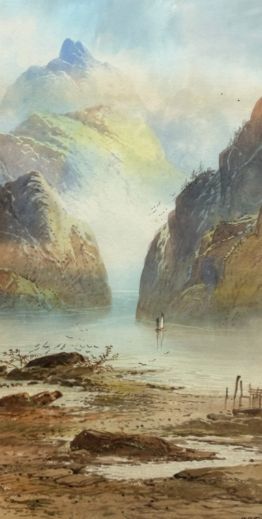
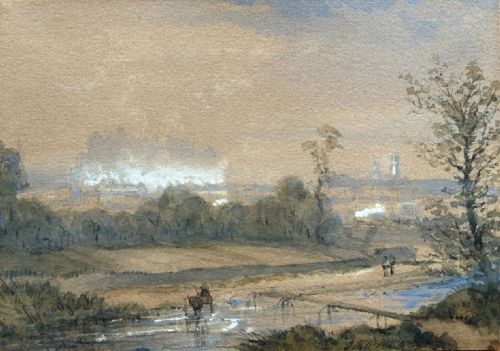
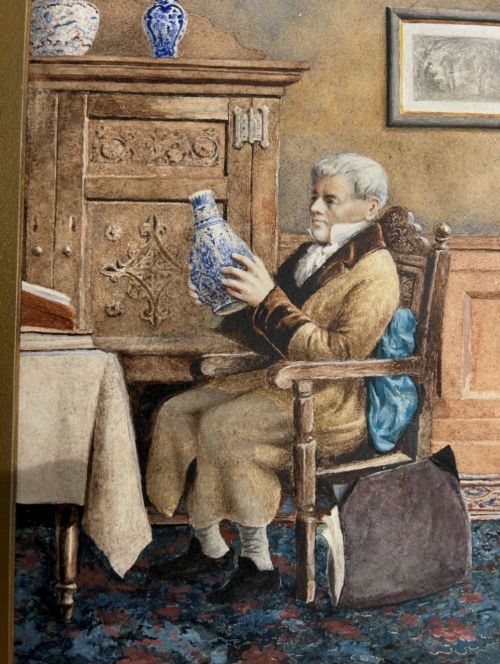
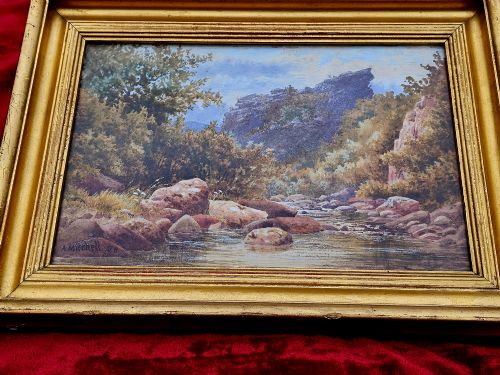
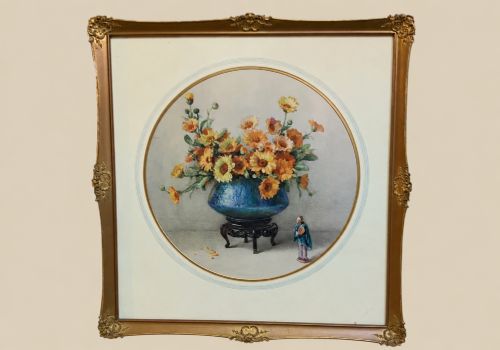
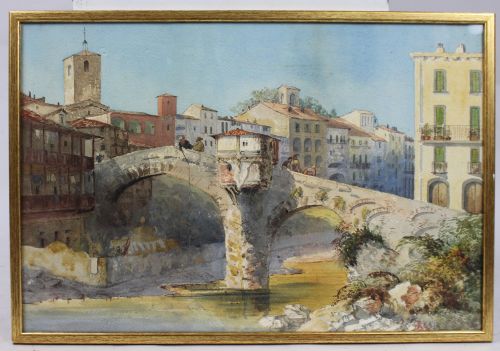
A victorian watercolour picture encompasses original works on paper spanning landscapes, coastal scenes, portraits, and botanical studies created during the nineteenth century. Buyers encounter varied subjects ranging from Scottish and Welsh topographical views to genre scenes and detailed still lifes.
The pieces appearing here reflect the diverse output of artists working from the eighteen-sixties through the turn of the twentieth century. These range from intimate miniature portraits housed in brooches to large exhibition-sized marine and landscape paintings.
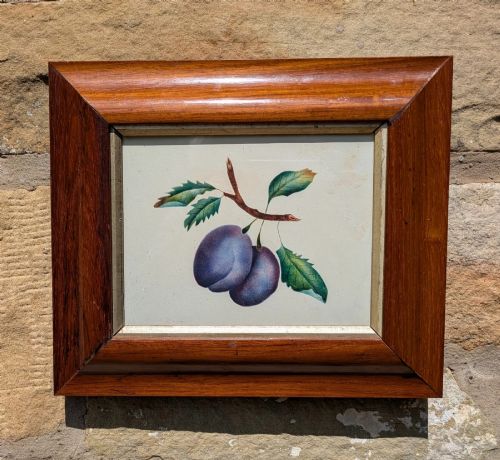
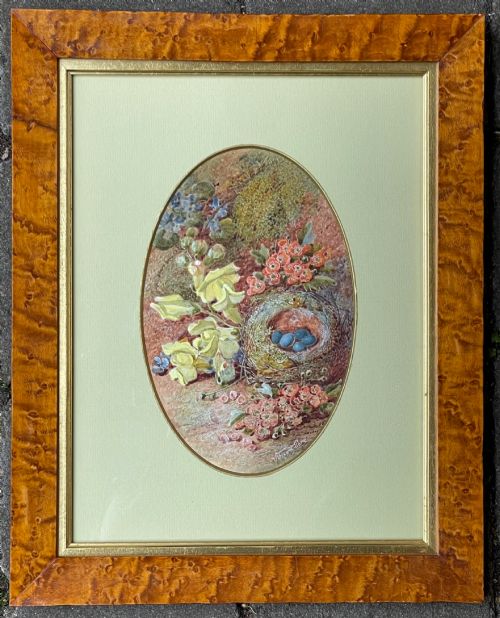
Framed artwork in this category frequently retains period wooden settings, often incorporating gilt or rosewood surrounds. The works connect directly to the broader traditions of nineteenth-century British and European fine art and illustration.
How they were made
Artists applied watercolour pigment and bodycolour mixed with water onto textured paper sheets to achieve translucent washes or opaque highlights. Many works incorporate supplementary media such as pen and ink, gum arabic, or pastel to define intricate details and deepen tonal contrast.
Finished paintings were commonly protected beneath glass and housed within timber frames, sometimes supplemented by gold leaf or gilt wood mouldings. Original mount boards and protective backing papers frequently survive to preserve the integrity of the sheet.
Listings feature 19th Century, Victorian, and Edwardian periods, utilising materials including paper, glass, gold leaf, and watercolour pigment.
What varies in quality
The strength of a victorian watercolour picture relies on the surety of the draughtsmanship and the preservation of pigment vibrancy against fading from light exposure. Works executed with confident brushwork and balanced tonal composition stand apart from stiffer, formulaic topographical illustrations.
Framing and mounting choices also influence the presentation, where period gilt wood surrounds or rosewood frames complement the scale of the artwork. The clarity of artist signatures, dated inscriptions, and documented exhibition histories further distinguish exceptional examples.
William James Hubard·George Sydney Shepherd·George Fotherly Hargitt·William Henry Earp·John R Prentice·Alfred Young Nutt·Henry Stacy Marks·Vincent Clare·Robert Thorne Waite·Joseph H Barnes·Ernest Arthur Rowe·Frederick Walker·Frederick James Kerr·Henry Martin Pope·David Cox·Albert Ludovici Jnr·Herman S Melville·George Stanfield Walters·Charles Edward Wilson·John Moxon·William Frederick Settle·Alfred George Morgan·Thomas Cooper Moore·John Bedloe Goddard·Cornelius Pearson
The Victorian Watercolour Picture Glossary
- Watercolour pigment
- Finely ground colour particles suspended in a water-soluble binder that creates transparent washes on paper.
- Bodycolour
- Watercolour paint mixed with a white pigment to render it opaque, allowing for bright highlights and dense passages.
- Gilt wood
- Timber framing treated with a thin layer of gold leaf or metallic gilt finish, typical of nineteenth-century presentation.
- Genre scene
- A painting depicting aspects of everyday life, ordinary people, or social interactions rather than grand historical narratives.
- Topographical view
- An accurate artistic representation of a specific geographical location, building, or regional landscape.
Victorian Watercolour Picture: Frequently Asked Questions
How should I hang a antique watercolour?
Display these works on interior walls away from direct sunlight to prevent the watercolour pigments from fading over time.
Ensure rooms maintain stable humidity levels to protect both the historic paper sheets and their original wooden frames.
Are these paintings signed by the artist?
Many pieces feature visible artist signatures, monograms, or contemporary ink inscriptions on the front or reverse of the paper sheet.
Unsigned works often rely on stylistic comparison, period framing, or written gallery labels to indicate their origin.
What subjects are most common?
British and Welsh landscapes, coastal harbours, and shipping views dominate the available selection of nineteenth-century works.
Botanical studies, still lifes, portraits, and architectural scenes also appear frequently across the inventory.
How do I identify a period frame?
Nineteenth-century frames typically employ traditional construction methods, joining techniques, and timber types such as rosewood or gilt wood.
Original backing boards, old collection labels, and historic glass often accompany frames preserved from the Victorian era.