




Victorian Water Urn
A victorian water urn brings warmth and historic gravity to a room, offering a functional vessel designed for heating and dispensing water with mechanical grace.
Victorian Water Urn
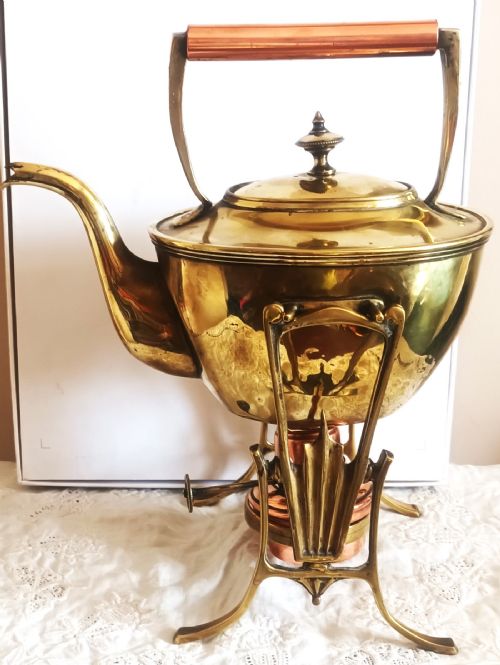
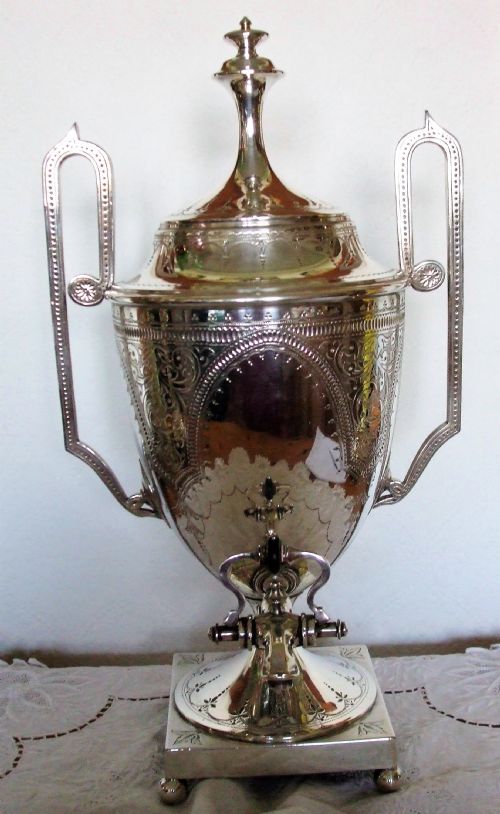
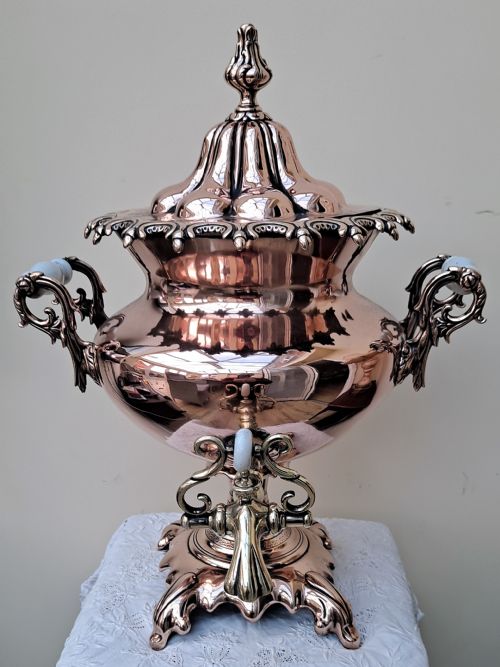
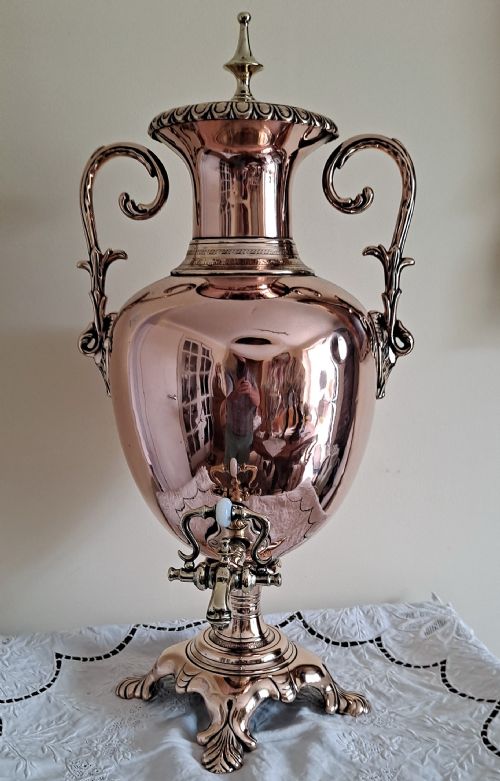
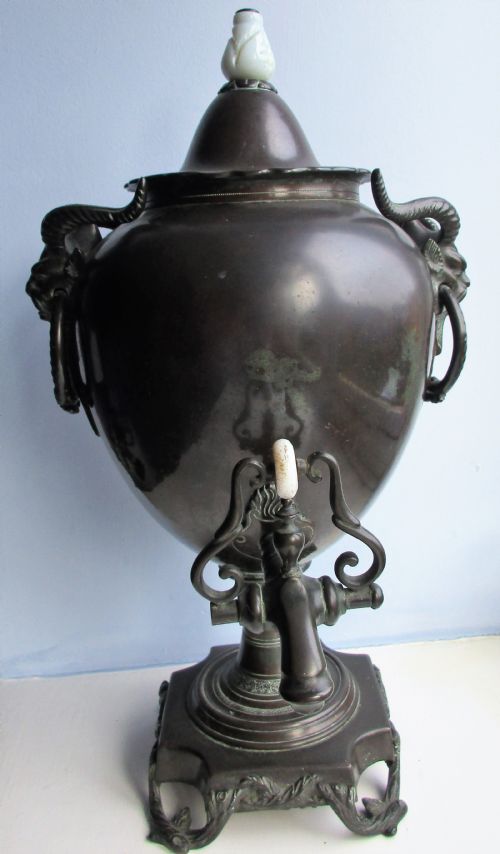
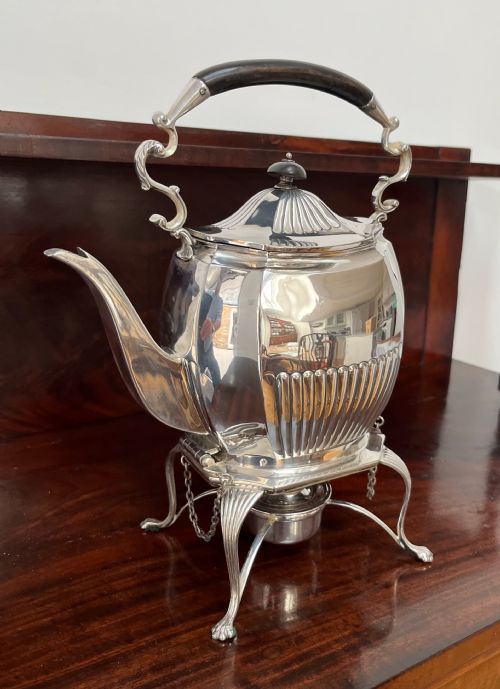
A victorian water urn search covers a range of metal and ceramic vessels intended for tea service and water storage. The most frequent examples met on this page are copper and brass samovars or silver-plated spirit kettles mounted on stands with burners.
Forms extend from large spouted vessels to decorative ewers and stoneware or pottery water filters. Pieces span the nineteenth century into the edwardian period, showing georgian neoclassical lines alongside robust industrial fabrication and arts and crafts detailing.
Makers and retailers mark their wares, while other pieces remain unmarked save for the patination of age. Buyers encounter everything from simple domestic copper barrels to elaborate plated tea urns designed for formal hospitality.
Materials and construction
Makers shaped heavy sheet copper and brass by hand or machine, joining seams carefully and combining metals for contrast on handles and taps. Ebonised wood, bone and ceramic insulated the touchpoints where users handled hot vessels.
Silver-plated finishes on copper or nickel base metals provided a bright reflective surface mimicking solid silver. Japanned surfaces and pontypool ware added painted finishes to metal bodies, while stoneware and pottery units utilised glazed earthenware bodies for filtration.
The archive includes a watercolour of the landing of the prince of orange, demonstrating the broad scope of nineteenth-century items.
Assessing construction and finish
The weight of the metal and the integrity of the joins separate standard utilitarian vessels from exceptional display pieces. Heavier gauge copper and substantial brass mounts indicate superior durability and original cost.
Execution of decorative details such as cast handles, turned wooden insulators and intact spigots distinguishes finer examples. Maker signatures from known metalsmiths and silversmiths elevate the standing of an individual piece.
William Soutter And Sons·Walker And Hall·Benetfink And Co·Dee Filter Company·Risler And Carre·Frederik Ellis Tim And Co·Coalport
The Victorian Water Urn Glossary
- Samovar
- A heated metal urn traditionally used to boil and heat water for tea. These vessels feature an internal vertical metal tube for solid fuel or incorporate a spirit burner beneath.
- Spirit Kettle
- A small kettle suspended on a metal stand above a small spirit burner. This setup kept water hot at the tea table.
- Pontypool Ware
- Tinned metalware finished with a japanned or lacquered coating, often decorated in japanning styles. It originates from the welsh town known for this industrial process.
- Ewer
- A large jug with a wide spout and handle, used historically for carrying water. Ceramic or metal examples serve decorative and utilitarian functions.
- Silver Plate
- A thin layer of silver applied to a base metal such as copper or brass. Sheffield plating and electroplating methods created these durable finished surfaces.
Victorian Water Urn: Frequently Asked Questions
What is a samovar used for?
A samovar served to boil water for tea in domestic settings. The internal chamber held heat so hot water remained available across an extended gathering.
Water was dispensed through a small tap near the base into waiting teapots cups.
How do spirit kettles work?
Spirit kettles rest in a metal stand directly above a small fuel burner filled with methylated spirit. Lighting the burner maintained the water temperature during tea service.
Users removed the kettle from its stand for refilling or carried the entire assembly together.
Are water filter urns different?
Water filter urns used stoneware or pottery bodies to purify drinking water rather than boiling it for tea. These heavy vessels housed internal filtration elements.
A spigot at the base allowed clean water to flow out for drinking purposes.
How do I date a metal urn?
Dating relies on manufacturing techniques, style markers, and maker marks stamped into the metal. Georgian pieces show neoclassical restraint while victorian and edwardian examples introduce heavier revival ornamentation.
Plating methods and structural assembly also help narrow down the decade of production.