


Victorian Wash Basin
A victorian wash basin brings nineteenth-century ceramic and copper utility into a modern room, offering authentic period character for daily display.
Victorian Wash Basin
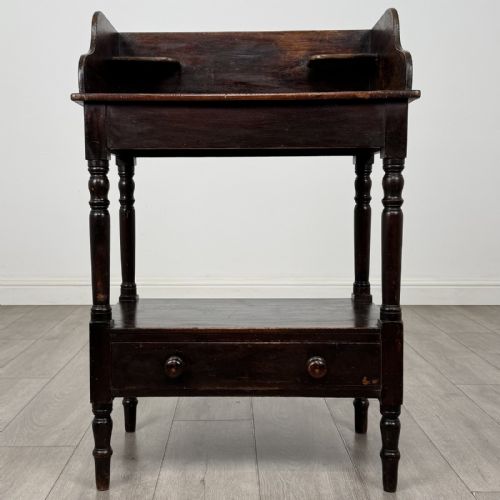
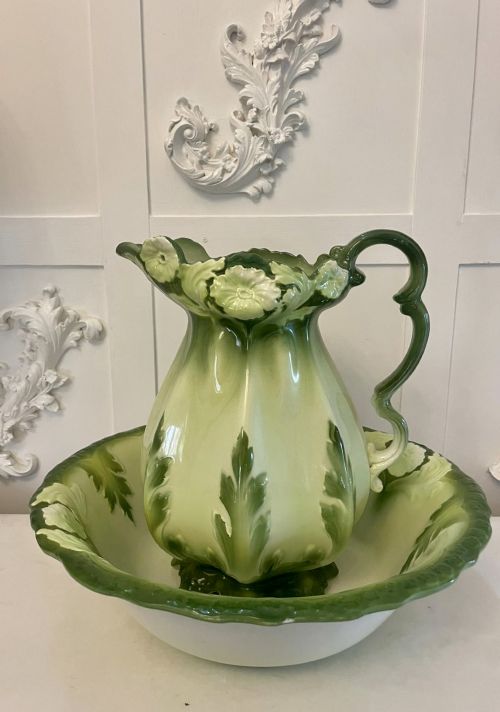
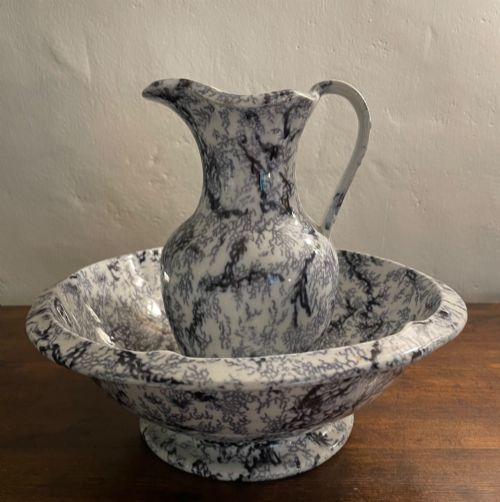
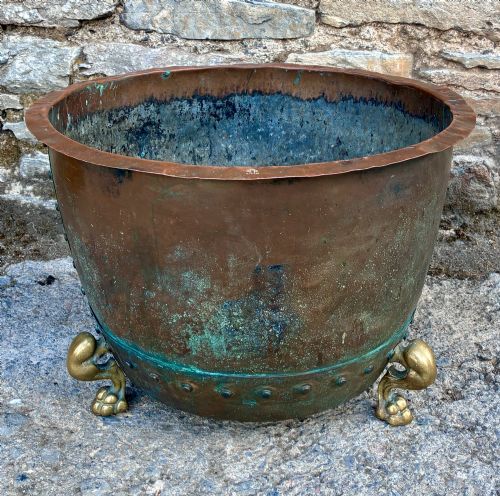
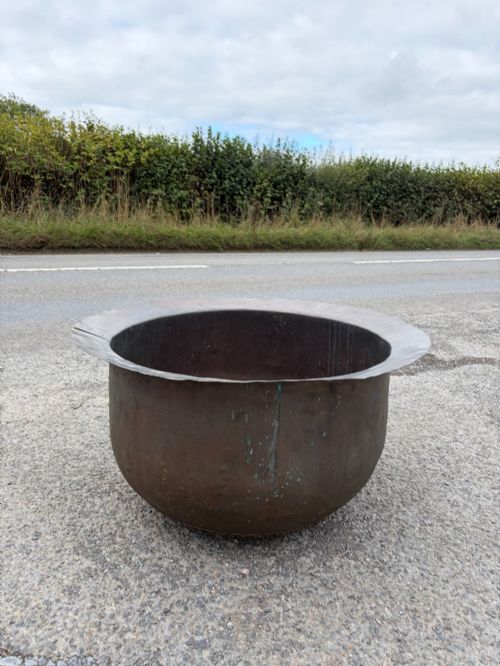
When you search for a victorian wash basin, you encounter a range of nineteenth-century sanitary ware, furniture, and metal vessels originally designed for personal hygiene before plumbed bathrooms became standard. These items encompass ceramic wash sets complete with matching jugs and basins, timber washstands topped with marble, and heavy copper vessels used for heating or carrying water.
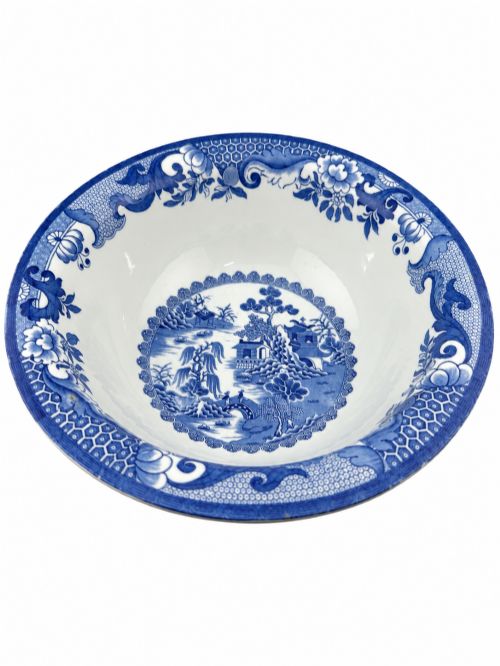
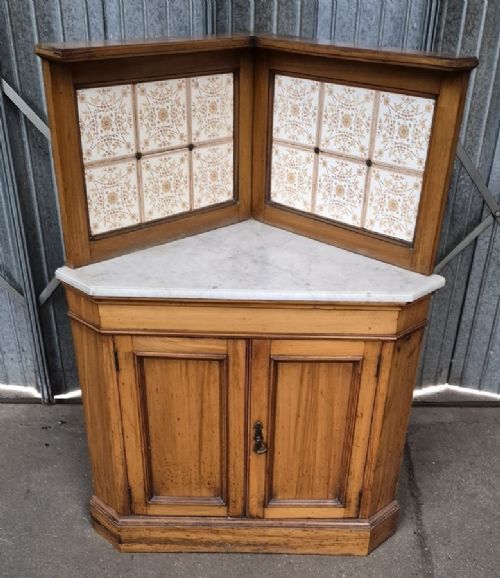
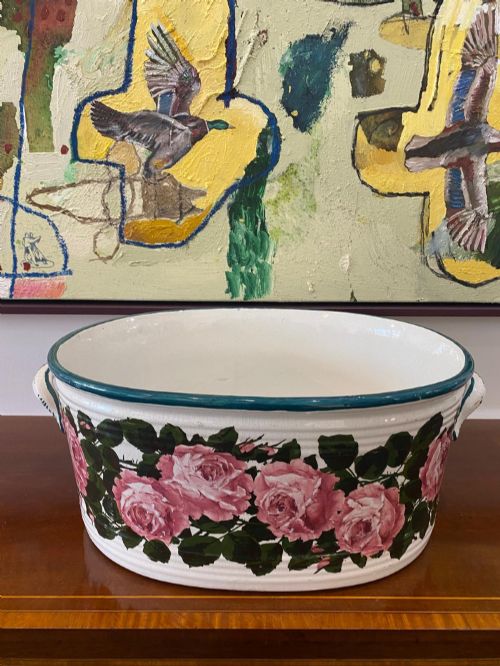
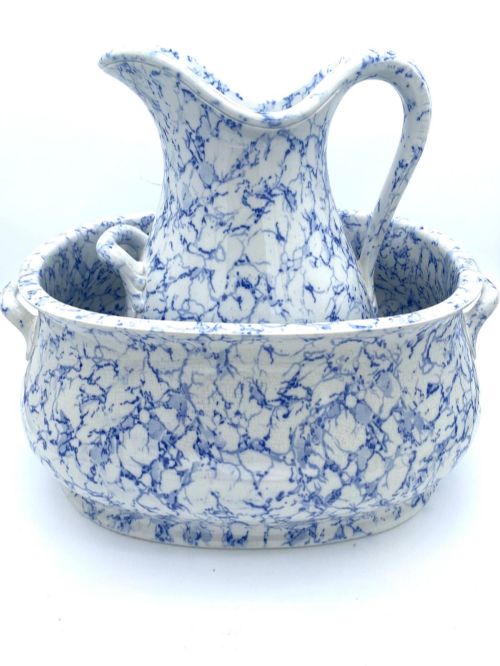
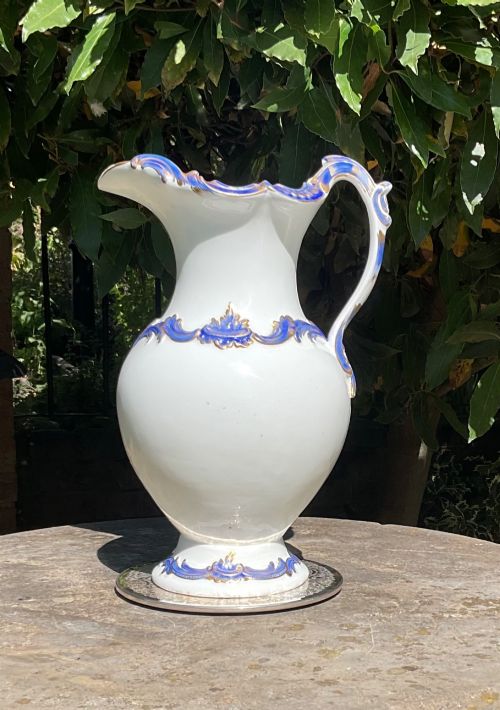
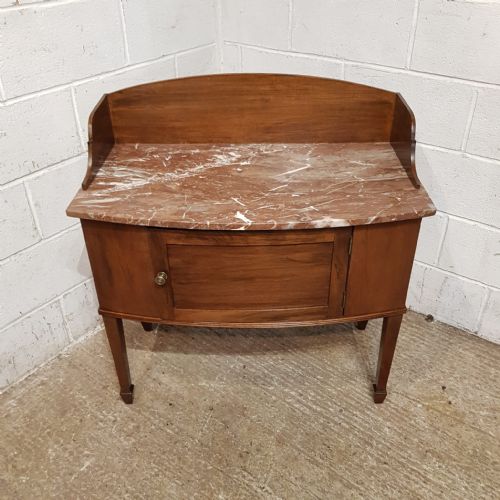
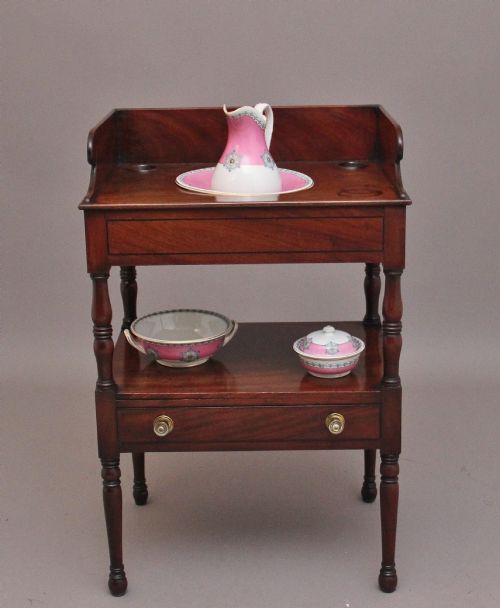
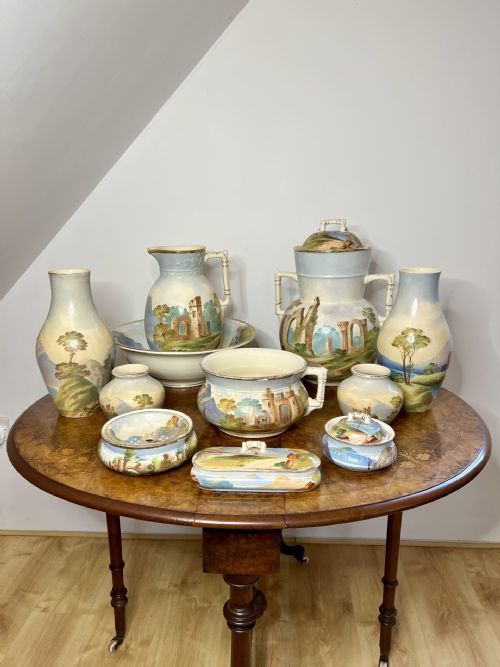
The versions you meet most frequently on this page include earthenware and ironstone basin sets decorated in blue and white or flow blue patterns, alongside pine and mahogany washstands from the Victorian and Edwardian periods. Pieces range from large footbaths and toilet basins to compact corner stands and miniature salesman samples.
How they were made
Makers shaped these pieces from earthenware, ironstone, and porcelain, applying hand-painted or transfer-printed glazes such as cobalt blue, flow blue, and gaudy Welsh patterns before firing in kilns. Metal items relied on robust construction methods, utilising riveted copper sheets, coopered wooden staves with metal bands, and cast iron.
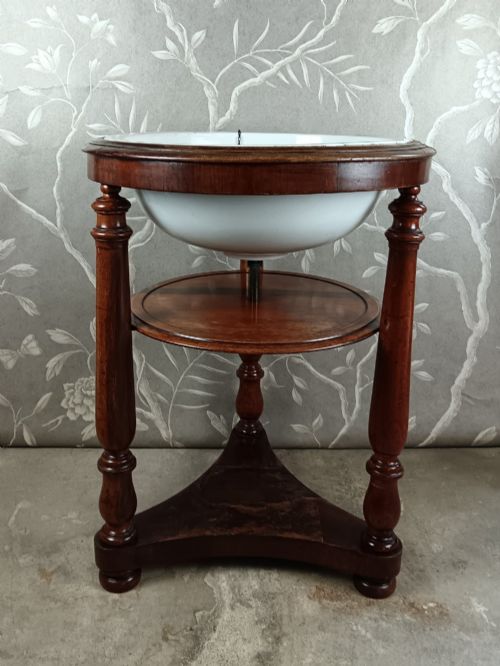
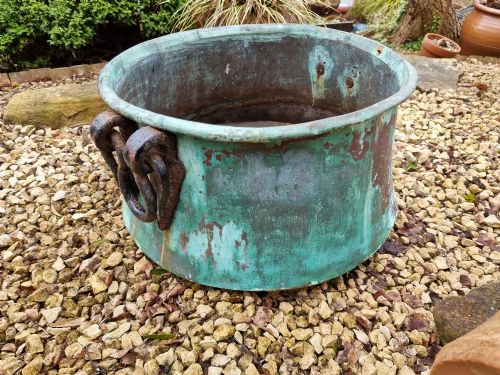
Wooden washstands combined solid timbers like mahogany, walnut, and pine, frequently fitted with inset marble slabs designed to resist water damage during washing. Surface finishes varied from original painted layers and polished wood to natural weathered patinas and verdigris on copper surfaces.
Victorian Wash Basin Retail Price Guide 2026
Typical asking prices for victorian wash basin among the pieces listed under this phrase on Sellingantiques today, from the lower quarter to the upper quarter. They describe what is for sale here now, not the wider market.
One miniature salesman sample allowed travelling reps to pitch full-sized plumbing fixtures without lugging heavy ceramics through the mud.
What varies in quality
Quality in these items rests upon the crispness of the ceramic transfer print, the depth of the glaze, and the intact survival of matching sets comprising both jug and basin. Potteries known for high artistic output, such as Minton, Doulton Burslem, and Wemyss, achieve greater refinement in their ceramic forms and decorative detail.
In wooden and metal items, the grade of timber, the presence of original marble tops, and the structural integrity of coopered joints determine the standing of the piece. Untouched surfaces with honest patination and minimal restoration retain more historical integrity than heavily altered examples.
Wemyss·Walker & Sons·Minton·Mann & Co·Masons Ironstone·Doulton Burslem·Copeland
The Victorian Wash Basin Glossary
- Flow blue
- A cobalt blue transfer printing technique on earthenware where the colour bleeds slightly into the white glaze during firing. This chemical reaction created a soft, hazy outline beloved by nineteenth-century households.
- Ironstone
- A heavy, durable type of earthenware patented in the nineteenth century to imitate Chinese porcelain. It resists chipping and staining better than standard pottery, making it ideal for daily ablutions.
- Spongeware
- Pottery decorated by applying pigment with a sponge or cloth rather than a brush. This technique produced speckled, mottled patterns across bowls and jugs.
- Footbath
- A large, deep ceramic or metal vessel designed for soaking feet before the era of fitted bathroom plumbing. They often double as planters or decorative display pieces today.
- Campaign washstand
- Portable nineteenth-century furniture designed to fold or dismantle for travel by military officers. These clever pieces utilised brass fixtures and compact forms for ease of transport.
Victorian Wash Basin: Frequently Asked Questions
How were victorian wash basins used?
These basins sat upon wooden washstands or dressing tables alongside a matching water jug for morning and evening washing in bedrooms. Servants filled the jug with warm water from the kitchen so individuals could wash their face and hands without indoor plumbing.
Today, they serve as decorative items for holding hand towels in a bathroom, acting as planters in a garden, or sitting on a shelf as part of a ceramic collection.
How do I clean a copper basin?
Copper vessels benefit from gentle washing with warm water and mild soap to remove dust while preserving the aged surface. Avoid harsh chemical metal polishes if you wish to maintain the dark historical patina and verdigris.
Dry the metal thoroughly after cleaning to prevent water spots. If the piece is used as a planter, place a liner inside to protect the metal from prolonged dampness.
Can I use an antique ceramic basin daily?
Most nineteenth-century earthenware and ironstone basins handle normal modern use for washing hands or displaying items. However, historic glazes can develop hairline cracks over time, so avoid filling them with boiling water or leaving standing water in them for days.
Treat them with care to protect the transfer printing and glaze from chipping against modern porcelain sinks. Hand washing is essential to preserve the finish.
How do I date a wash set?
Pottery marks on the underside of the basin or jug offer the most reliable evidence for dating, often referencing specific maker registries or patent dates from the Victorian and Edwardian eras. Stylistic clues such as floral transfer patterns, flow blue bleeding, and the shape of the handle also help narrow down the decade.
Washstands found alongside ceramics give further context through their timber type, construction joints, and the presence of marble tops popular in the late nineteenth century.