


Victorian Walnut Vanity
When you search for a Victorian walnut vanity, you are looking at nineteenth-century dressing tables, mirrors, and fitted boxes crafted to hold personal items.
Victorian Walnut Vanity
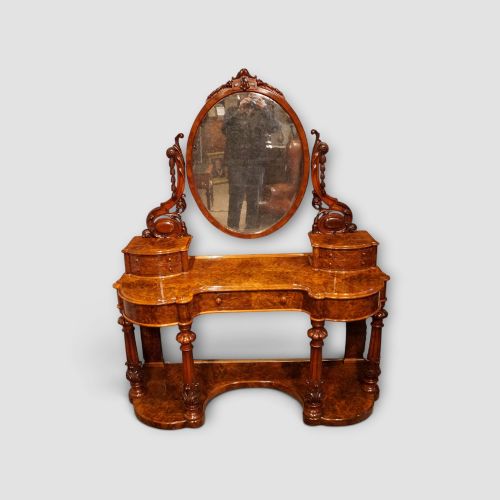
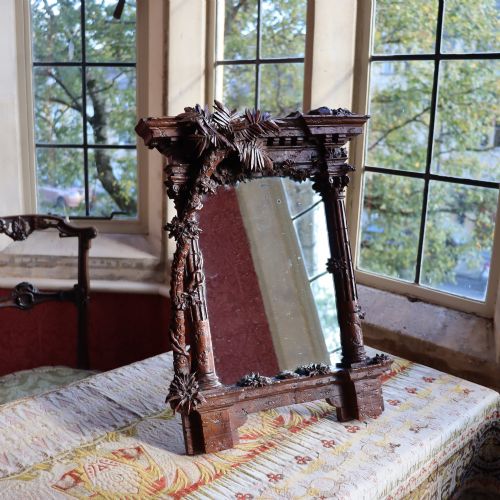
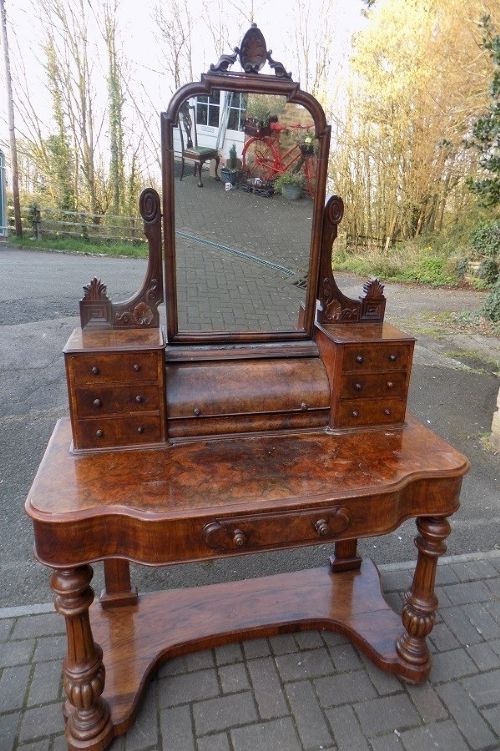
A Victorian walnut vanity encompasses a range of nineteenth-century furnishings, from large duchess dressing tables and pedestal dressing desks to smaller toilet mirrors and fitted travelling boxes. Walnut and burr walnut dominate these forms, often paired with glass, brass, and marble.
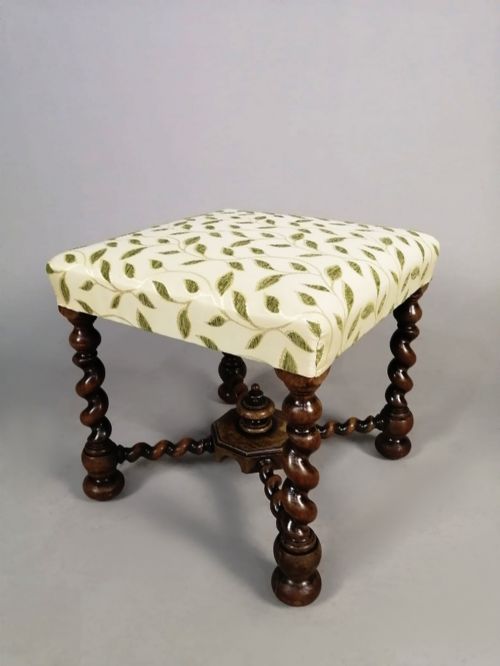
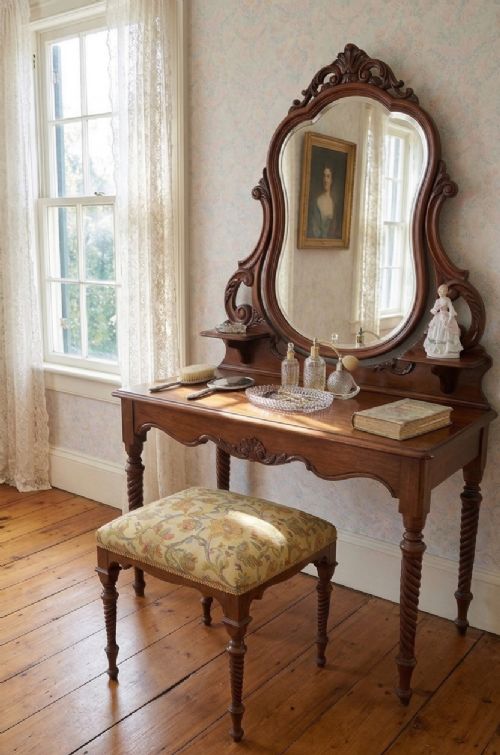
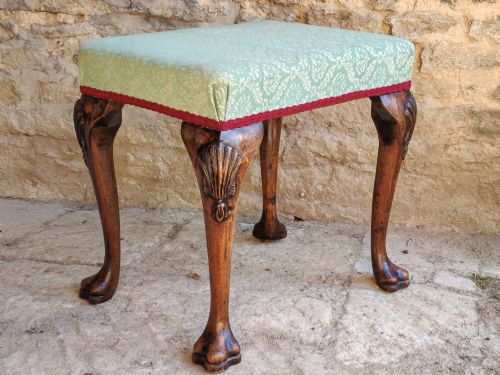
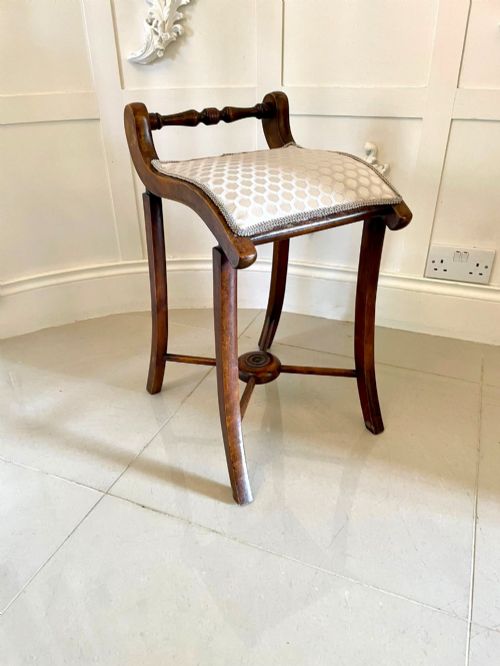
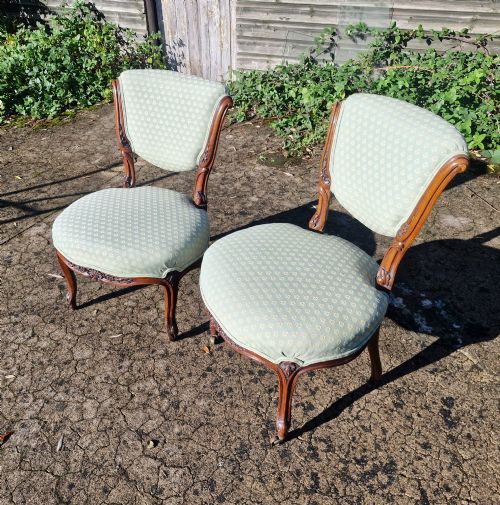
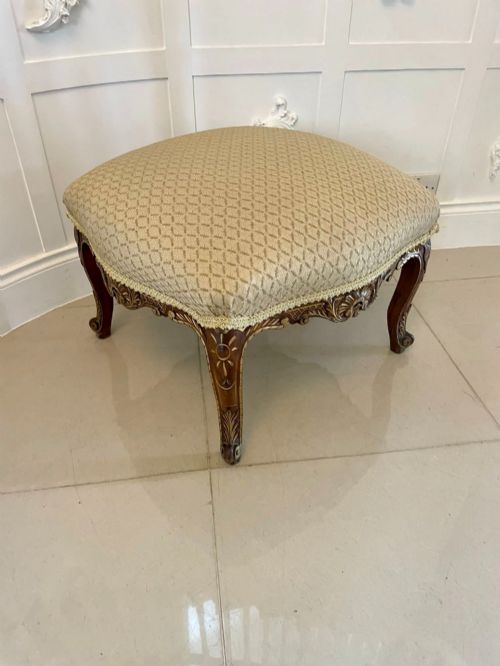
Stools and chairs form a large part of this selection, designed to accompany dressing tables in various revival styles including Queen Anne, Rococo, and William and Mary. These seating pieces frequently feature carved cabriole legs, spiral twist turnings, or X-frame structures.
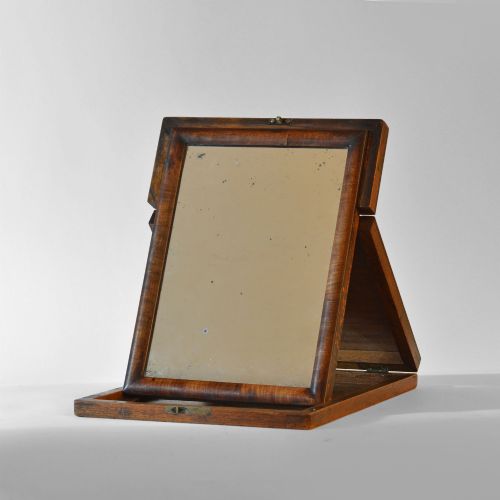
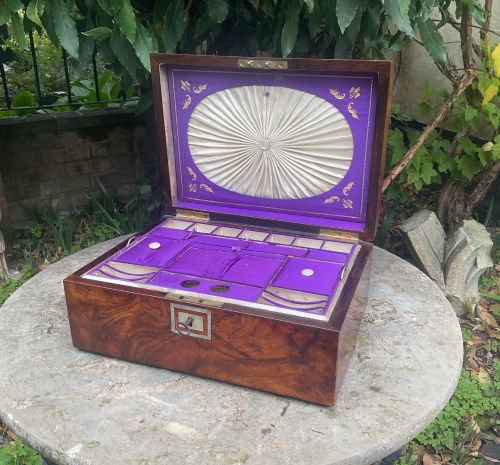
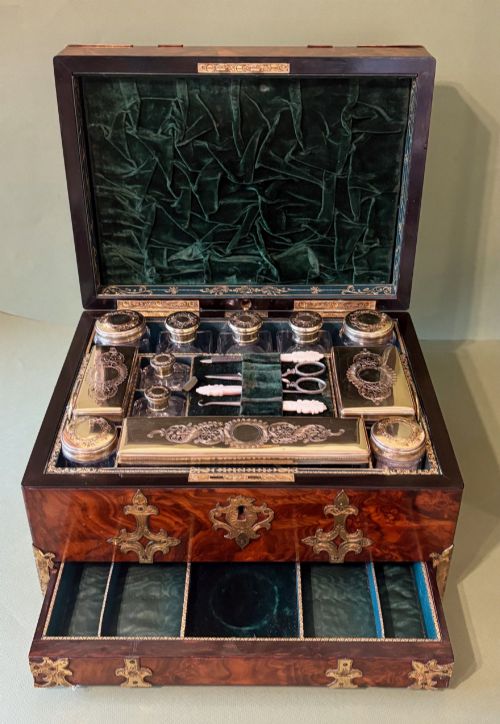
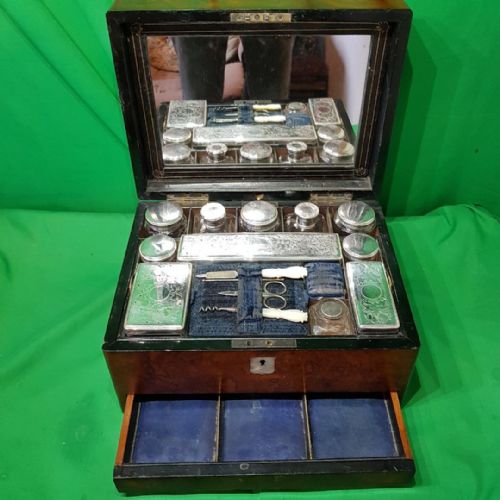
Tabletop accessories and smaller caskets also appear under this heading, including jewellery cabinets, scent caskets, and shaving mirrors. These smaller items provide fitted interiors with compartments for personal items, often utilising fine burr veneers.
How they were made
Cabinet makers utilised solid walnut and figured burr walnut veneers applied to secondary timbers to create rich, patterned surfaces on dressing tables and boxes. These wooden structures were frequently combined with cast brass handles, escutcheons, and ormolu mounts.
Seating and dressing tables display detailed hand carving, particularly on cabriole legs, scroll feet, and frame edges. Upholstered elements rely on traditional stuffing and materials such as velvet, fabric, and beadwork for the seats.
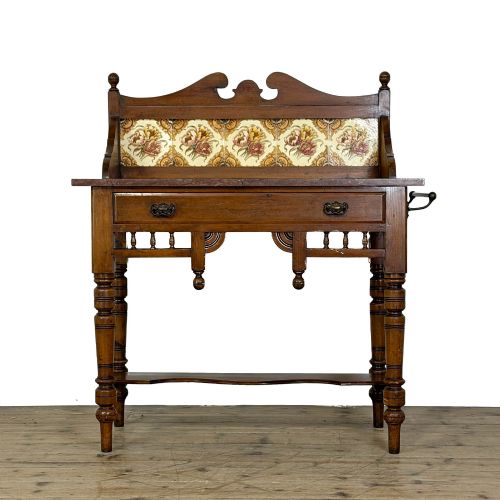
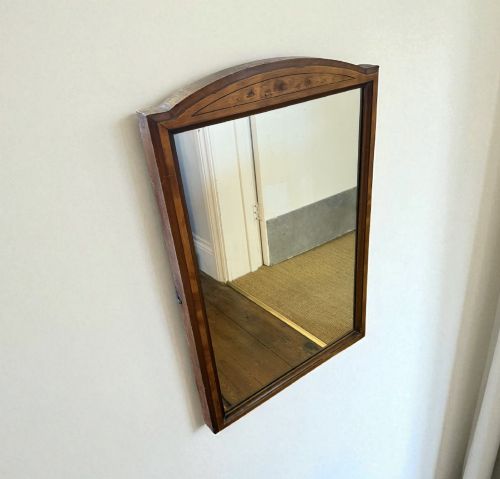
Mirrors associated with these vanities incorporate adjustable pivoting frames, sometimes supported by scrolling arms or mounted onto pedestal drawer units. Washstands and dressing tables frequently integrate inset marble tops to provide durable work surfaces.
Victorian Walnut Vanity Retail Price Guide 2026
Typical asking prices for victorian walnut vanity among the pieces listed under this phrase on Sellingantiques today, from the lower quarter to the upper quarter. They describe what is for sale here now, not the wider market.
The furniture forms span dressing tables, washstands, and writing desks, complemented by smaller items like scent caskets and glove boxes.
What varies in quality
The selection of the walnut timber sets the baseline for quality, with highly figured burr veneers demanding greater skill in matching and application than plain walnut boards. Finely executed hand carving on frames and legs distinguishes superior pieces from simpler, mechanically produced alternatives.
Internal complexity dictates the standard of boxes and dressing cases, where secret drawers, velvet-lined compartments, and original fitted glass bottles reflect higher production costs. The retention of original brass hardware, working locks, and matching keys adds significantly to the integrity of a piece.
Structural joinery and stability separate standard items from the finest examples, particularly in adjustable elements like shaving mirrors and revolving piano stools. The execution of secondary details, such as parquetry inlay or Ormolu mounts, indicates the workshop's original standing.
Walker & Sons·Maple & Co London
The Victorian Walnut Vanity Glossary
- Burr Walnut
- A veneer taken from the growth growths or burls of a walnut tree, showing highly swirled, decorative grain patterns. Cabinet makers used these figured slices on the primary facades of dressing tables and boxes.
- Duchess Dressing Table
- A large nineteenth-century dressing table featuring a large central mirror flanked by smaller drawers or trinket boxes. This form typically includes a lower tier or set of pedestals.
- Ormolu
- Gilded bronze mounts applied to furniture and decorative boxes for ornamentation. Makers cast and chased these metal elements to add classical or revival details.
- Cabriole Leg
- A furniture leg that curves outward at the knee and tapers inward to an ankle or foot, inspired by animal limbs. This form appears frequently on Victorian revival stools and dressing chairs.
- Travelling Vanity Box
- A portable wooden box fitted with internal compartments, jars, and mirrors for personal grooming on journeys. These pieces often feature secret drawers and brass security locks.
Victorian Walnut Vanity: Frequently Asked Questions
What is a duchess dressing table?
A duchess dressing table is a large nineteenth-century dressing unit featuring a prominent central mirror supported by small accessory drawers. These tables often stand on twin pedestals or shaped legs.
They served as the main grooming station in Victorian bedrooms, providing ample surface area and storage for cosmetics and brushes.
How do I identify burr walnut?
Burr walnut is recognised by its dense, swirling grain patterns created from tree burls rather than straight timber growth. It yields rich, mottled patterns that makers prized for decorative drawer fronts and box lids.
This veneer was cut thinly and laid over a stable secondary wood to create striking visual surfaces without warping.
Were these pieces used for travel?
Certain items like travelling vanity boxes and campaign mirrors were built specifically for transport. They contained secure internal fittings to protect glass bottles and instruments on the move.
Other forms, such as large dressing tables and washstands, remained stationary fixtures in domestic bedchambers.
What styles influenced Victorian vanities?
Victorian cabinet makers drew inspiration from earlier periods, producing pieces in Queen Anne, Rococo Revival, William and Mary, and Gothic Revival styles. These revivals incorporated characteristic elements like cabriole legs, spiral turnings, and carved decoration.
As the century progressed, Aesthetic style and Arts and Crafts principles also influenced the simpler lines of certain washstands and boxes.