




Victorian Walnut Secretaire Cabinet
A victorian walnut secretaire cabinet combines practical writing space with handsome display or storage, offering the serious collector both beauty and utility.
Victorian Walnut Secretaire Cabinet
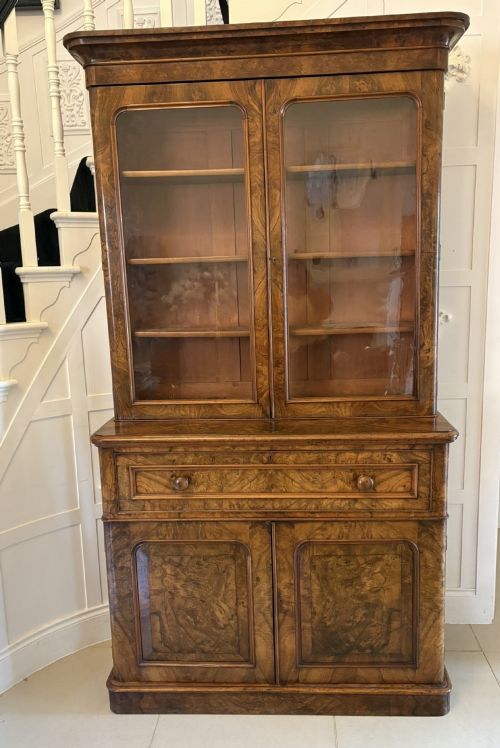
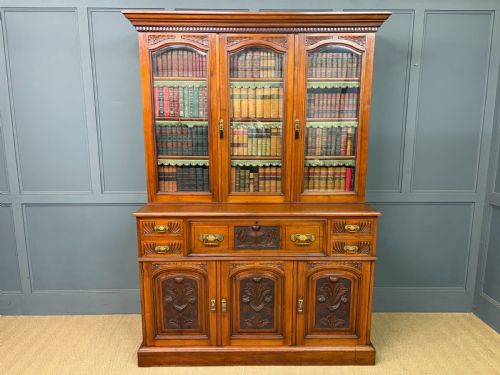
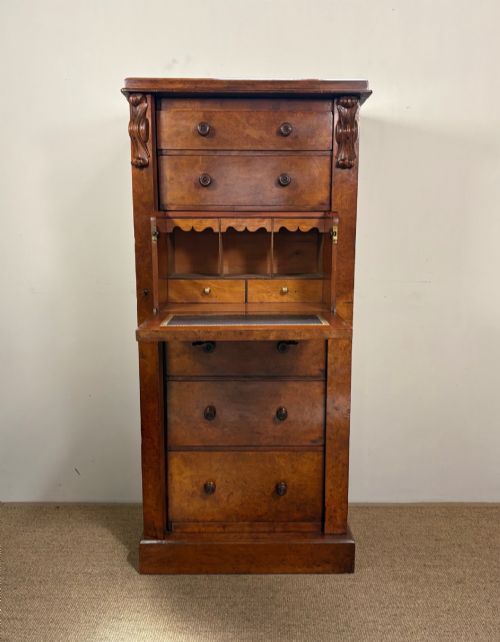
A victorian walnut secretaire cabinet brings together functional writing compartments and traditional cabinetry, frequently taking the form of a bookcase, tall chest of drawers, or credenza. These pieces span from the mid nineteenth century into the late victorian period, alongside occasional georgian examples, reflecting diverse domestic needs of the era. Buyers meet various configurations, including bureau bookcases with fitted interiors and cylinder desks.
The combination of display shelving and concealed writing drawers makes these cabinets remarkably adaptable for modern rooms. Cabinet makers constructed these pieces to serve multiple purposes, housing books and papers within a single unified structure. Walnut remains the defining wood across these forms, often showing rich grain patterns.
Materials and Construction
Cabinet makers utilised solid timber and decorative veneers, selecting burr walnut for its complex, swirling grain on primary display surfaces. Secondary woods and supporting frames provide structural stability, while brass hardware, glass panels, and inlaid satinwood add refined detail to the exterior.
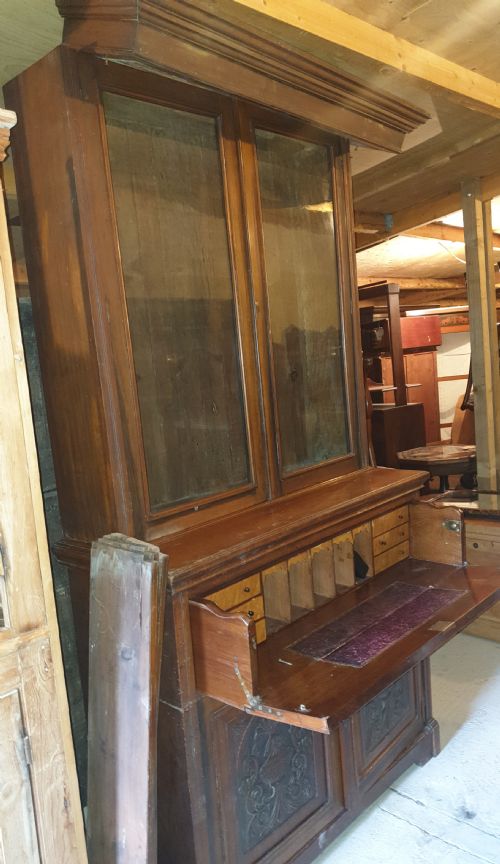
Interiors often feature fitted writing drawers lined with leather or baize, alongside pigeonholes and smaller compartments for correspondence. Selected pieces incorporate ormolu mounts and carved decoration, demonstrating the skilled cabinet work characteristic of nineteenth century workshops.
Victorian Walnut Secretaire Cabinet Retail Price Guide 2026
Typical asking prices for victorian walnut secretaire cabinet among the pieces listed under this phrase on Sellingantiques today, from the lower quarter to the upper quarter. They describe what is for sale here now, not the wider market.
Some nineteenth century secretaire drawers include hidden compartments that require pressing secret wooden catches to release.
Assessing Quality and Execution
Quality reveals itself in the selection of the wood veneer, particularly the matching of burr walnut figures across drawer fronts and door panels. Superior examples display meticulous attention to the interior writing compartments, with finely dovetailed drawers and well-executed secret mechanisms.
The integration of secondary timbers and the precision of brass fittings further distinguish finer pieces from simpler workshop productions. Overall proportion and the crispness of any carved or inlaid decoration determine the standing of an individual cabinet.
Gregory & Co. of London
The Victorian Walnut Secretaire Cabinet Glossary
- Secretaire
- A writing drawer or compartment featuring a drop-down front that reveals a fitted interior of small drawers and pigeonholes.
- Burr Walnut
- A specialised wood cut from walnut tree growths, prized for its intricate, swirling grain patterns on cabinet doors and drawer fronts.
- Credenza
- A low cabinet, frequently featuring glass doors and decorative mounts, adapted in some instances to house a fitted writing drawer.
- Satinwood
- A pale, dense exotic timber used for contrasting inlay and stringing on furniture surfaces.
- Ormolu
- Gilded bronze ornamentation applied to furniture, adding decorative metallic highlights to the wood.
Victorian Walnut Secretaire Cabinet: Frequently Asked Questions
How do I use a secretaire drawer?
The drop-down front is unlocked and lowered to provide a stable writing surface at a comfortable height. This reveals internal compartments designed for stationery, letters, and small valuables.
When writing is finished, the surface is lifted back into place and secured, concealing the papers and restoring the tidy appearance of the cabinet.
Where should I place a walnut cabinet?
These pieces suit reception rooms, studies, or libraries where their combination of display space and enclosed storage can be fully appreciated. Keep the cabinet away from direct sunlight and heat sources to protect the walnut veneer and prevent timber movement.
Ensure there is sufficient clearance in front of the piece for the secretaire drawer to drop down without obstruction.
How do I care for walnut furniture?
Dust the surfaces regularly with a soft, dry cloth to prevent dirt accumulation on the polished wood and brass fittings. Apply a traditional wax polish occasionally to nourish the walnut and maintain its natural lustre.
Avoid using silicone-based sprays or commercial multi-surface cleaners, which can damage the historic finish over time.
How can I tell the period?
Examine the construction methods, drawer linings, and hardware styles to determine the age of the piece. Mid nineteenth century examples often feature heavier proportions and rich burr walnut, while later pieces from the 1880s and 1890s may show arts and crafts influences or lighter inlay work.
Matching the recorded dates and styles in the evidence helps confirm the era of manufacture.