

Victorian Walnut Frame
When you examine a victorian walnut frame, you find the rich timber grain and carved contours that defined nineteenth-century seating and mirrors.
Victorian Walnut Frame
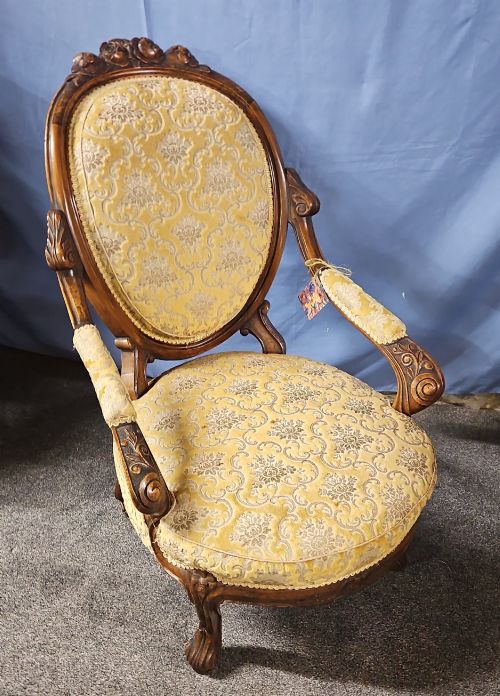
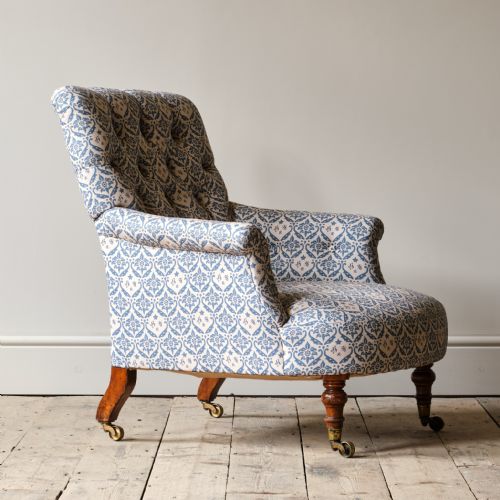
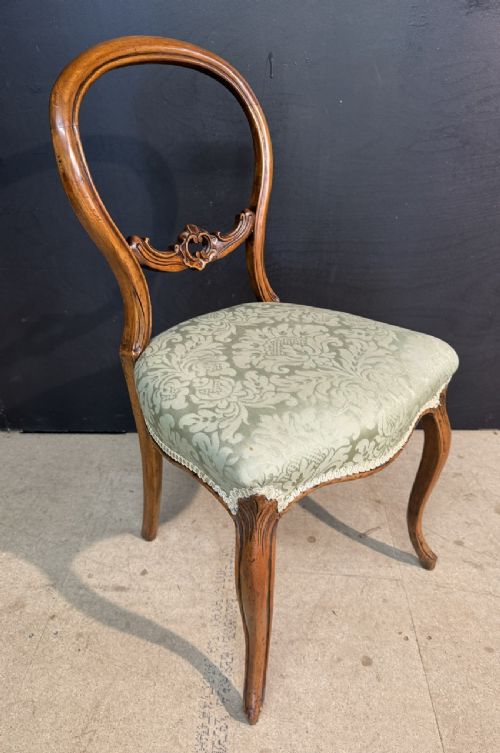
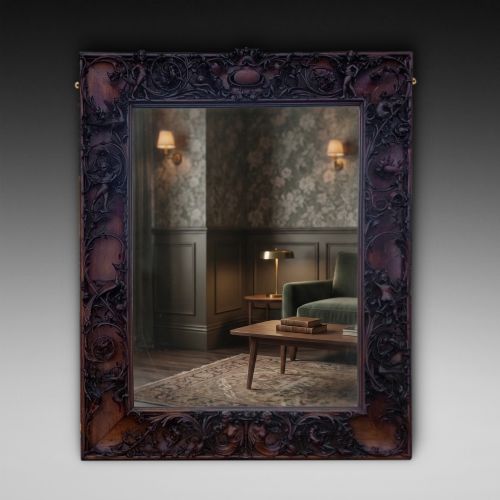
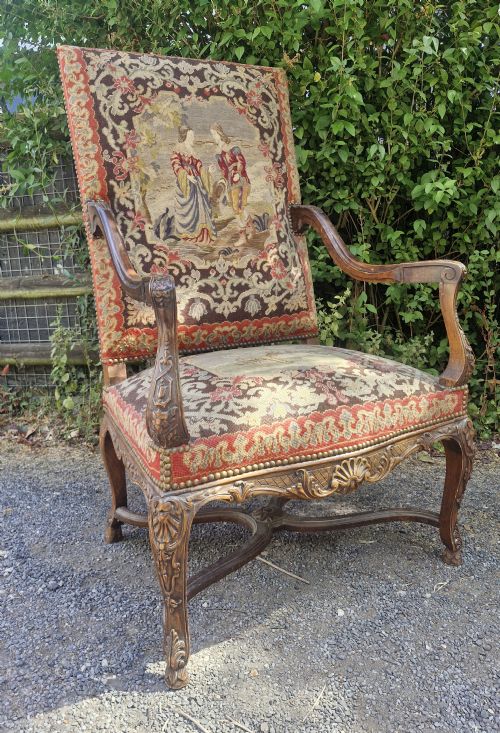
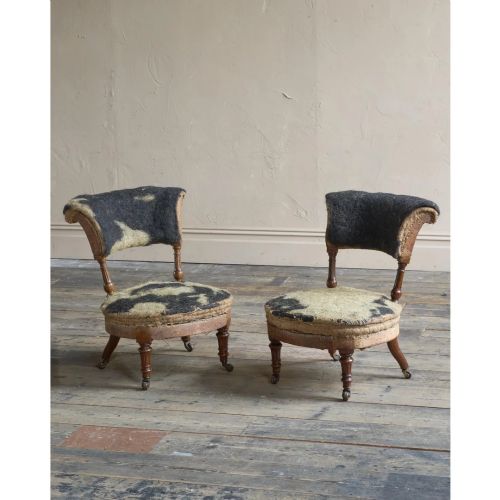
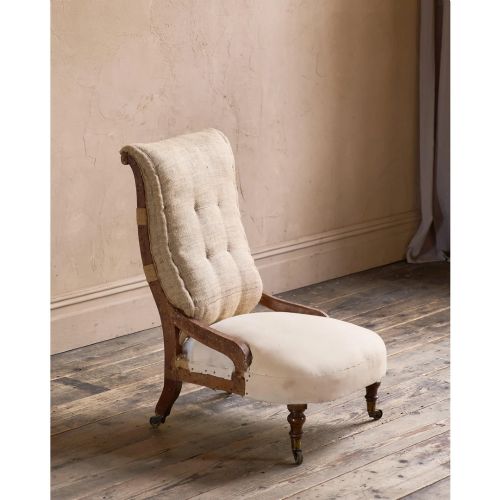
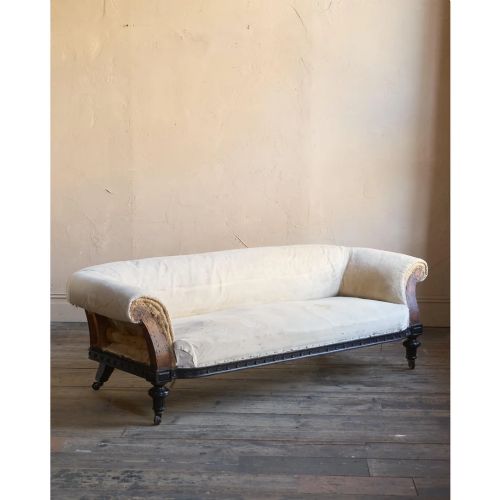
A victorian walnut frame typically forms the structural timber skeleton for upholstered armchairs, nursing chairs, button-back sofas, and wall mirrors. These pieces span the nineteenth century, utilising dense hardwoods to support elaborate carving and show-wood profiles.
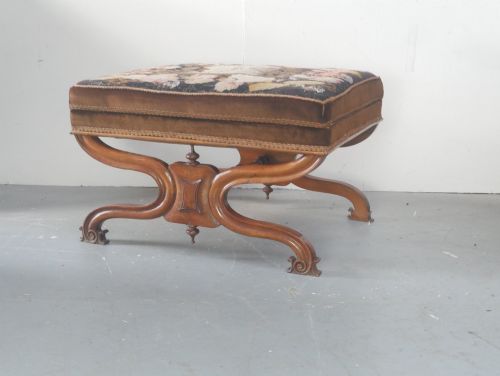
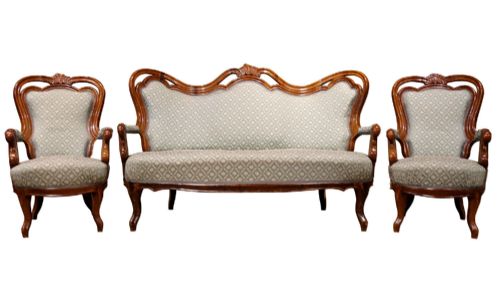
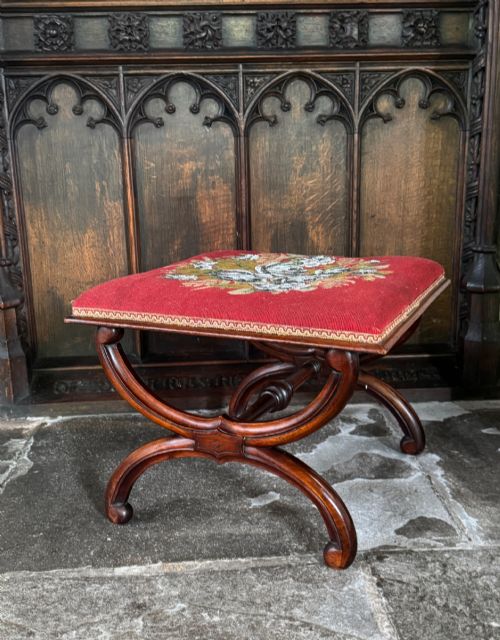
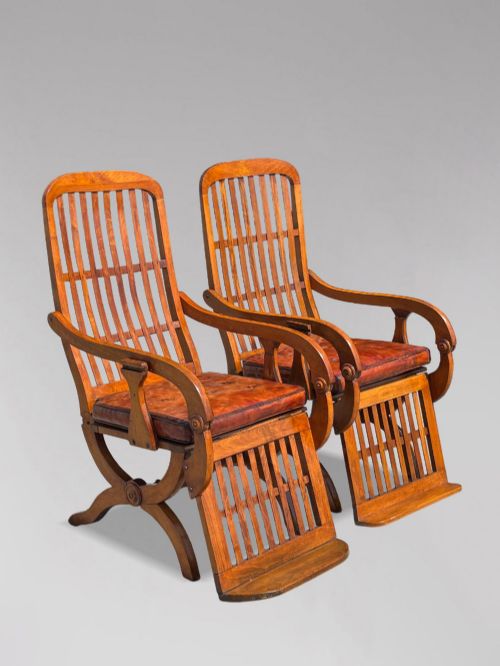
The most common versions encountered on this page are salon chairs, X-frame stools, and show-frame armchairs originating from the mid-to-late Victorian decades. Makers employed walnut for both structural integrity and decorative veneer surfaces across various seating and mirror forms.
How they were made
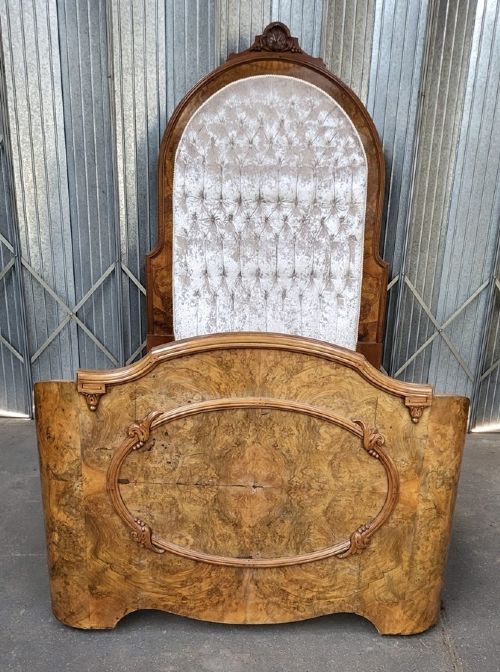
Cabinet makers utilised solid walnut and burr walnut veneers applied to secondary woods, shaping the frames with hand-carved cabriole legs, spiral twists, or scroll motifs. Frames were frequently joined using traditional tenon methods before receiving wax or french polished finishes.
Upholstered sections relied on foundational materials such as hessian, cotton, and webbing supporting horsehair stuffing beneath velvet, tapestry, or needlework covers. Brass castors and hardware were frequently integrated into larger armchairs and daybeds.
Listings feature 19th-century walnut frames applied to armchairs, wall mirrors, and X-frame stools utilising brass and velvet.
What varies in quality
The distinction between standard production and exhibition-quality work lies in the depth of the hand-carving and the selection of figured burr walnut veneer. Superior examples display crisp leaf-capping, balanced proportions, and integrated show-wood framing rather than plain applied mouldings.
Structural refinement also separates pieces, visible in the precision of the joinery on X-frame stools and the fluidity of curved open arms. Higher-grade frames retain original finishing techniques and robust internal webbing foundations.
Howard and Sons·Deane Adams and Deane
The Victorian Walnut Frame Glossary
- Show-frame
- A wooden framing technique where the polished timber structure remains entirely visible around upholstered panels. This design highlights the carved walnut grain rather than concealing the skeleton beneath fabric.
- Burr walnut
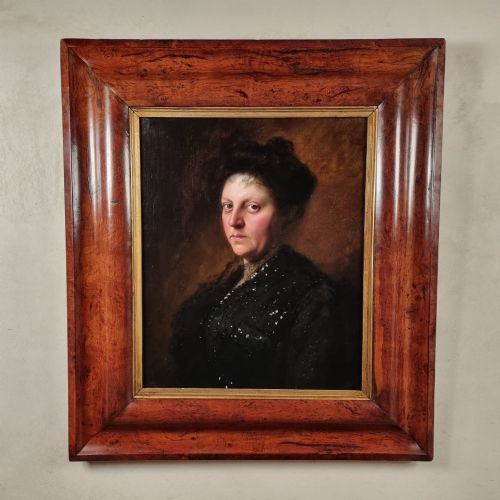
- A prized timber harvested from tree growths that produce intricate, swirling grain patterns. Cabinet makers sliced this wood into thin veneers for decorative surfaces on mirror surrounds and cabinet doors.
- X-frame
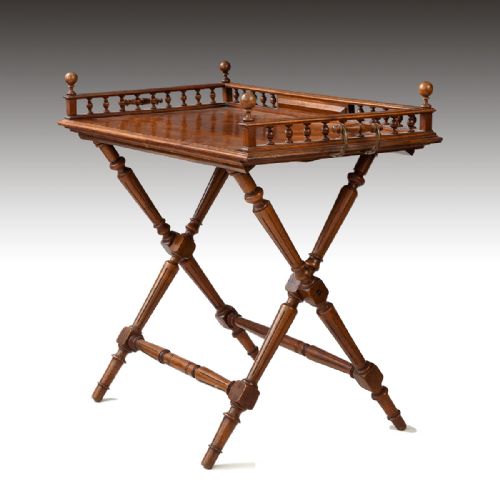
- A cross-form structural base resembling the letter X, utilised primarily on stools and folding tables. This ancient form gained popularity during revival periods for its architectural strength and classical silhouette.
- Cabriole leg
- A furniture leg featuring a double curve, pinching outward at the knee and tapering inward at the foot. This styling mimics animal limbs and frequently terminates in scroll or leaf carvings.
- Crewelwork
- Embroidery executed with wool yarn on a heavy linen or cotton foundation, often depicting floral or avian motifs. This textile technique frequently appears on nineteenth-century chair upholstery.
Victorian Walnut Frame: Frequently Asked Questions
How do I identify burr walnut?
Burr walnut is distinguished by its dense, swirling knot patterns and rich figuring caused by irregular tree growth. Cabinet makers reserved this premium veneer for the most prominent display surfaces.
It differs from straight-grained walnut by offering a highly decorative, mottled visual texture.
Where were X-frame stools used?
X-frame stools served as versatile dressing seats or window furniture in nineteenth-century bedrooms and drawing rooms. Their cross-leg architecture provided sturdy support while maintaining a compact footprint.
Many examples feature needlework or beadwork upholstery on the seats.
How should I care for polished walnut?
Polished walnut benefits from occasional cleaning with a soft, dry cloth and natural beeswax to maintain the sheen of the timber. Direct sunlight and fluctuating humidity should be avoided to protect the wood and underlying veneers.
Proper environmental care preserves the original surface finish without stripping historical patina.