



Victorian Walnut Carver Chairs
Victorian walnut carver chairs are substantial timber armchairs offering rich grain and historic seating for dining rooms and studies.
Victorian Walnut Carver Chairs
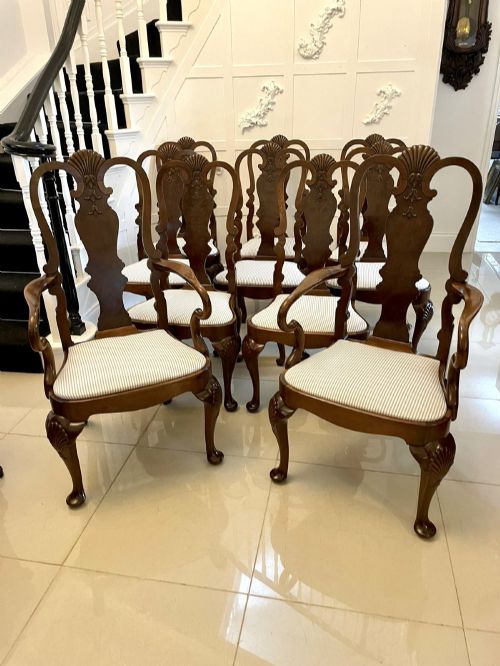
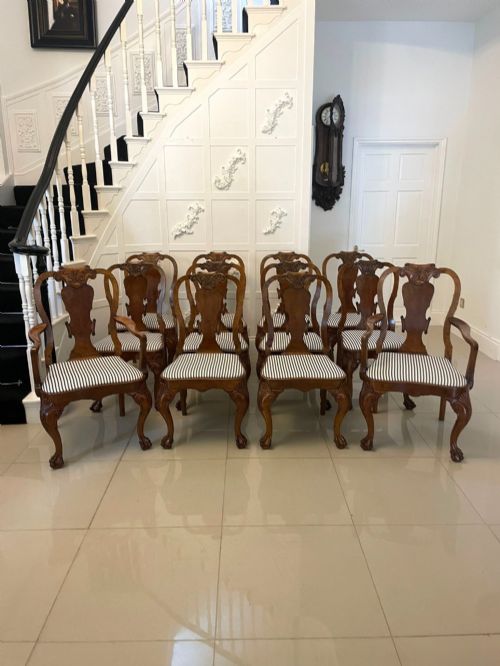
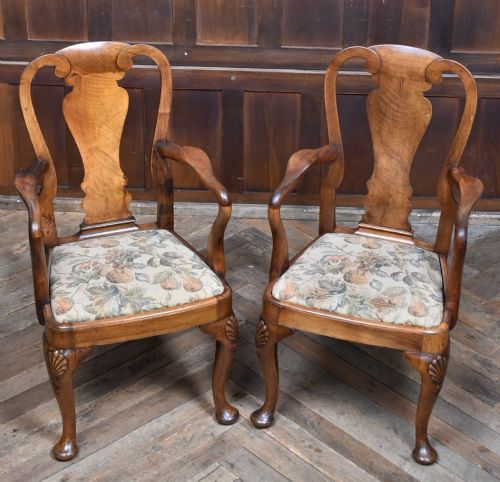
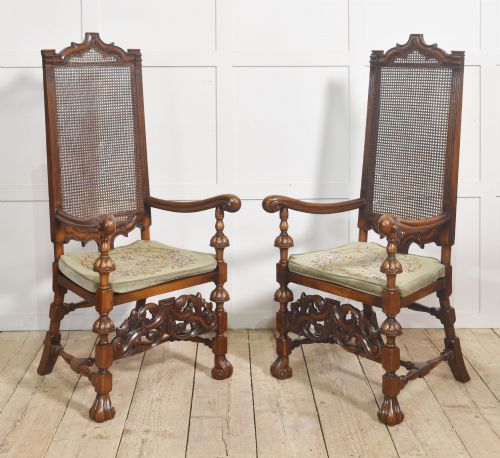
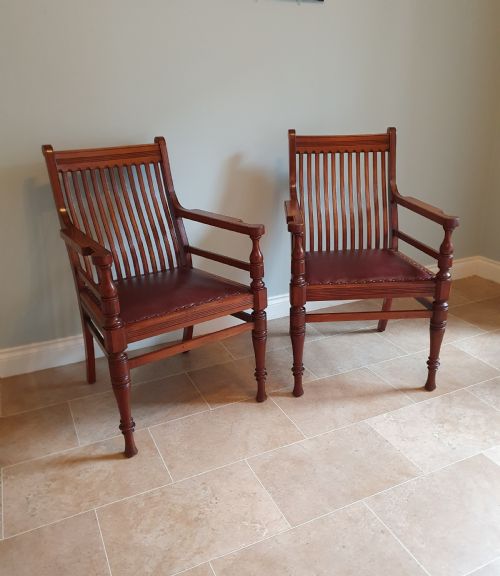
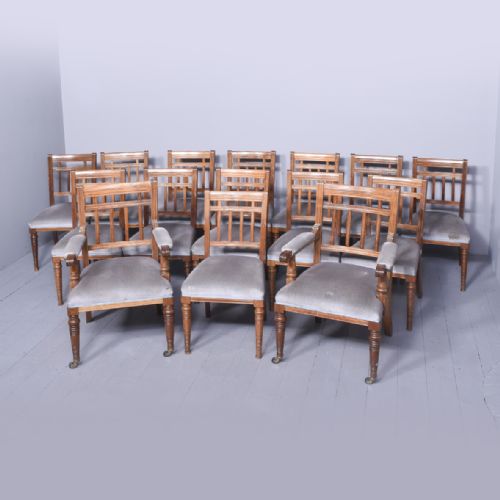
Victorian walnut carver chairs combine sturdy timber frames with supportive armrests designed for the heads of dining tables and grand desks. The selection includes pairs and large sets spanning the nineteenth century up to nineteen hundred, alongside distinctive armchairs.
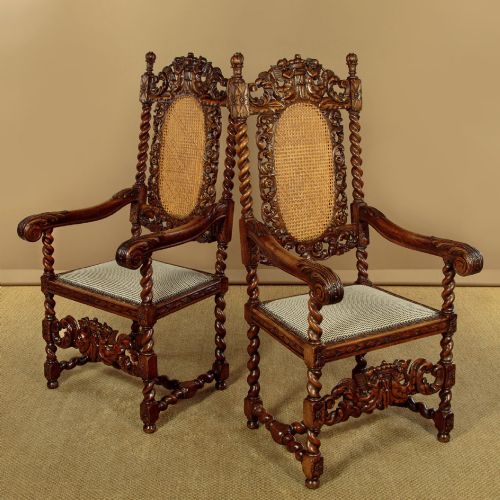
Makers and workshops of the period drew on diverse revivals, producing pieces ranging from plain timber frames to ornate carved armchairs. Examples incorporate styles such as Queen Anne, Renaissance, and Aesthetic Movement influences within nineteenth century production.
Materials and construction methods
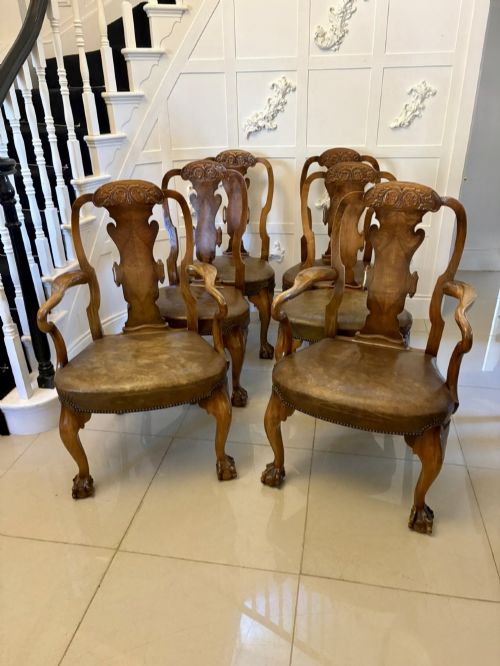
Makers utilised solid walnut and burr walnut veneers over supportive timber carcases to build these seating pieces. The warm timber grain was frequently shaped into carved details across the top rails and front legs.
Upholstered elements rely on traditional stuffing fixed beneath leather, velvet, fabric, or cane panels. Brass hardware and castors sometimes appear on heavy desk and office chairs from the period.
One heavily stamped office chair once served as a quiet witness to countless nineteenth century letters.
Factors determining quality
The distinction between standard seating and finer examples rests upon the depth of the timber carving and the choice of burr veneers. Crisp execution of revival styles indicates skilled workshop production rather than mass output.
Original upholstery methods and stamped maker signatures add significant interest to surviving armchairs. The structural integrity of the timber frame and arms dictates daily usability.
Lamb of Manchester·J. & T. Scott, Edinburgh·Howard & Son's
The Victorian Walnut Carver Chairs Glossary
- Carver chair
- An armchair designed to match a set of dining chairs, typically positioned at the table ends. These pieces feature integrated armrests to accommodate formal dress.
- Burr walnut
- A prized timber harvested from tree growths that produces intricate, swirling grain patterns. Cabinet makers utilised thin veneers of this wood to highlight prominent surfaces.
- Aesthetic Movement
- A late nineteenth century design approach that prioritised visual beauty over moral narrative. Furniture from this circle often shows simpler lines and artistic decoration.
- Revival style
- A design movement looking back to earlier historical periods such as the reign of Queen Anne or Louis Quinze. Makers reinterpreted these historical motifs for Victorian homes.
- Spoon back
- A curved wooden chair back shaped to contour against the human spine. This ergonomic form became popular during the mid nineteenth century.
Victorian Walnut Carver Chairs: Frequently Asked Questions
How do I spot a true Victorian walnut carver chair?
Examine the timber frame for genuine walnut grain and traditional joinery methods rather than modern fixings. Look for period characteristics such as hand carving and period upholstery techniques.
Check for maker stamps or labels on the underside of the seat rail. Comparing the carving style against documented nineteenth century design sources helps confirm authenticity.
What is the difference between a carver and a desk chair?
Carver chairs generally match a set of dining room chairs with open arms and stationary legs. Desk armchairs often incorporate swivel mechanisms, brass castors, or enclosed upholstered backs for office use.
Desk versions frequently feature more robust construction to endure long working hours. Both types utilise walnut timber frames and period upholstery materials.
How do I care for antique walnut and leather?
Protect walnut surfaces by keeping them away from direct sunlight and sudden temperature changes. Apply appropriate wax polish sparingly to nourish the timber grain without building up residue.
Treat leather seats with dedicated conditioners to prevent cracking over time. Avoid harsh chemical cleaners on both the wood and the historic upholstery fabrics.