


Victorian Wall Sign
A victorian wall sign brings the character of nineteenth-century commerce and fine art directly into a room, offering painted and metallic statements of trade, heraldry, and sentiment.
Victorian Wall Sign
A victorian wall sign encompasses trade signs, painted wooden boards, and solid iron or brass plaques that once marked businesses or recorded civic identity. These pieces originate from the nineteenth century, spanning periods from the eighteen-fifties through to nineteen-twenty.
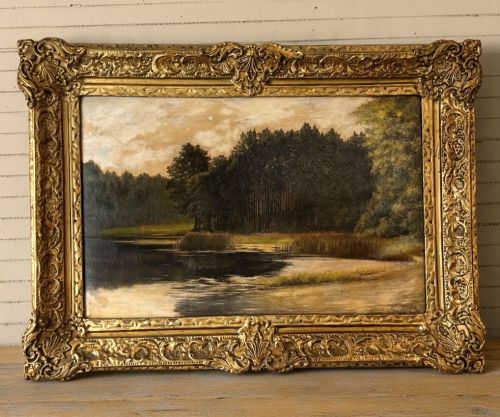
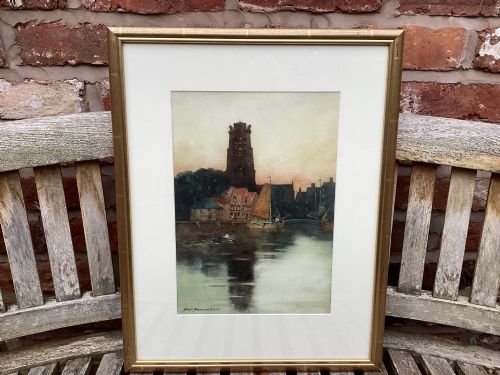
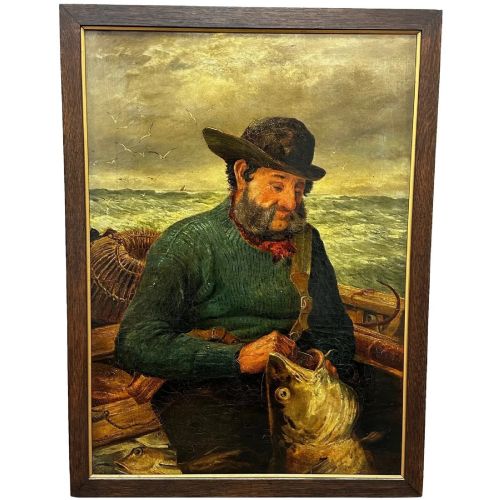
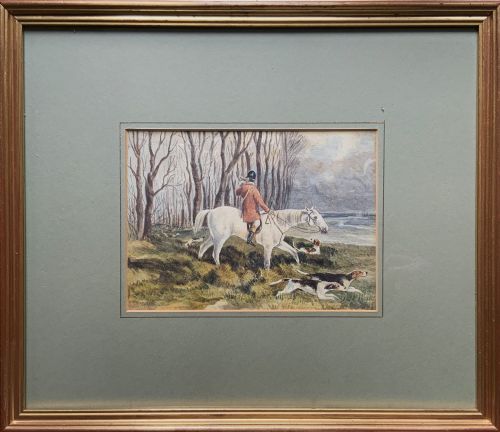
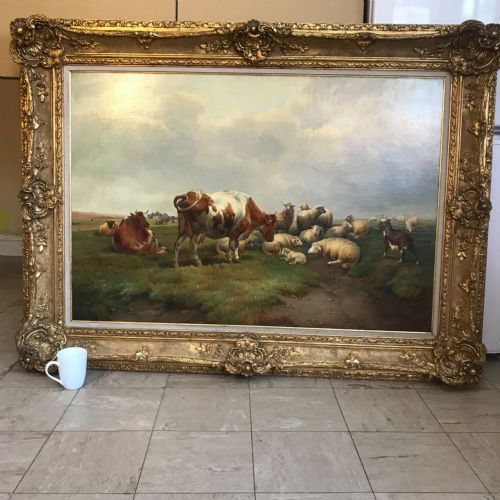
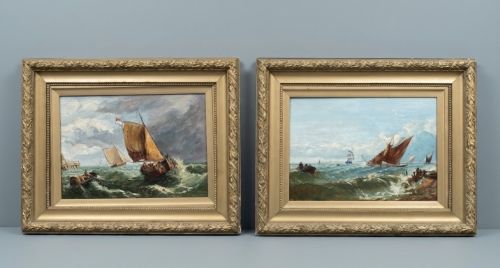
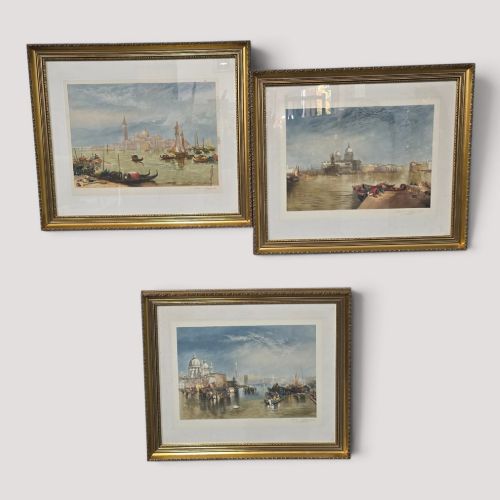
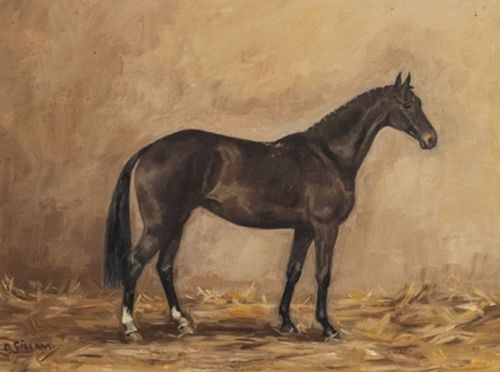
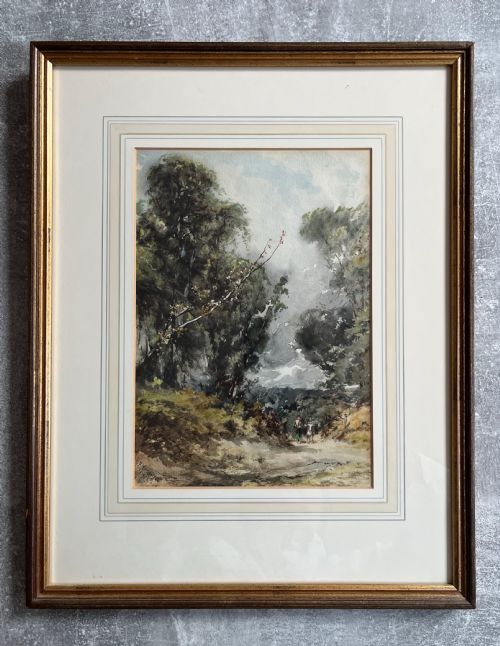
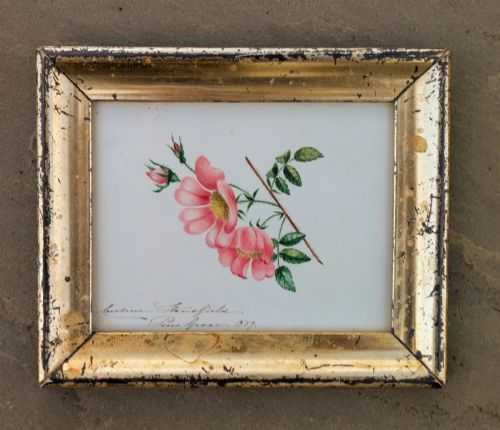
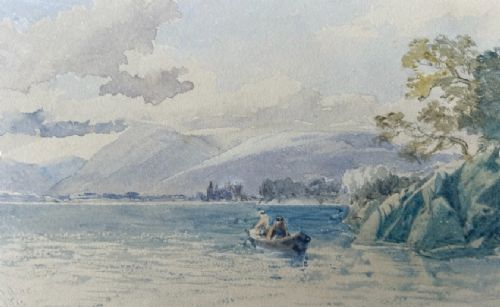
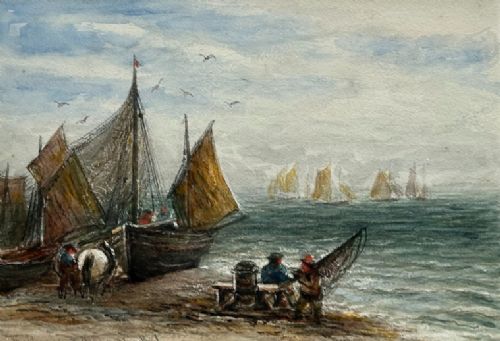
Alongside commercial boards, the selection includes painted watercolours, oil paintings on canvas, and charcoal drawings that served as framed wall art within domestic interiors. Buyers meeting these pieces will encounter both heavy iron trade markers and delicate botanical or landscape watercolours.
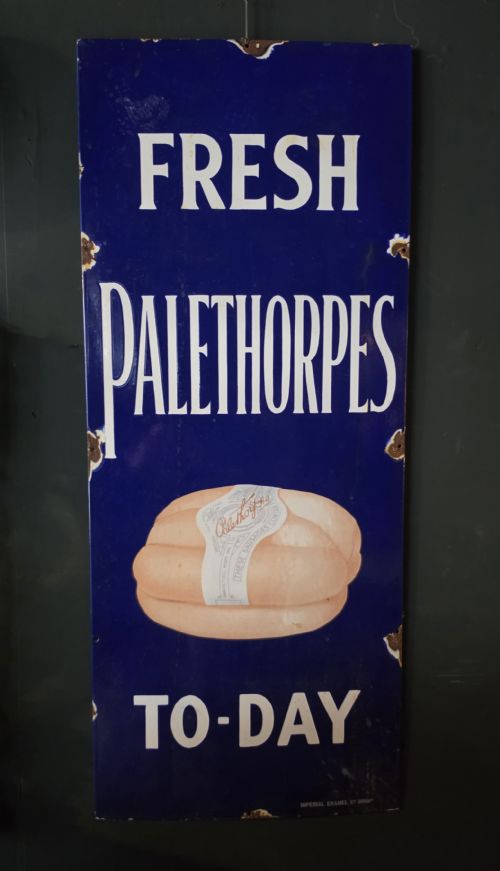
The objects bridge utilitarian advertising, such as enamel sausage signs and pawnbrokers' symbols, with fine art and decorative wall plaques displaying coats of arms or religious text.
Materials and Construction
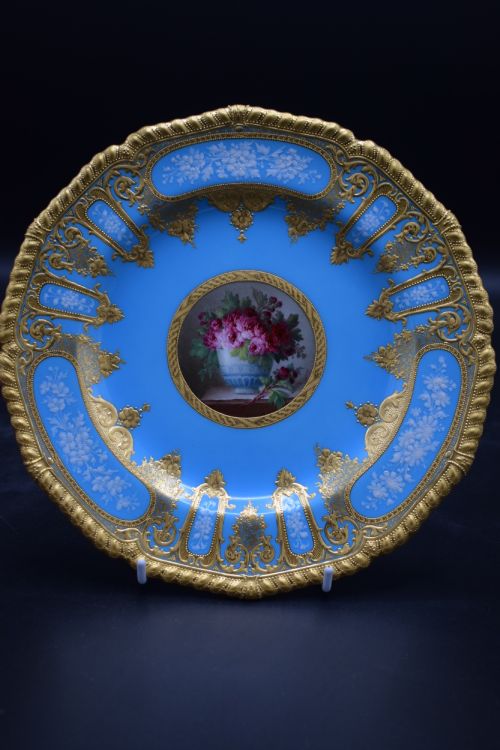
Makers utilised oil on canvas, watercolour, and charcoal on paper for the pictorial artworks, frequently framing them in wood or gilded wood. Trade signs and plaques rely on heavier substances including solid iron, brass, bronze, and painted tinplate known as toleware.
Painted wooden boards employ hand-lettering and pictorial illustration directly onto timber panels, while metal plaques utilise casting, engraving, and enamel fusing. These durable methods ensured signs survived decades of exposure in commercial or civic settings.
Victorian Wall Sign Retail Price Guide 2026
Typical asking prices for victorian wall sign among the pieces listed under this phrase on Sellingantiques today, from the lower quarter to the upper quarter. They describe what is for sale here now, not the wider market.
Periods represented span the Victorian era, the Edwardian period, and the early twentieth century up to nineteen-twenty.
Evaluating Quality
Quality rests upon the crispness of the hand-painting, the legibility of lettering, and the preservation of the original surface paint or metal patina. Pieces executed by named artists or established sign-painting traditions display superior brushwork and compositional balance.
The integrity of the material structure, whether a cast iron plaque with clear relief or a canvas free from excessive re-lining, dictates the standing of an item within its category.
Harry Bright·George Fotherly Hargitt·Thomas Miles Richardson Jnr·James Orrock·William Banks Fortescue·Vincent Clare·R. Hurst·Bernard Benedict Hemy·William Oliver·Henry H. Parker·Herbert Dicksee·Basil Nightingale·James Mallard Bromley·Thomas Bush Hardy
The Victorian Wall Sign Glossary
- Toleware
- Painted or enamelled metalware, frequently tin, utilised for trade signs and domestic objects in the nineteenth century. It often displays decorative japanning or hand-painted motifs.
- Watercolour
- A painting method where pigment is suspended in a water-based solution, applied to paper to create translucent landscapes and portraits. Many nineteenth-century examples survive under glass within original wooden frames.
- Mezzotint
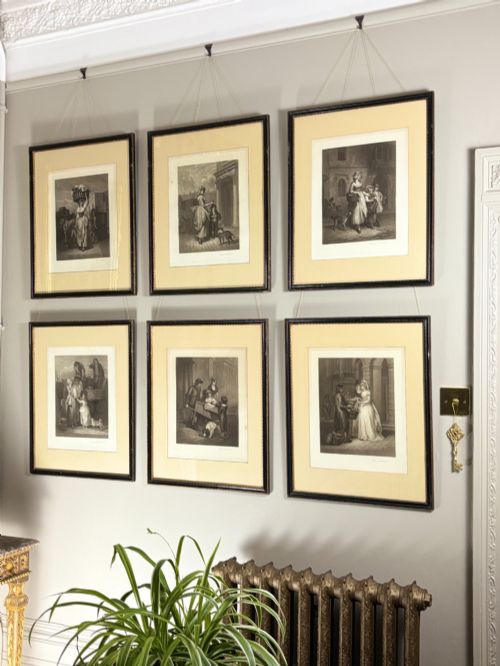
- A printmaking technique of the tonal scraper variety, allowing deep darks and subtle gradations. Popular for reproducing fine art paintings in the nineteenth century.
- Trade Sign
- A board, plaque, or sculptural emblem displayed outside or inside a shop to advertise goods or services. Examples include pawnbrokers' symbols and military hat markers.
- Enamel
- A glassy substance fused to a metal substrate through firing, creating a durable, glossy surface for outdoor signage. Palethorpes sausage signs provide a typical commercial application.
Victorian Wall Sign: Frequently Asked Questions
What materials were used for these signs?
Makers employed wood, iron, brass, bronze, enamel, and paper depending on whether the object was a commercial trade marker or a framed artwork.
Heavier items utilised cast metals or painted wooden boards, whilst pictorial pieces relied on canvas and watercolour paper.
How do I identify a nineteenth-century piece?
Examination of the framing, materials, and signatures provides clear indicators of nineteenth-century origin. Stylistic traits such as Victorian naturalism or academic life studies align with the active periods of the artists.
Subtle signs of wear on painted wood, iron, and paper confirm age without requiring modern verification.
Where were trade signs originally displayed?
Trade signs hung outside shops, above doorways, or inside commercial premises to inform the public of specific trades. Pawnbrokers, butchers, and hat makers utilised distinct symbols and painted boards to attract custom.
Civic plaques and coats of arms appeared on municipal buildings or community meeting spaces.
How should I care for a painted wooden sign?
Painted wooden boards and metal plaques require stable indoor humidity away from direct sunlight to preserve the pigments and prevent timber warping. Gentle dusting with a dry cloth maintains the surface without disturbing historic paint layers.
Glass-fronted watercolours and canvases benefit from similar environmental controls to protect the paper and oil media.