


Victorian Wall Hanging
A victorian wall hanging brings domestic utility and decorative focus to an interior, spanning timber cabinets, mirrors, and textiles.
Victorian Wall Hanging
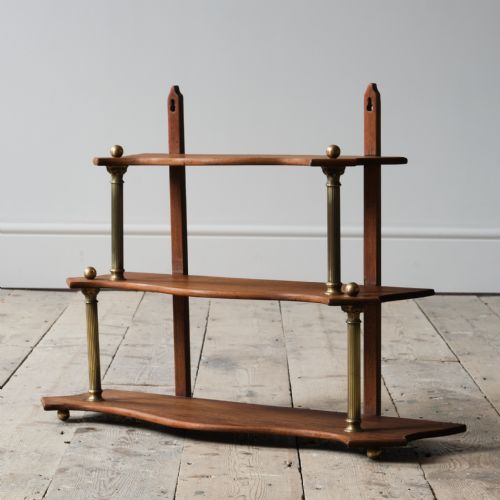
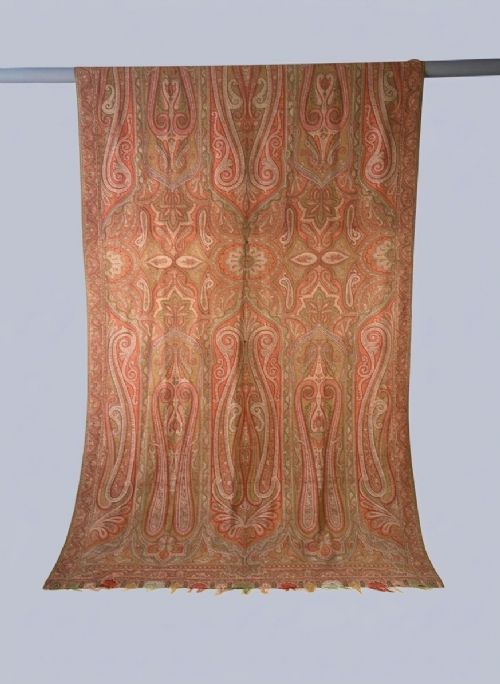
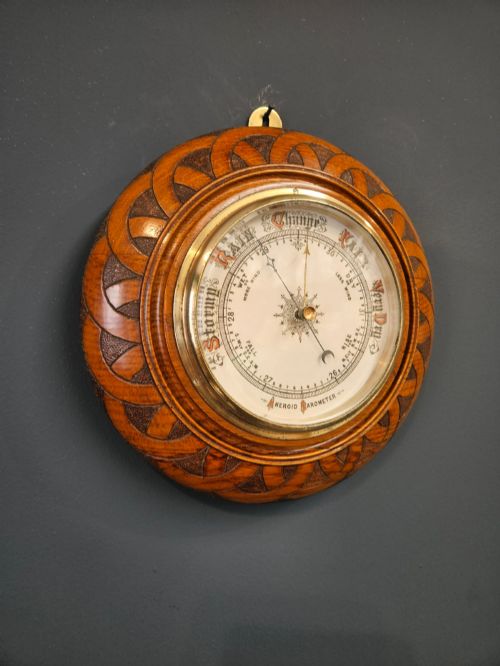
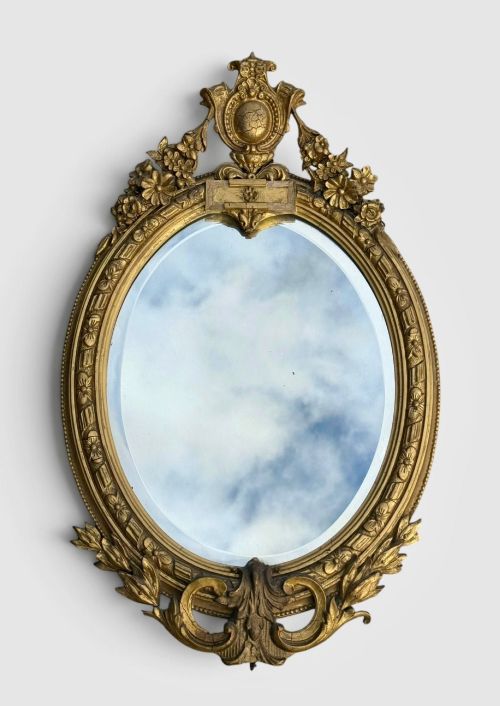
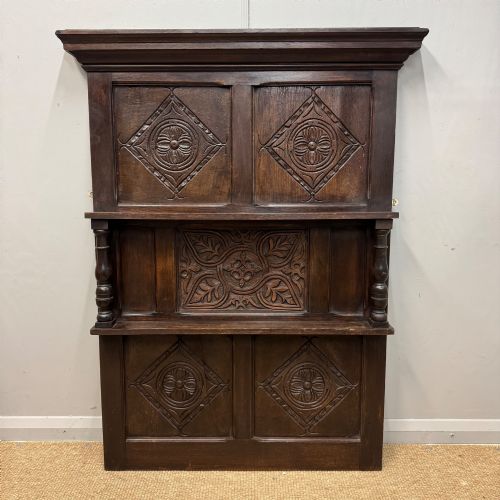
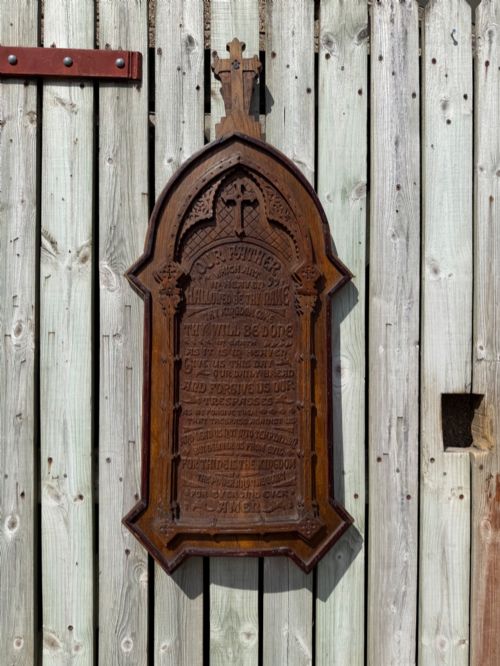
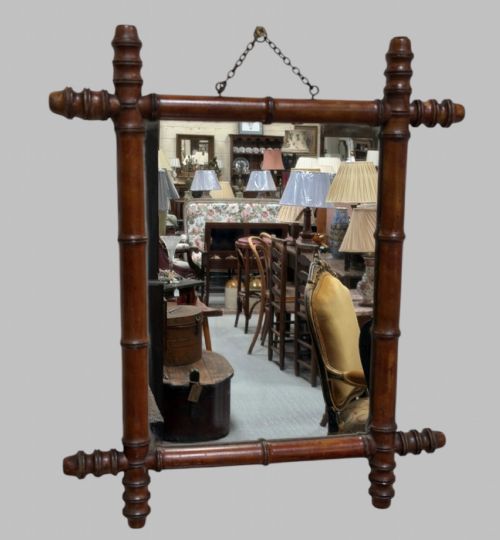
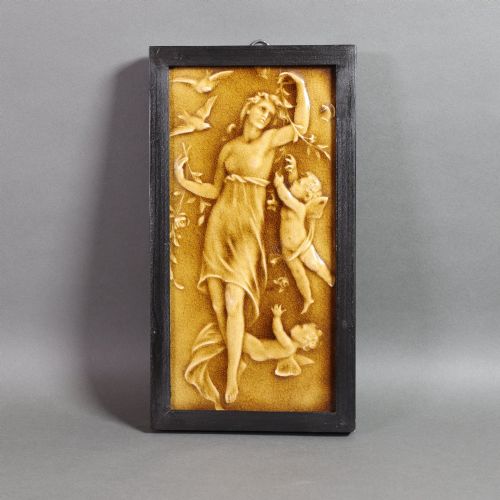
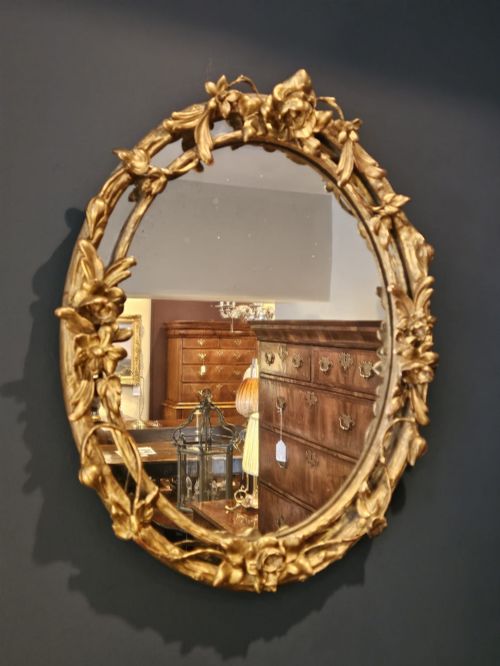
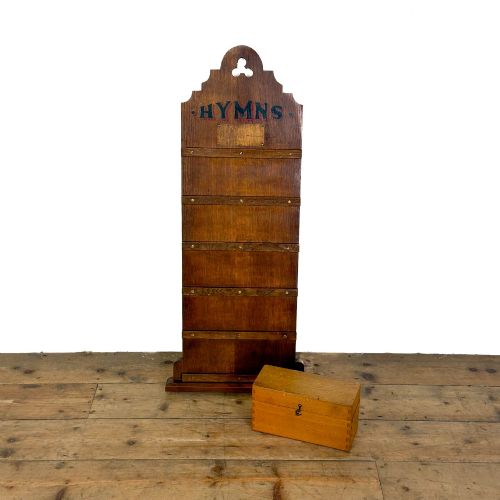
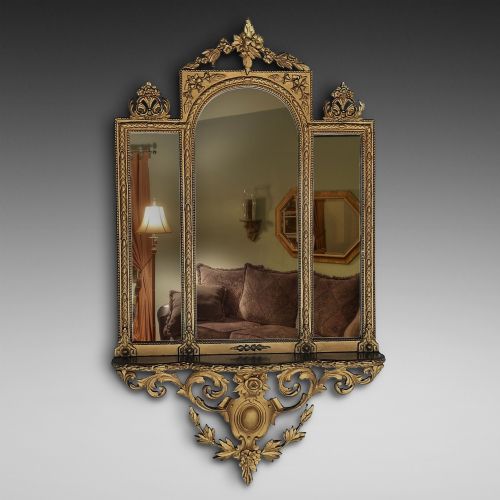
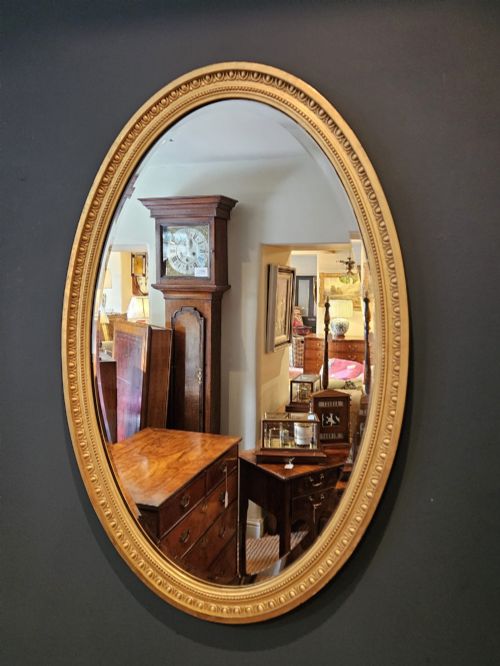
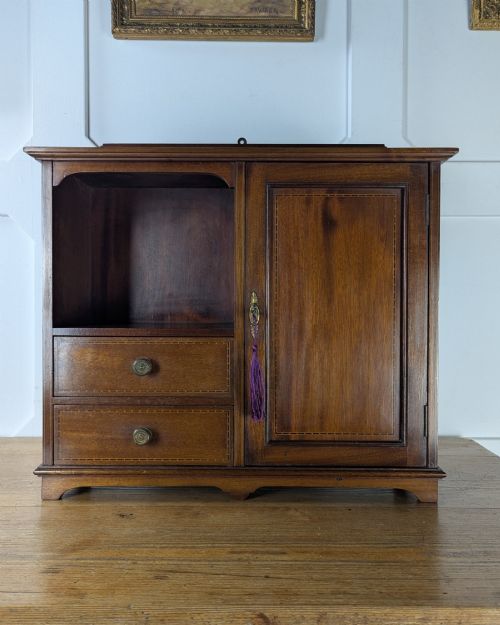
A victorian wall hanging encompasses diverse functional items designed to mount directly onto domestic surfaces, ranging from small corner cupboards and pipe racks to large gilt overmantle mirrors and wool shawls. The selection includes architectural salvage, glazed display cabinets, textile wall hangings, and carved wooden shelves originating across the nineteenth century.
How they were made
Makers utilised traditional cabinet-making timbers including mahogany, oak, walnut, and satinwood, often combining solid construction with applied mouldings, turned spindles, and decorative wood inlay. Giltwood and gesso frames relied on layered composition applied to carved wooden foundations to create ornate ornamental surfaces.
Textile pieces and wall plaques demonstrate alternative nineteenth-century manufacturing methods, employing wool, cotton appliqué, hand-stitched embroidery, and cast iron. Structural joints on cabinetry typically relied on dovetailed corners and brass hardware for secure wall mounting.
What varies in quality
The standard of a victorian wall hanging rests upon the crispness of the original carving, the depth and integrity of gilt surfaces, and the selection of figured timber veneers. Superior items retain their original bevelled mirror plates, working brass hinges, and intact decorative trim without heavy replacement components.
Proportion and structural balance also distinguish finer workshops from utilitarian production, particularly in multi-tiered shelving units and architectural overmantles. Finer examples display meticulous attention to secondary woods and joinery hidden from immediate view.
JAS Shoolbred
The Victorian Wall Hanging Glossary
- Gesso
- A plaster-based mixture applied to wood frames before gilding or painting. It provides a smooth base for intricate moulded ornament and deep relief decoration.
- Overmantle
- A large mirror or decorative panel designed specifically to hang on the wall directly above a fireplace mantelpiece. These pieces frequently feature extensive carved giltwood frames.
- Plushwork
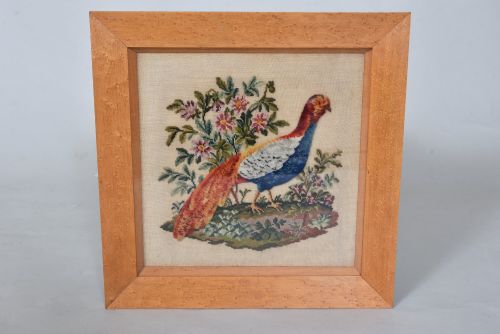
- A nineteenth-century textile craft involving raised fabric work or stuffed needlework to create three-dimensional decorative motifs like birds and floral scenes.
- Whatnot
- A set of open shelves designed for displaying ornaments, books, or small collectables. They appear in both floor-standing and wall-hanging formats.
Victorian Wall Hanging: Frequently Asked Questions
How were wall cabinets mounted securely?
Nineteenth-century wall cabinets and shelves utilised robust brass hanging loops, integrated screw fixings, or heavy internal battens screwed directly into wall studs.
Given the weight of dense hardwoods like oak and mahogany, proper wall anchoring remained essential for safety in busy household environments.
What rooms suit these hanging pieces?
Compact cupboards, mirrors, and letter racks serve narrow hallways, cloakrooms, and bedrooms where floor space is limited. Larger overmantle mirrors and display shelves anchor living rooms and dining spaces by drawing the eye upward.
How do I distinguish walnut from mahogany?
Mahogany typically displays a reddish-brown hue with straight, uniform grain patterns that darken gracefully over decades. Walnut exhibits a richer, darker brown colour with prominent, swirling grain figures and occasional lighter contrasting streaks.
Were textiles framed or hung loose?
Textiles such as wool shawls, embroidered panels, and appliqués were often pinned, draped, or suspended from decorative rods attached to the wall. Some heavy decorative pieces utilised backing canvas to support their weight over long periods.