
Victorian Wall Coat Rack
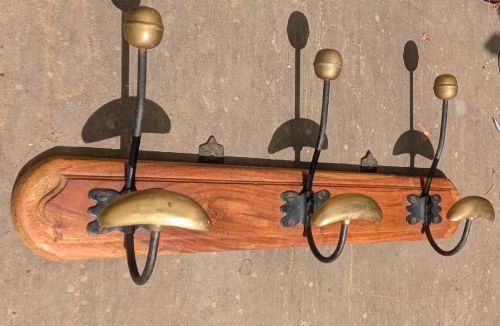
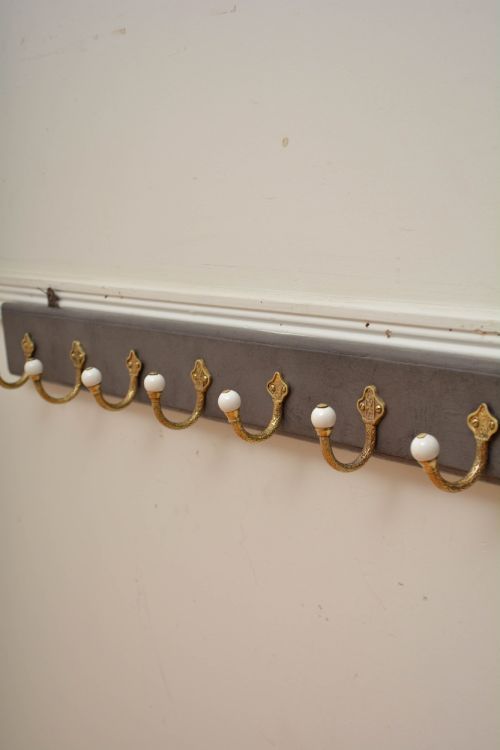
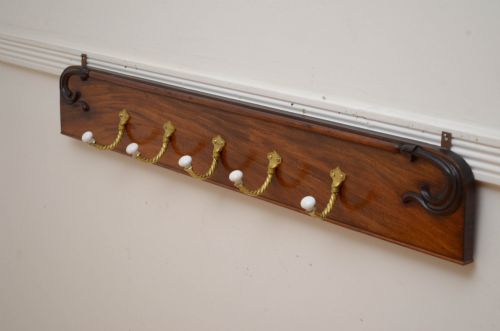
A victorian wall coat rack brings sturdy period organisation to an entrance hall, combining functional brass hooks with timber backboards.
Victorian Wall Coat Rack
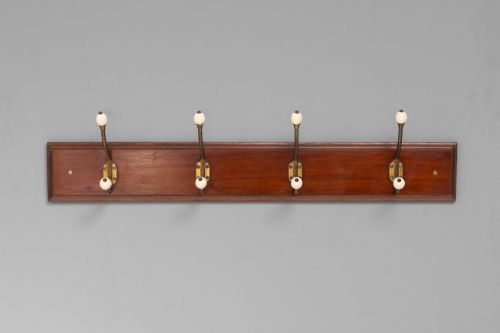
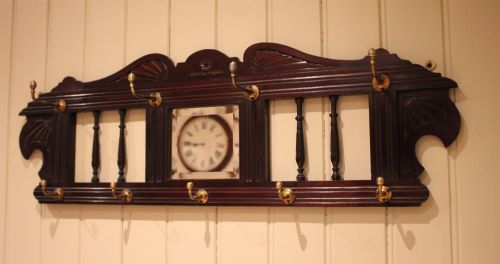
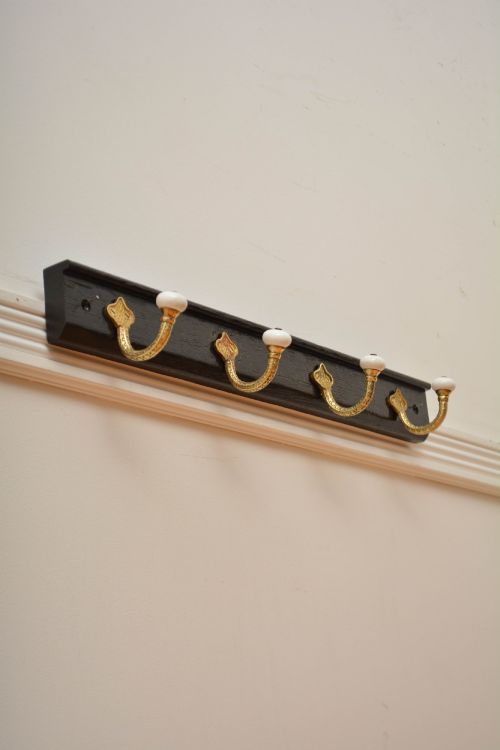
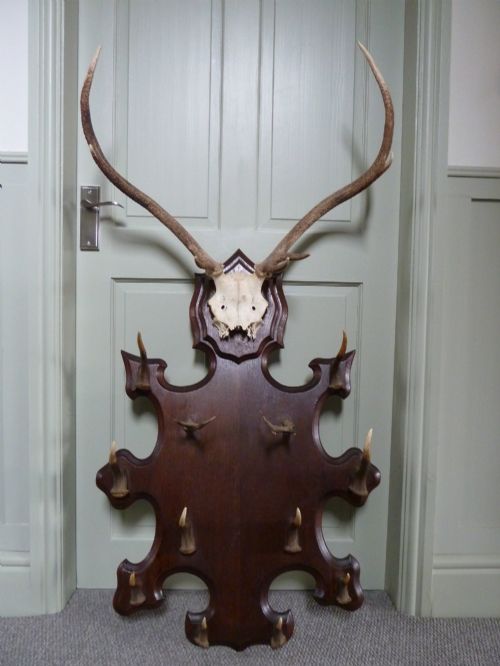
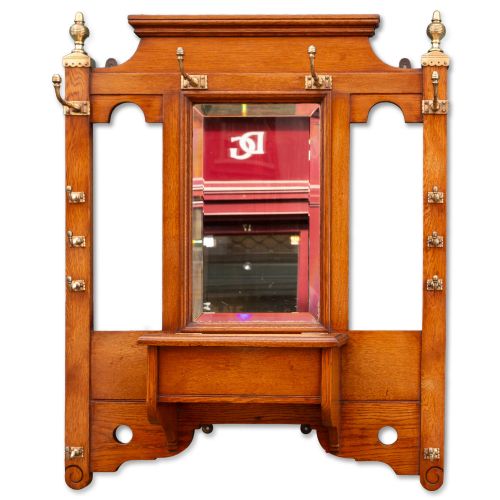
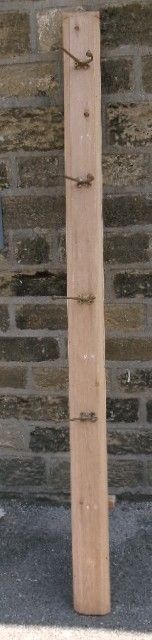
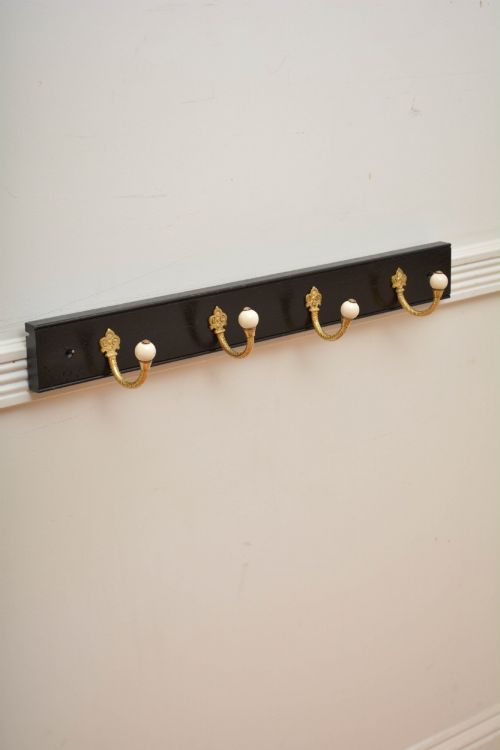
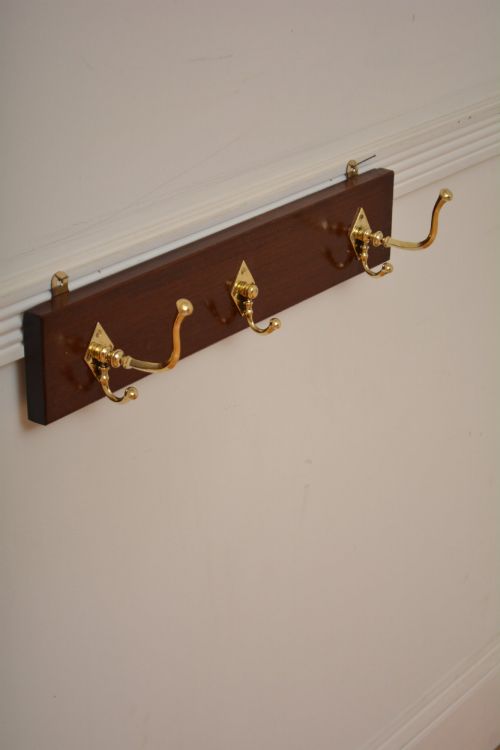
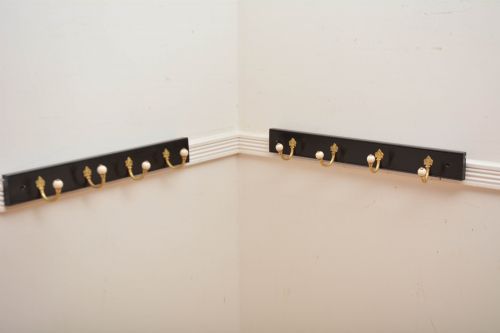
A victorian wall coat rack typically consists of a wooden backboard mounted with a row of metal hooks, designed to hang garments and hats in entrance halls or cloakrooms. These fixtures range from simple timber battens fitted with brass and ceramic hooks to elaborate carved panels incorporating mirrors and umbrella stands.
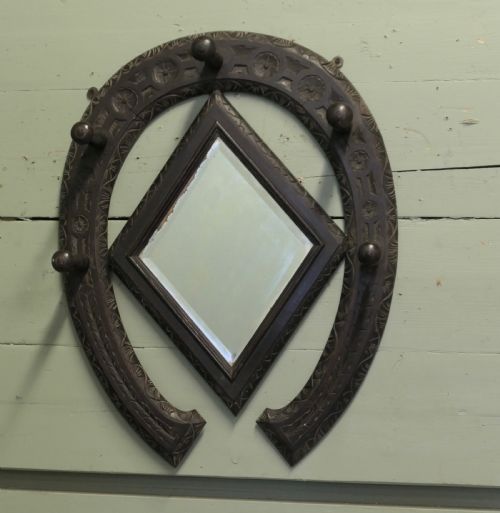
The versions most commonly met on this page date from the late nineteenth century and utilise durable hardwoods or pine backplates. Many examples integrate bevelled mirror plates or horseshoe motifs, reflecting the practical yet decorative demands of period domestic interiors.
Distinctions in Quality
Quality in a victorian wall coat rack rests upon the weight and casting finish of the metalwork, alongside the selection of timber. Finer examples display crisply cast brass mounts, hand-chased details, and thick bevelled mirror glass rather than mass-produced stamped components.
The integrity of the backboard and the method by which hooks are secured indicate standard versus superior workshop production. Original mounting plates and intact ceramic knobs distinguish well-preserved surviving pieces from later assembled or altered items.
Listings feature woods including mahogany, oak, walnut, pine, and linden wood, combined with brass, bronze, and ceramic elements.
The Victorian Wall Coat Rack Glossary
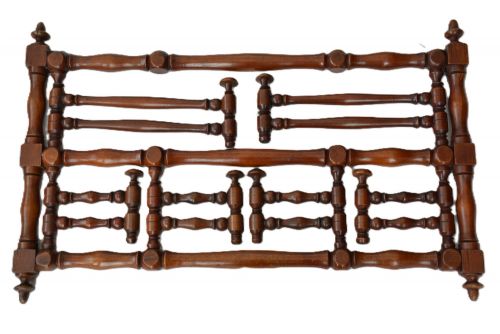
- Bentwood
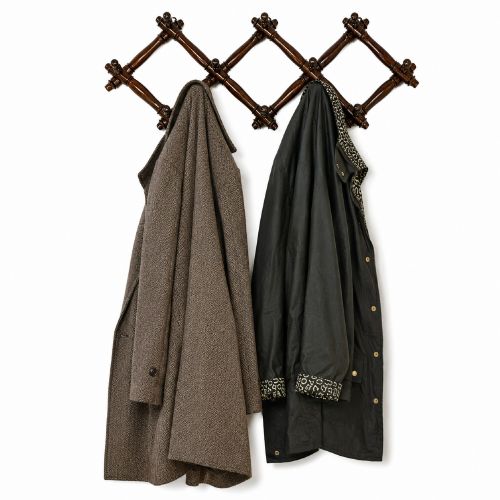
- Wood softened by steam and bent into curved shapes, commonly utilised in hat and coat hooks or frames. This technique creates strong, lightweight structural curves.
- Bevelled plate
- A mirror glass pane with edges ground and polished at an angle to create a decorative tapered border. This feature adds depth and refinement to hall mirrors.
- Ebonised
- Timber treated with stain or finish to imitate the dense, dark appearance of ebony wood. This finish was widely favoured during the nineteenth century for contrast.
Victorian Wall Coat Rack: Frequently Asked Questions
How are wall coat racks secured?
These racks mount directly to wall studs or masonry using screw fixings placed through pre-drilled holes or heavy cast metal brackets on the backboard.
Proper installation ensures the fixture supports the substantial weight of heavy winter garments and hats without pulling away from the wall.
Were all racks made with mirrors?
No, mirrors appear primarily on hall stands and larger combined hat and coat racks designed for reception spaces. Simpler strips consisted solely of wooden backboards and hanging hooks.
Mirrored versions allowed occupants to check their appearance before leaving the house.
What wood types are most common?
Oak and mahogany appear most frequently, alongside ebonised pine and walnut in various nineteenth-century regional styles. These durable timbers withstood daily domestic use in busy hallways.
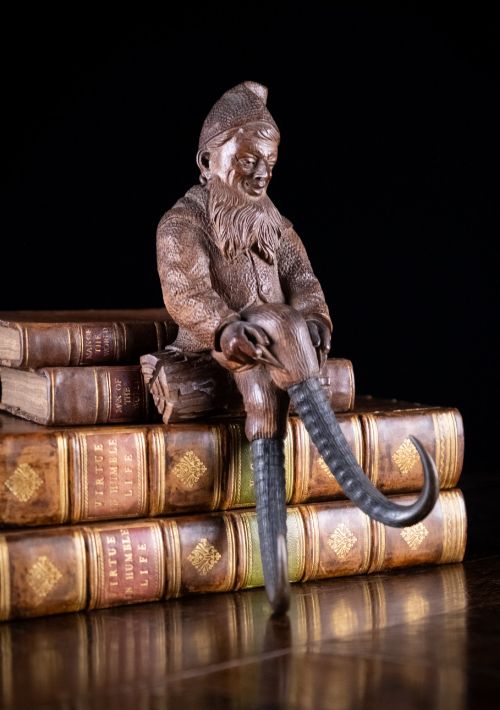
Linden wood and bentwood also feature in specialised carved or steam-bent Continental designs.
How do I care for the timber?
Maintain the wood surfaces by applying a traditional beeswax polish periodically to nourish the grain and protect the finish. Avoid excessive moisture and direct sunlight to prevent warping.
Clean brass components gently without harsh abrasives to preserve their original patination and cast detail.