

Victorian Vitrine
A victorian vitrine brings glass-fronted elegance to any room, offering a refined stage for cherished collections.
Victorian Vitrine
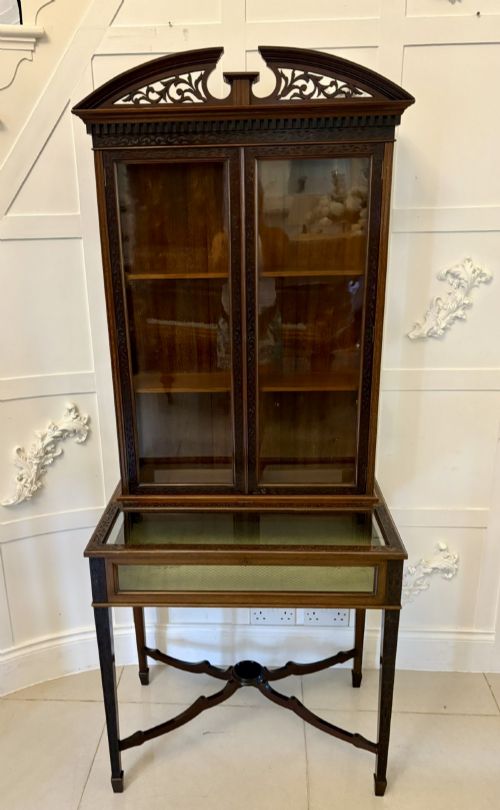
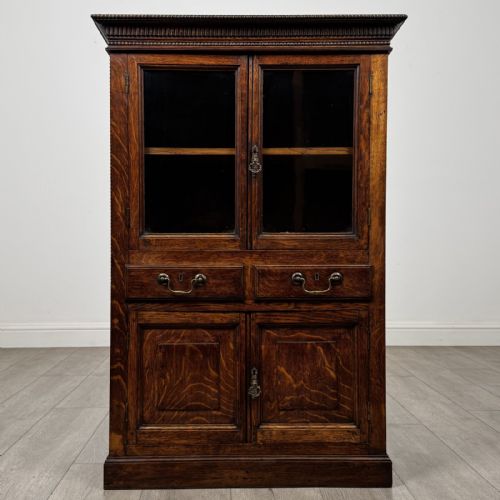
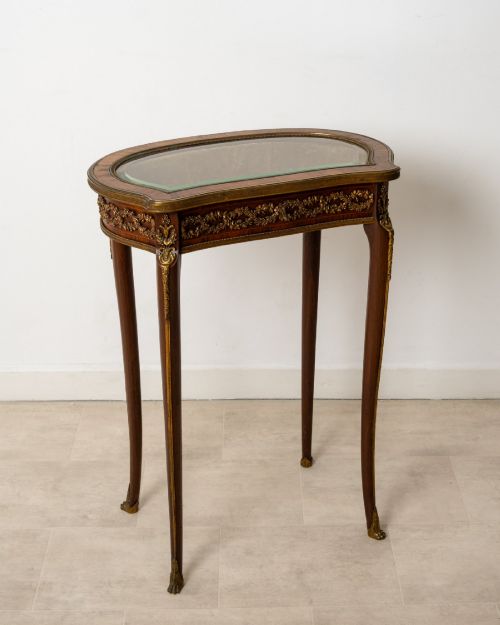
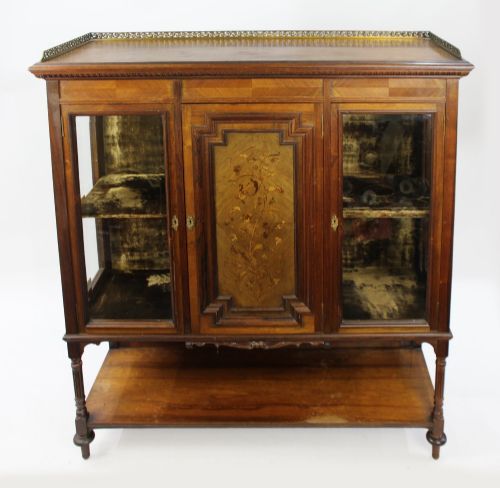
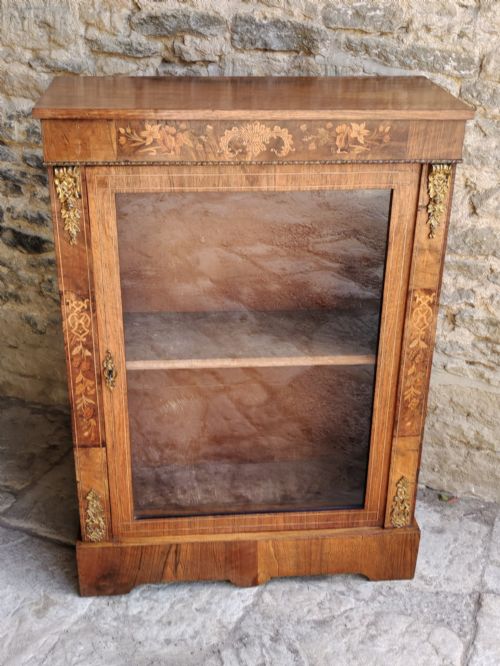
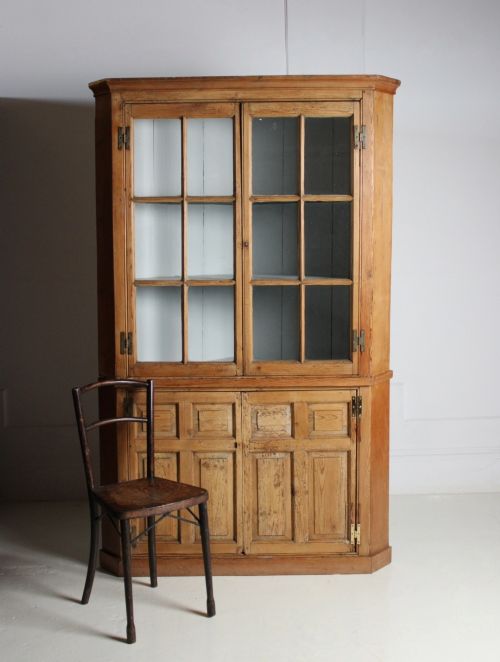
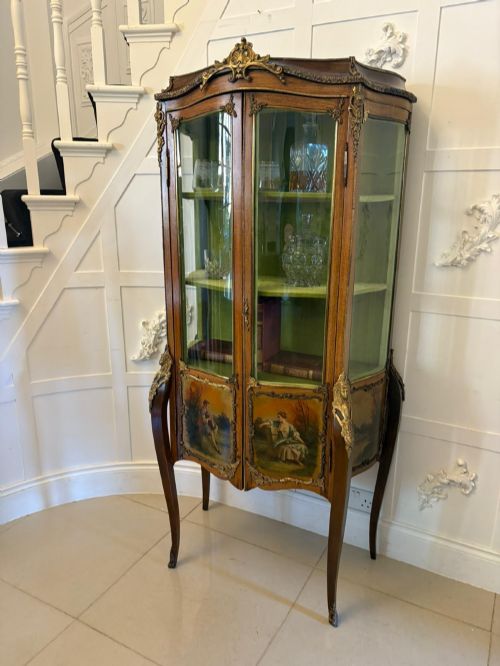
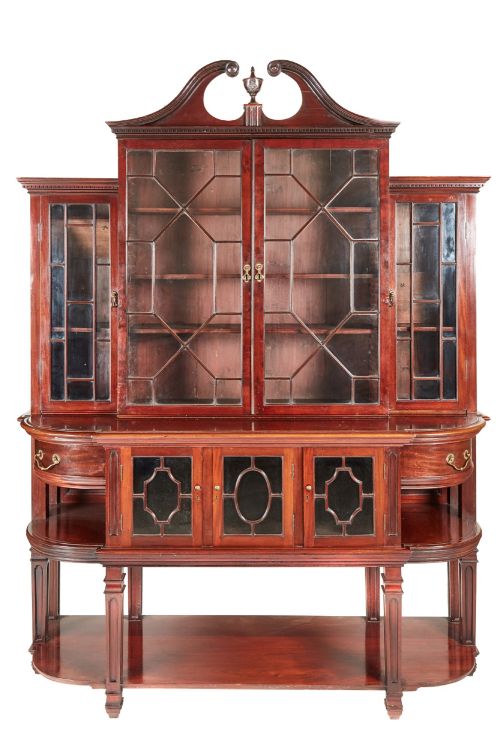
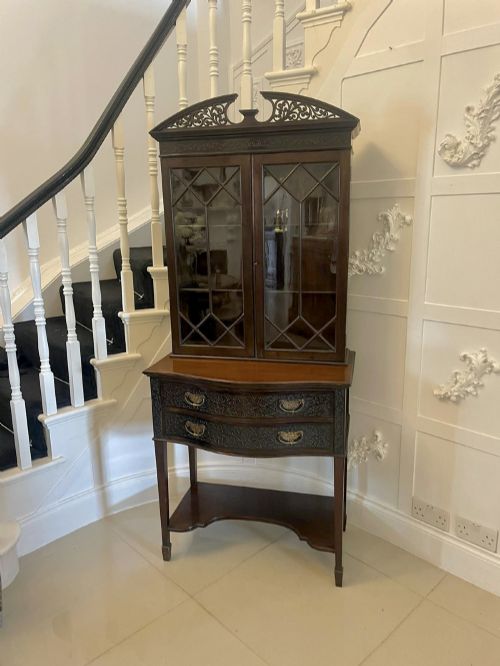
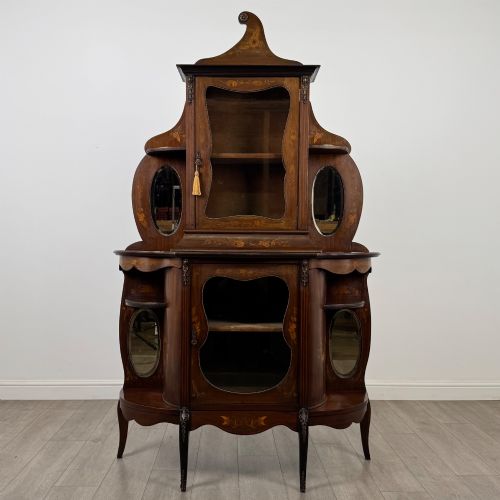
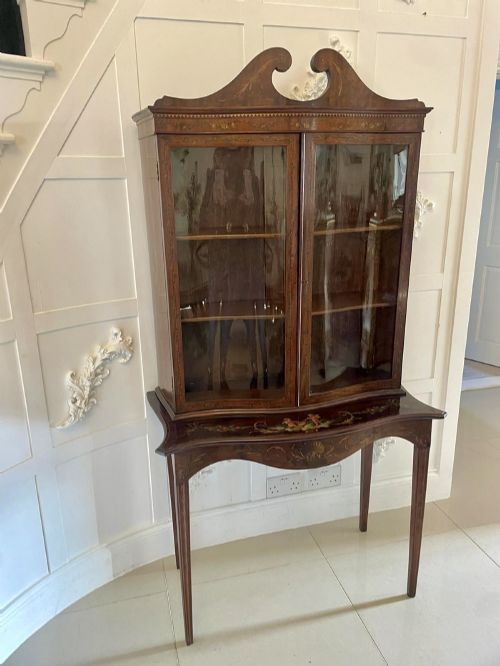
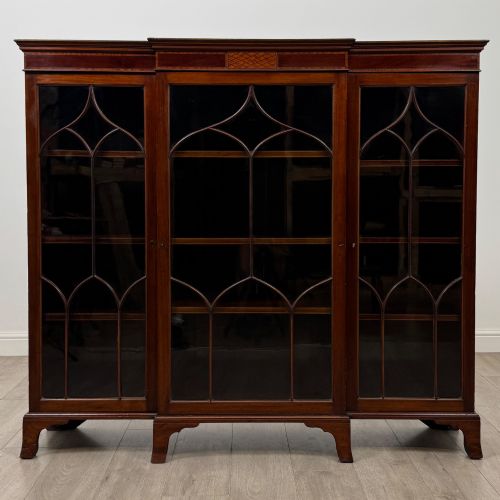
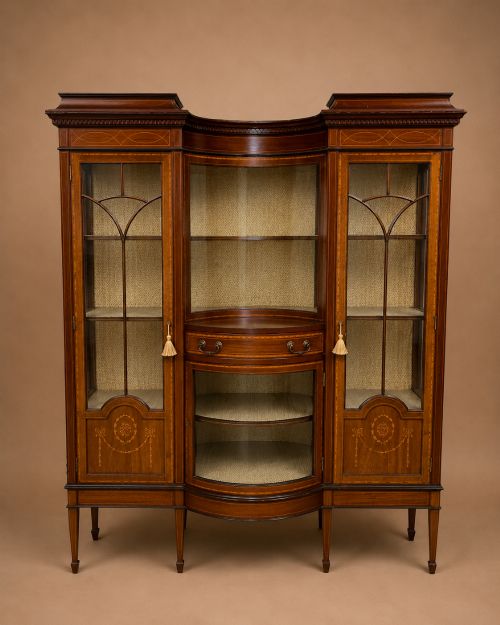
A victorian vitrine is a glazed display cabinet designed to showcase porcelain, curiosities, and fine objects behind glass panels. These pieces span the nineteenth century, including specific decades from eighteen fifty to nineteen hundred, taking forms such as freestanding display cabinets, pier cabinets, corner cupboards, and bijouterie tables.
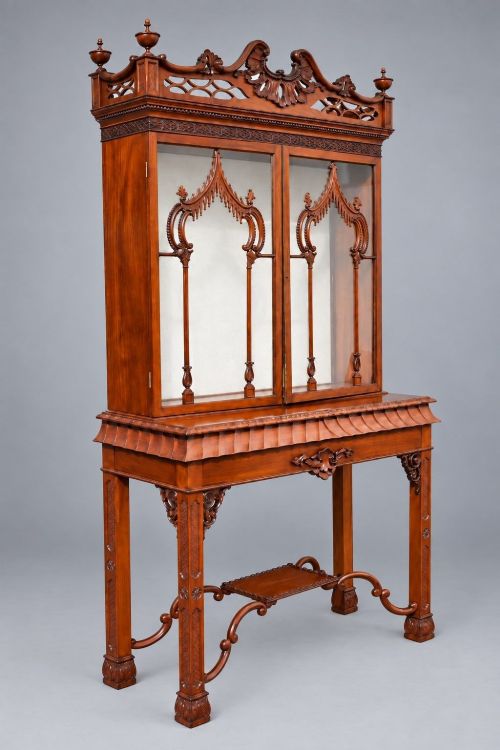
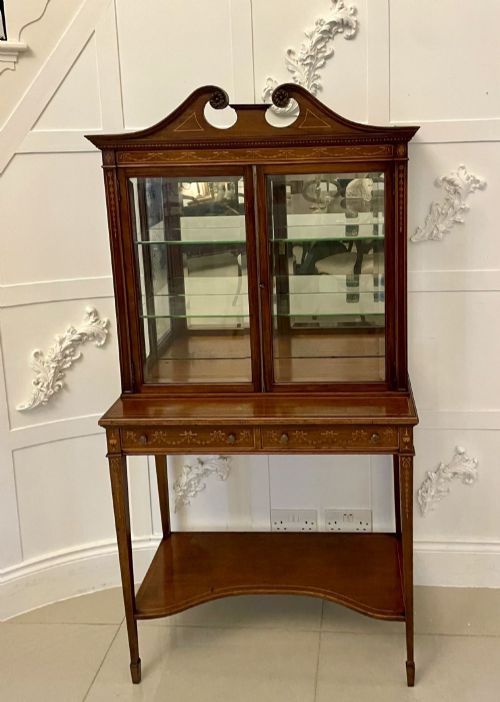
Makers utilised various stylistic revivals during this era, producing Sheraton revival, French Louis XV revival, and Chinese Chippendale influences alongside simpler country pine formats. Mahogany and walnut appear frequently as primary timbers, while satinwood and rosewood provide lighter or more exotic surfaces for formal drawing rooms.
Materials and Construction
Cabinetmakers constructed these frames using solid and veneered timbers such as mahogany, walnut, satinwood, and rosewood over pine carcases. Artisans incorporated intricate marquetry, delicate string inlay, and painted decoration to enrich the exterior timber surfaces.
Glazing involved lead or timber framing holding sheet glass for doors and side panels, sometimes combined with brass mounts, ormolu, and gilt bronze. Interior shelving utilised adjustable timber or glass rests to accommodate varying heights of displayed objects.
Some glazed cabinets hide secret compartments behind mirrored backs to keep truly private treasures away from prying eyes.
Judging Quality and Execution
The distinction between standard production and top-tier pieces rests on the precision of the cabinetmaking and the richness of the decorative additions. Superior examples display finely hand-cut marquetry, crisp ormolu mounts, and hand-painted details rather than pressed metal or printed decoration.
Structural integrity and original components dictate overall execution, noting the presence of original glass panes, working locks with matching keys, and carefully fitted doors. The choice of timber grain, particularly figured mahogany or richly patterned satinwood, elevates the visual presence of the finished cabinet.
Jas Shoolbred·Edwards & Roberts
The Victorian Vitrine Glossary
- Vitrine
- A glass-fronted cabinet or display case designed specifically for showing porcelain and decorative objects.
- Ormolu
- Gilt bronze mounts applied to furniture for decorative effect, prevalent in French-influenced pieces.
- Marquetry
- Inlaid patterns of different coloured woods applied to a timber surface to form decorative pictures or geometric designs.
- Pier cabinet
- A narrow cabinet designed to fit against the wall space between windows during the nineteenth century.
- Bijouterie table
- A glass-topped display table intended for holding small valuable items, medals, or jewellery.
Victorian Vitrine: Frequently Asked Questions
What is a vitrine used for?
These glass-fronted cabinets were originally created to protect and display delicate porcelain, miniatures, and collection items away from dust. They allowed Victorian homeowners to curate miniature museums within their drawing rooms and parlours.
Today, they serve the exact same purpose in modern homes. The transparent panels let light pass through while keeping valuable ornaments secure.
How do I date a nineteenth-century cabinet?
Dating relies on observing construction methods, timber choices, and stylistic details recorded across the nineteenth century. Earlier mid-century pieces often feature heavier mahogany or rosewood structures, whilst later decades introduce satinwood, lighter inlay, and specific revival styles.
Cabinet backs, drawer construction, and screw types offer further clues to the manufacturing decade. Comparing the design motifs to documented revival periods helps narrow down the exact decade of origin.
Are the shelves adjustable?
Many nineteenth-century display cabinets feature fixed timber shelving built into the carcase during original construction. Other examples, particularly shop display pieces or later formats, incorporate adjustable supports for glass or wooden shelves.
Reviewing the internal fittings ensures the cabinet can accommodate items of varying heights. Fixed shelves require careful measurement of vertical clearance before placing taller porcelain pieces inside.